Antique Appraisal: Why You Shouldn't Trust Neural Networks
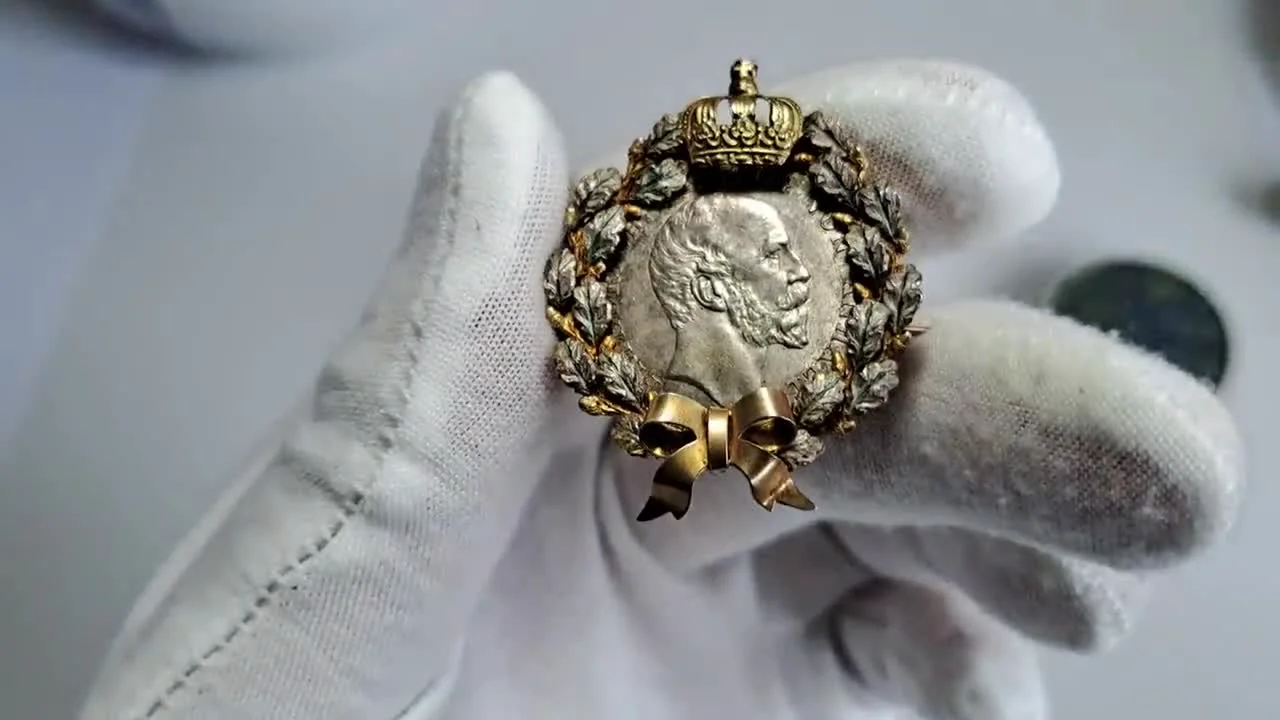
Among recent acquisitions, one antique brooch stands out. Its uniqueness lies in the fact that a rather rare coin is set into the frame. This makes the item particularly valuable for collectors.
When a Neural Network is Wrong: The Story of a Brooch
Characteristic
Description
Coin
2 Marks, Anhalt
Year of Issue
1896
Mintage
50,000 pieces
Market Price in Germany
500 – 700 euros
Among recent acquisitions, one antique brooch stands out. Its uniqueness lies in the fact that a rather rare coin is set into the frame. This makes the item particularly valuable for collectors.
The coin in question is a 2 Mark piece, issued in Anhalt in 1896. Its rarity is due to a small mintage, which was only 50,000 pieces.
The story of this brooch's purchase is a cautionary tale. The owner of the pawn shop, unaware of the item's true value, decided to appraise it using the ChatGPT neural network. After taking a photo with his smartphone, he received an answer: the coin was inexpensive, worth 15-20 euros, and the total value of the brooch, including the craftsmanship, was no more than 150 euros. In the end, the brooch was bought for just 80 euros, which is several times lower than its real market value. This situation is a prime example of why one cannot blindly trust technology in antique appraisal.
Other Finds from the Same Shop
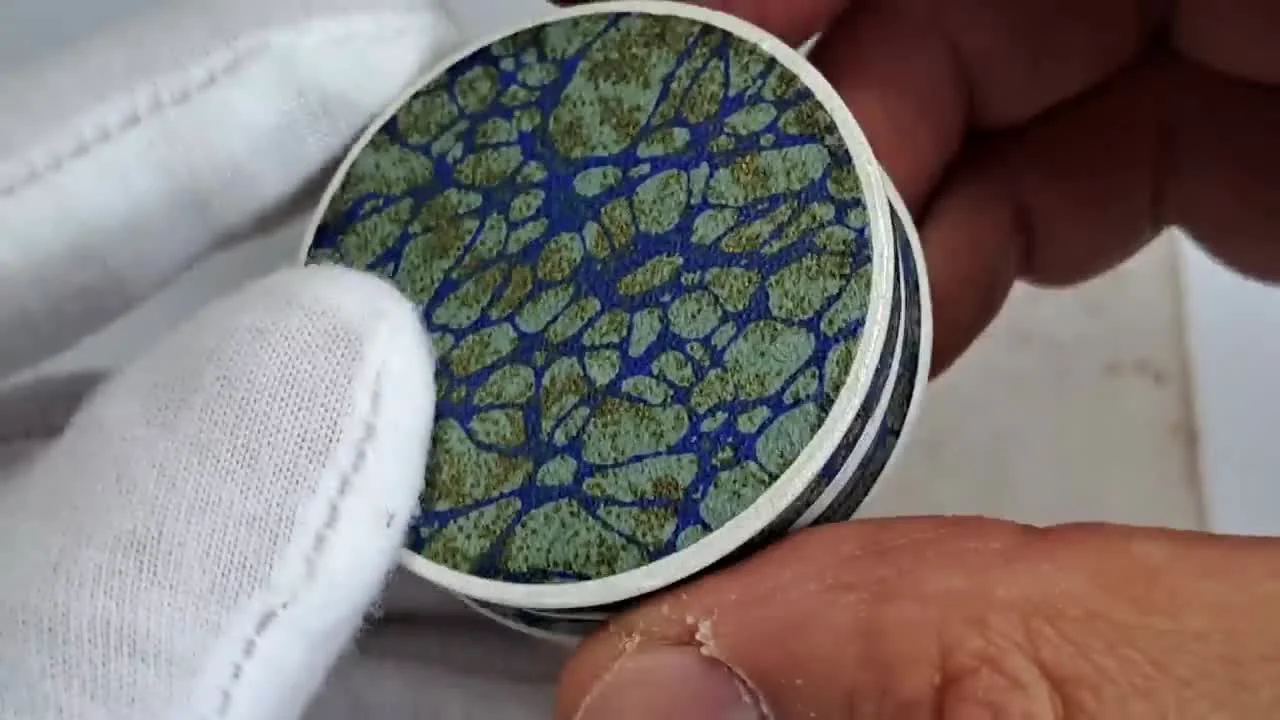
In the same shop where the brooch with the rare coin was acquired, other interesting items were found. Among them was another brooch, this time in the shape of an insect resembling a butterfly.
The seller, apparently lacking much experience, also appraised this item incorrectly. The brooch is made of gilded silver, not gold. It was purchased for 24 euros.
Notably, a similar brooch was previously sold on the online auction site eBay for 150 euros. This once again confirms how important it is to be knowledgeable about antiques to avoid missing a good deal.
Other finds from the same shop
A Monumental Bronze Medal
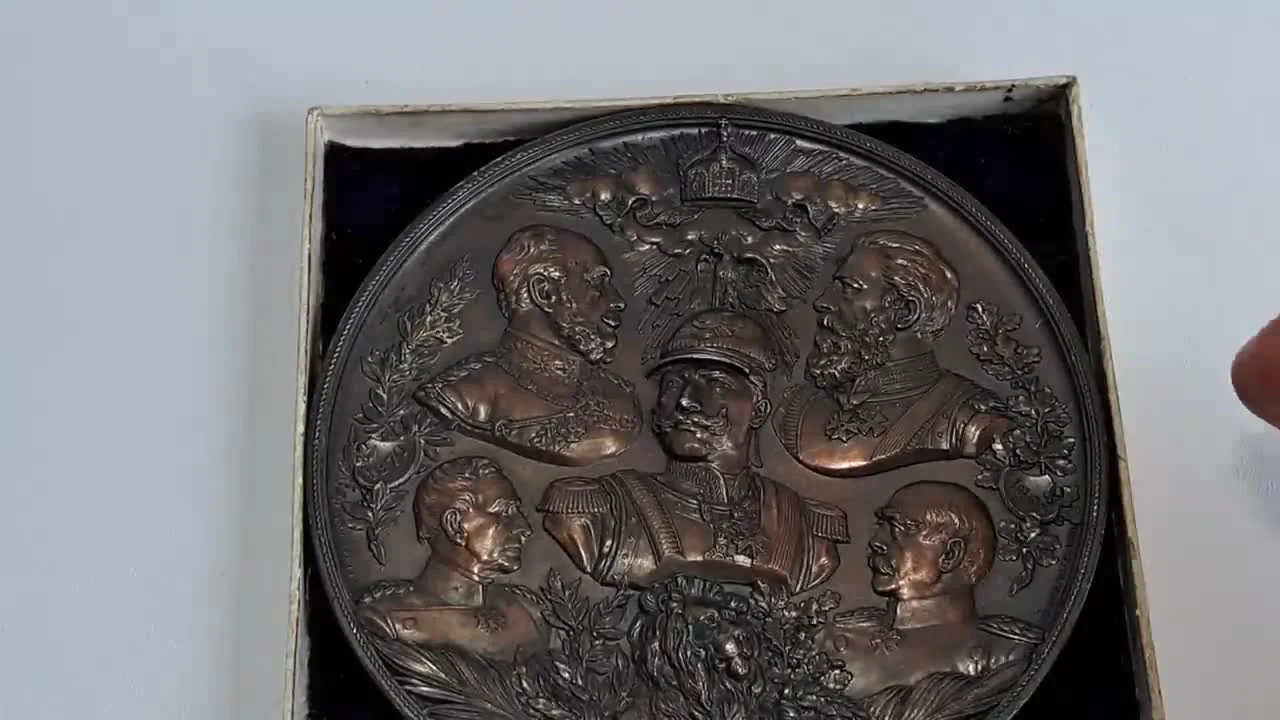
Another notable purchase was a large bronze medal. It stands out for its size—about the size of a palm—and its weight of 268 grams. The item's condition can be described as deluxe, with no scratches or damage, and a noble patina.
In the center – Kaiser Wilhelm II
Top left – Wilhelm I
Top right – Friedrich III
Bottom left – Commander-in-Chief Moltke
Bottom right – Chancellor Otto von Bismarck
This piece was acquired for 150 euros, with an initial price of 180. Similar medals, but weighing almost three times less (91 grams), have sold at auctions for 350 euros, excluding commission. This indicates the high rarity and value of this specific heavy version.
The monumental bronze medal
Original Blades of the Third Reich
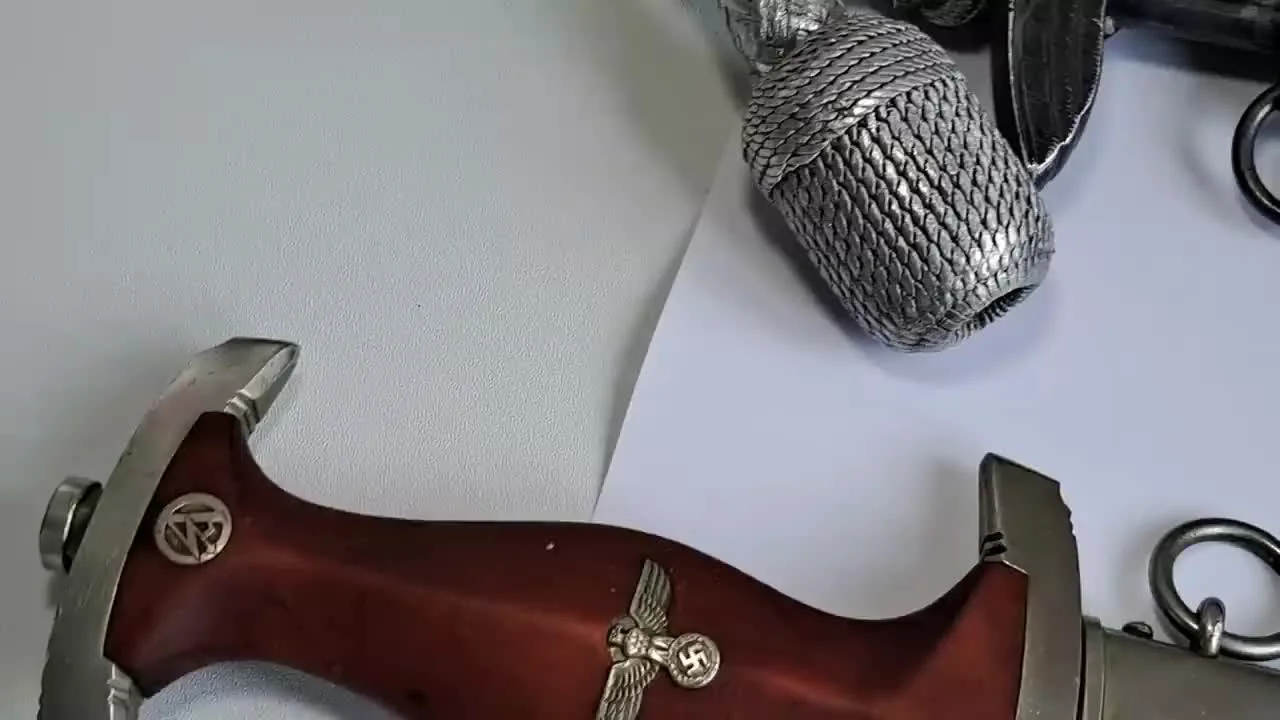
From an old collector who decided to sell off part of his collection, two original blades from the Third Reich era were acquired. The authenticity of both items, including their assembly, was confirmed by experts.
Motto on the blade: "Alles für Deutschland" (Everything for Germany).
Manufacturer: Hugo Linder, Solingen.
Production period: pre-war.
The second item is a Luftwaffe dagger. It is also completely original, including the hanger and portepee. The blade's manufacturer is the Alcoso company from Solingen. These are the first such items in the personal collection, and they are of significant interest due to their authenticity and good state of preservation.