The Constantine Rouble: The Mystery of a Coin for a Non-Existent Emperor - AUCBURG | AUCBURG
The Constantine Rouble: The Mystery of a Coin for a Non-Existent Emperor
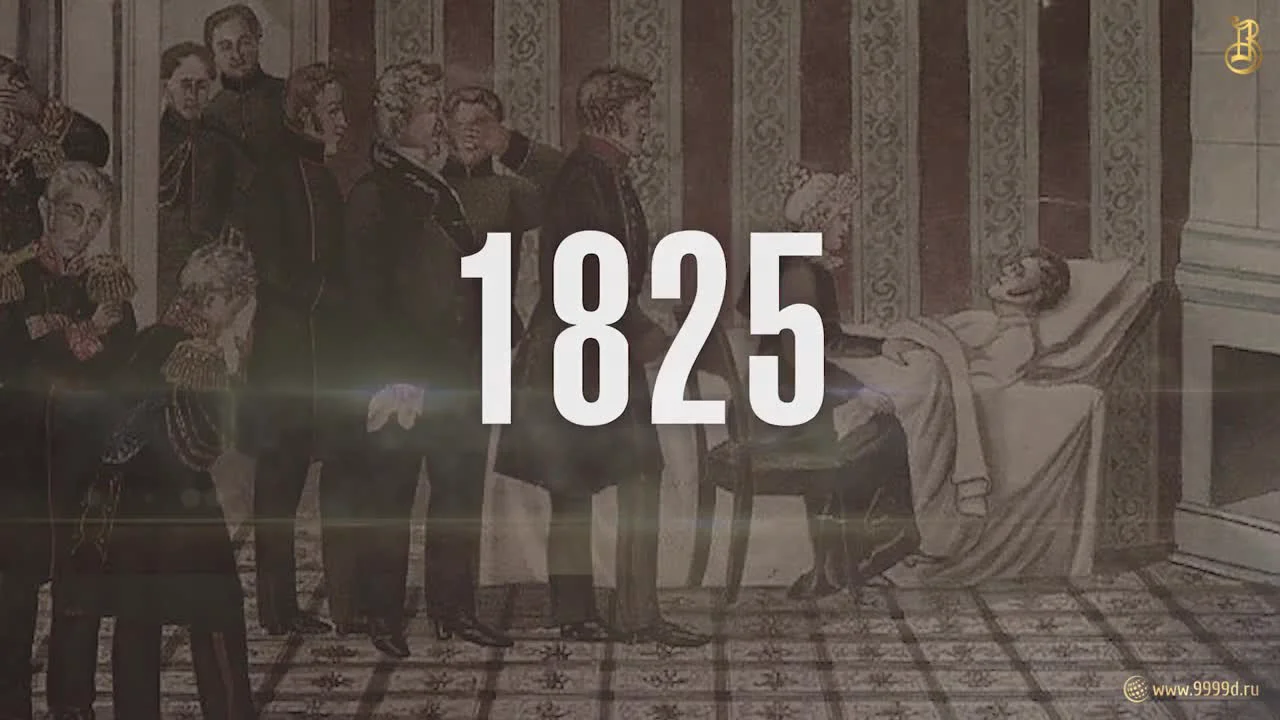
One of the greatest numismatic rarities is a rouble minted for an emperor who formally never reigned. This is the Constantine Rouble, whose story began after the death of Emperor Alexander I in 1825.
One of the greatest numismatic rarities is a rouble minted for an emperor who formally never reigned. This is the Constantine Rouble, whose story began after the death of Emperor Alexander I in 1825.
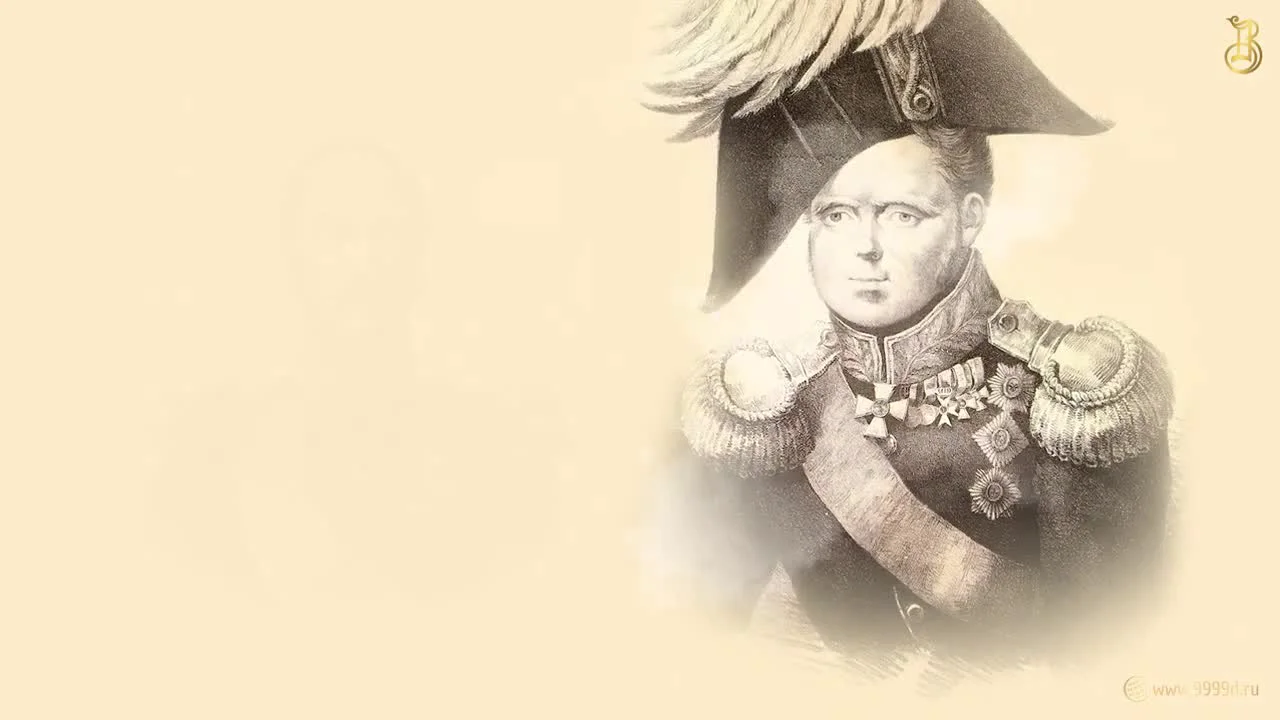
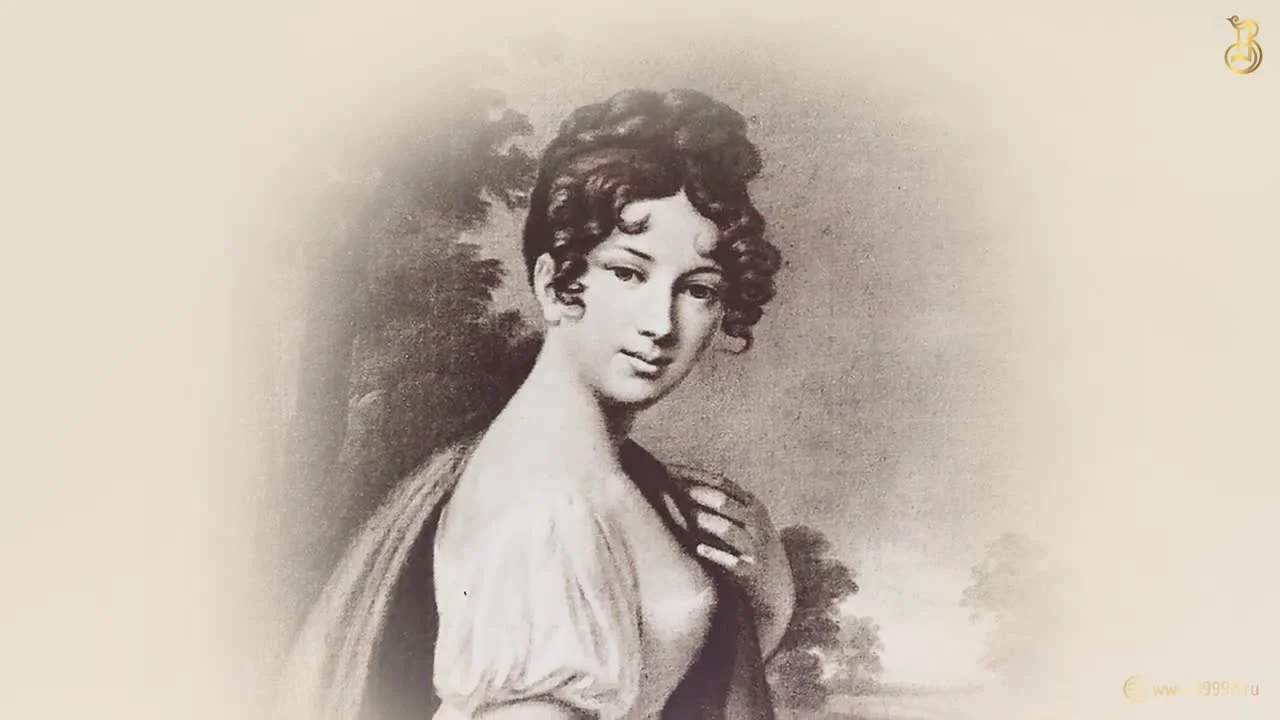
By law, the throne was to pass to his brother Constantine. However, there was a secret: Constantine, who was in Warsaw, had renounced the throne back in 1822. The reason was his morganatic marriage to the Polish Countess Grudzińska, and this fact was known only to a few confidants.
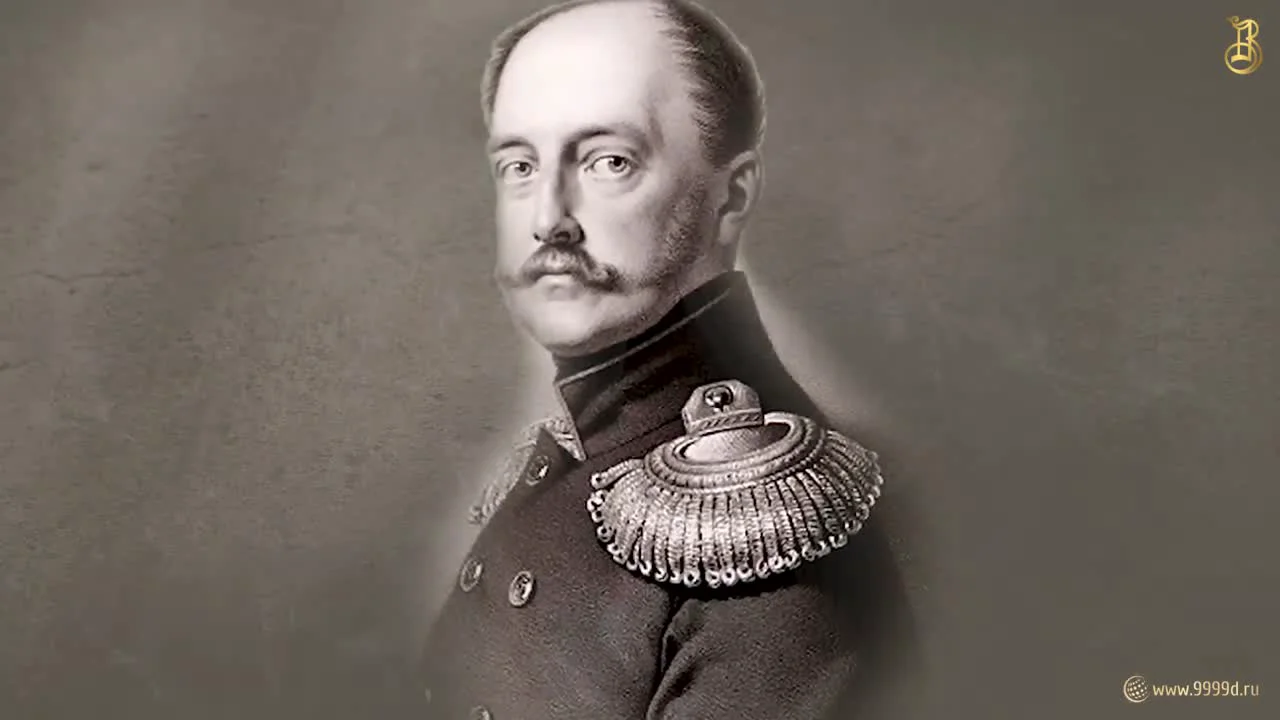
The situation was so confusing that even the future Emperor Nicholas I, upon receiving news of his brother's death, managed to swear an oath to Constantine, unaware of his abdication. This period went down in history as the 'interregnum'.
Secret Minting at the Mint
In an atmosphere of uncertainty, the Mint hastily began preparing to issue a new coin with Constantine's profile. There is a version that this rush was initiated by the Minister of Finance, Georg von Cancrin.
In the past, Cancrin had disagreements with Constantine, and by issuing a coin with the future ruler's profile, the minister hoped to win his favor and avoid possible disgrace. The work on creating the dies was entrusted to the experienced artist-medalist Jacob Reichel.
In early December 1825, the first trial specimens of the coin were minted, which were meant to mark the beginning of a new reign.
Secret minting at the Mint
Characteristics of the Trial Rouble
Parameter
Value
Total weight
20.73 g
Diameter
35.5 mm
Fine silver weight
18 g
Year of minting
1825
The trial rouble was executed with the highest quality and had precise parameters that met the standards of the time. These coins were made of silver and featured detailed engraving.
The design of the coin was as follows:
On the reverse: the lesser coat of arms of the Russian Empire was depicted. Around it was the inscription about the precious metal content: 'ЧИСТАГО СЕРЕБРА 4 ЗОЛОТНИКА 21 ДОЛЯ' (4 Zolotniks 21 Dolyas of Pure Silver). The denomination 'РУБЛЬ' (ROUBLE) was indicated at the bottom.
The edge (gurt) of the coin also bore information about the fineness and weight of the item.
Characteristics of the trial rouble
From Minting to State Secret
Meanwhile, Constantine's abdication became officially known in the capital, and an oath was declared to the new emperor, Nicholas I. The 'interregnum' period was used by the Decembrists as one of the pretexts for the uprising.
Their slogans were associated with enthroning Constantine, not his younger brother Nicholas Pavlovich. In light of these dramatic events, the coin with the profile of Grand Duke Constantine became a politically dangerous artifact.
It was decided to immediately confiscate all minted specimens and hide them. The very existence of the Constantine Rouble was to be made a state secret to avoid any reminders of the recent crisis of power.
From minting to state secret
The Second Birth of a Rare Coin
The secret of the Constantine Rouble was kept for decades. Only with the accession to the throne of Emperor Alexander II were the trial coins, hidden in the archives, discovered and came into his possession.
He kept one coin for his personal collection.
One was transferred to the Hermitage Museum.
The other three coins were gifted to his relatives.
Thus, the coin whose existence was a secret became known to a narrow circle of people. Today, the Constantine Rouble is one of the rarest and most expensive Russian coins, a part of fateful historical events in the nation's history.