Organizing a Collection: Sorting an Album of Russian Empire Coins - AUCBURG | AUCBURG
Organizing a Collection: Sorting an Album of Russian Empire Coins
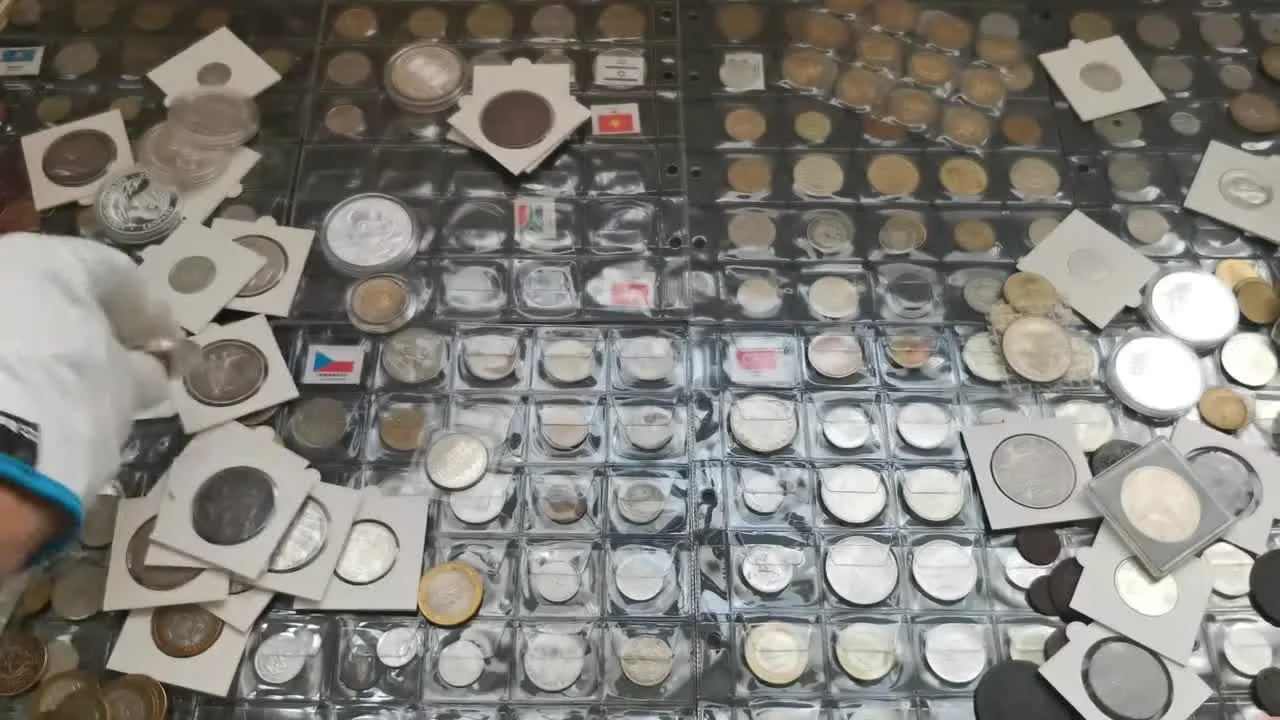
In one of the collection albums designed for coins of the Russian Empire, disorder had developed over time. The specimens were arranged chaotically, which made their review and inventory difficult. A decision was made to restore order and systematize the collection in chronological sequence.
In one of the collection albums designed for coins of the Russian Empire, disorder had developed over time. The specimens were arranged chaotically, which made their review and inventory difficult. A decision was made to restore order and systematize the collection in chronological sequence.
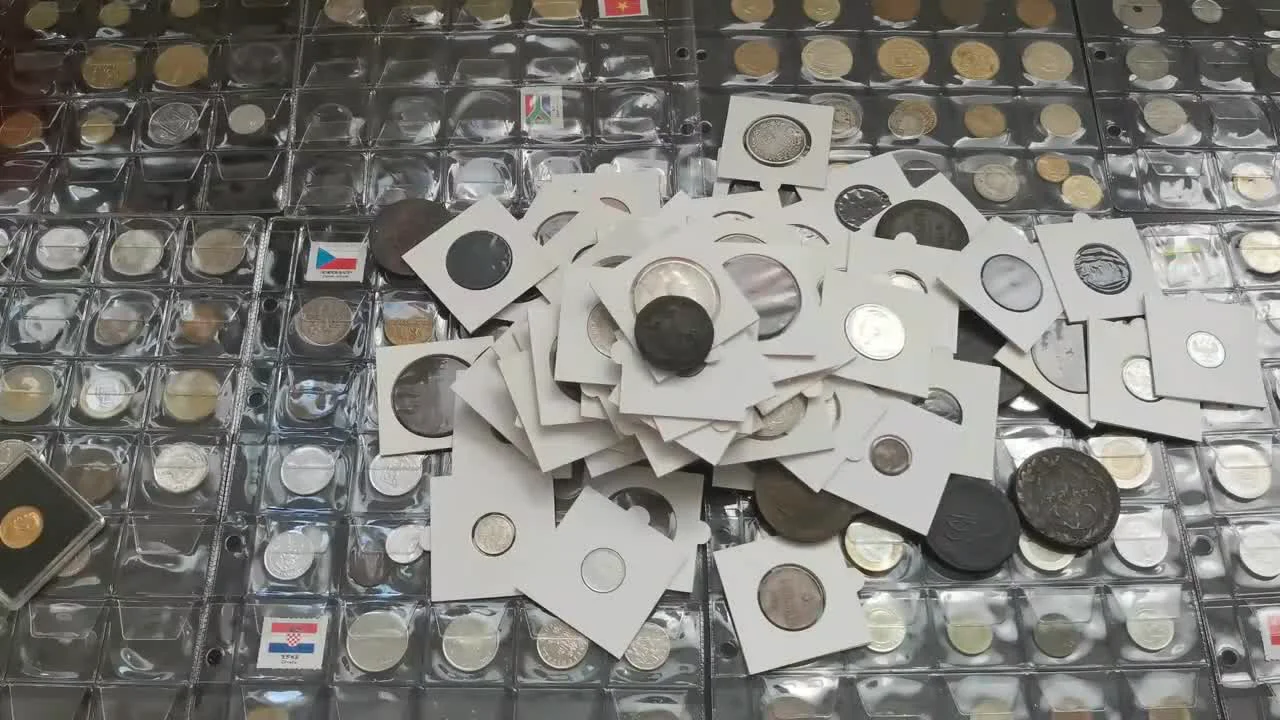
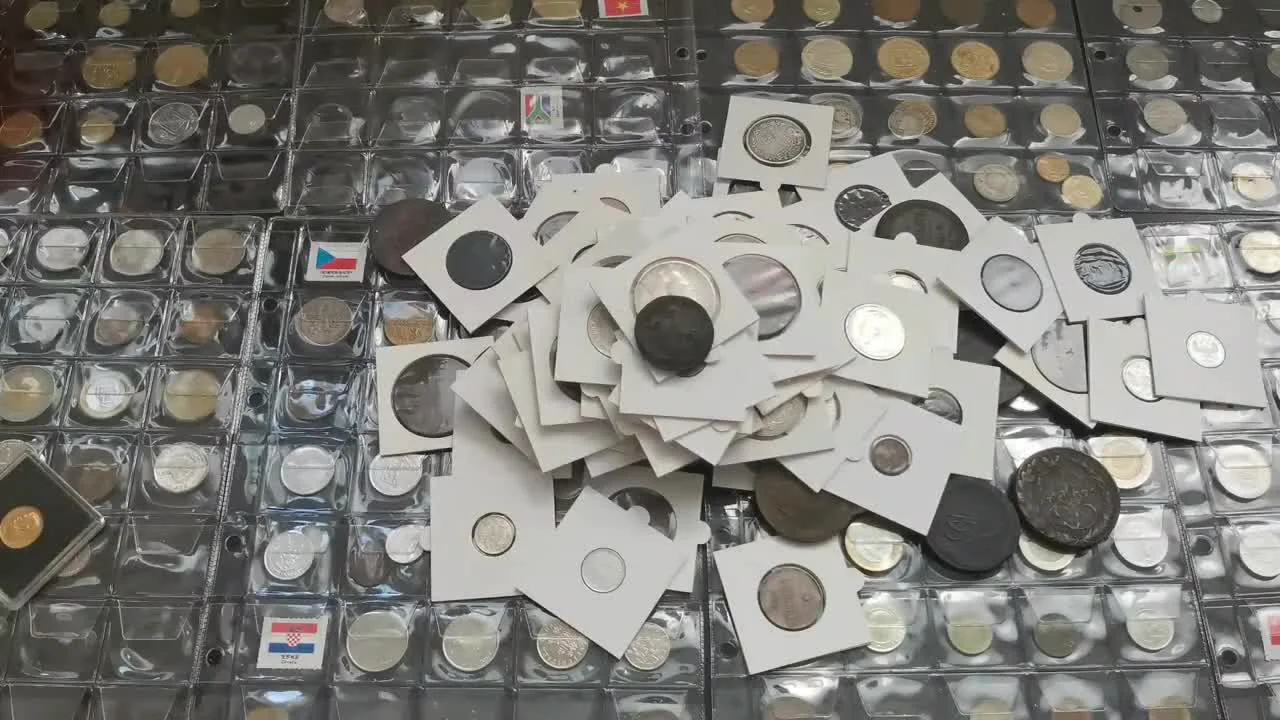
In addition to the coins in the album, many other specimens requiring sorting had accumulated on the desk. Among them were bullion coins, gold chervonets, as well as various foreign coins. Such storage is careless and can damage collectible items, so organizing storage is an important step for any numismatist.
Preparing for Systematization
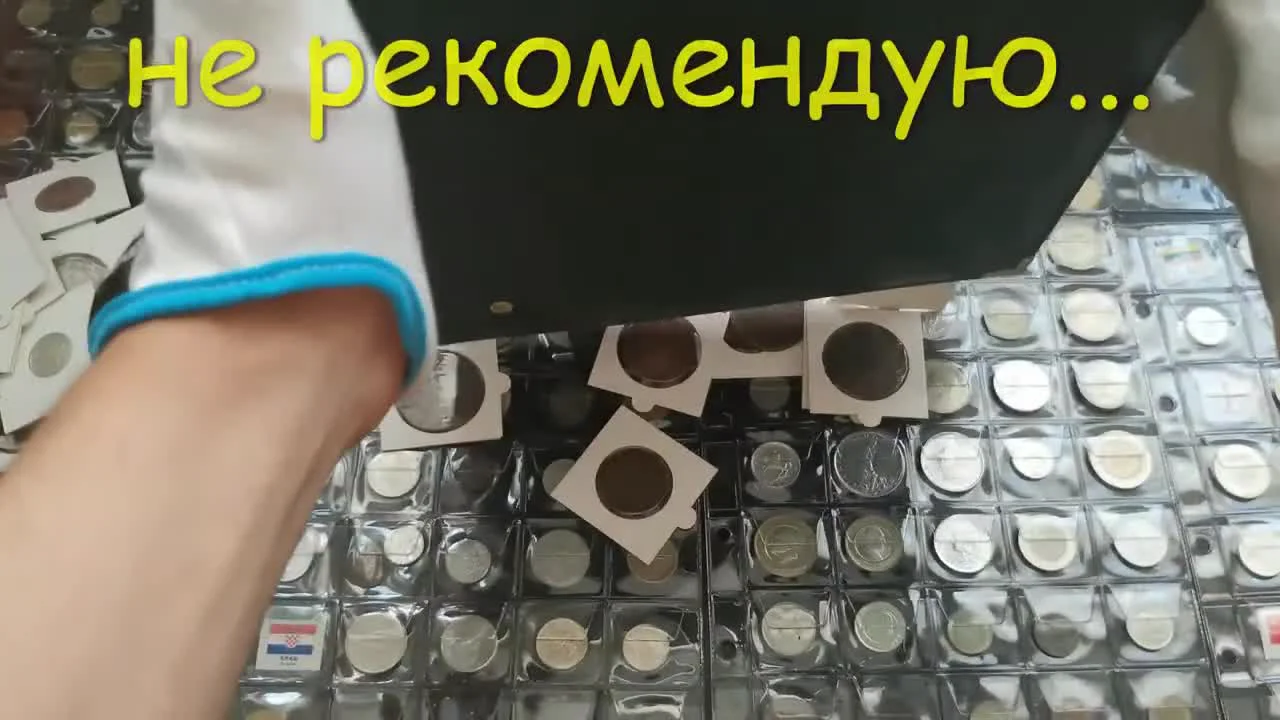
To arrange the coins in chronological order, it was first necessary to remove them all from the album. To speed up the process, a not-so-careful but quick method was used: the contents of the album were simply shaken out onto the table. This method is not recommended as it can damage the coins.
After that, all coins belonging to the Russian Empire and the early Soviet period were selected for placement in the album. The main task was to sort them by the reigning periods of the tsars. This approach allows for the creation of a logical and structured collection.
Preparing for Systematization
Collection Overview: From Nicholas II to Alexander III
The initial sorting showed that the majority of the collection consists of coins from the reign of Nicholas II, which is not surprising as they are the most readily available on the numismatic market. Coins of Nicholas I were the second most numerous. Specimens from other emperors are represented much more modestly.
It was decided to start arranging the coins with those of the last emperor, Nicholas II, and work backward in chronological order, all the way to Peter I. This method allows for a sequential filling of the album, moving from later to earlier periods.
Collection Overview: From Nicholas II to Alexander III
Coins from the Reign of Nicholas II
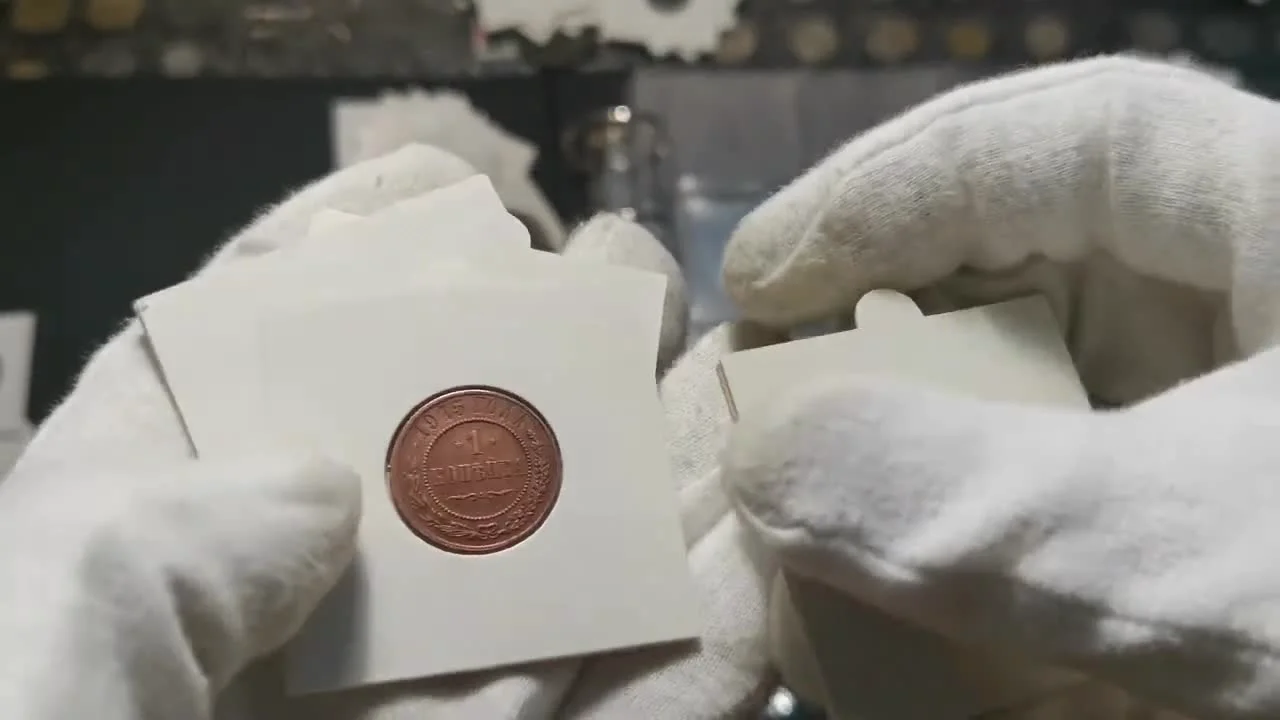
The collection features various denominations from this period. Among them are both copper and silver coins, including rubles. A special place is held by coins minted for the Grand Duchy of Finland, which are distinguished by their design.
1 penni
5 penniä
10 penniä
25 penniä
50 penniä
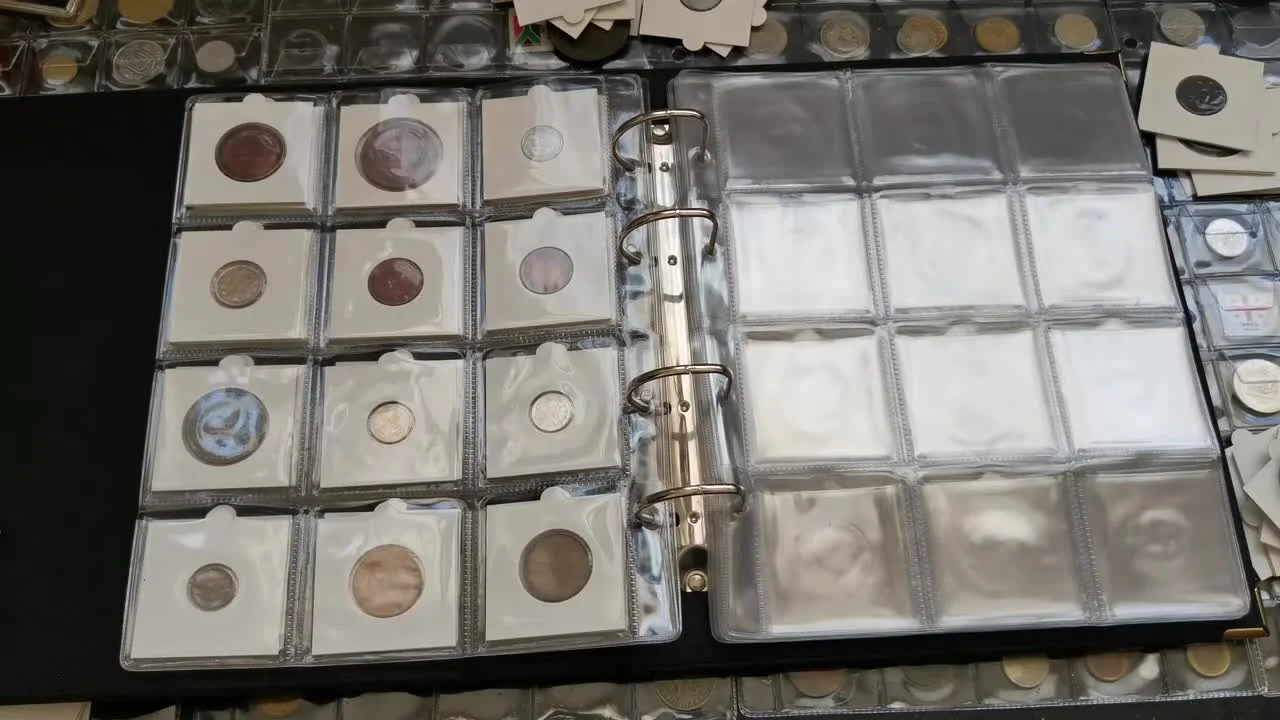
On the reverse of these coins, you can see a beautiful 'N II' monogram under a crown. After the review, the coins of Nicholas II were placed in the album, filling almost two pages. Empty slots were left for future additions to the collection.
Coins from the Reign of Nicholas II
Specimens of Alexander III and Alexander II
Denomination
Year
Metal
Feature
5 kopecks
1875
Copper
Large and heavy coin
5 kopecks
1889
Silver
Very small coin
The reign of Alexander III is very sparsely represented in the collection—by only three coins: two copper and one silver. These are a 3 kopecks from 1893, a 2 kopecks from 1891, and a 5 kopecks from 1889. All of them were placed in the album.
There were slightly more coins of Alexander II in the collection. Among them are specimens of the so-called 'flat strike'. It is interesting to compare the sizes of coins of the same denomination but made of different metals issued during this period.
The collection also includes a 2 kopecks from 1865 and a 3 kopecks from 1860, which also belong to the reign of Alexander II.
Specimens of Alexander III and Alexander II
Arranging the Coins and Future Plans
After sorting, the coins of Nicholas II and Alexander III were placed in the album. The remaining slots on the pages are intended for filling the collection with missing specimens, such as the 25-kopeck coin of Nicholas II or the copper 1/4 and 1/2 kopeck coins.
The process of systematizing the collection turned out to be quite long and painstaking. For convenience, it was decided to continue sorting the coins of the subsequent rulers—from Alexander II to Peter I—at a later time, dedicating separate time to it. Organizing a collection requires patience, but the result is worth it.