How to Distinguish Platinum from Silver: Two Simple Methods - AUCBURG | AUCBURG
How to Distinguish Platinum from Silver: Two Simple Methods
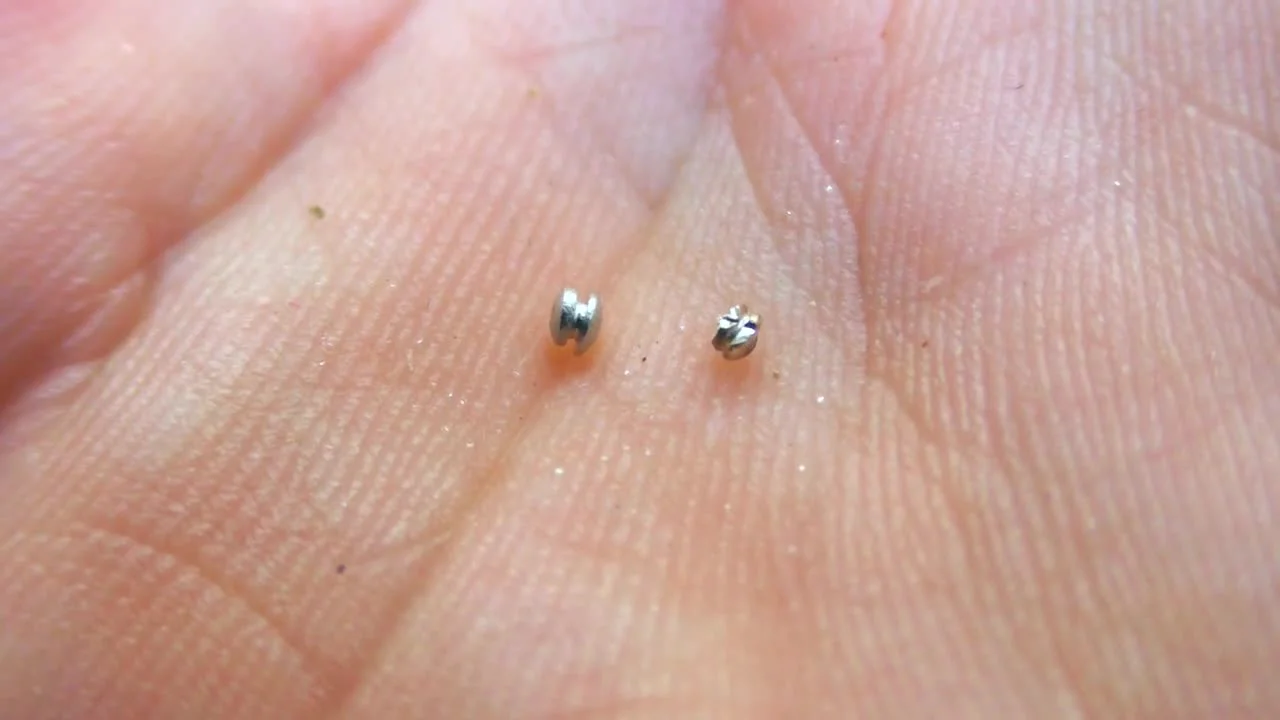
When working with contacts from relays and other electronic components, you might need to distinguish platinum from silver. Visually, these two metals are very similar, especially in the form of small contacts. Both have a white color and a characteristic shine.
When working with contacts from relays and other electronic components, you might need to distinguish platinum from silver. Visually, these two metals are very similar, especially in the form of small contacts. Both have a white color and a characteristic shine.
At first glance, it is nearly impossible to determine which contact is platinum and which is silver. Accurate identification requires special methods based on their physical and chemical differences.
Method 1: Testing with Melting Point
Metal
Melting Point (°C)
Silver (Ag)
961.9
Platinum (Pt)
1772
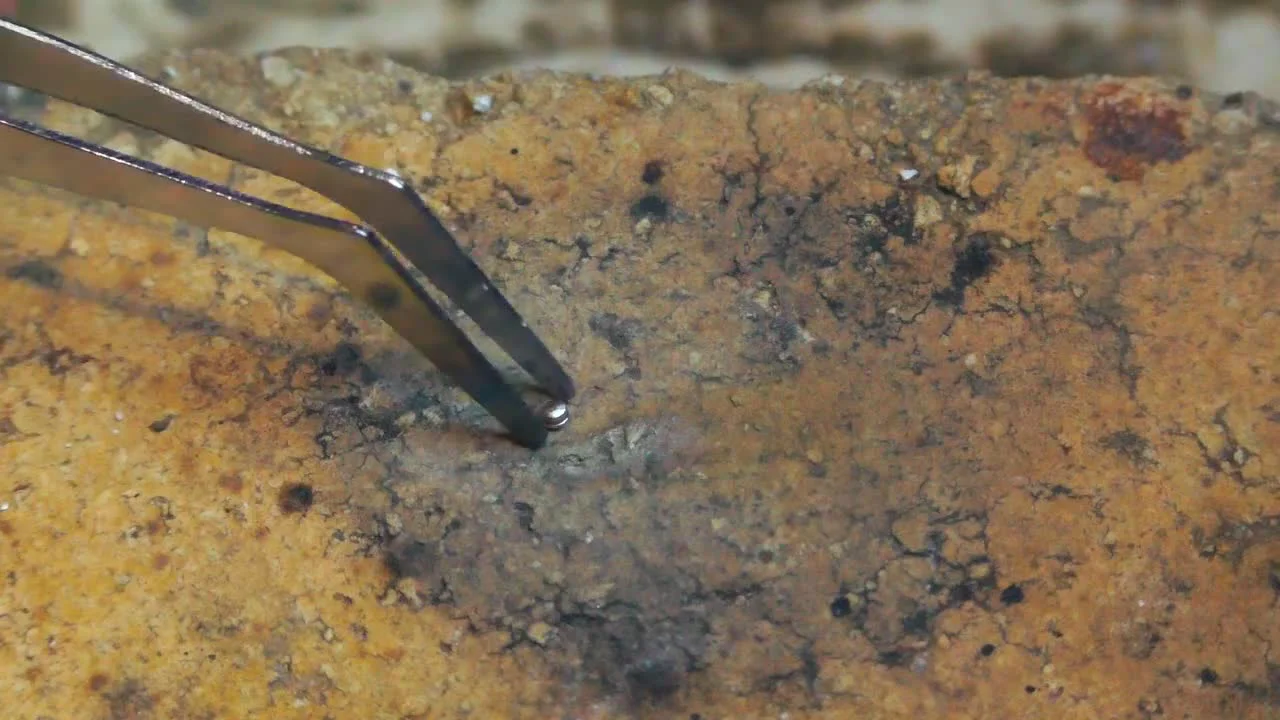
One of the simplest ways to distinguish platinum from silver is by testing their reaction to high heat. This method is based on the significant difference in their melting points. A gas torch is needed to conduct the test.
The essence of the method is to try to melt both contacts. Silver and platinum behave completely differently when heated.
As seen in the table, silver will melt at a temperature easily achievable with a gas torch and will form a small ball. Platinum, however, cannot be melted this way, as the torch cannot generate the necessary temperature. As a result, the platinum contact will retain its original shape, for example, the shape of a rivet.
Method 1: Testing with Melting Point
Method 2: Chemical Test with Nitric Acid
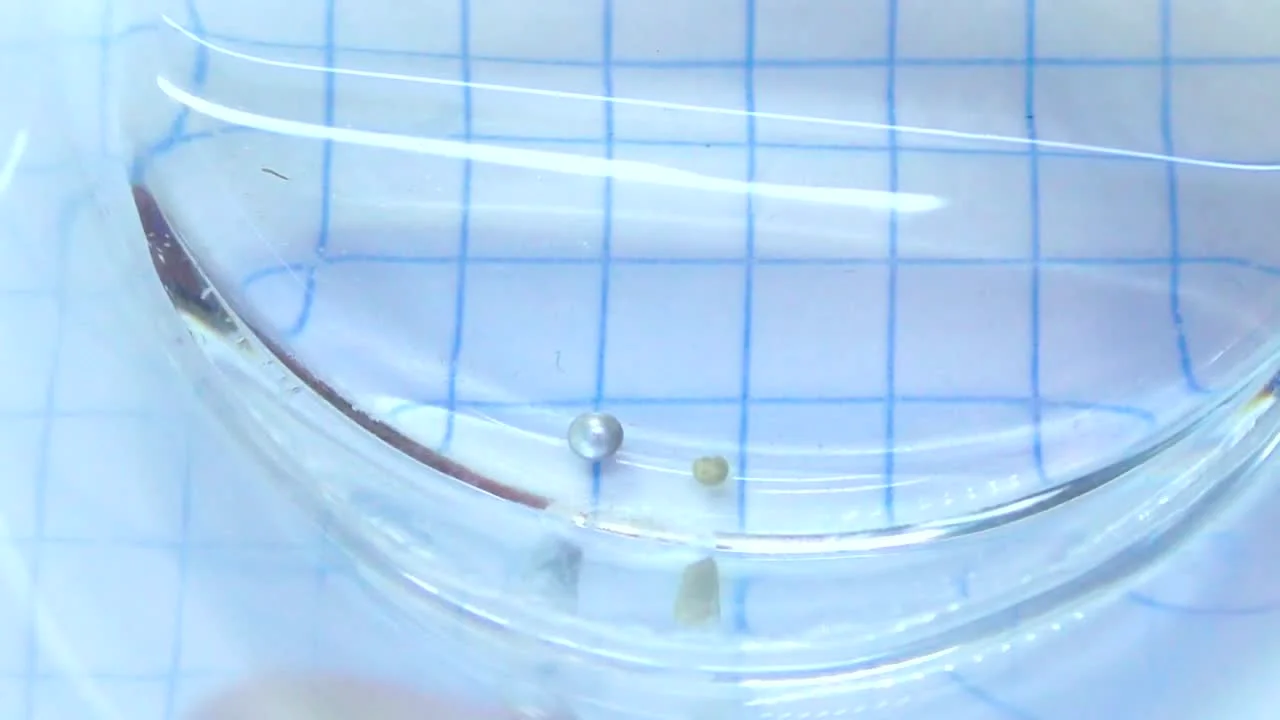
The second identification method is based on the chemical properties of the metals, specifically their reaction with nitric acid (HNO3). For this test, you need to place the samples in a laboratory beaker with a small amount of the acid.
Platinum: Does not react with nitric acid. When a platinum contact is immersed in the acid, nothing happens.
Silver: Actively reacts with nitric acid. A pure silver contact begins to dissolve, darkens over time, and acquires a greenish tint.
A few minutes after the reaction with silver begins, the solution turns a cloudy white. This is due to the formation of silver nitrate. Thus, a lack of reaction indicates platinum, while active dissolution and clouding of the solution indicate silver.