The World of Antiques: From Vintage Items to Priceless Artifacts - AUCBURG | AUCBURG
The World of Antiques: From Vintage Items to Priceless Artifacts
An antique gramophone from the turn of the 19th-20th centuries still works perfectly. Its characteristic crackle of the record allows you to feel the 'taste of time,' unlike the perfectly clean modern recordings. This feeling of touching the past is one of the main values that antique items hold.
An antique gramophone from the turn of the 19th-20th centuries still works perfectly. Its characteristic crackle of the record allows you to feel the 'taste of time,' unlike the perfectly clean modern recordings. This feeling of touching the past is one of the main values that antique items hold.
Antique shops become the last refuge for such items. Objects that could have ended up in a landfill settle on their shelves, preserving a piece of history for new generations. It is a place where one can understand how the antiques market works and by what criteria artifacts are selected.
What Determines the Value of Antiques?
According to Russian standards, an item is considered an antique if it was made more than 50 years ago. However, age is far from the main criterion determining its value. An object can be a century old but be inexpensive if it was mass-produced and many copies have survived to this day.
The true value of an antique item is composed of several key factors. It is their combination that turns an ordinary old thing into an expensive artifact.
Uniqueness
Rarity
Preservation and condition
Artistic value
What determines the value of antiques?
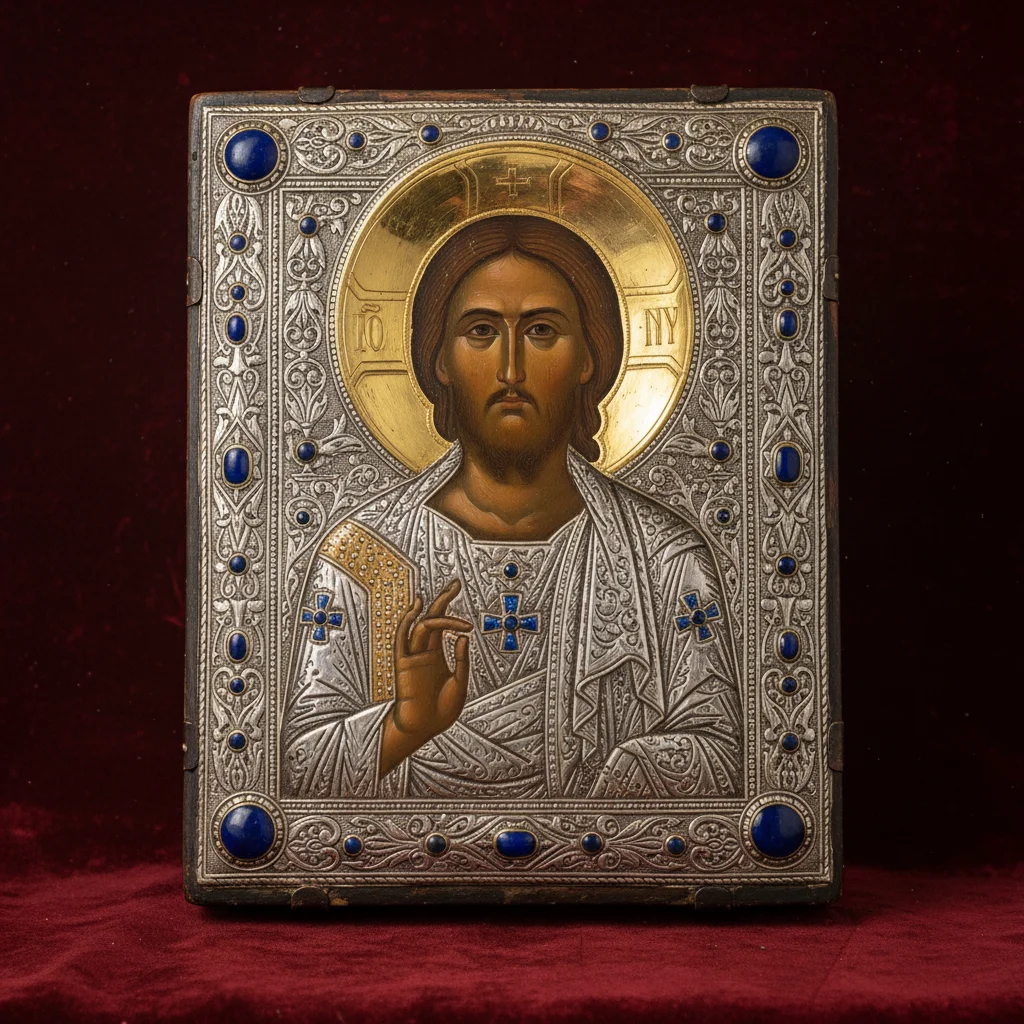
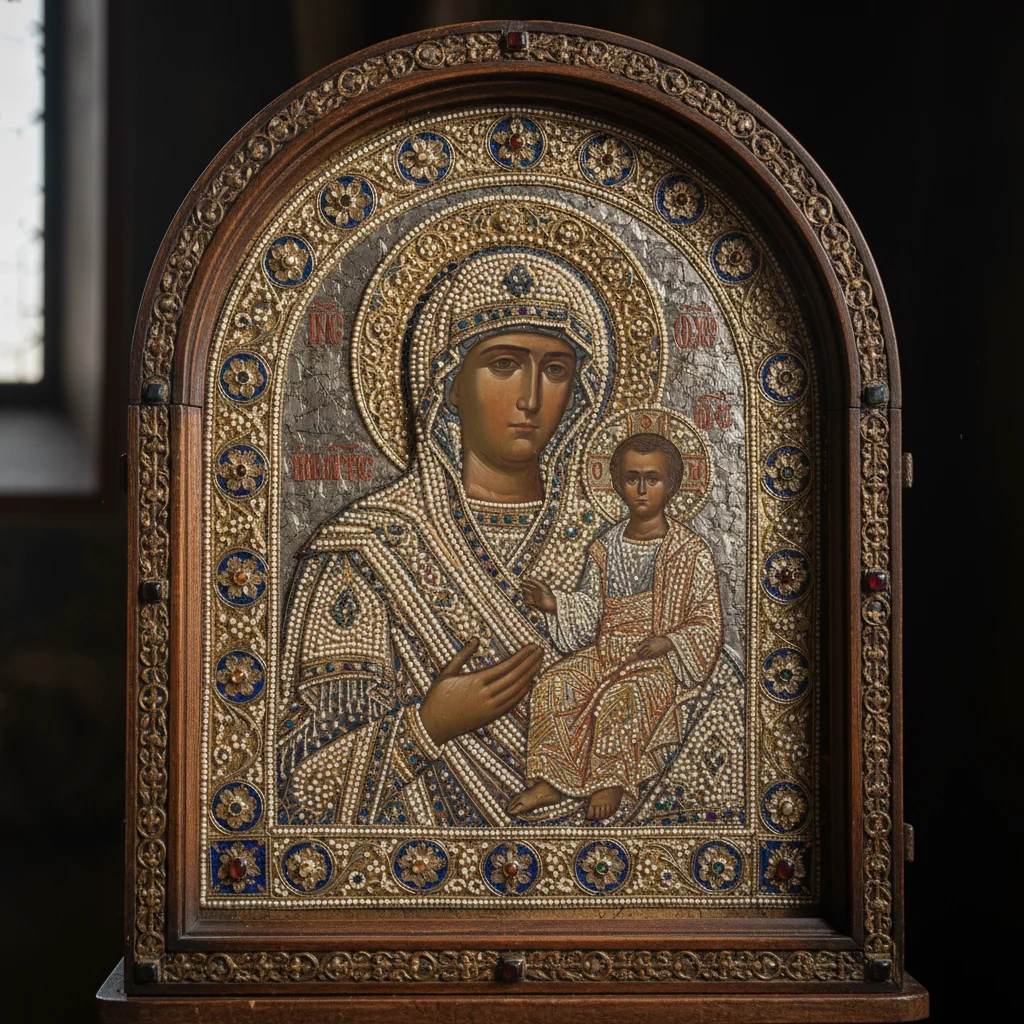
The Tale of Two Icons: Rarity and Craftsmanship
Feature
Valuable Icon
Simple Icon
---
---
---
Oklad (Riza/Cover)
Silver
Cheap brass
Details
Enamel inlays (finift), original halo (venchik)
Only the face and hands are painted
Provenance
Has marks of the master and assayer
No special markings
Signature
Signed by the master (very rare)
Unsigned
Investment Value
Increases in value over time
Will not appreciate
As an example, consider a mid-19th-century icon, whose value can reach tens of thousands of dollars. Its value is determined by specific details, while another, simpler icon from the same period may have no investment appeal. The difference in details is colossal.
The cost of a good and rare icon starts at 100,000 rubles. In addition to technical characteristics, a subjective factor also plays an important role—whether the collector likes the item. It is known that the singer Grigory Leps started his famous collection by trading his car for an icon that amazed him.
The Tale of Two Icons: Rarity and Craftsmanship
Investing in Antiques and the Risk of Forgeries
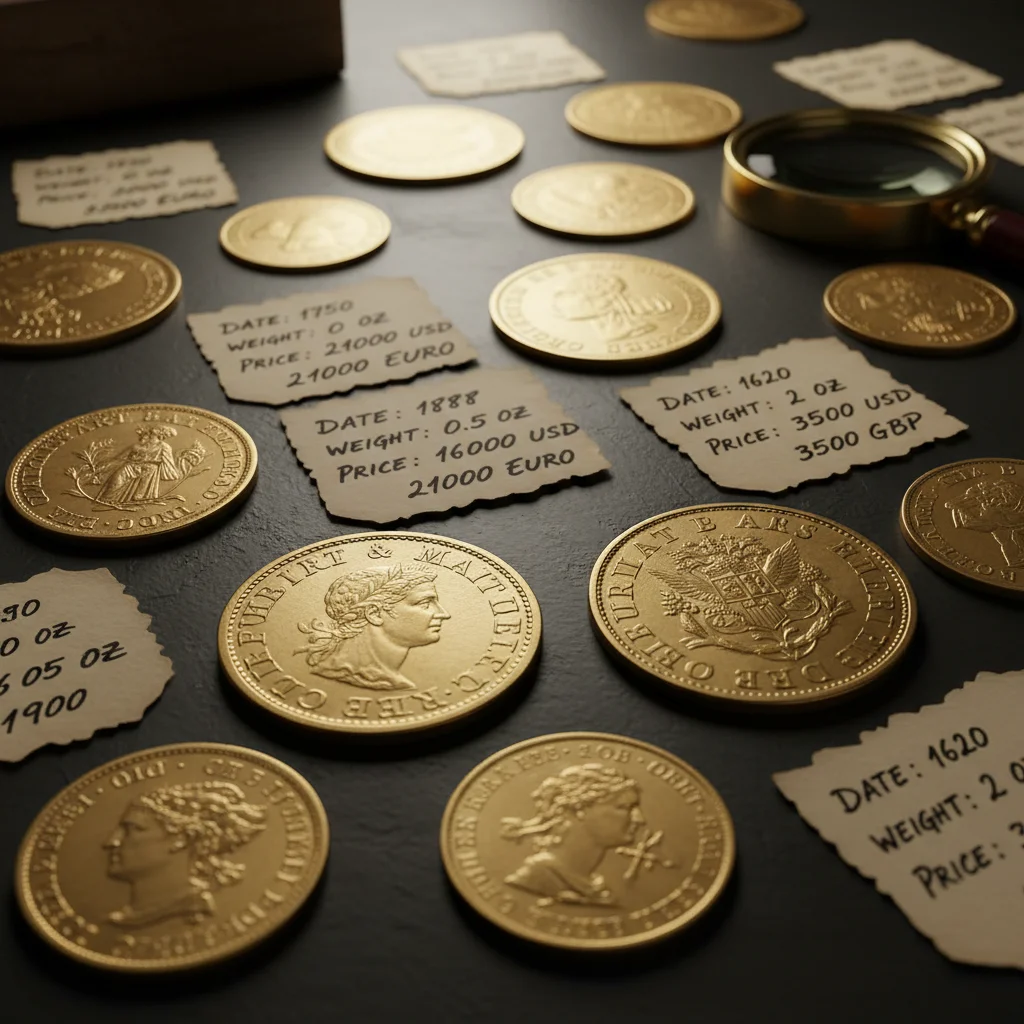
Antiques are considered one of the most reliable areas for investment, but this only applies to expensive and unique items. For example, one investor who put money into ordinary (non-collectible) gold coins from the time of Nicholas II saw a 25% profit after a year. At the same time, inexpensive antiques generally do not appreciate in value.
When investing in antiques, one must be extremely careful, as the market is flooded with high-quality forgeries that are very difficult for a non-specialist to identify. China is the leader in producing such fakes. Recently, counterfeit silver rubles of all types, from the rarest to the most common, have appeared on the Russian market. They are often sold through elderly people with a plausible story about a 'grandfather's inheritance'.
Investing in Antiques and the Risk of Forgeries
Sources of Treasure: Where Artifacts Come From
The search for antiques is a real hunt. In regions like Siberia, with a relatively short history, unique antique items are scarce. Most items are brought from the European part of Russia, where history is richer. Sometimes, items end up in Siberia through unexpected routes, for example, as trophies after World War II.
For instance, a French bronze statue from the mid-19th century, valued at $20,000 and brought from Germany, turned up in one of the shops. There are even more surprising stories: a rosewood armchair with a gold-embroidered monogram belonging to the famous Krasnoyarsk gold industrialist Pyotr Kuznetsov was found in a dump, where it had been thrown out by a local club.
Sometimes, treasures are found literally underfoot. In the Yemelyanovsky district, a hoard from the Civil War era was discovered—about 500 silver coins hidden in the hollow of an old post. These coins, having lain in the ground for almost a hundred years, remained in perfect condition.