The 1924 Silver Ruble: How to Identify a High-Quality Counterfeit - AUCBURG | AUCBURG
The 1924 Silver Ruble: How to Identify a High-Quality Counterfeit
The 1924 silver ruble is considered one of the most beautiful large coins of the Soviet period. Its design is a prime example of the visual propaganda of that time: the obverse depicts a worker pointing out the rising sun over a factory to a peasant. This scene symbolizes the bright future of the young Soviet state.
The 1924 silver ruble is considered one of the most beautiful large coins of the Soviet period. Its design is a prime example of the visual propaganda of that time: the obverse depicts a worker pointing out the rising sun over a factory to a peasant. This scene symbolizes the bright future of the young Soviet state.
These coins hold significant historical importance. They were the first rubles issued with the USSR coat of arms, replacing the coins of the RSFSR. Furthermore, they were the last large silver coins minted in the Land of the Soviets.
Comparing the Counterfeit and the Original
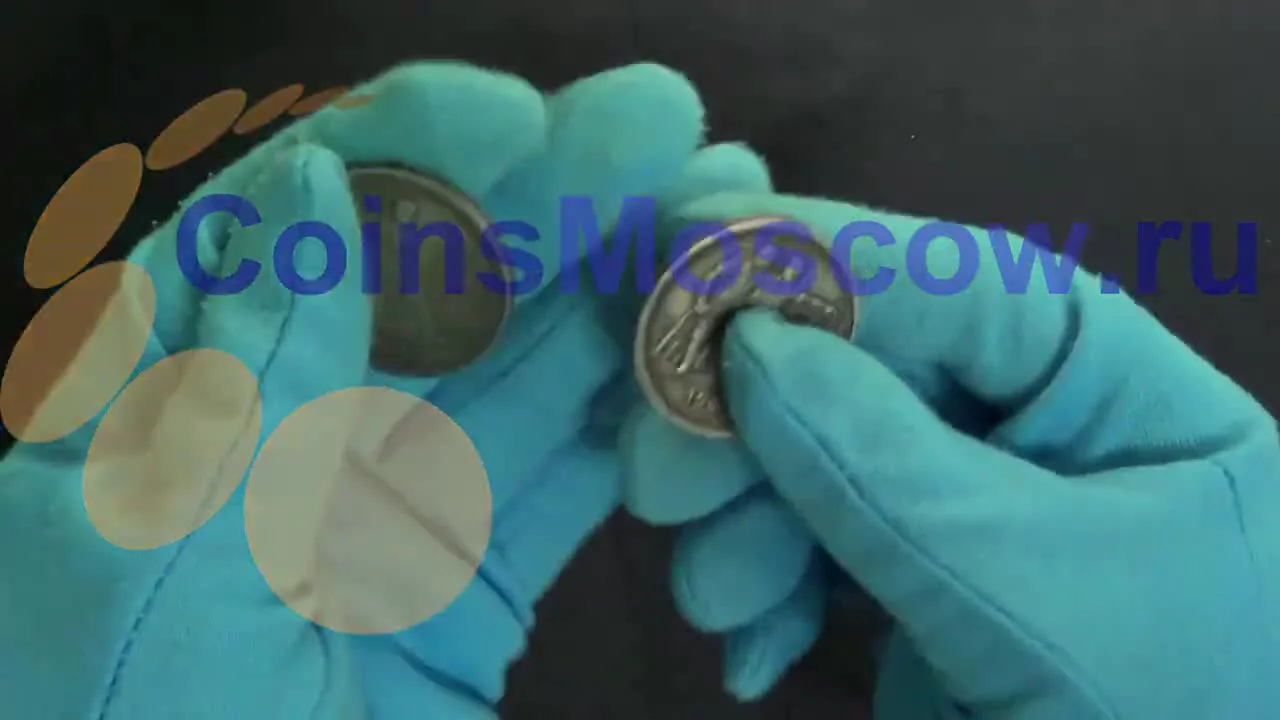
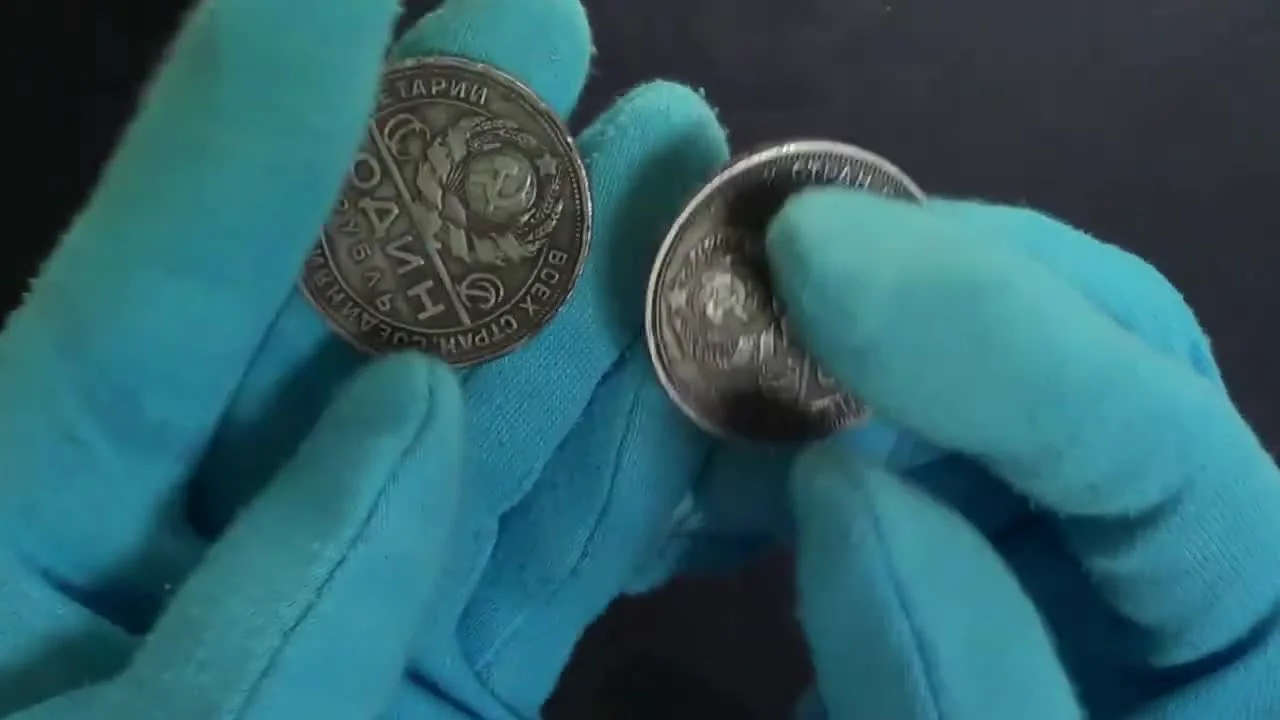
When comparing two examples of the 1924 ruble, it turns out that one of them is a counterfeit. It is a Chinese copy made specifically to deceive collectors. Despite its high-quality execution, it can be distinguished from the original by a number of features.
On the reverse of both coins, the 'dvuostye' (double-awned) variety can be identified. It is characterized by the presence of awns of wheat extending over the fold of the ribbon encircling the globe. However, even with the similarity of the main elements, a detailed inspection reveals differences, especially on the edge, where the counterfeit has defects in the inscription.
Comparison of the counterfeit and the original
The Main Sign of a Counterfeit — The Rare 'Ship' (Spike) Variety
The main feature that gives away the counterfeit is the presence of a rare die error known as the 'ship' (spike). This defect is located on the image of the agricultural tool in the peasant's hands, which was used for planting potatoes.
On the counterfeit coin, one of the bars of this tool is doubled, forming the so-called 'ship' (spike). Ironically, the counterfeiters copied a rather rare and valuable variety for collectors, which became the main sign of the forgery. A genuine coin with such a 'ship' is uncommon, so its appearance should raise particular suspicion.
The main sign of a counterfeit — the rare 'Ship' (Spike) variety
Additional Signs: Weight and Corrosion
Parameter
Original
Counterfeit
---
---
---
Standard weight
20 g
-
Actual weight
20.08 g
15.60 g
Pure silver content
18 g
None
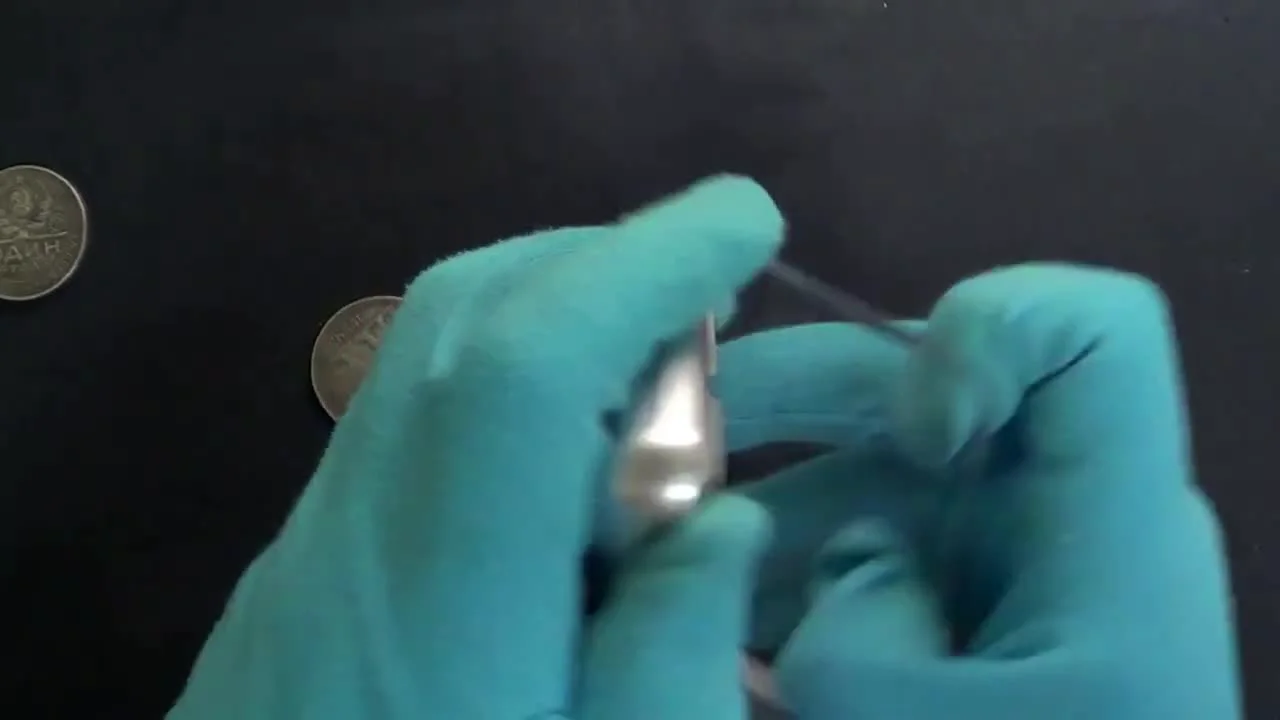
Besides the 'ship' (spike), there are several other ways to determine the coin's authenticity. The most important of these is weighing it.
As seen in the table, the counterfeit is significantly lighter than the original. This is because it is made not of silver, but of another, lighter metal. This is also indicated by small rust spots on the surface of the counterfeit, as silver is not susceptible to such corrosion.
The presence of burrs and irregularities on the edge of the counterfeit.
The font on the edge does not match the original upon close inspection.