The Secrets of Masonic Orders: A Collector's Guide - AUCBURG | AUCBURG
The Secrets of Masonic Orders: A Collector's Guide
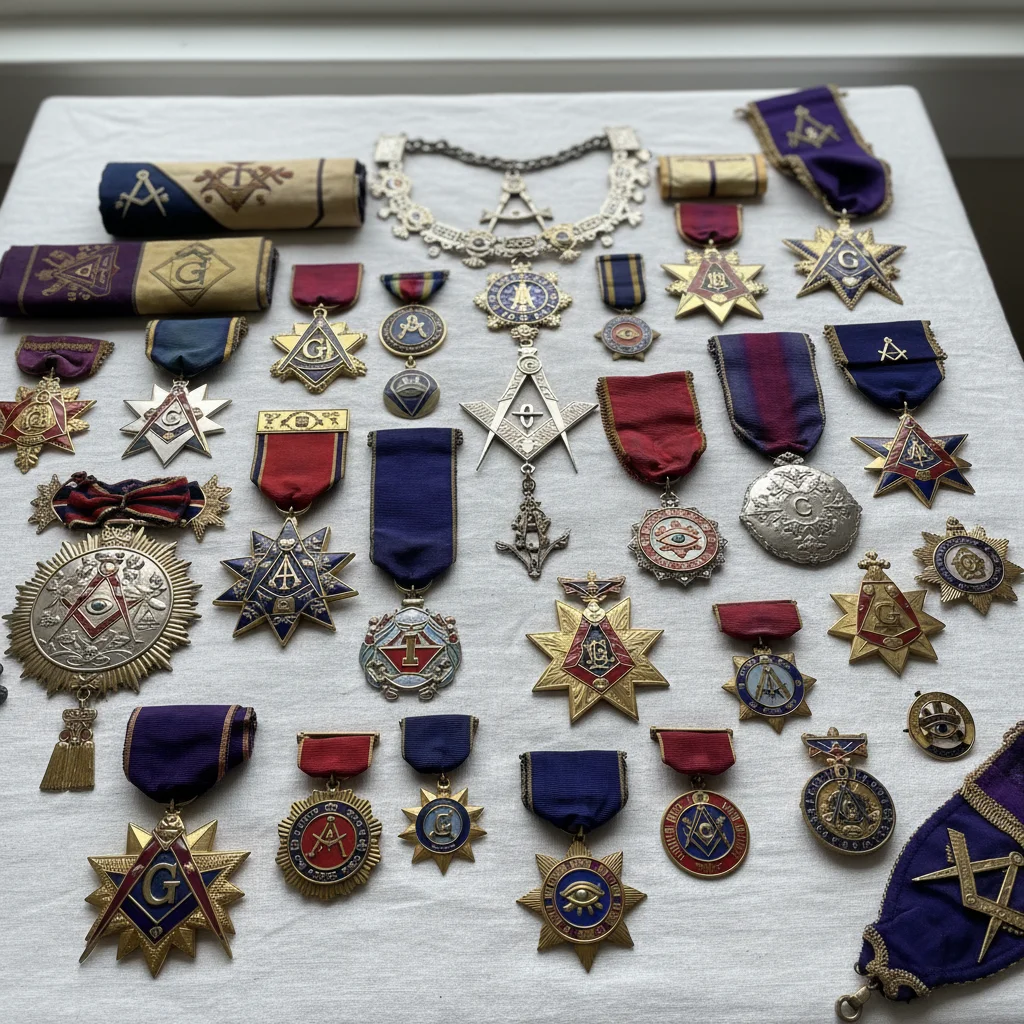
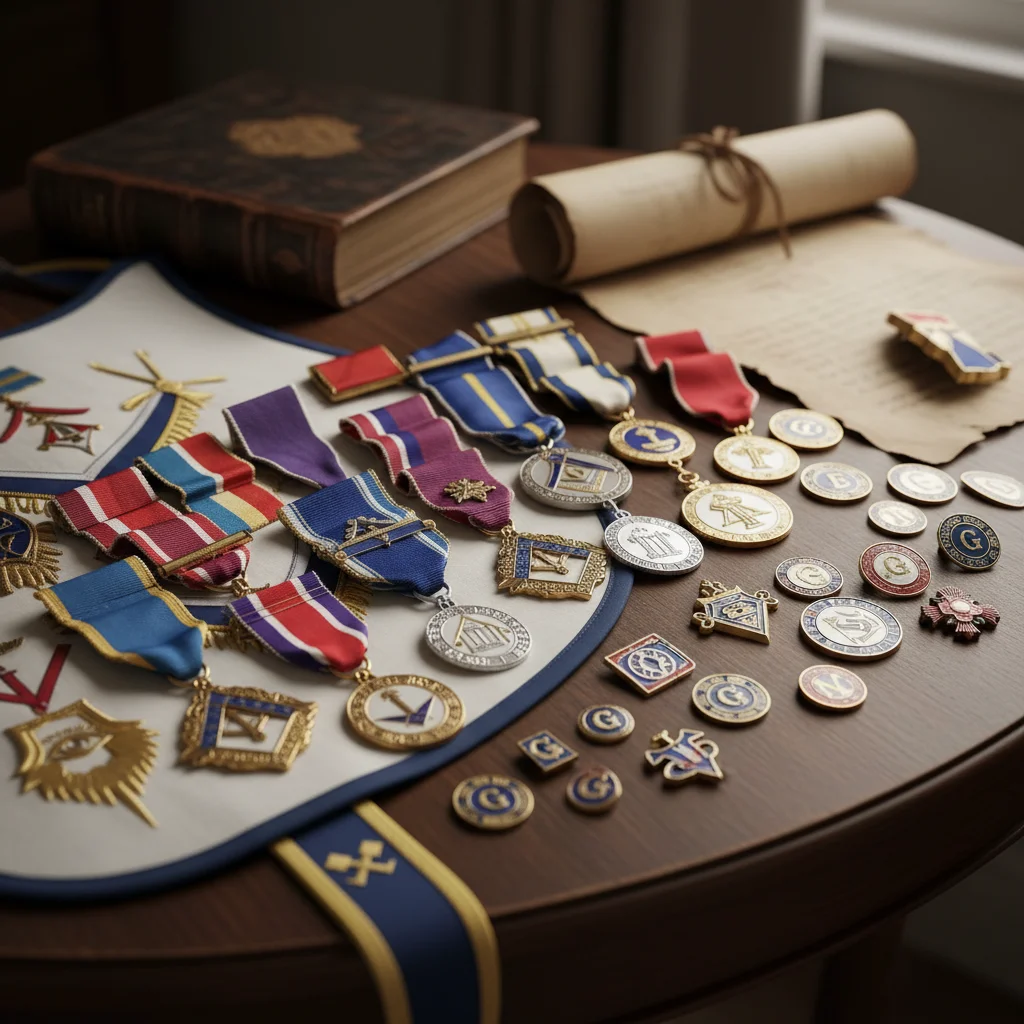
Freemasonry, or the movement of free masons, is shrouded in numerous secrets, making its paraphernalia particularly appealing to collectors and investors. The primary interest lies in the signs and orders, which are not only collectible items but also potential objects for investment.
Introduction to the World of Masonic Paraphernalia
Freemasonry, or the movement of free masons, is shrouded in numerous secrets, making its paraphernalia particularly appealing to collectors and investors. The primary interest lies in the signs and orders, which are not only collectible items but also potential objects for investment.
The history of this movement dates back to the early 18th century. Around 1710–1715, an organization emerged in England that later spread throughout the world, including America and Russia. There are many theories and debates surrounding Freemasonry, including its influence on politics and culture, but for a collector, the material aspect is what matters most—their unique insignia.
Structure and Principles of the Organization
The Masonic organization is a kind of 'state within a state' with a clear structure. The basic structural unit is the lodge. At the head of the hierarchy in a particular city or country is the Grand Lodge, to which all others are subordinate.
The movement's origins are linked to the guilds of free masons who carried out construction contracts. The principles of their work formed the basis of the organization: equality and brotherhood. The distribution of earned funds was either equal or based on each individual's labor contribution, which prevented internal strife. These principles became the foundation for the charter and rules of Masonic lodges.
Structure and principles of the organization
Hierarchy Within the Lodge
Degree
Description
Apprentice
The initial degree of initiation into Freemasonry.
Fellow Craft
The second degree, the next stage after Apprentice.
Master Mason
The highest rank, vested with supervisory and oversight functions.
Within Masonic lodges, there is a strict gradation and hierarchy that reflects a member's journey through the organization. This system includes several main degrees of initiation, as well as a number of offices responsible for various aspects of lodge life.
In addition to the main degrees, there are also functional roles within the lodge. For example, treasurers are responsible for finances, and special musicians provide musical accompaniment for rituals. There are also 'watchers' who perform supervisory and oversight functions. This complex system ensures the lodge functions as a self-sufficient microcosm.
Hierarchy within the lodge
Value and Attribution of Masonic Orders
Masonic phaleristics is a closed and complex topic. Unlike state awards, Masonic orders do not have clearly defined statutes explaining for what merits a particular sign is awarded. The interpretation of symbols depends on the inner world and degree of initiation of the lodge member, changing over time.
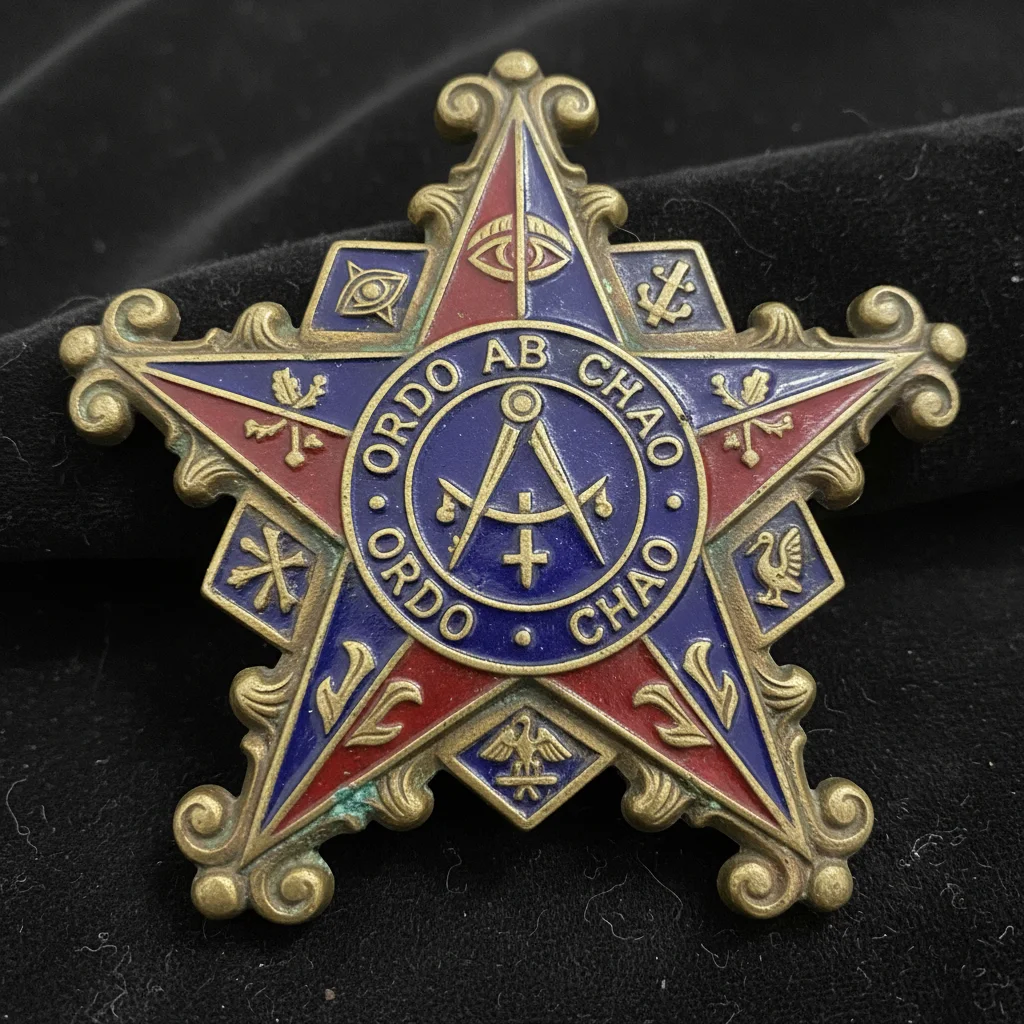
Most antique orders, especially those from before the 1960s, are made of precious metals: silver, gilded silver, or gold, often using precious and semi-precious stones. These are items of fine jewelry work, custom-made. Each such sign reflects the historical period and the personal fate of its owner, which gives it special value.
Value and attribution of Masonic orders
Main Categories of Masonic Insignia
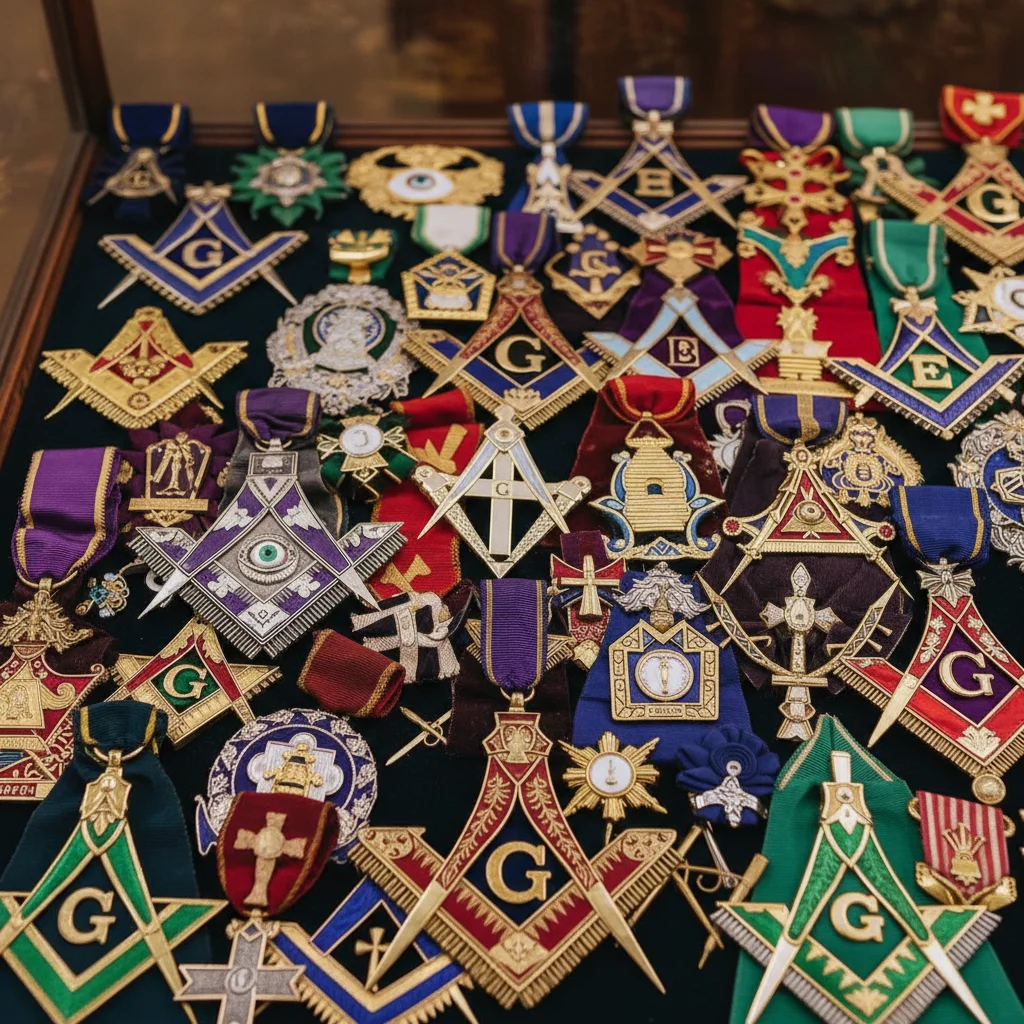
Despite the lack of a strict classification, Masonic orders can be conditionally divided into several main groups according to their purpose and affiliation.
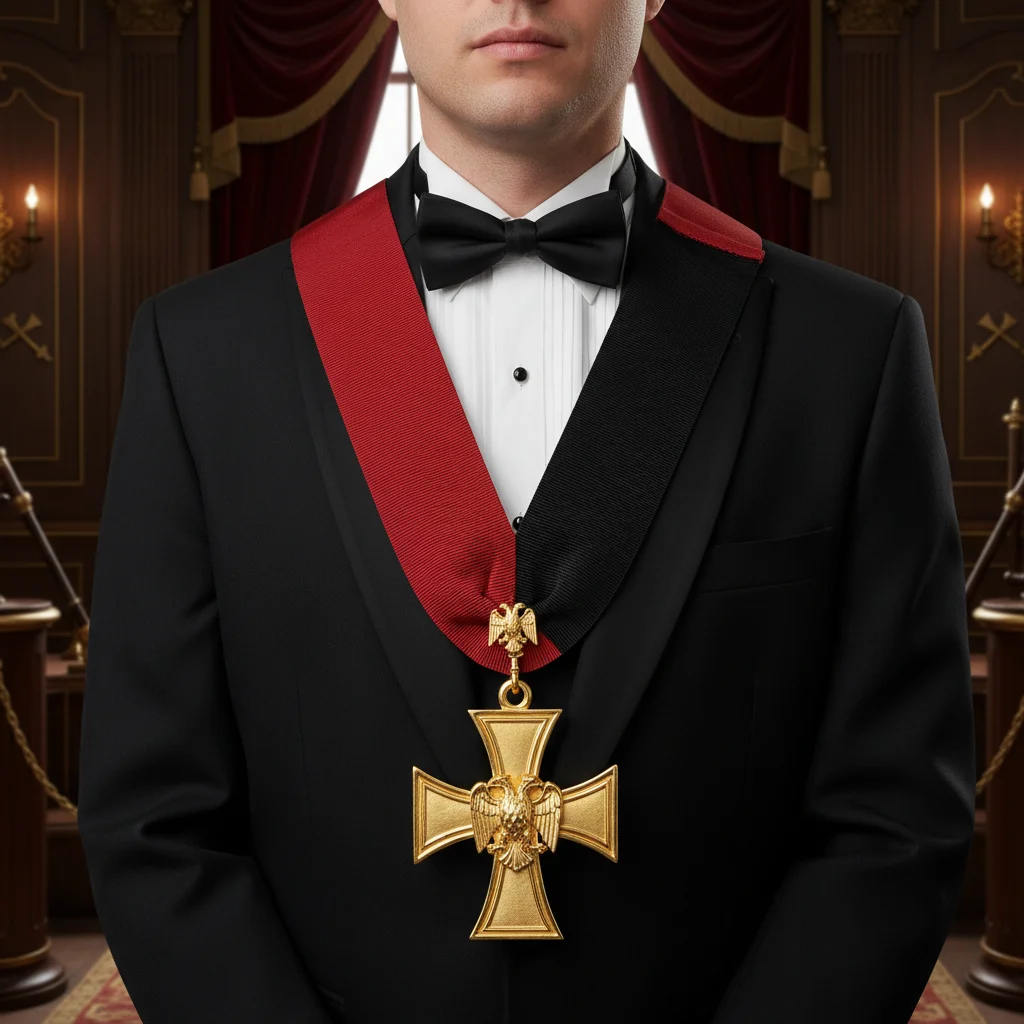
Royal Arch. Awards intended for members of higher lodges and high-ranking officials of the organization.
Founder's Orders. Insignia awarded to those who have founded a new lodge.
Master Mason's Orders. The broadest and most common category of awards.
Charitable Institutions. Insignia of organizations not directly Masonic but working with them (e.g., charitable foundations, schools).
Anniversary Awards. Insignia issued for specific dates, such as the anniversary of a lodge's founding.
Secret Monitor Insignia. Orders for members with special supervisory functions.
Craft Masonry. Awards related to professional guilds.
Main categories of Masonic insignia
Examples from Collections and Their Features
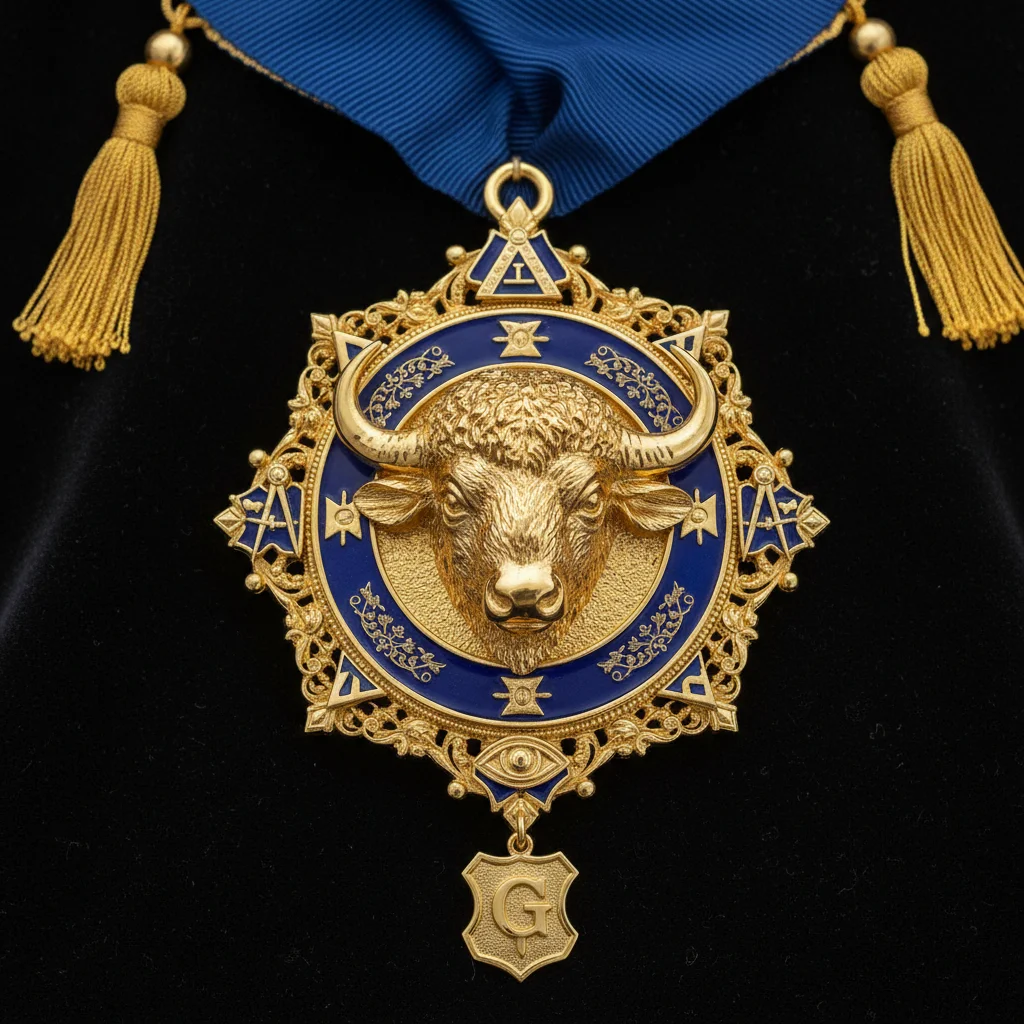
Among Masonic awards, there are both widespread and unique specimens. One of the most common is the order of the Buffalo Lodge. These insignia exist in various designs, often reflecting the owner's social status: a regular member might receive a silver order, while a count could commission the same one in gold with precious stones.
Another interesting example is the 'Most Excellent Zerubbabel' orders. Zerubbabel was the head of the Jewish community in Babylon who rebuilt King Solomon's temple. Orders were issued in his honor, which could also be made of silver or gold. The reverse side of such insignia often features an engraving indicating the merits and identity of the recipient.
Examples from collections and their features
Identification and Sources of Information
Identifying Masonic orders is a difficult task due to the secretive nature of the subject and the lack of unified catalogs. Information is fragmented and must be gathered piece by piece. Nevertheless, there are specialized publications that can help the collector.
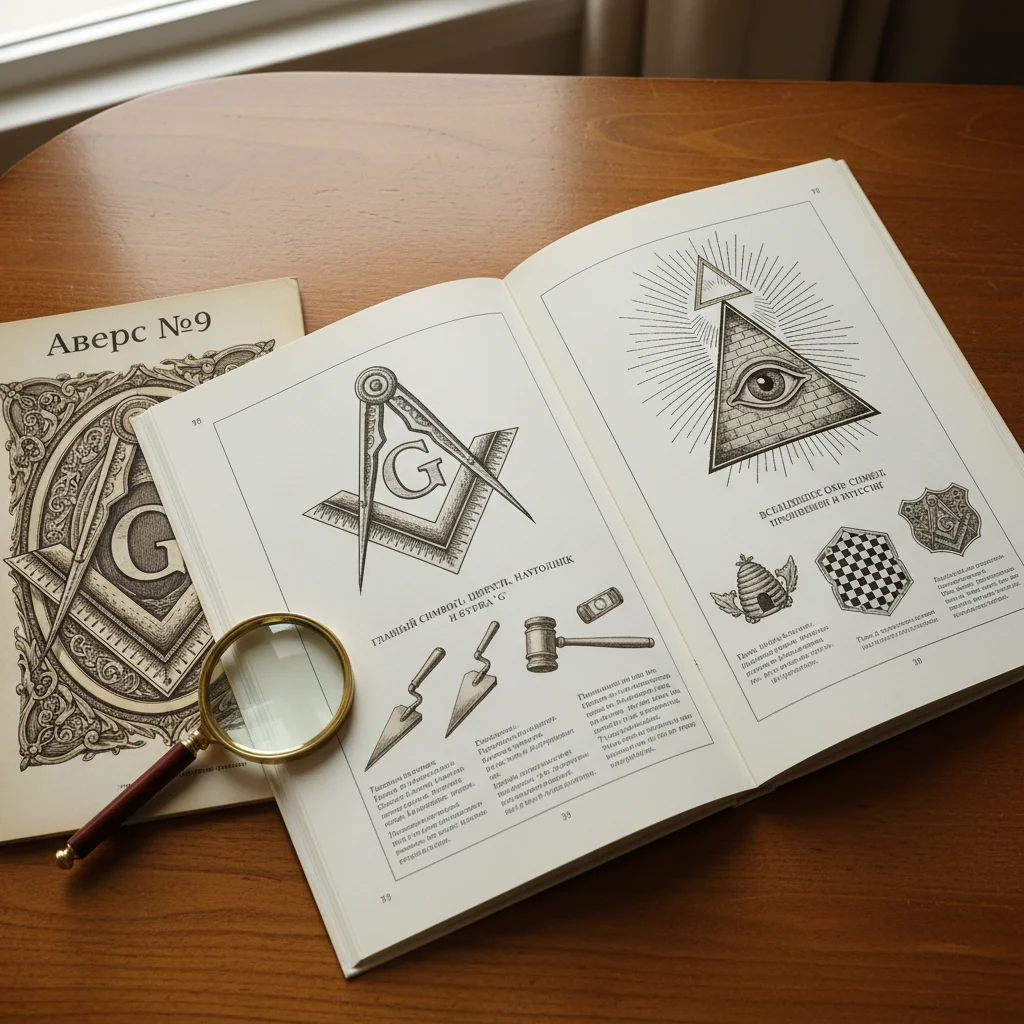
One such source is the 'Avers No. 9' catalog, which represents one of the first serious attempts to systematize knowledge about Masonic phaleristics. It describes a significant portion of the insignia, allowing for the identification of many items from collections. There are also specialized websites where enthusiasts collect and publish information about Masonic awards.