Gold 5 Rubles: Expert Analysis of Counterfeits and Originals - AUCBURG | AUCBURG
Gold 5 Rubles: Expert Analysis of Counterfeits and Originals
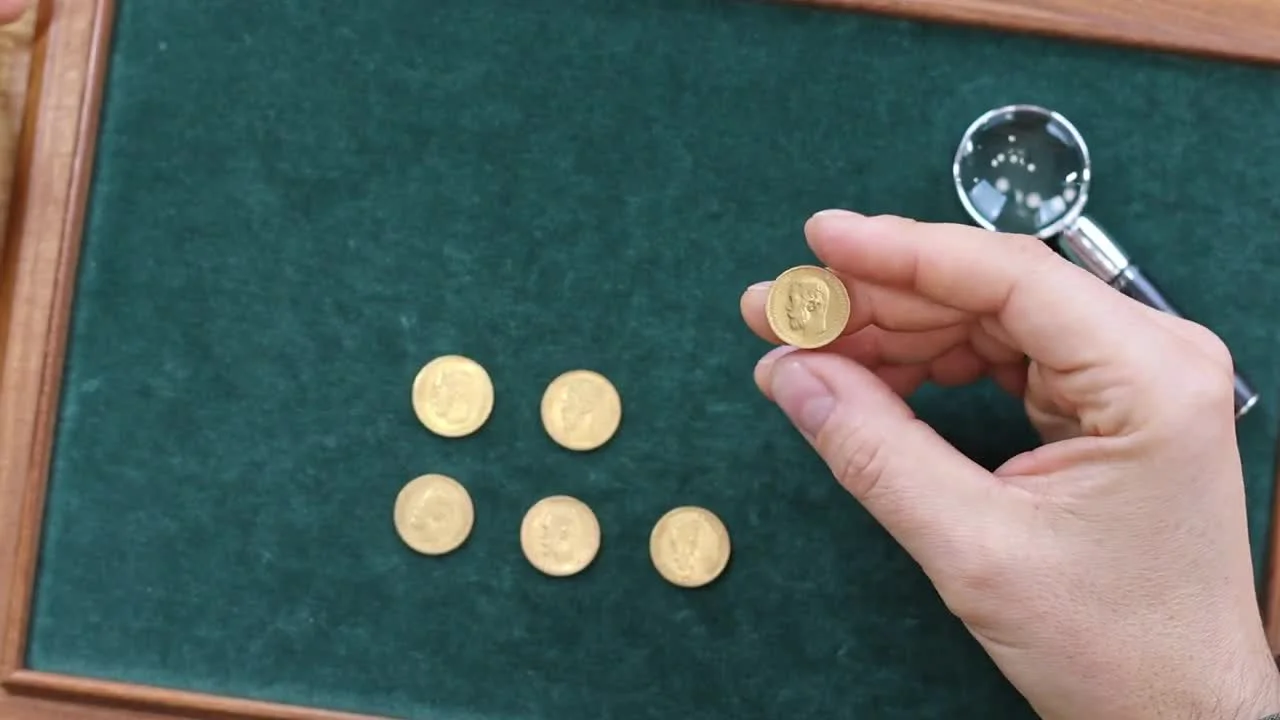
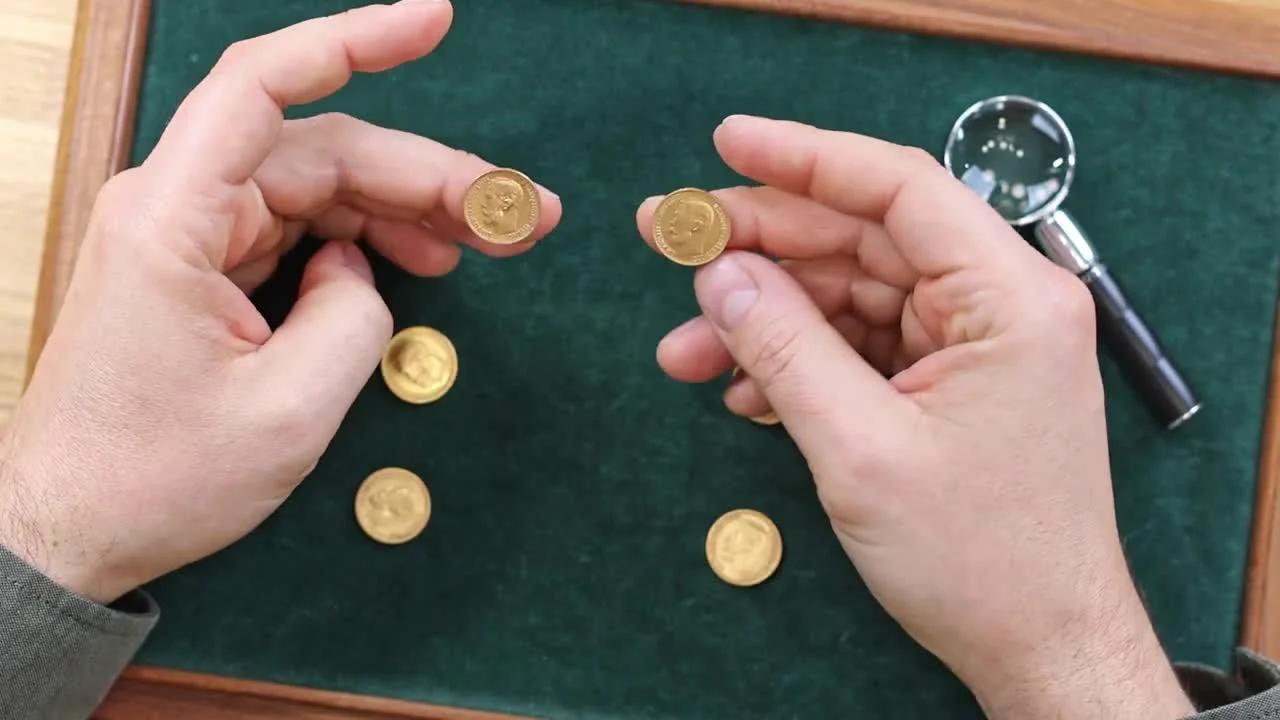
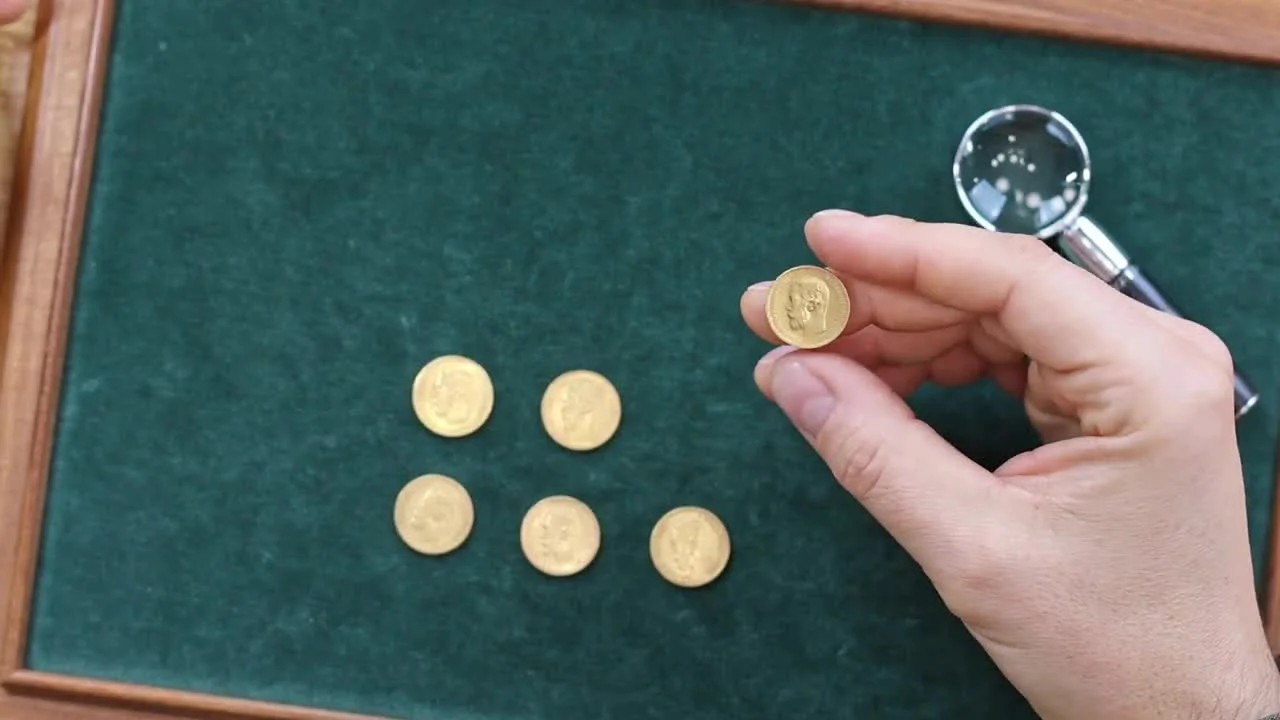
Three types of counterfeit 5-ruble gold coins, produced in different workshops, were selected for examination. Each counterfeit is compared with an authentic coin from the same year of issue. A total of six coins were prepared for the analysis: three fakes and three originals.
Three types of counterfeit 5-ruble gold coins, produced in different workshops, were selected for examination. Each counterfeit is compared with an authentic coin from the same year of issue. A total of six coins were prepared for the analysis: three fakes and three originals.
Before proceeding with the comparison, it is important to know the standard physical parameters of the original 5-ruble coin.
These characteristics form the basis for the initial authenticity check of any coin of this type.
Counterfeit #1: 5 Rubles 1897
The first counterfeit examined is a 5 Rubles from 1897. This specimen is the easiest to recognize due to several obvious differences from the original.
Color: The coin has a noticeably lighter, more yellowish hue compared to the original.
Weight: The mass is 4.27 g, which is within the acceptable margin of error and cannot be the sole proof of forgery.
Diameter: The diameter of the fake is approximately 1 mm larger than that of the authentic coin.
An increased diameter with a weight close to the standard directly indicates that gold of a lower fineness was used to make the coin. This change in physical parameters is one of the main signs of this counterfeit.
Counterfeit #1: 5 Rubles 1897
Counterfeit #2: 5 Rubles 1898
The second forgery is a 5-ruble coin from 1898. Unlike the previous specimen, its color is very close to the original, which complicates visual identification.
Weight: The coin weighs 4.15 g, which is significantly below the standard and is clear evidence of forgery.
Design: The image detail is inferior to the original; the relief appears somewhat 'crude' and less sharp.
Edge: The pattern on the edge is poorly and crudely executed, which also reveals it as a counterfeit.
The primary method for identifying this fake is to check its weight, which immediately indicates a deviation from the standard.
Counterfeit #2: 5 Rubles 1898
An Almost Perfect Counterfeit: 5 Rubles 1898
The third specimen is the most difficult to recognize, as its physical parameters are almost identical to the original. The coin's weight is 4.25-4.26 g, and its diameter and thickness meet the standard. The gold fineness in this counterfeit is likely close to 900.
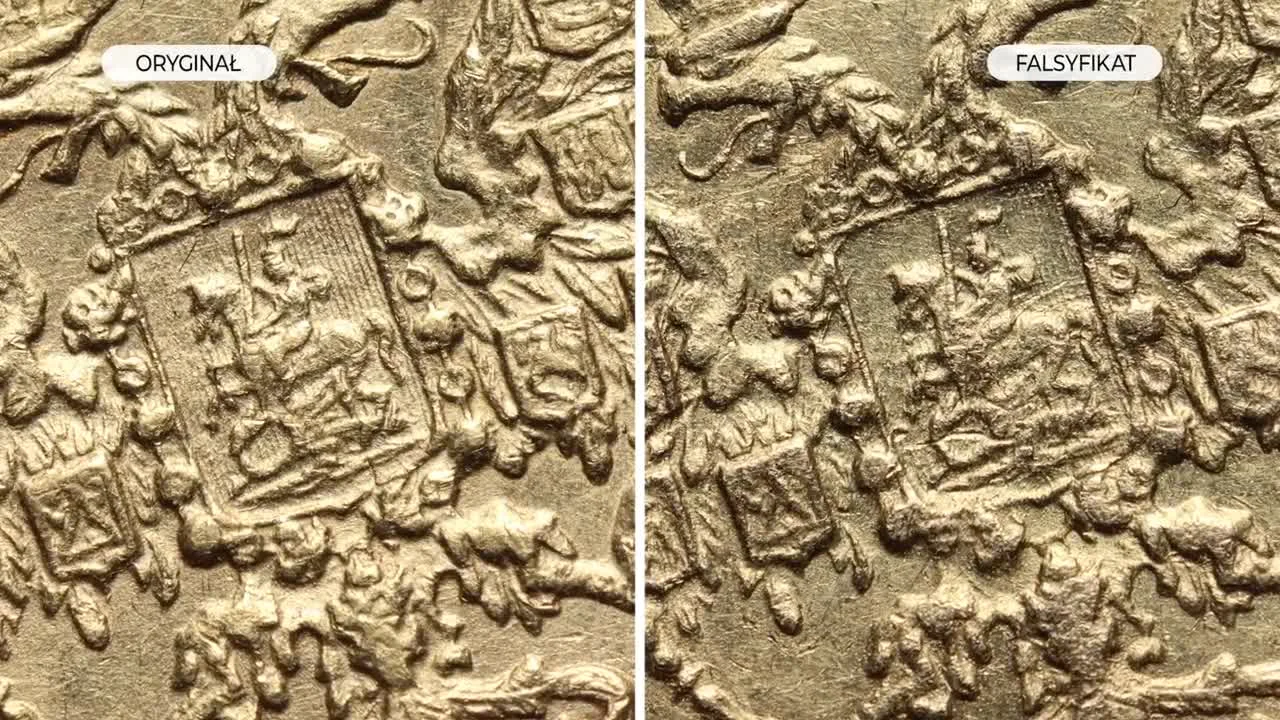
Strike Depth: The fake coin was struck with a slightly flatter die. The letters and design elements have a lower relief height.
Coat of Arms Details: On the reverse, in the central shield depicting St. George, the background of the original coin is covered with clear vertical lines. On the counterfeit, these lines are either absent from most of the field or are faintly defined.
Edge: Although the pattern is well-executed, its style differs from the original. It appears coarser, and the edge itself has a slightly convex, rounded shape.
These minor details require careful examination to distinguish a high-quality counterfeit from an original.
An Almost Perfect Counterfeit: 5 Rubles 1898
The Counterfeiters' Motives: Why Fake Gold with Gold?
The question arises: what is the point of counterfeiting gold coins using gold of the same or similar fineness? In the case of lower-quality fakes, the profit comes from saving on the precious metal by reducing its fineness.
However, the motive for high-quality counterfeits was different. For many years, 5-ruble coins had a very high collector's premium, which could reach 30-40% above the value of the gold they contained. Counterfeiters profited from this very difference.
By creating a coin with the correct physical parameters (weight, fineness, size), they sold it at the collector's price, profiting from the premium. A similar scheme was used for counterfeiting other popular gold coins, such as the American 20-dollar pieces.
The Counterfeiters' Motives: Why Fake Gold with Gold?
Further Examination for Precise Composition Analysis
Although visual inspection and weighing can detect most counterfeits, a laboratory analysis is required to obtain precise data on the metal's composition. It was decided to send all the counterfeit coins under study—both the 5-ruble and the 10-ruble coins from previous research—to an assay office.
Specialists will conduct a precise analysis of the gold content in each specimen. This will allow for the final confirmation or refutation of assumptions about the fineness of the metal used by the counterfeiters.
The results of this examination will provide comprehensive information about the technologies and materials used to create these skillful forgeries.
Further Examination for Precise Composition Analysis