The Psychology of Fakes: How Not to Become a Victim in the Antiques Market - AUCBURG | AUCBURG
The Psychology of Fakes: How Not to Become a Victim in the Antiques Market
The antiques market attracts many, but it is filled not only with genuine treasures but also with skillful forgeries. Understanding the psychology of sellers and buyers of fakes is the key to avoiding deception. There are different types of scammers, and each uses their own methods to mislead.
The antiques market attracts many, but it is filled not only with genuine treasures but also with skillful forgeries. Understanding the psychology of sellers and buyers of fakes is the key to avoiding deception. There are different types of scammers, and each uses their own methods to mislead.
Buyers, in turn, often fall victim due to their own psychological traits: the desire for quick enrichment, a lack of knowledge, or a tendency to believe beautiful stories. It is important to learn to recognize both questionable items and the manipulative tactics of sellers.
Professional psychologists and antiques experts identify several key behavioral patterns on the part of both sellers and buyers. Knowing these patterns helps to maintain a cool head and make informed decisions when purchasing valuable items.
Two Types of Forgery Sellers: Aggressors and the 'Naive'
Seller's Psychotype
Characteristic Traits and Tactics
Aggressive
- Emotional pressure and creating a sense of urgency. - Questions that undermine the buyer's confidence. - Demonstration of superiority and disdain. - Often work with shills to simulate demand.
'Naive'
- Feigning ignorance of the item's real value. - Creating a fictional story (provenance). - Appealing to the buyer's emotions and desire to find a treasure. - A calm and convincing narrative style.
In the market for fake antiques, two main seller psychotypes can be distinguished. Each uses their own strategy to deceive the buyer. The first type is the aggressive seller, the second is the 'naive' one, and both are dangerous for an unprepared person.
The aggressive seller exerts strong emotional pressure. They rush the decision-making process, creating an illusion of urgency and high demand for the item. Such sellers often ask questions that challenge the buyer's competence, for example: 'Who do you think you are?'. The goal is to make the buyer feel guilty or awkward, so they agree to the deal more quickly.
The second type, the 'naive' seller, operates differently. They pretend to be uninformed, telling a touching story about the item's origin. The classic legend is 'found it in grandma's attic' or 'inherited from noble ancestors.' These stories create a false provenance and appeal to the buyer's emotions, making them believe in the uniqueness of the find.
Two Types of Forgery Sellers: Aggressors and the 'Naive'
The Power of a Story: How Fictional Provenance Affects the Buyer
One of the most powerful tools in a scammer's arsenal is the creation of a convincing legend, or provenance. The story of an item, even a fictional one, can significantly increase its value in the buyer's eyes and switch off their critical thinking.
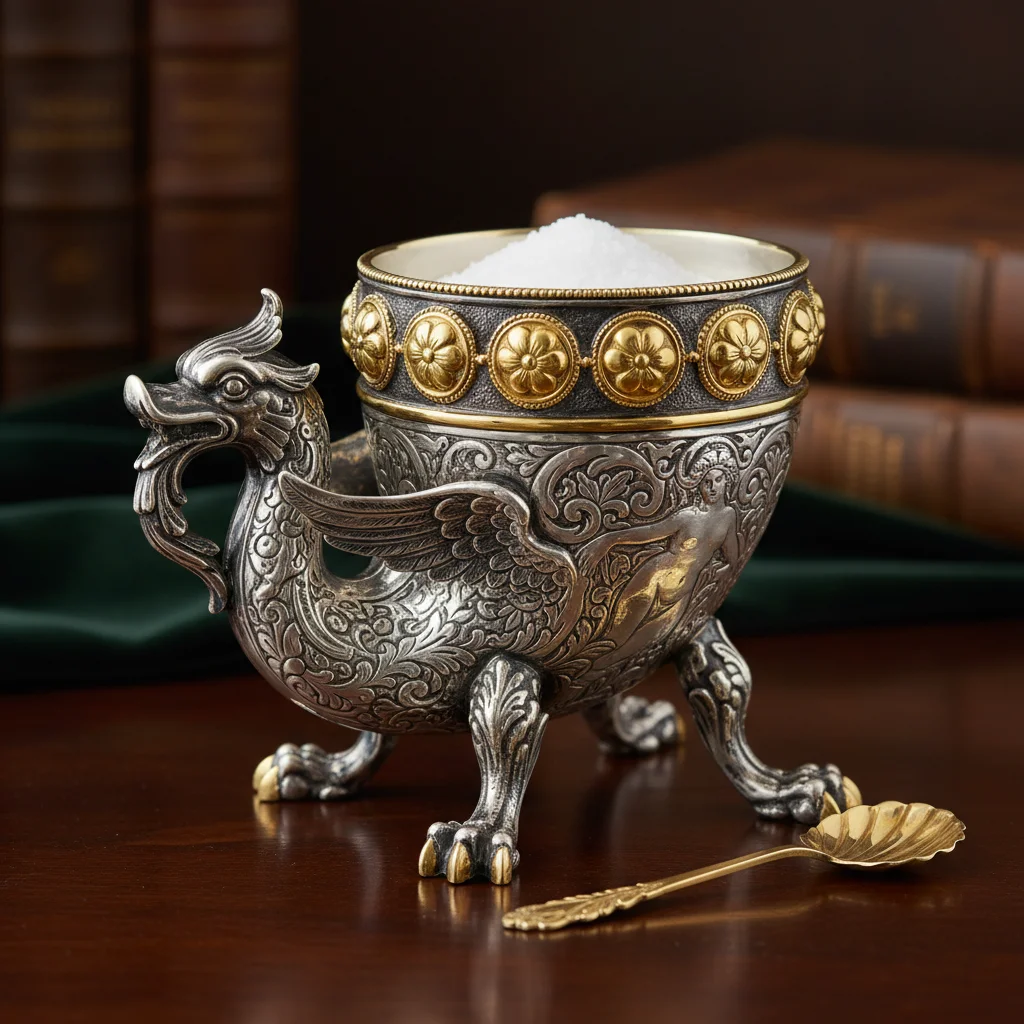
An example is the story of a supposed Fabergé salt cellar sale. The seller claimed that his great-grandfather was the illegitimate son of Nicholas II, and the salt cellar was his inheritance. This legend, supported by old photographs, created the illusion of a connection to the royal family, making the item particularly desirable.
A buyer, captivated by such a story, begins to believe in their luck. They are no longer just buying an object, but becoming the owner of a piece of great history. This emotional aspect often outweighs any doubts about authenticity, and the person is willing to pay a lot of money for a fake.
Scammers know that people want to believe in miracles. Therefore, they spend a lot of time working out the details of the legend. A story about how an item was saved during the revolution or belonged to a famous person is a classic trick that still works successfully in the antiques market.
The Power of a Story: How Fictional Provenance Affects the Buyer
The Buyer's Psychology: Why Do We Believe in Fakes?
People buy fakes for several key psychological reasons. One of the main ones is the thirst for profit and the thrill of the gamble. The possibility of buying an item for a pittance that is actually worth millions clouds judgment and makes them ignore obvious signs of deception.
Another important factor is a lack of knowledge and experience. Newcomers to the antiques market often don't know what to look for when evaluating an item. They don't understand hallmarks, materials, or manufacturing techniques, which makes them easy prey for scammers.
Emotional attachment to an item's story also plays a huge role. When a buyer hears a captivating legend, they want to believe it. This desire is so strong that they start looking for confirmation of authenticity themselves, ignoring any inconsistencies.
In essence, the buyer becomes an accomplice in their own deception. They don't want to destroy the beautiful fairy tale they've come to believe. This state is akin to a dopamine addiction, like that of gamblers who get pleasure from the process of treasure hunting itself.
The Buyer's Psychology: Why Do We Believe in Fakes?
Technical Details of Deception: How to Spot Fake Hallmarks
Term
Description
Hallmark
An official mark stamped on an item to confirm the metal's purity, the manufacturer, or the period of production.
Maker's Mark
A personal mark of the master craftsman or the manufacturing firm.
Provenance
The history of an item's origin and ownership, which confirms its authenticity.
Fuflo (Slang for Fake)
Jargon for fake antiques.
Even the most reputable experts can make mistakes, especially when dealing with high-level forgeries. There was a case where a well-known specialist in medals published a book in which he later admitted the presence of fake items. This shows how complex an appraisal can be.
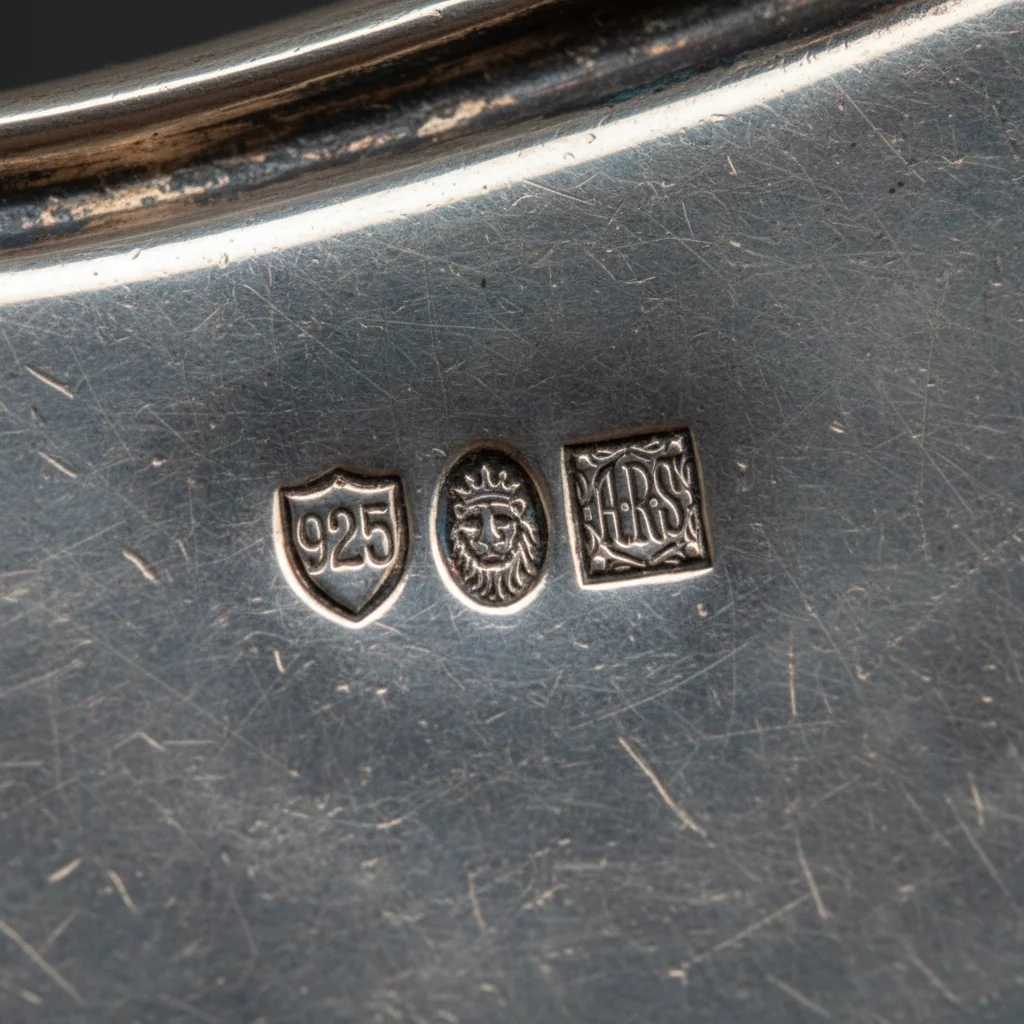
A key element in determining authenticity, especially for items made of precious metals, is the hallmark. However, scammers have learned to forge them. In the past, special equipment was required for examination, but today a high-quality macro shot on a modern phone is sufficient. By comparing the resulting image with reference hallmarks from catalogs, inconsistencies can be identified.
One of the common mistakes made by forgers is methodological. They might stamp an item with hallmarks from different time periods. For example, a state hallmark from the early 20th century and a maker's mark of a craftsman who died in the mid-19th century. Such inconsistencies are easily detected with careful examination.
Understanding these details and using modern technology significantly increases the chances of not falling victim to deception.
Technical Details of Deception: How to Spot Fake Hallmarks
How to Protect Yourself from Scammers: Practical Tips
To avoid becoming a victim of scammers in the antiques market, it's important to follow a few rules and approach purchases with a cool head. Emotions are the buyer's main enemy, so they must be controlled.
Don't rush. If the seller is rushing you, it's the first sign of a possible scam. Take a break to study the item and information about it. A truly valuable item won't go anywhere.
Ask the right questions. Inquire about the item's history (provenance) and ask for documents confirming its authenticity. Ask the same question in different ways to check the seller's consistency.
Conduct a technical inspection. Use your phone's macro camera to examine hallmarks and small details. Compare them with images in verified catalogs. Pay attention to signs of wear and patina – they should look natural.
Consult independent experts. If you are unsure about an item's authenticity, it's better to spend money on a consultation with a specialist you trust. This will save you from much greater financial losses.
Use secure payment methods. For online purchases, use services that allow you to secure the transaction and get your money back if the item turns out to be a fake, such as through escrow accounts.
How to Protect Yourself from Scammers: Practical Tips