Valuable Items from the USSR That Could Be Worth a Fortune - AUCBURG | AUCBURG
Valuable Items from the USSR That Could Be Worth a Fortune
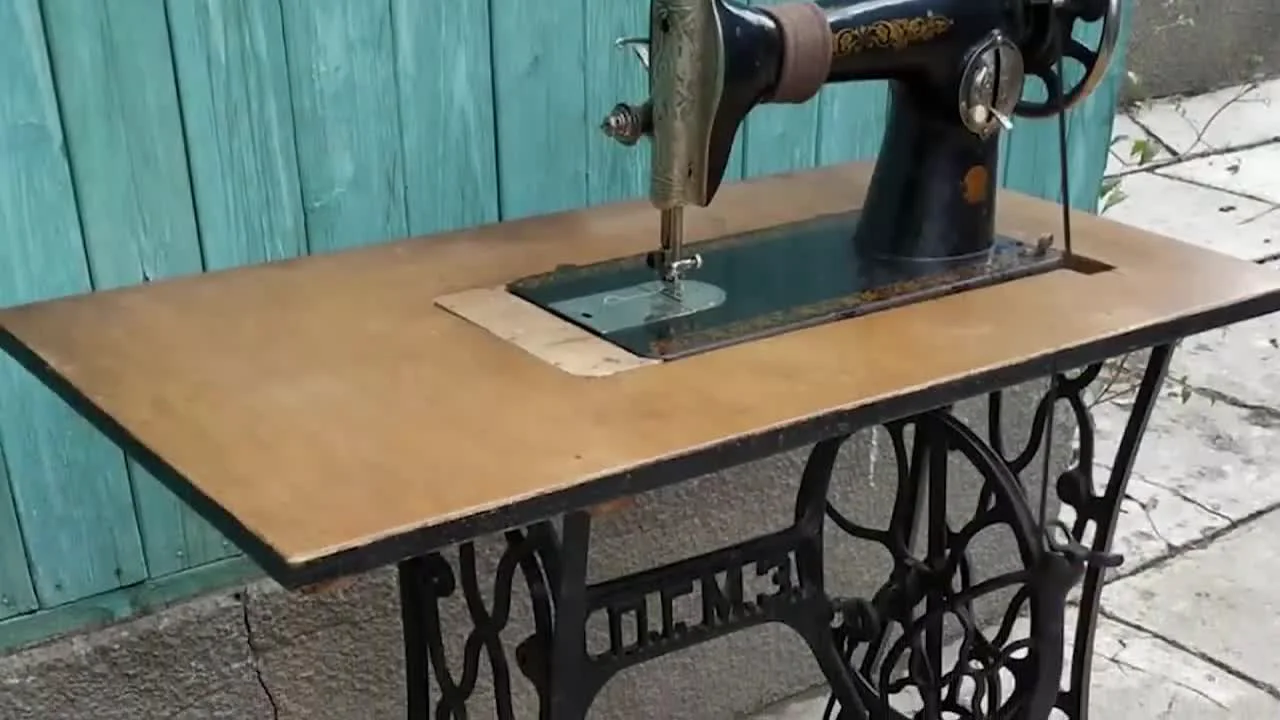
In Soviet times, industrially produced clothing was often of low quality, so many families sewed their own clothes. This led to almost every home having a sewing machine. Unlike the clothing, the machines themselves were quite high-quality, although not always convenient to use.
In Soviet times, industrially produced clothing was often of low quality, so many families sewed their own clothes. This led to almost every home having a sewing machine. Unlike the clothing, the machines themselves were quite high-quality, although not always convenient to use.
Most of them were produced in Podolsk at the Podolsk Mechanical Plant (PMZ), which was established on the basis of a branch of the famous Singer company. The most well-known models were 'Singer', 'Chaika', 'Podolsk', and PMZ. Early models had manual or foot-pedal drives, while later ones were equipped with electric motors.
Although most of these machines are not considered valuable antiques today, you can still get a certain amount for them. The average price for a standard model starts at $15–$20. Of particular interest to collectors and designers are the cast-iron stands from sewing machines. Their price starts at $50, as they are often used to create unique tables.
Soviet Glass Holders (Podstakanniki)
Many are familiar with podstakanniki (glass holders) from train journeys, where they are used for convenience when drinking hot tea from glass tumblers. While modern equivalents are inexpensive, Soviet-era examples can be of significant value to collectors.
The price of a single, simple Soviet-period glass holder ranges from $10 to $30. However, collectors prefer to acquire entire sets rather than individual items, which significantly increases their value.
You can get a very decent amount of money for well-preserved sets. Depending on their rarity and condition, the price for a set can reach $200, $300, and even $400, turning ordinary kitchenware into a profitable investment.
Soviet glass holders (podstakanniki)
Numismatics: Soviet Coins and Banknotes
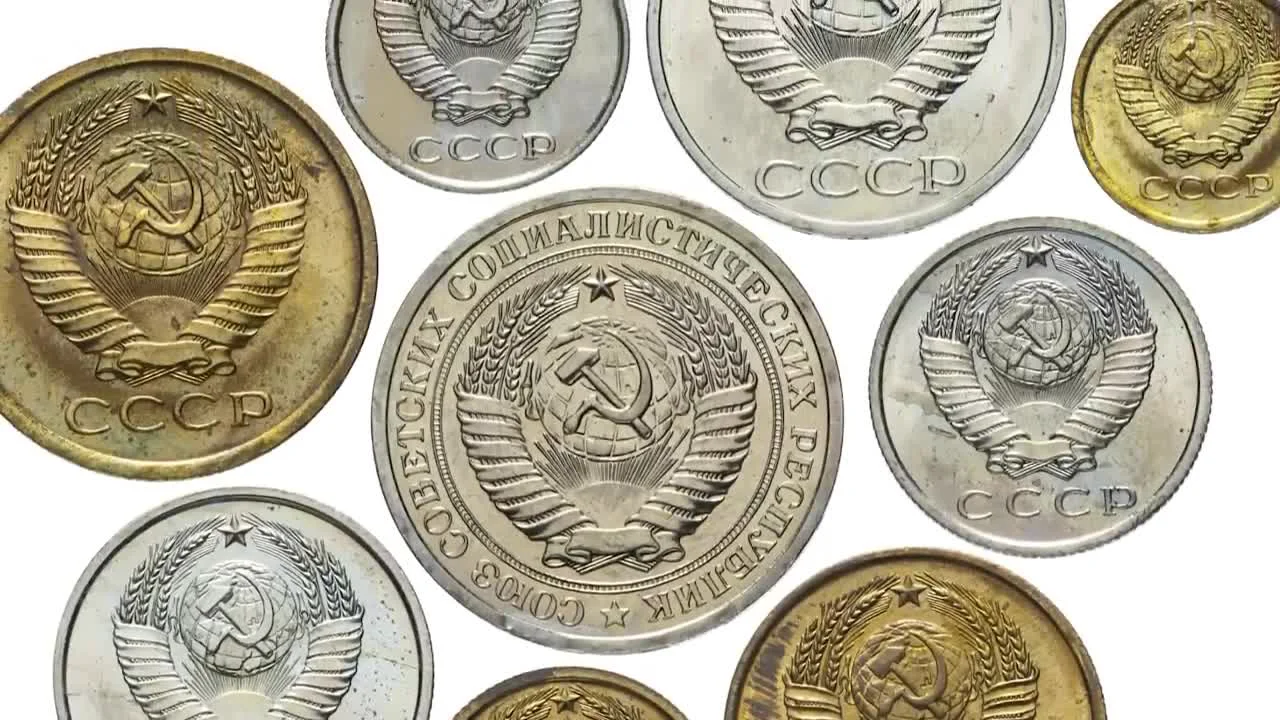
Coin collecting, or numismatics, is a popular hobby, but most Soviet coins are not of high value. They are most often sold by weight, with an average price of just a couple of dollars per kilogram. To determine the value of a specific coin, you can use special catalogs with price tables.
Starting in 1964, the USSR began issuing commemorative coins, but the most common ones, dedicated to Lenin's centenary or the 20th anniversary of the victory, are inexpensive due to their huge mintages. Real value lies in rare varieties, coins with defects, date errors, or trial pieces. For example, a 50-kopek coin from 1929, with a mintage of only two, was sold at auction for $134,000.
The situation with Soviet banknotes is similar. Their value depends on their condition: bills without scuffs, stains, or folds can be worth $5–$10. Rarity is determined by the type of paper, font style, and series. For instance, the 3 and 5 chervonets notes from 1922 are valued at over $1,300 even in poor condition.
Numismatics: Soviet coins and banknotes
Soviet Postcards
Even a seemingly ordinary Soviet postcard can be a valuable item for collectors. To determine its worth, several key factors that directly affect the price should be considered.
When evaluating a Soviet postcard, four aspects are important:
Print run. This is indicated on the postcard itself. The smaller it is, the higher the value of the copy.
Condition. The postcard must be in good condition, without creases, stains, or worn corners.
Inscriptions. Clean, unsigned postcards are valued much more highly.
Artist. The artist's surname is usually indicated on the back. Works by the artist Vladimir Zarubin are of particular interest to collectors.
Depending on the print run, the price for a single postcard in good condition can range from $15 (print run up to 500,000) to $4 (print run up to 5 million). Copies with a large print run usually cost about 50 cents.
Soviet postcards
Rare Soviet Books
Although most books published in the USSR are not collector's items, there are rare exceptions that can be worth a lot of money. The value of such publications is determined by their history and limited print runs.
Banned books. Publications that were declared 'illegal' and partially destroyed. Surviving copies of works by Gumilyov, Mandelstam, Zabolotsky, or Solzhenitsyn can be worth from a thousand to tens of thousands of dollars.
Books from short-lived publishing houses. Some publishers, such as 'Giperborey', 'Musaget', and 'Alkonost', existed for only a short time and released no more than 2-3 thousand copies, making their products very rare.
First editions of famous authors. First editions of children's books are particularly valuable. For example, copies from the first print run of 'The House That Jack Built' are worth over $1,000, and first editions of 'What Is Good and What Is Bad' can be sold for three times that amount.
Rare Soviet books
Vinyl Records from the USSR Era
Recently, there has been a surge of interest in vinyl records. They are of interest not only to collectors but also to music lovers who consider the sound of gramophone records to be deeper and richer compared to modern media.
However, not all Soviet records are highly valuable. The most popular tunes were released in millions of copies, so even in good condition, their price is only a few dollars. Rarer releases with a small number of copies can be valued at a couple of tens of dollars.
The most valuable records are those released in the pre-war or early post-war years. The cost of such rare items can reach $50, making them an interesting object to search for among old collections.
Watches, Cameras, and Furniture
Some Soviet technical devices and interior items are also highly valued today. For example, 'Shturmanskie' brand wristwatches, especially from the 'Shturmanskie Gagarin' series, were produced exclusively for the USSR Air Force and were not available for general sale. The price for such a piece starts at $140. 'Strela' watches, launched in honor of the first space flight, sell for $400 and up.
Among cameras, the most popular brands are 'Zenit' and 'FED', and their lenses are often valued more highly than the cameras themselves. The average price for a lens ranges from $15 to $50. A particularly rare 'Jupiter-9' portrait lens can cost from $100.
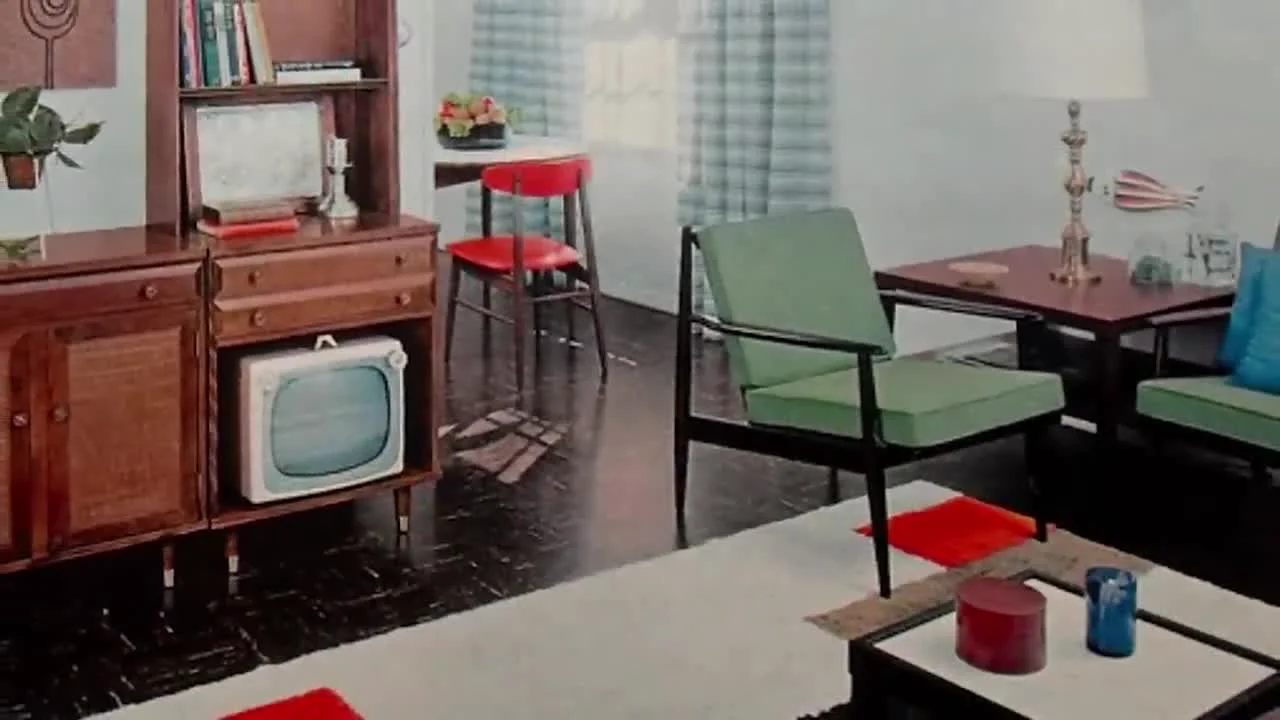
In recent years, demand for furniture in the style of the 70s and 80s has also grown. A restored retro armchair can cost from $300, and a hi-tech style coffee table from $220. Original lamps and light fixtures from the 70s can also bring their owner a minimum of $220.