A Numismatist's Toolkit: From Catalogs to Microscopes - AUCBURG | AUCBURG
A Numismatist's Toolkit: From Catalogs to Microscopes
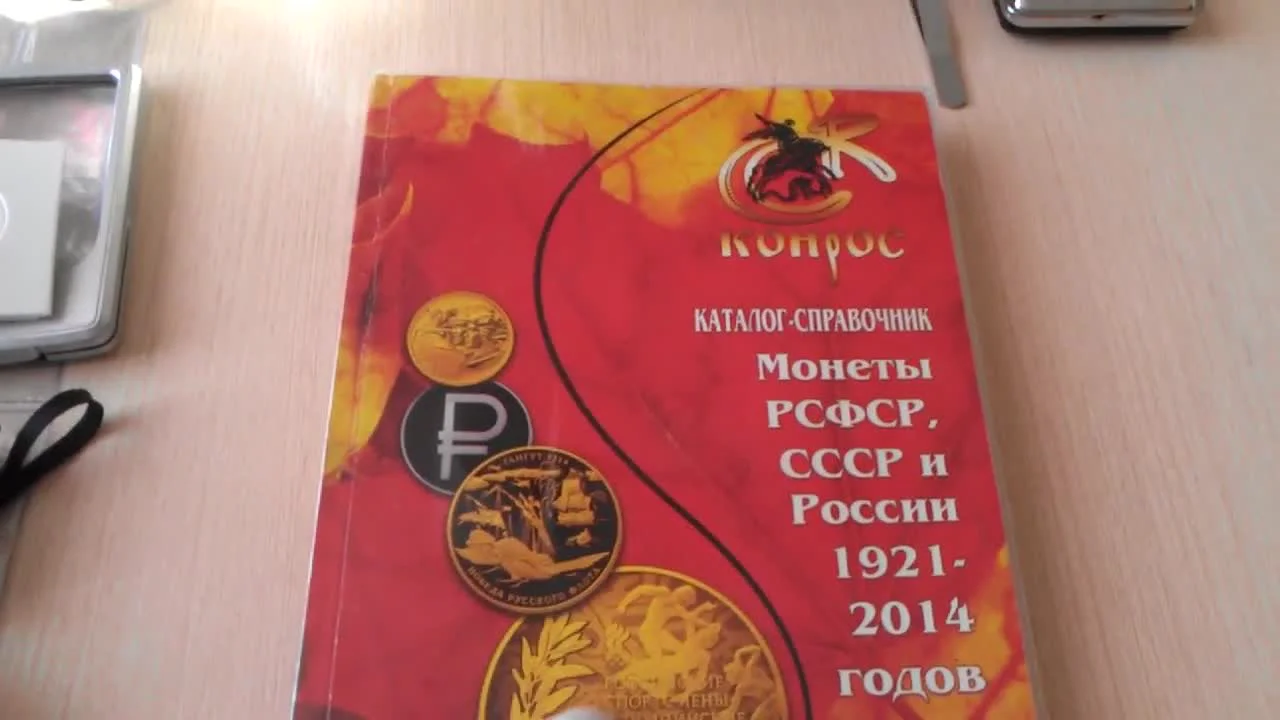
The primary tool for anyone involved in coin collecting is a catalog. It serves as the main source of information for identifying and evaluating specimens. There are various catalogs covering specific historical periods and regions.
The primary tool for anyone involved in coin collecting is a catalog. It serves as the main source of information for identifying and evaluating specimens. There are various catalogs covering specific historical periods and regions.
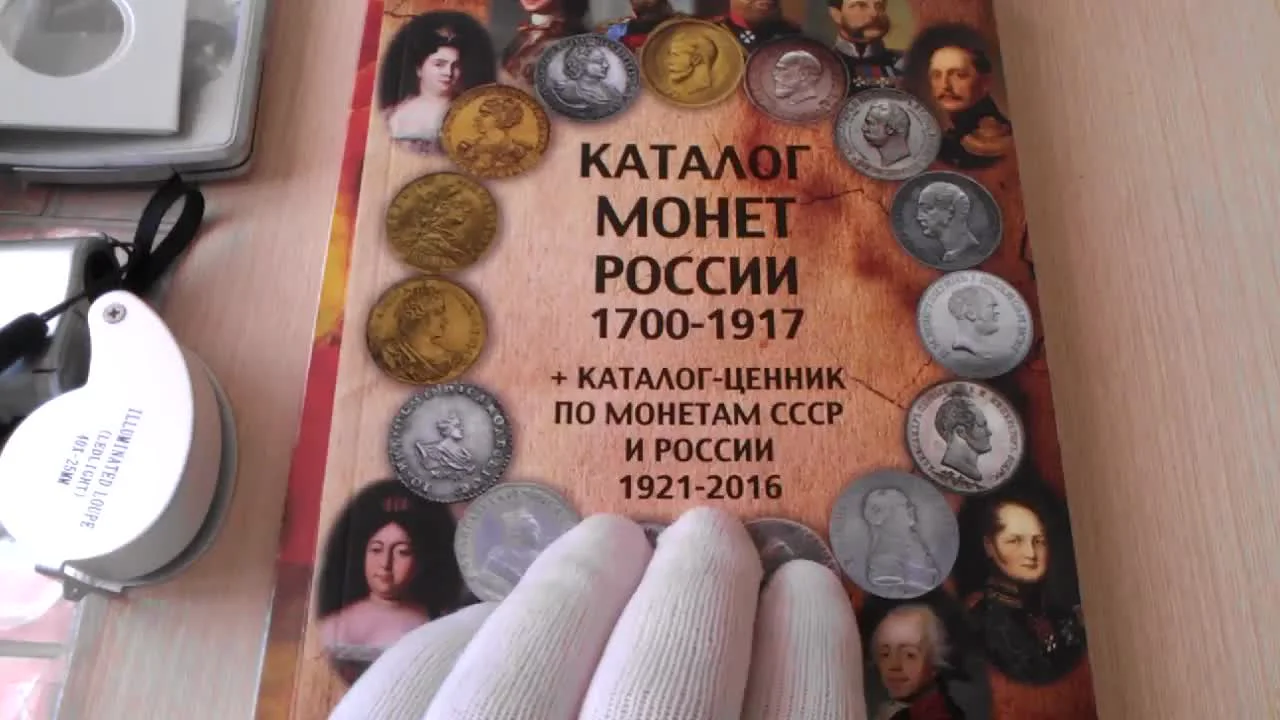
For example, to work with coins of Imperial Russia, the 'Catalog of Coins of Russia 1700–1917' is used. It provides detailed descriptions of all coins from this period, including copper and silver ones, with their specifications, denominations, and, most importantly, their approximate value.
Coin weight
Mintage
Material
Approximate value
Varieties
Having a catalog helps to quickly identify a coin you've come across and its approximate value, which can depend on its condition, year of issue, and mintage.
Coin Cleaning: With What and How?
Over time, coins can lose their original appearance, and special products are used to clean them. It's important to approach this process with caution to avoid damaging the specimen. The choice of cleaning agent depends on the metal the coin is made of.
For some types of coins, such as electroplated, bimetallic, and regular issue coins from the Soviet period, a product called 'Asidol-M' can be used. However, it should absolutely not be used for cleaning copper coins, as it destroys the patina, and the coin loses its value, turning into a simple copper blank.
Ammonia is well-suited for copper-nickel coins from the Soviet period. There are many different cleaning products available, but it's important to remember that improper use can permanently ruin a coin.
Coin Cleaning: With What and How?
Magnifying Devices: From Loupes to Microscopes
To study coins in detail and identify their features, such as the mint, year of issue, or minor defects, magnifying devices are necessary. There are many options available, from simple to professional.
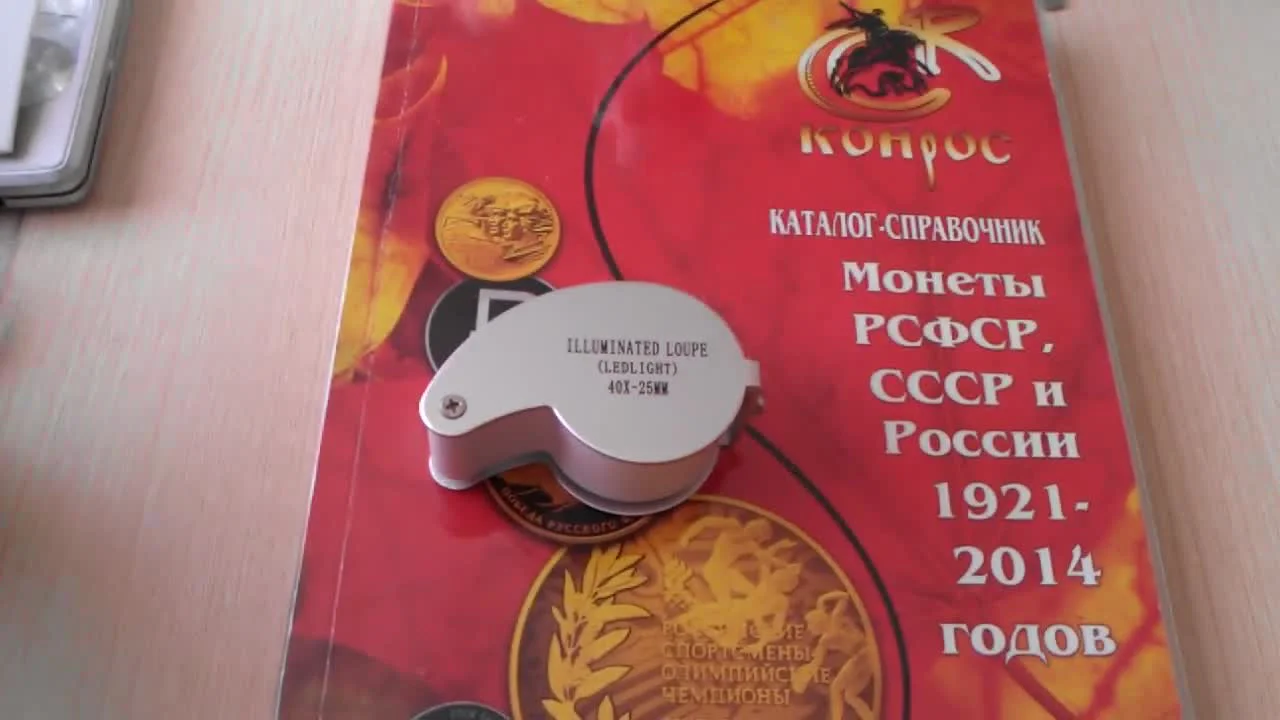
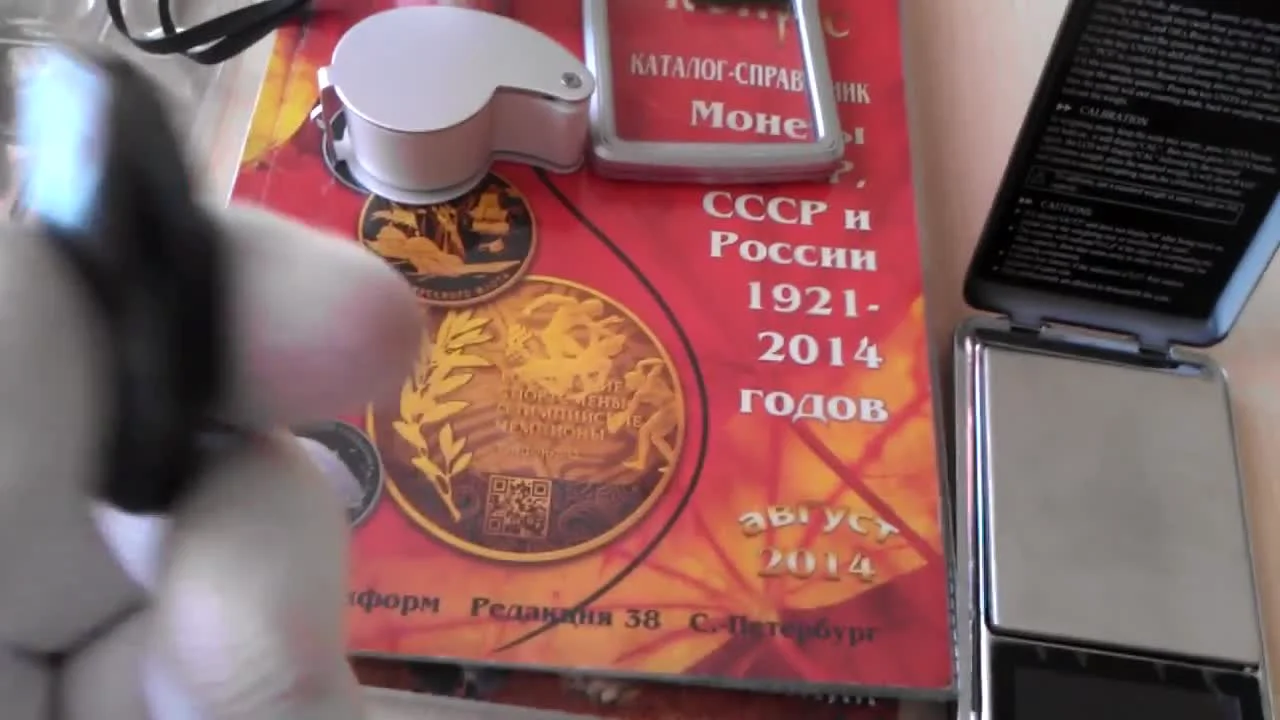
Folding loupe with a light: a convenient and compact option for basic inspection.
Pocket microscope: provides higher magnification (e.g., 60x) and is often equipped with additional features, such as an ultraviolet light for checking banknote authenticity.
Business card-sized lens: compact, but not always convenient for detailed study.
For serious collectors, especially those who study die varieties, a USB microscope becomes an indispensable tool. It connects to a computer and allows you to view the coin on a monitor with high magnification (e.g., 500x). This makes it possible to see the tiniest details, scratches, flaws, and striking characteristics.
Magnifying Devices: From Loupes to Microscopes
Tools for Authenticity Verification
Determining a coin's authenticity is one of a numismatist's key tasks. Simple but effective tools are used for this purpose, helping to identify counterfeits, which are often produced in China.
Electronic scales are an essential attribute. A coin's weight is a strict characteristic listed in the catalog. If the actual weight of a specimen does not match the catalog weight, it is a serious reason to doubt its authenticity. The scales should be sufficiently precise, for example, to the hundredths of a gram.
Another important tool is a magnet. It can be used to easily check coins that should not have magnetic properties. For example, genuine silver coins from the Imperial period will never be attracted to a magnet. If a coin claimed to be silver is magnetic, it is a clear sign of a counterfeit.
Tools for Authenticity Verification
Proper Handling and Storage
When working with coins, especially during cleaning, it is convenient to use tweezers to avoid leaving fingerprints on the surface. After all procedures, coins need proper storage to ensure their preservation.
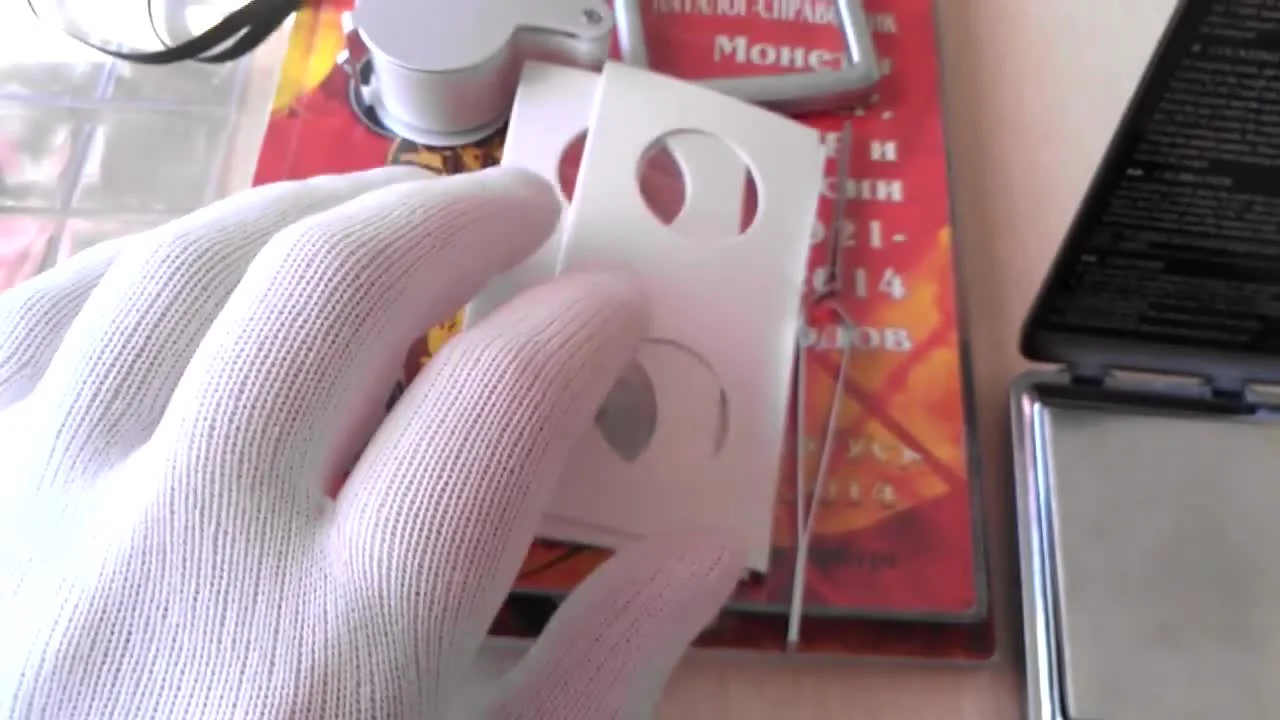
For individual storage, staple-type cardboard holders are often used. The coin is placed in the window, the holder is folded, and secured with staples. This protects it from external elements and allows both sides to be seen.
For beginner collectors or for storing a trade stock, simple coin albums are suitable. However, one should be careful about the material of the pages. PVC (polyvinyl chloride) pages are not recommended for long-term storage of valuable coins, especially bimetallic and electroplated ones, as over time they can react with the metal, leading to darkening and damage to the coins. Such pages are only suitable for temporary storage.