Investing in Numismatics: From Modern Coins to Ancient Rarities - AUCBURG | AUCBURG
Investing in Numismatics: From Modern Coins to Ancient Rarities
Investing in numismatics is, in essence, the buying and selling of money. As of November 15, 2019, there was a significant price gap in the precious metals market: the gold-to-silver price ratio was 1 to 84. This factor has a direct impact on the numismatic market.
Investing in numismatics is, in essence, the buying and selling of money. As of November 15, 2019, there was a significant price gap in the precious metals market: the gold-to-silver price ratio was 1 to 84. This factor has a direct impact on the numismatic market.
For ease of analysis and investment, all coins can be conditionally divided into three main subgroups. Each has its own characteristics, investment potential, and is suitable for different categories of collectors.
Modern-day coins. This category includes contemporary circulating and commemorative coins that are in circulation.
Bullion coins. These are coins issued specifically for investment purposes, and their value is directly linked to the price of the precious metal from which they are made.
Collectible (historical) coins. This group includes antique and rare coins of historical and cultural value.
Circulating Coins: An Undervalued Asset for Beginners
Modern coins in circulation, or 'periodicals,' are often underestimated, yet they can hold significant investment interest. This segment is particularly attractive for novice numismatists as it does not require a large initial investment.
Investing in circulating coins can be compared to playing the stock market: it is important to track current trends and predict which themes will become popular in the future. The appeal of such coins is largely determined by their theme. The highest demand is for coins dedicated to specific topics.
Depictions of vintage cars (old-timers).
Coins featuring animals, especially those in color.
Coins dedicated to famous historical figures, such as Napoleon.
Choosing the right theme plays a key role in the potential growth of a collection's value.
Circulating Coins: An Undervalued Asset for Beginners
The Success of German Euros and the Failure of Olympic Rubles
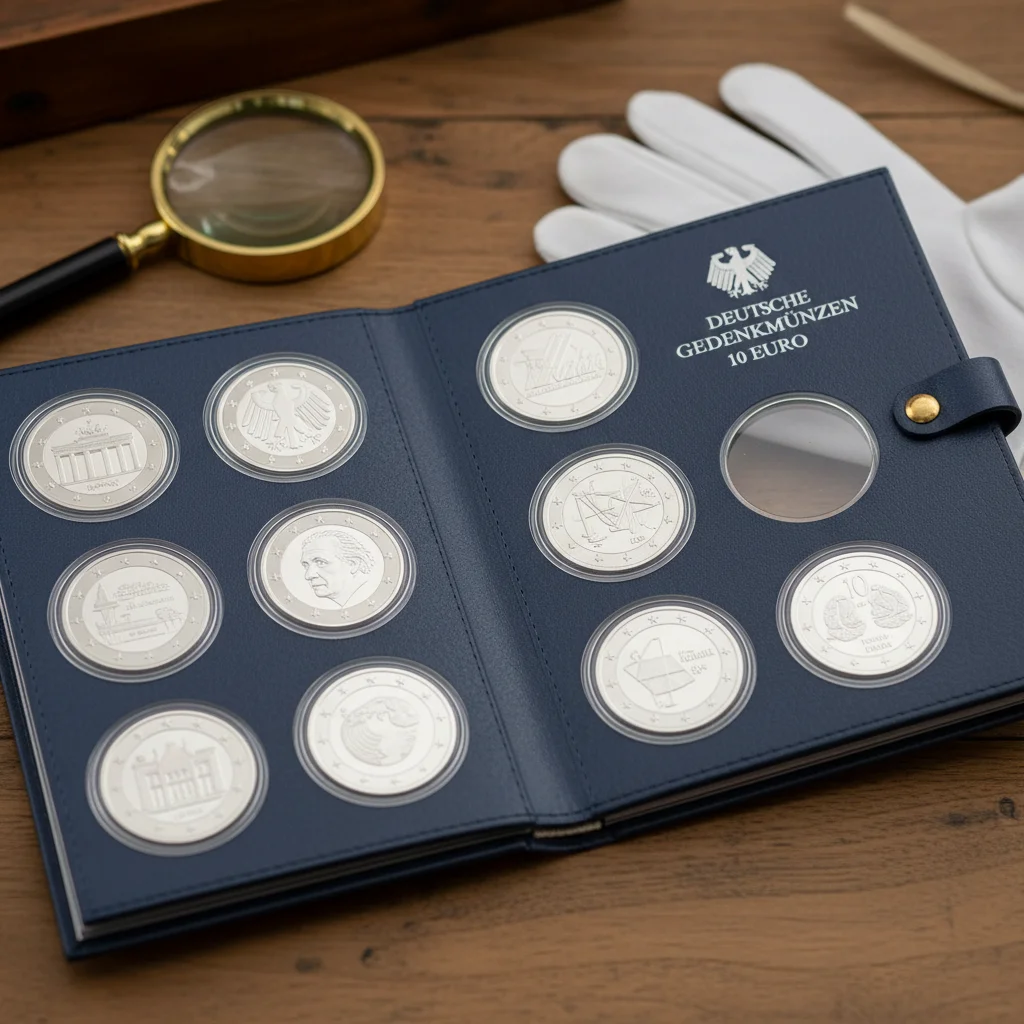
A prime example of a successful investment in modern coins is the German 10-euro commemorative coins issued in the 2000s. Back then, they could be purchased at face value, including shipping. These coins were made of .925 sterling silver.
Over time, a paradox occurred: the value of the silver in the coin exceeded its 10-euro face value. Subsequently, the silver content in new issues was reduced to .625 fineness. Those who managed to acquire the early issues secured a guaranteed profit: today, these coins sell for 15-20 euros, representing a gain of 50% or more.
A contrasting example is the Soviet Olympic rubles. Despite being widely collected at the time, they proved to be a failed investment. Today, their market value, even for coins in perfect condition, is only 1-2.5 euros. In the 1990s, they were even used in European vending machines.
The Success of German Euros and the Failure of Olympic Rubles
The Three Pillars of Value: Rarity, Demand, and Condition
The value of any collectible coin is determined by three main factors that shape its market price. Understanding these components allows for a more accurate assessment of a particular specimen's investment potential.
Key value factors:
Rarity. This factor accounts for about 35% of the coin's total value. The smaller the mintage and the less frequently the coin is encountered, the more valuable it is.
Demand. This is the most significant factor, making up 50% of the price. If there is no demand for a coin from collectors, its value will not be high, even if it is exceptionally rare.
Condition. The remaining 15% of the value depends on the coin's preservation. Specimens in perfect (uncirculated) condition are valued significantly higher than coins with signs of circulation.
The Three Pillars of Value: Rarity, Demand, and Condition
Bullion Coins: From Kazakhstan to China
Bullion coins, unlike collectible ones, are valued primarily for the precious metal they contain. Purchasing such coins at a price close to the metal's value is a virtually risk-free investment, as they can always be sold as scrap.
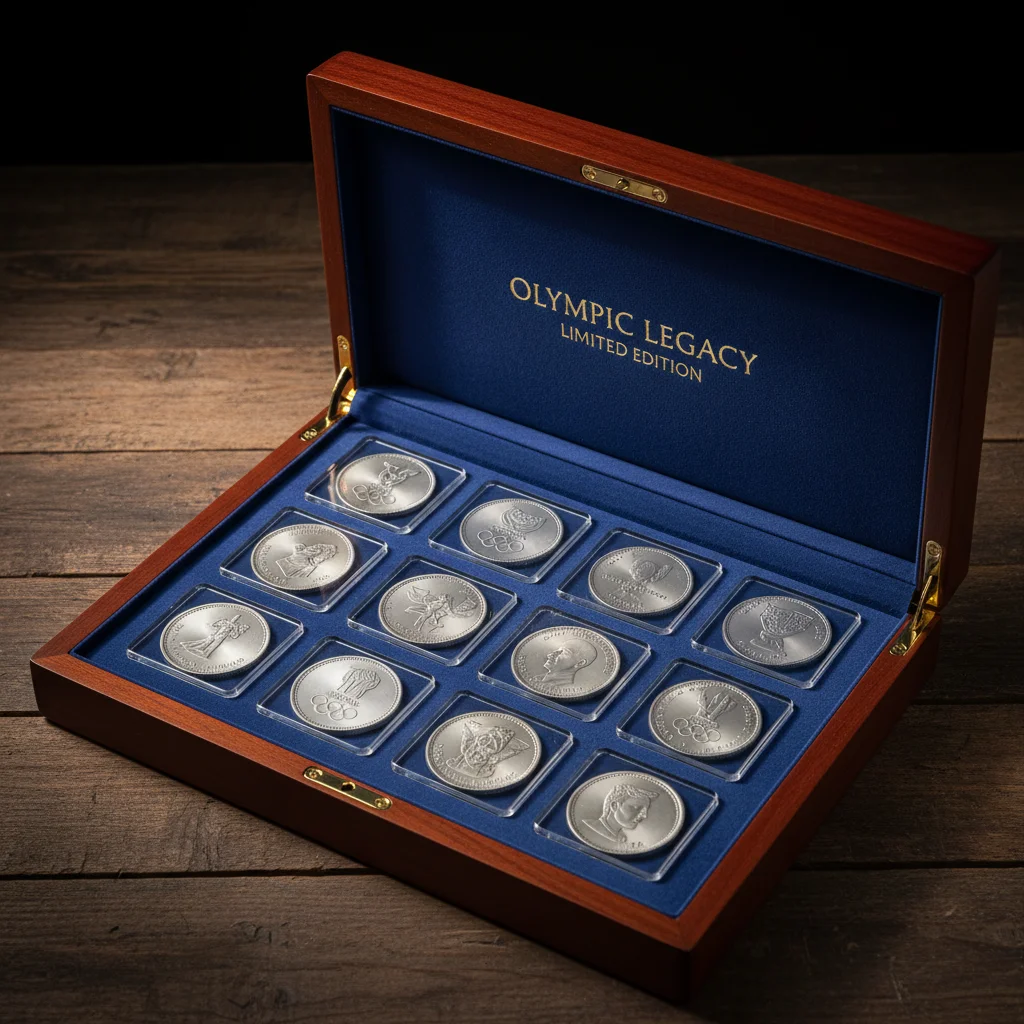
An example is a set of silver coins dedicated to the Olympic Games, issued by various countries: Guatemala, Korea, England, and Kazakhstan. Such a set, purchased for 240 euros, has roughly the same value in the silver it contains. Coins from Kazakhstan, such as the 'Bars' series, are particularly attractive for investment.
Recently, colorized bullion coins have been gaining popularity. However, their disadvantage is the high production cost, which makes them expensive to purchase initially.
Special attention should be paid to China. Thanks to rapid economic growth and the emergence of wealthy collectors, demand for Chinese coins and antiques has soared. Chinese dealers are actively buying up everything related to their country's history at global auctions, making the acquisition of Chinese coins at a favorable price a promising investment.
Bullion Coins: From Kazakhstan to China
The Value of History: From the Tsarist Ruble to Kaiser's Germany
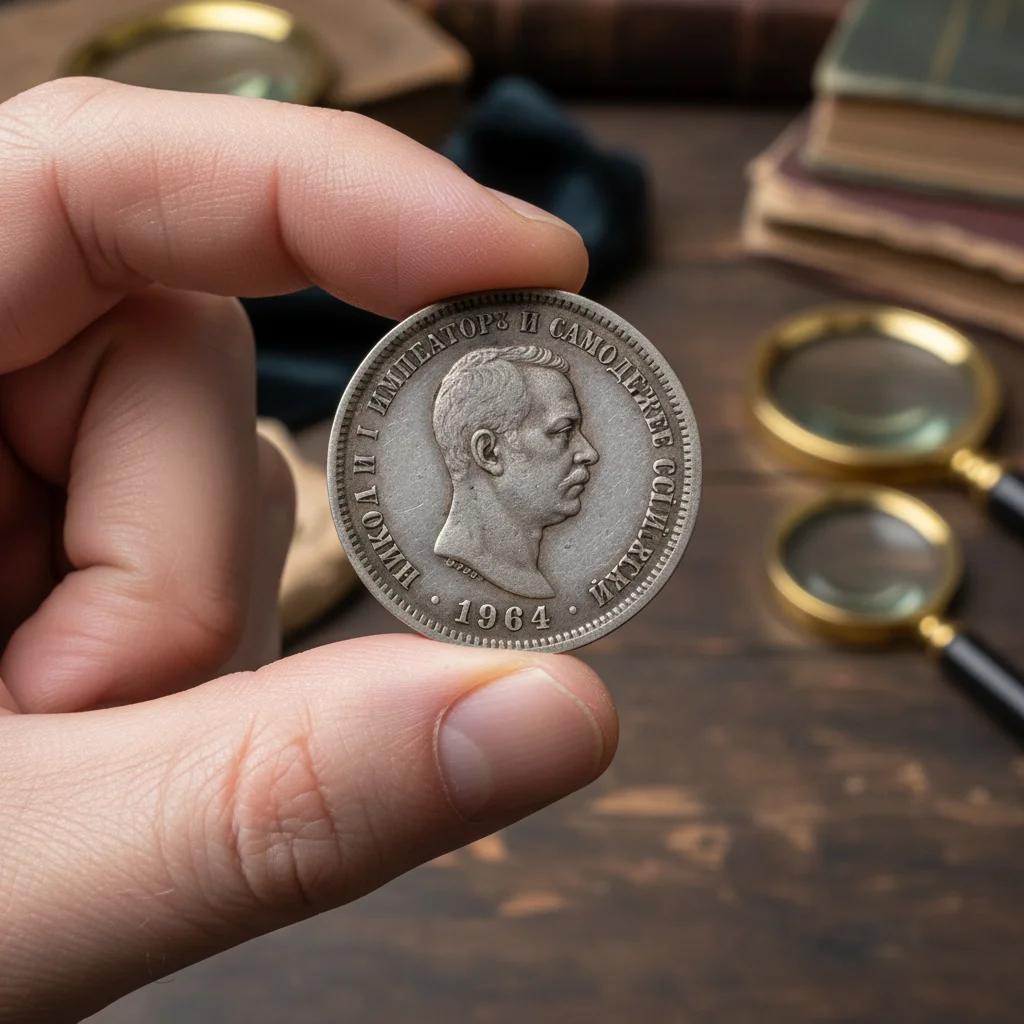
Historical coins represent the third major category for investment. Unlike modern ones, their value is more tied to capital preservation than to quick speculative profit. An example is a silver ruble from 1844, purchased in 1980 for 10 rubles (about a tenth of a monthly salary). Today, its value is 100-150 euros—the money was preserved, but there was no staggering increase.
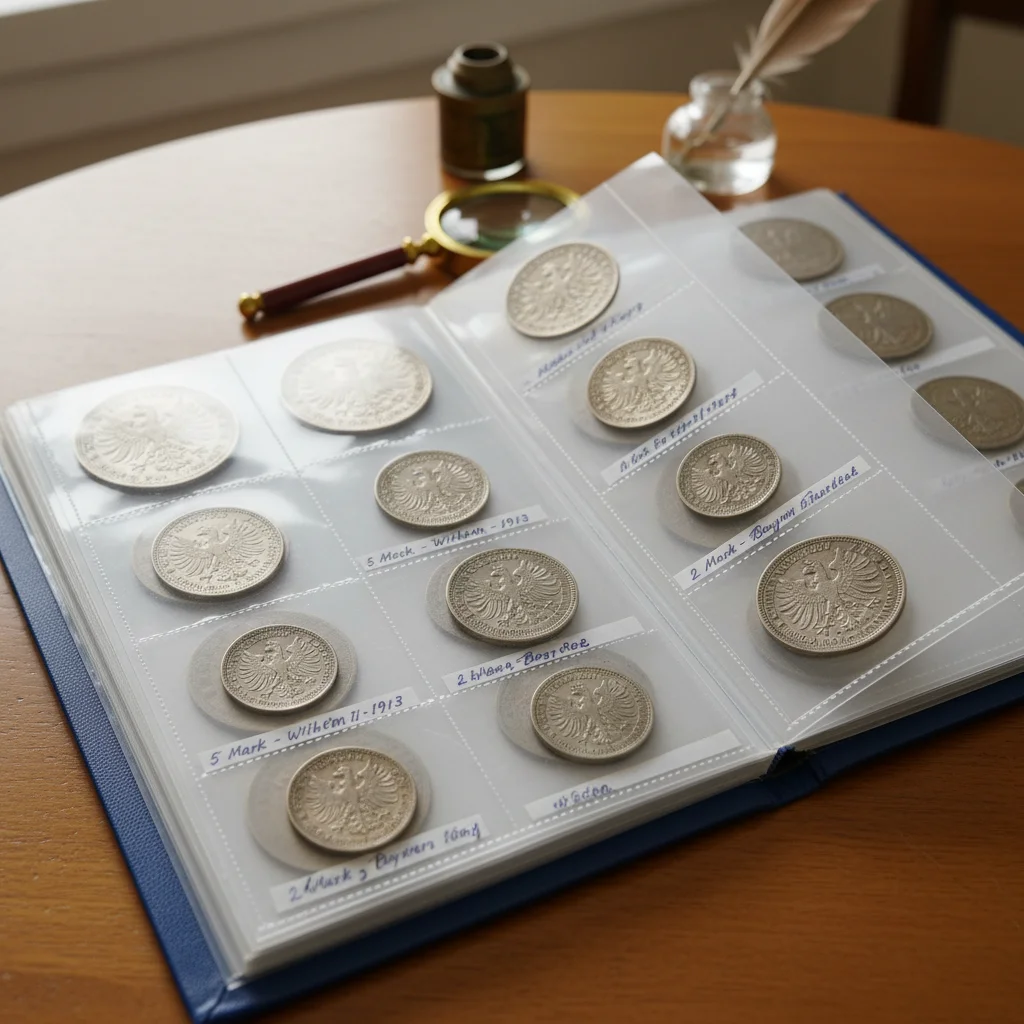
Coins from Kaiser's Germany are a favorite theme for collectors. They are distinguished by their beautiful artistic design. However, the condition of such coins is critically important for investment. Specimens in poor condition will be worth little more than the price of the silver they contain.
For a historical coin to become a profitable investment, it must be acquired in very good or excellent condition. Only then can one expect a significant increase in value in the future.
The Value of History: From the Tsarist Ruble to Kaiser's Germany
The Collector-Investor Strategy
There are different approaches to building a numismatic portfolio. Some believe it is better to buy one expensive coin than many cheap ones. However, from a risk diversification perspective, acquiring several less expensive but promising coins may be more sensible.
A similar debate exists around the choice of metal: several expensive silver coins versus one gold coin. There is no definitive answer, and each investor must decide for themselves based on their strategy. The main thing is to think in advance about who and how you will sell your collection in the future: to other collectors, at shows, or through auctions.
For beginner collectors, there is an important piece of advice: it is better to collect not by theme, but by creating a so-called 'year set.' This means choosing one type of coin and trying to collect all the years it was issued. A complete series like this will be valued much more highly when sold than a scattered set of coins on a single theme.