Investing in Silver Coins: A Detailed Guide - AUCBURG | AUCBURG
Investing in Silver Coins: A Detailed Guide
Silver is an industrial metal with a wide range of applications. It is used in the chemical industry, electronics, battery production, the jewelry industry, as well as for making awards, mirrors, in medicine, and photography.
Silver is an industrial metal with a wide range of applications. It is used in the chemical industry, electronics, battery production, the jewelry industry, as well as for making awards, mirrors, in medicine, and photography.
For the non-professional investor, there are two main ways to invest in silver: buying physical metal in the form of bars and coins, or opening an unallocated precious metal account (UPMA) at a bank.
Lack of physical ownership of the metal.
Deposits are not insured by the Deposit Insurance Agency (DIA).
Large spread (the difference between the buying and selling price).
Profits are taxed at 13%.
How a Bullion Coin Differs from a Commemorative One
Coin Type
Characteristics
Bullion
Minted in huge quantities (from hundreds of thousands to millions of pieces) and has a simpler design.
Commemorative/Jubilee
Issued in a limited mintage and features a complex, detailed design.
Before investing in coins, it is important to understand the difference between bullion and commemorative (jubilee) issues. The main differences lie in the mintage and design complexity.
The value of a bullion coin is more closely tied to the price of the metal itself, while the value of a commemorative coin is determined by its rarity and artistic component.
How a bullion coin differs from a commemorative one
The First Russian Bullion Coin: The 'Sable' and Its Problems
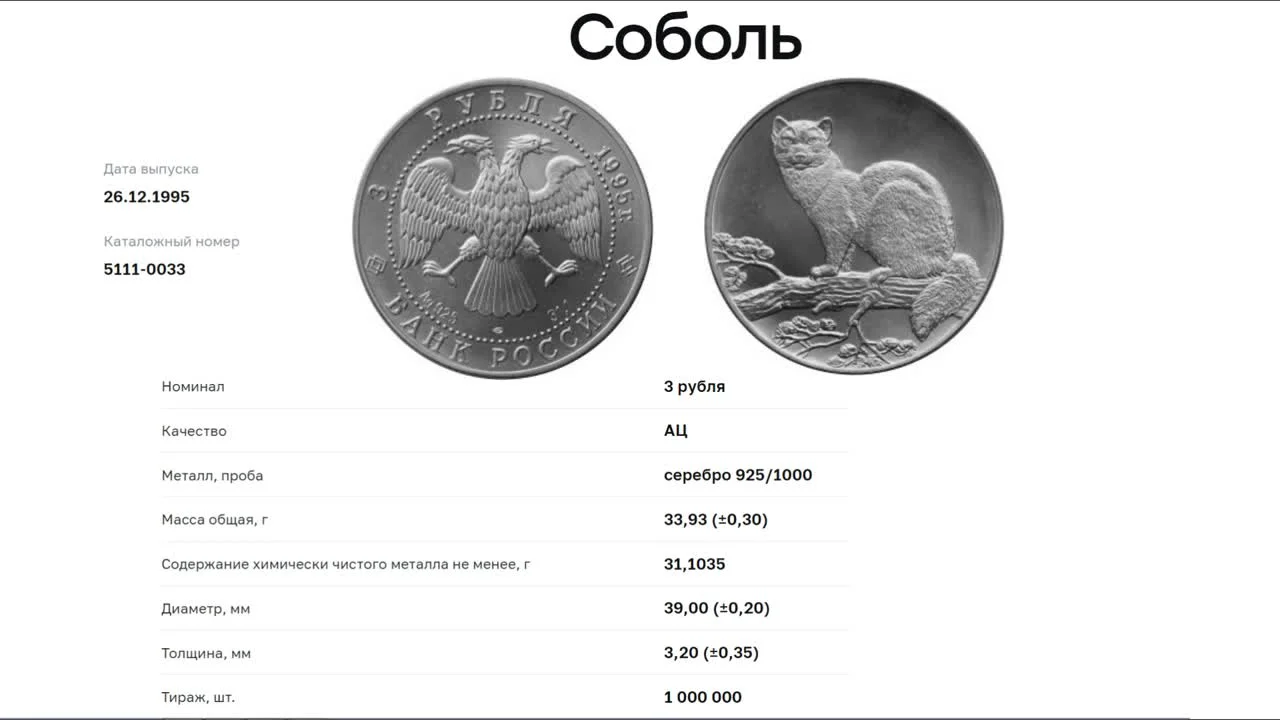
The first Russian silver bullion coin appeared in 1995. It was the 'Sable' coin with a face value of 3 rubles, made of 925 sterling silver. It was minted at the Moscow and Saint Petersburg mints with a total mintage of 1 million pieces.
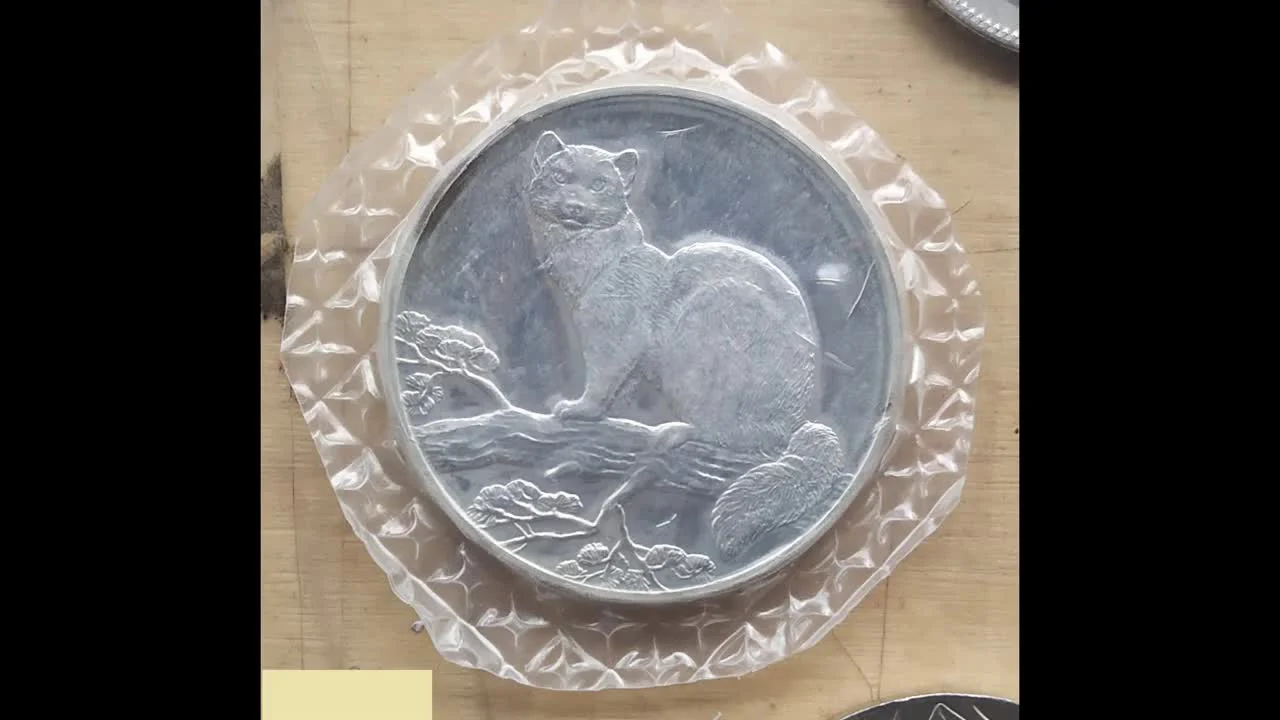
Despite its status, this coin is not recommended for investment. The main problem is that low-purity silver oxidizes significantly over time. Coins that have remained in their original bank seal for over 25 years become covered with a dark tarnish.
If a perfectly clean 'Sable' is found on the market, it most likely means the coin has been cleaned. Improper cleaning can damage the surface and lead to future spotting, which reduces its value. Therefore, this coin should be considered more of a collector's item than an investment tool.
The First Russian Bullion Coin: The 'Sable' and Its Problems
'George the Victorious': Russia's Main Bullion Coin
The main Russian bullion coin is 'George the Victorious'. It has been minted since 2009 from 999 fine silver, has a face value of 3 rubles, and a mass of one ounce (31.1 g). Until 2015, the obverse featured the emblem of the Provisional Government, and since 2016, it has featured the coat of arms of the Russian Empire.
The coin's mintage has varied significantly over the years, which affects its investment appeal. For example, in 2016 and 2017, the mintages were very low (18,000 and 20,000 respectively), which adds a collectible component to them.
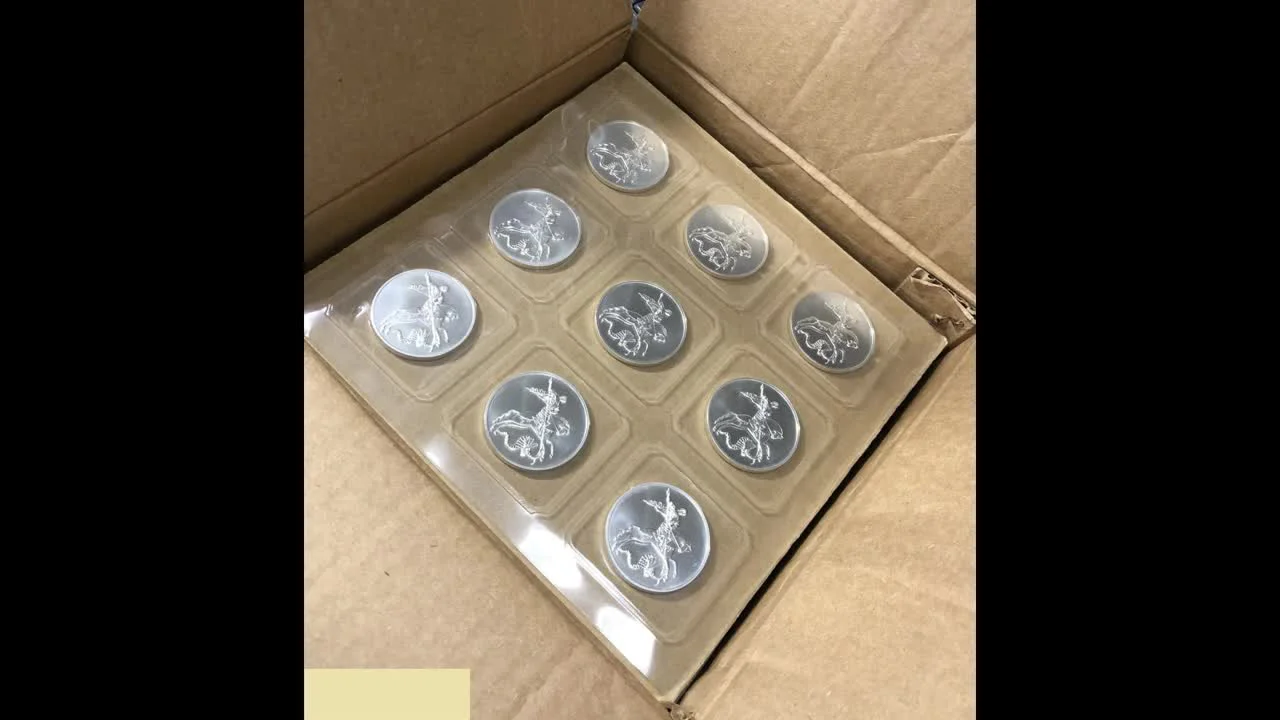
For pure investment purposes, coins from 2009, 2010, and 2015 are better suited. This is due to the quality of the packaging: in 2009-2010 they were supplied in capsules, and in 2015, in sealed plastic sheets. Since 2016, the coins have been packaged loosely in cardboard boxes, which often leads to micro-defects.
'George the Victorious': Russia's Main Bullion Coin
Thematic Issues: Sochi Olympics and FIFA World Cup
For the 2014 Sochi Olympics, a series of rectangular bullion coins with mascots was issued: the Leopard (2011), the Polar Bear (2012), and the Hare (2013). The coins are made of 999 fine silver, weigh one ounce, and have a mintage of 300,000 pieces each. Their main drawback is the low minting quality with uneven, sharp edges.
In 2016, a coin dedicated to the 2018 FIFA World Cup was issued. It has similar characteristics: 999 fine silver, one ounce, and a mintage of 300,000 pieces. Although many tourists bought it as a souvenir, which increased its collectible value, the minting quality also leaves much to be desired. These issues are more suitable for collecting than for serious investment.
Thematic Issues: Sochi Olympics and FIFA World Cup
Foreign Coins: The 'Milk Spot' Problem
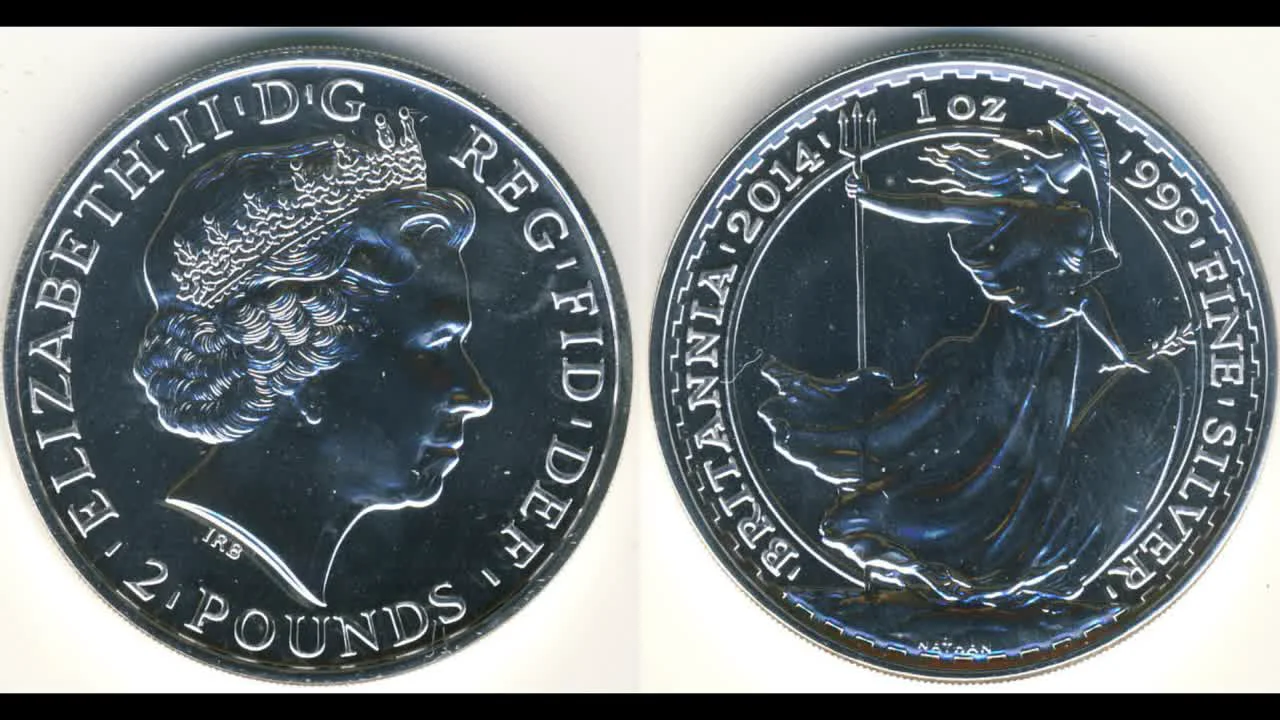
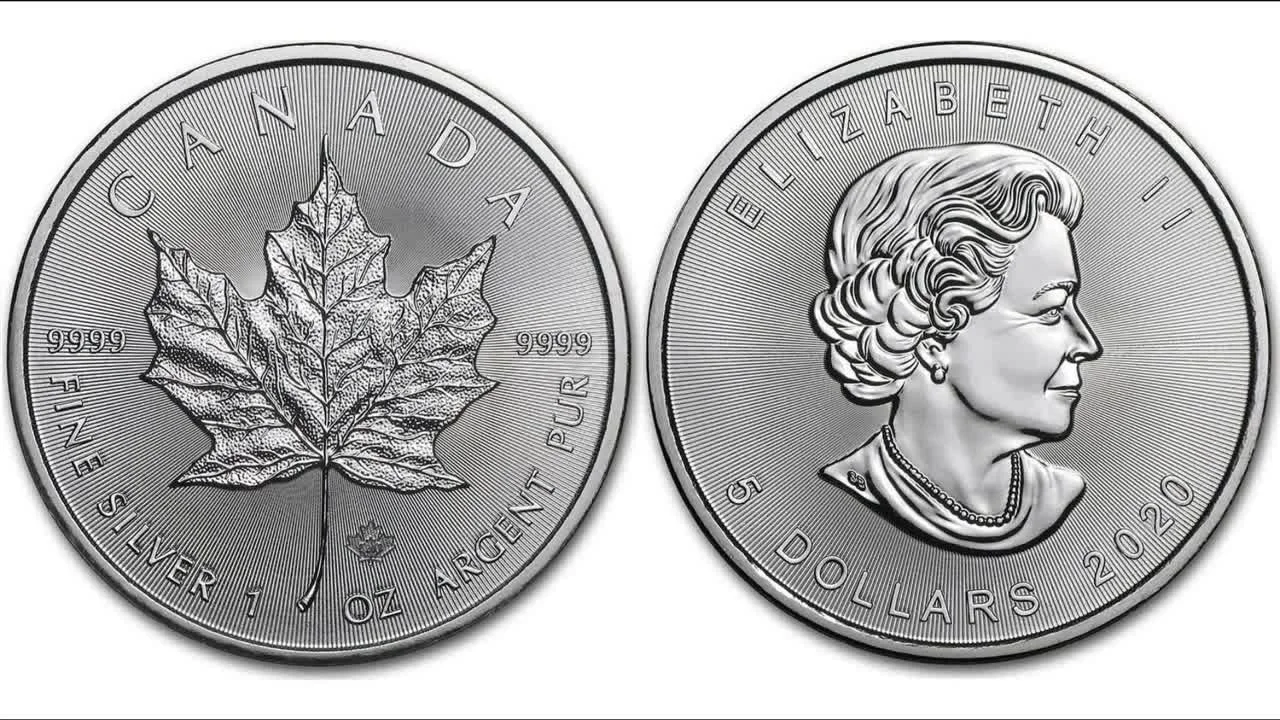
When choosing foreign coins, investors often face the problem of so-called 'milk spots.' These are whitish blemishes that appear on the coin's surface due to residue from the cleaning solution used during production. It is impossible to remove them without damaging the mint luster.
Canadian 'Maple Leaf'
Austrian 'Philharmonic'
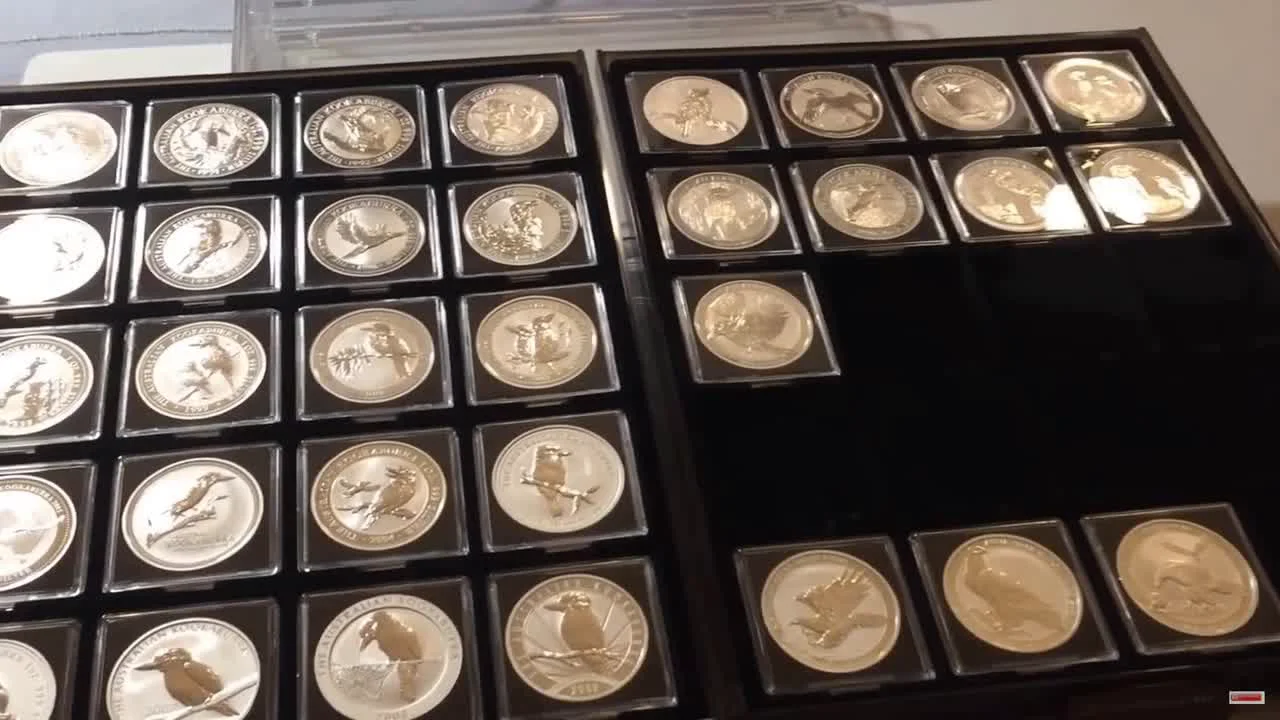
Australian 'Kangaroo'
'Britannia'
The 'Maple Leaf' holds the record for the number of 'milk spots.' Although the Royal Canadian Mint began using a new technology called MINTSHIELD in 2018 to address this issue, novice investors are advised to be cautious with these coins.
Foreign Coins: The 'Milk Spot' Problem
The Best Foreign Coins for Investment and Collecting
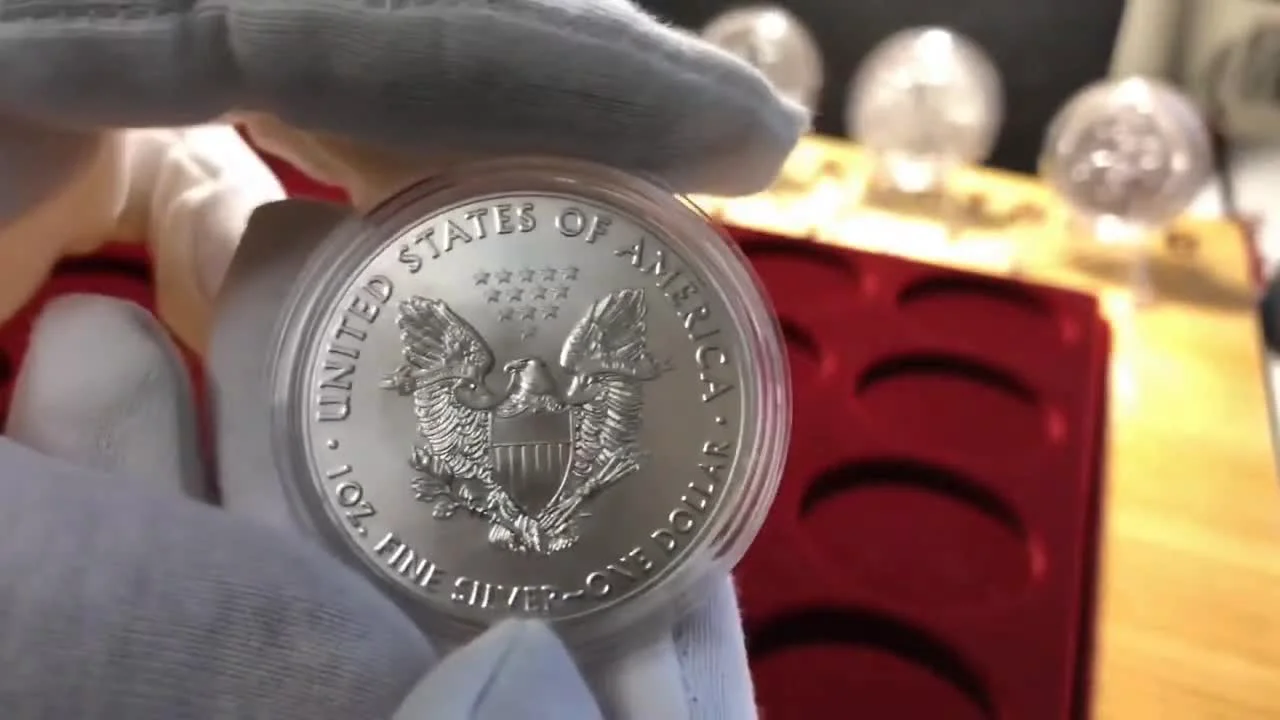
For those looking for a reliable instrument to invest solely in the value of the metal, the best choice is the 'American Silver Eagle' ('Walking Liberty'). It is the most liquid coin in the world with a total mintage of over 500 million pieces. Its value depends almost entirely on the market price of silver, and defects like 'milk spots' are extremely rare.
Chinese 'Panda'. A 30g coin whose design changes every year. This allows for building a beautiful and valuable collection. Issues from before 2010 have an additional collectible premium due to smaller mintages.
Australian 'Lunar'. A series dedicated to the lunar calendar, with an annually changing animal design. These coins are considered among the most beautiful, and their mintages are lower than the 'Panda's', which adds to their collectible value over time.
The Best Foreign Coins for Investment and Collecting
Pros and Cons of Investing in Silver Coins
Investing in silver coins has both its advantages and disadvantages. The key pros are portfolio diversification and a low entry barrier. Even with a small budget, you can regularly buy coins.
Among the cons, several points are worth noting. First, silver is an industrial metal, not a purely investment metal like gold. Its value is highly dependent on industrial demand. Second, coins are characterized by a high spread—a significant difference between the buying and selling price.
Finally, silver coins can yellow or develop a patina over time. This requires the investor to learn cleaning techniques. There are special solutions that can restore a coin to its original appearance, but improper handling can damage it.