The Hidden Potential of Silver: Investments, Risks, and Future - AUCBURG | AUCBURG
The Hidden Potential of Silver: Investments, Risks, and Future
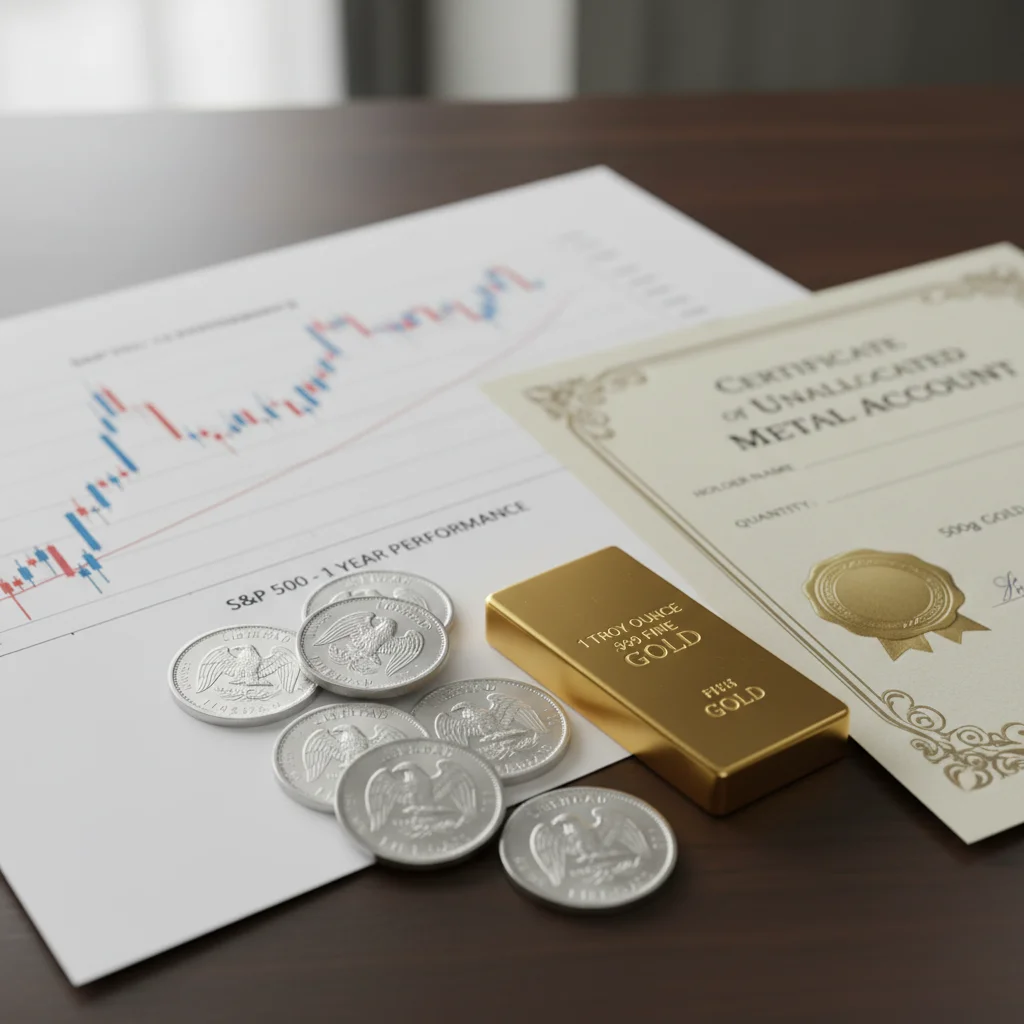
Silver has long attracted the attention of investors as a potentially undervalued asset. Experience dating back to 2008 shows interesting dynamics when comparing different asset classes. Specifically, a portfolio consisting of a basket of metals has demonstrated significantly better results compared to a portfolio of a basket of currencies.
Silver has long attracted the attention of investors as a potentially undervalued asset. Experience dating back to 2008 shows interesting dynamics when comparing different asset classes. Specifically, a portfolio consisting of a basket of metals has demonstrated significantly better results compared to a portfolio of a basket of currencies.
The basket of metals has grown several times over the past period, while the currency basket did not show such impressive returns and even experienced drawdowns. This emphasizes the role of precious metals, including silver, as a safe-haven asset that 'spikes' every few years, especially against the backdrop of global economic events.
Silver is not an asset for constant growth, but rather an instrument that can multiply in price at certain times, after which its value may pull back. Unallocated metal accounts (UMAs) are one example of how such assets are held.
Silver: A Unique Metal for Investors
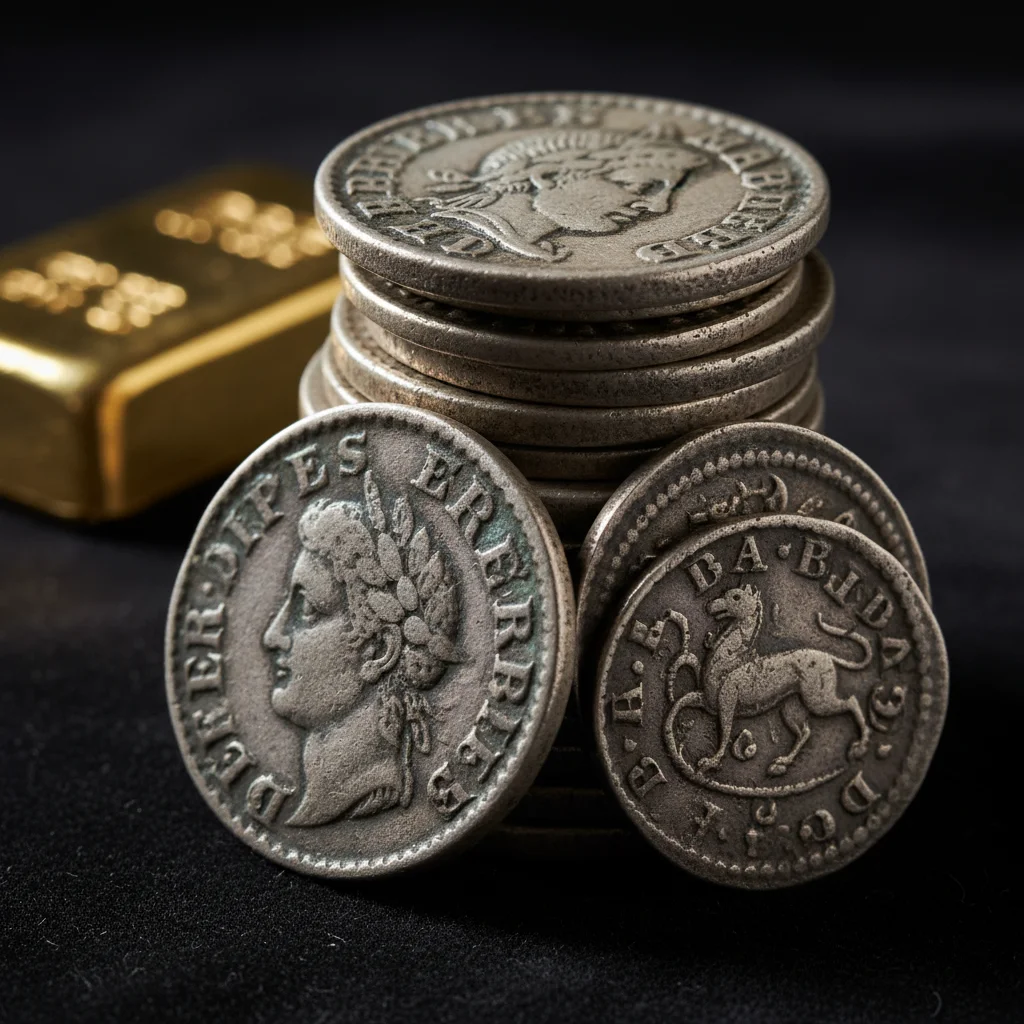
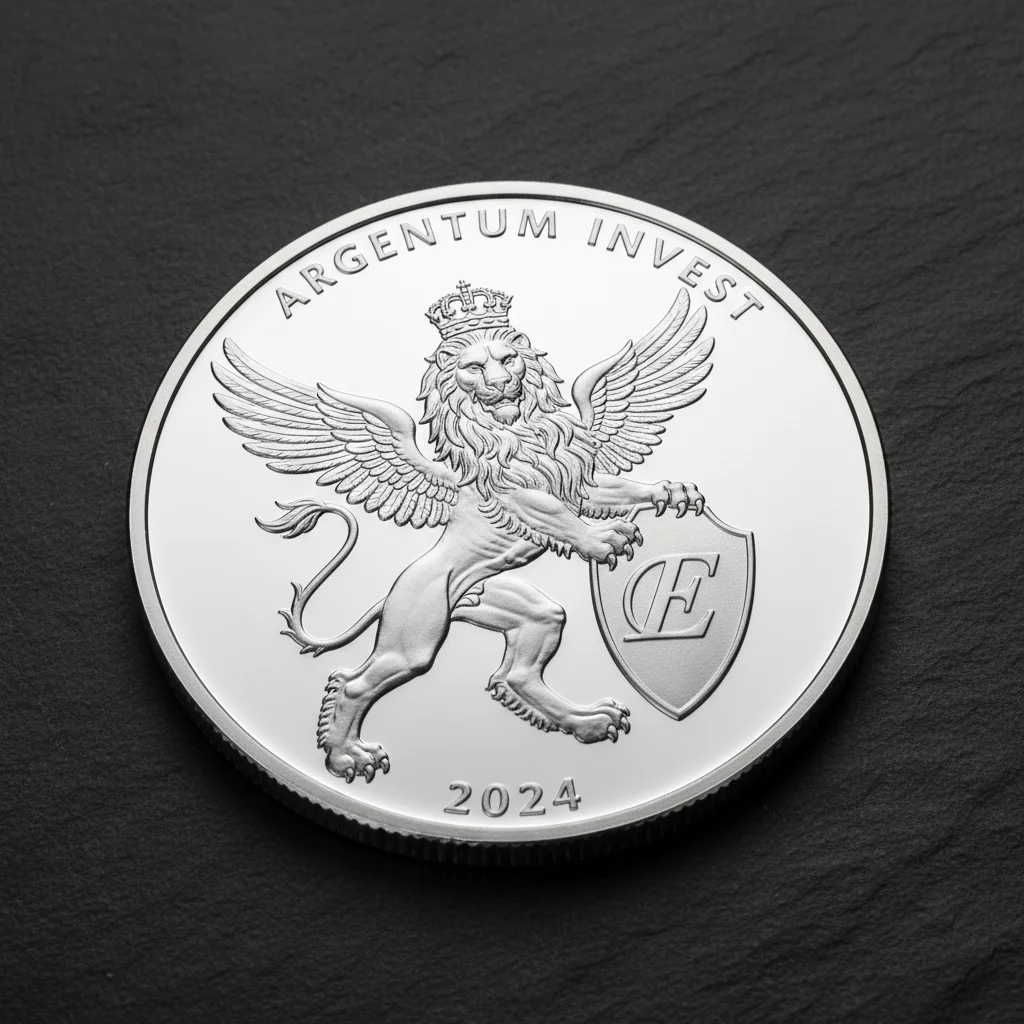
Interest in silver often arises after becoming familiar with gold investments. Like gold, silver is available in the form of investment coins and bars, but the entry threshold for this asset is significantly lower. While purchasing gold requires tens of thousands of rubles, one can invest in silver with just a few thousand.
The key feature of silver is its dual nature. It is both an industrial and an investment metal. This uniqueness distinguishes it from gold, which is used primarily in the jewelry industry and as an investment tool.
This combination makes silver 'gold's pale cousin,' but with its own investment potential, which is largely linked to its industrial applications.
Silver: A Unique Metal for Investors
The Gold-to-Silver Ratio: A Key to Understanding the Market
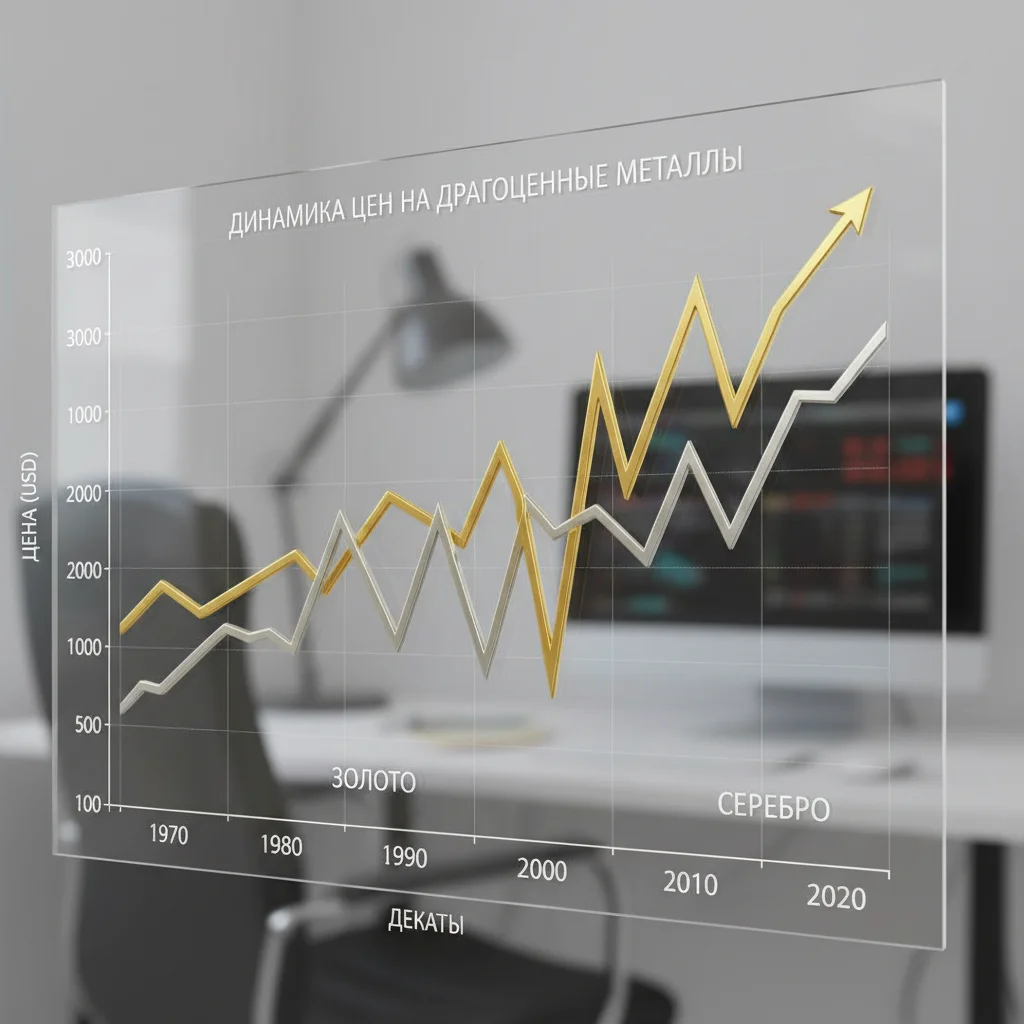
Gold and silver prices are closely linked and move in the same direction. The correlation coefficient between them is very high, around 0.8. This relationship can be described as an 'elastic band': prices can diverge, but over time, they tend to revert to the mean.
The historical gold-to-silver price ratio was approximately 1 to 15 or 1 to 16. However, in modern times, this ratio fluctuates widely, reaching values of 80, 85, and higher. Such a large gap indicates that silver is currently significantly undervalued relative to gold.
These fluctuations in the ratio create opportunities for traders. There are strategies based on playing the changes in this ratio: buying gold and selling silver (betting on a rise in the ratio) or, conversely, selling gold and buying silver (betting on its fall).
The Gold-to-Silver Ratio: A Key to Understanding the Market
Gold as the Benchmark for Inflation Protection
Metric
Gold
Silver
Average annual US inflation
~4%
~4%
Average annual return
~7.5%
Slightly above 4%
Real return (above inflation)
~3.5%
Around zero
To assess the effectiveness of precious metals as an inflation hedge, data from 1968 to 2022 were analyzed. During this period, gold proved to be a more reliable tool for capital preservation in the long term.
A comparison of returns shows a clear advantage for gold. While silver barely covered inflation, gold provided a real return.
These figures indicate that the price of silver has historically been under a certain pressure, which prevents it from showing returns comparable to gold.
Gold as the Benchmark for Inflation Protection
Why Do Major Players Prioritize Gold?
The reason central banks and large institutional investors prefer gold lies in market factors and historical data. For over 55 years, gold has demonstrated better returns with lower risks compared to silver.
Silver, on the other hand, is a riskier asset with lower historical returns. For major players managing vast amounts of capital, it's not just about returns, but also about the asset's stability, predictability, and liquidity.
The exchange-traded market for gold is many times larger and more liquid than the silver market. This allows large funds and banks to enter and exit positions without significantly impacting the price, which is critically important when managing large portfolios.
Why Do Major Players Prioritize Gold?
Palladium and Platinum: Industrial Metals
Besides gold and silver, there are other precious metals like palladium and platinum. However, their investment characteristics differ significantly.
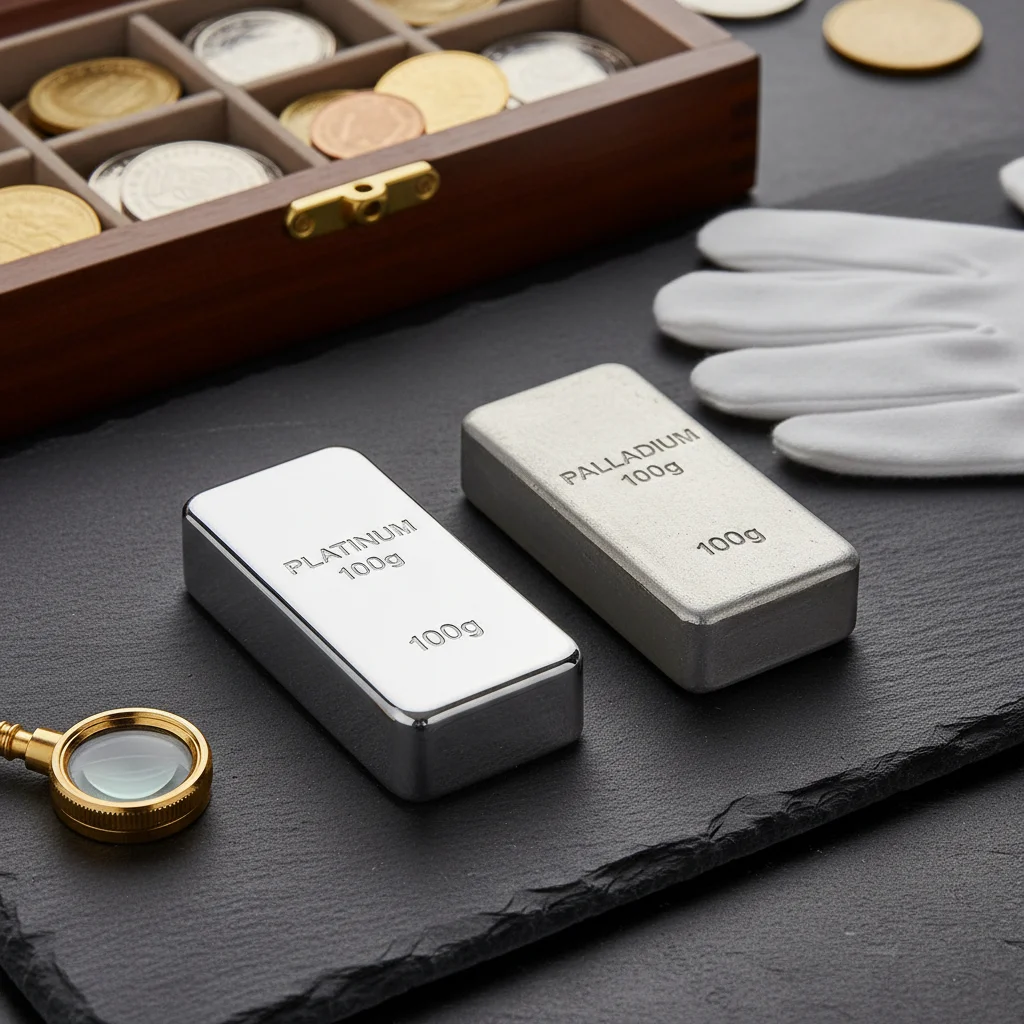
Palladium is largely an industrial metal. Its price is highly correlated with the stock market rather than acting as a safe-haven asset during periods of instability. Platinum is also primarily used in industry, and its market is characterized by extremely low liquidity.
Gold: 90%
Silver: 5-10%
Including palladium and platinum in a portfolio at an early stage is not advisable due to their specific characteristics and high risks.
Instruments for Investing in Metals
There are several ways to invest in precious metals, each with its own advantages and disadvantages.
Physical metal (coins and bars). This is a good option for very long-term investments, but it involves additional storage costs.
Unallocated metal accounts (UMAs). A convenient tool, but it is not covered by deposit insurance systems, which carries certain risks.
Exchange-Traded Funds (ETFs). Allow investing in metals by purchasing shares of a fund, for example, there are funds for gold.
Futures. An instrument that is more suitable for traders than for long-term investors.
Bonds linked to the price of the metal. A relatively new instrument that is also appearing on the market.
Instruments for Investing in Metals
Industrial Demand and the Silver Deficit: A Ticking Time Bomb
The main investment thesis for silver is linked to its growing industrial use. Unlike gold, which mostly remains 'above ground' in the form of bars and jewelry after being mined, silver is actively consumed and used up.
The volume of industrial consumption of silver already exceeds its mining output. This deficit is currently being covered by existing stockpiles held in banks and other vaults. However, these reserves are not infinite.
When the reserves are depleted, an explosive rise in silver prices could occur. It is impossible to predict the exact moment this will happen, but it is this fundamental imbalance of supply and demand that makes silver attractive to long-term investors.
Industrial Demand and the Silver Deficit: A Ticking Time Bomb
Who Will Benefit from a Rise in Silver Prices?
In the event of a significant rise in silver prices, two groups of market participants will be the main beneficiaries. First, silver mining companies, whose profits are directly dependent on the price of the metal they produce.
Second, long-term investors who have been methodically and calmly accumulating physical silver or other related assets will benefit. It's important to understand that investing in the shares of silver mining companies and investing in the metal itself are different strategies, as the mining business carries its own corporate risks.
Therefore, for those betting on a rise in the metal's price itself, it is preferable to choose instruments directly linked to its price, gradually building a position in small increments.
Who Will Benefit from a Rise in Silver Prices?
The Practical Aspect: Storage Costs
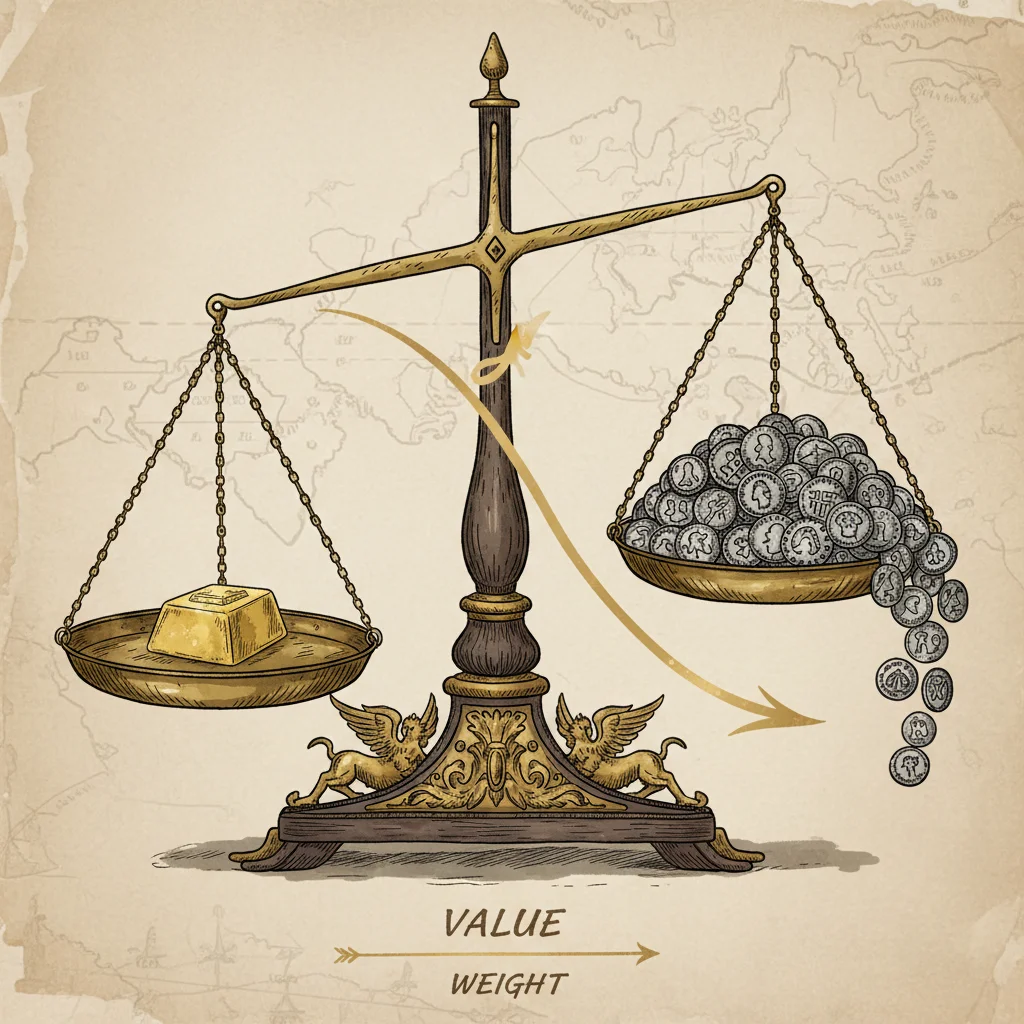
When investing in physical precious metals, the question of storage arises. And here, silver has a significant disadvantage compared to gold, related to its much lower value per unit of weight and volume.
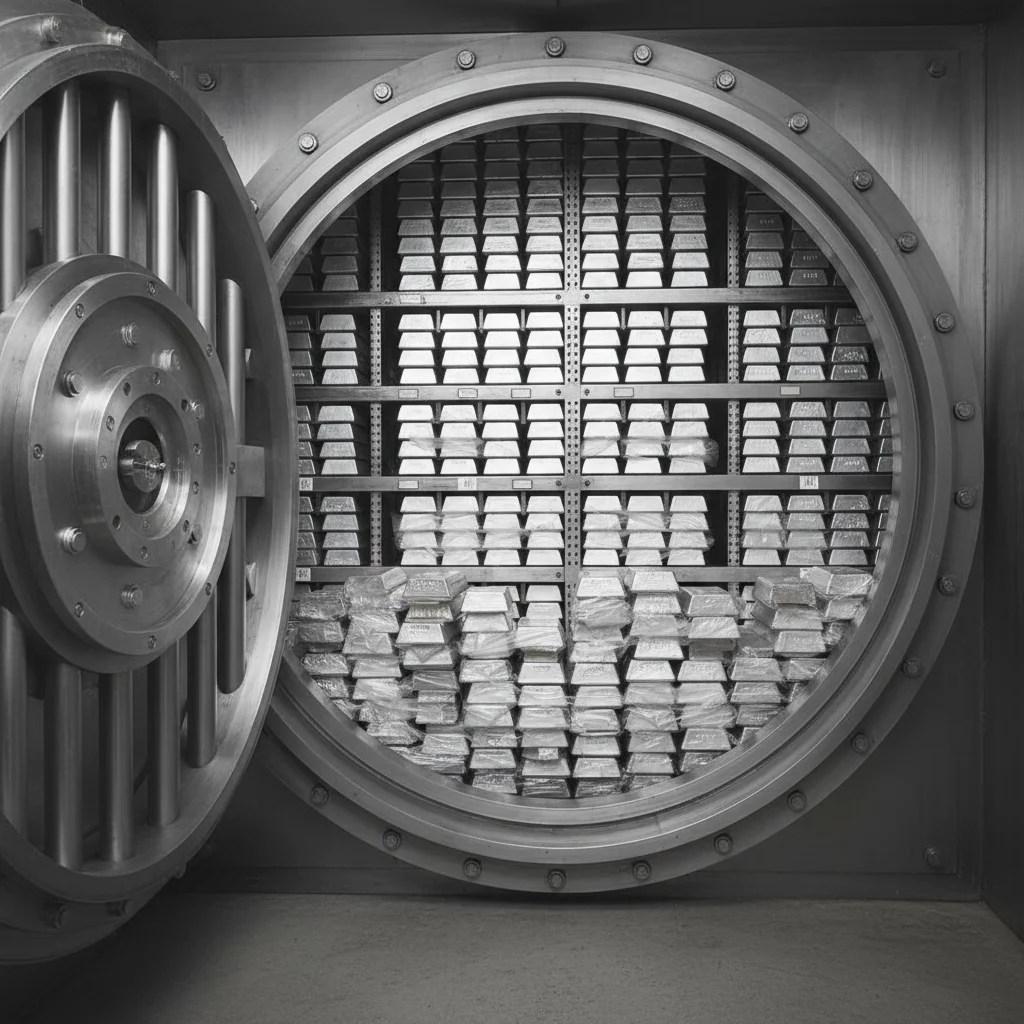
Storing a certain value of gold requires much less space than storing the same value of silver. For example, to invest a large sum, you might need an entire safe for silver bars or coins.
This factor entails additional and quite significant costs for secure storage, which is one of the main drawbacks of physical investment in silver and a reason why many funds and large investors avoid it.