Silverware Restoration: From Lost Luster to High Profitability - AUCBURG | AUCBURG
Silverware Restoration: From Lost Luster to High Profitability
Tarnished silverware shouldn't be hidden away. You can restore its original mirror-like shine in just a few hours, and this process can become a source of good income without interfering with your daily routine.
Tarnished silverware shouldn't be hidden away. You can restore its original mirror-like shine in just a few hours, and this process can become a source of good income without interfering with your daily routine.
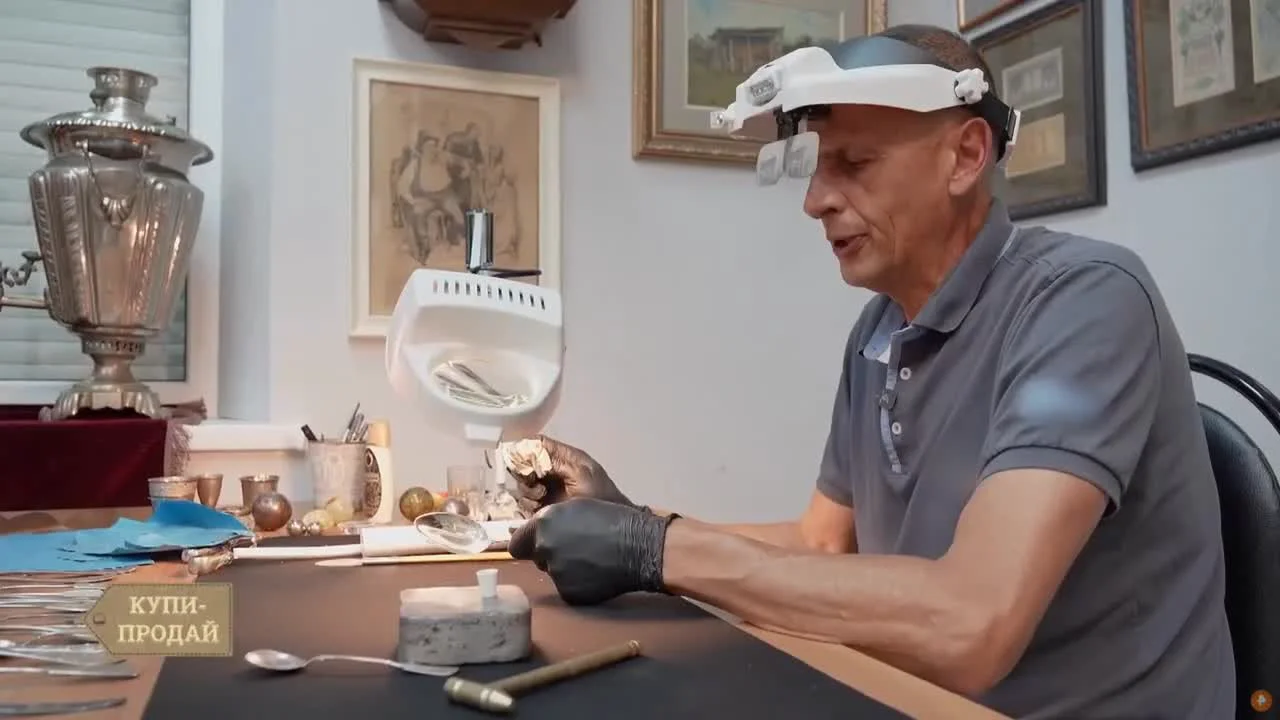
You can set up a small restoration workshop right at home, for instance, on a table in front of the TV. The initial cost for everything you need won't exceed 3,000 rubles. This amount covers both long-lasting tools and consumable supplies that will last for many items.
Necessary Materials and Tools
A specific set of materials is needed for the successful restoration of silverware. Choosing the right products will ensure a high-quality result and preserve the items.
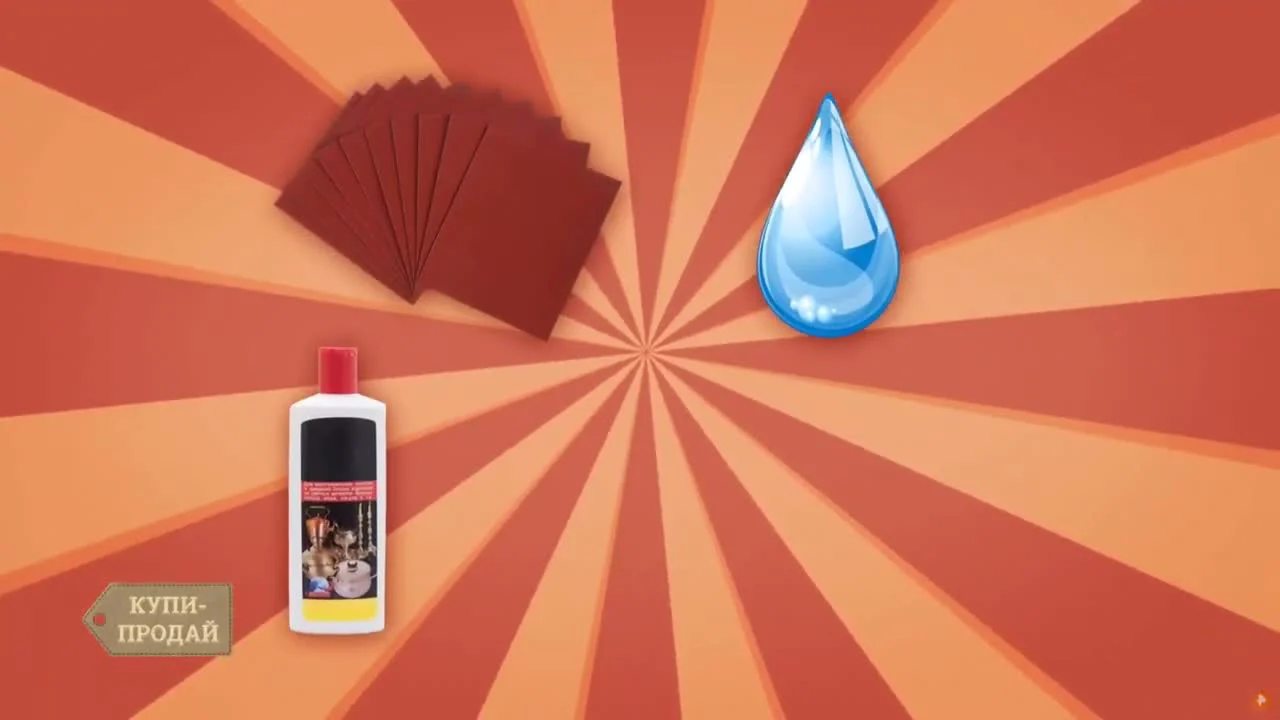
List of necessary items for work:
Sandpaper
Water
Cleaning fluid for oxide removal
Universal polishing paste for metals
Polishing paste for jewelry (silver and gold)
Necessary Materials and Tools
Restoration Subjects: Utensils with a History
Item
Period and Origin
Features
---
---
---
Fork
1970s
Brought from Estonia, had tarnish and spots.
Spoon (1)
1950s
Made by the Moscow Jewelry Factory, with deep scratches.
Spoon (2)
1878
Made in St. Petersburg based on a Fabergé model, a valuable antique.
To demonstrate the restoration process, three different items were chosen, each with its own history and characteristics.
These three pieces represent different eras and types of damage, allowing for a demonstration of a comprehensive approach to restoration.
Restoration Subjects: Utensils with a History
Step 1: Cleaning Off Oxides and Patina
The first and most crucial step in restoration is thorough cleaning. The process begins by applying a special fluid designed to remove all kinds of oxides. This helps wash away years of patina and dirt.
After treatment with the cleaning fluid, the surface of the item becomes clean, allowing for an assessment of its actual condition and revealing all damage, such as scratches or small black spots. Only then can you proceed to the next stages—sanding and polishing.
Step 1: Cleaning Off Oxides and Patina
Step 2: Removing Deep Scratches
If there are deep scratches on the surface of the utensils, they can be removed with wet sandpaper. For delicate work with silver, a fine-grit sandpaper, such as 5000 grit, is suitable.
The sandpaper must be moistened with water. When using wet sandpaper, the item is polished much more easily and gently, which allows for the effective removal of defects without damaging the metal. This method prepares the surface for the final polishing.
Step 2: Removing Deep Scratches
Step 3: Final Polishing to a Mirror Shine
After removing the scratches, the polishing stage begins. First, a universal paste for polishing any metal is used. It helps to smooth out the micro-scratches left by the sandpaper and gives the surface smoothness.
The finishing touch is treatment with a special paste for silver and gold. This product restores the items to their original, bright mirror shine. As a result, all scratches disappear, and the utensil acquires a perfect appearance.
Step 3: Final Polishing to a Mirror Shine
Restoration Results and Financial Benefit
Item
Value Before Restoration
Value After Restoration
---
---
---
1970s Fork
1,000 ₽
2,000 - 2,500 ₽
1950s Spoon
2,000 ₽
7,000 ₽
1878 Spoon
2,000 ₽
10,000 ₽
Professional cleaning and polishing significantly increase the value of silverware. The results speak for themselves: each of the restored items has substantially increased in price.
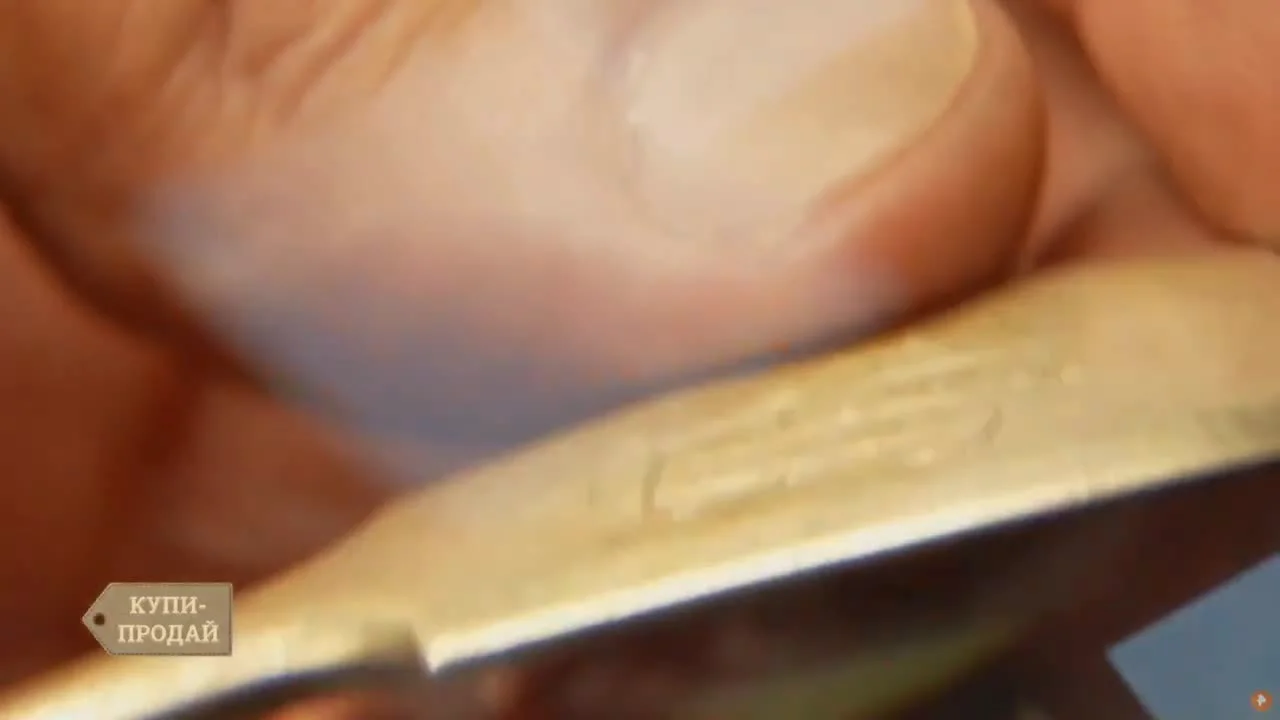
The 1878 spoon is of particular value. Thanks to its excellent collectible condition and well-preserved hallmarks of the Russian Empire, the pool of potential buyers for it expands significantly, which explains such an increase in value.
Restoration Results and Financial Benefit
Warning: How to Avoid Buying a Fake
If you want to make money from restoring silverware, it's important to be aware of the risks. There are a large number of fakes in antique markets, with their share sometimes reaching 70%.
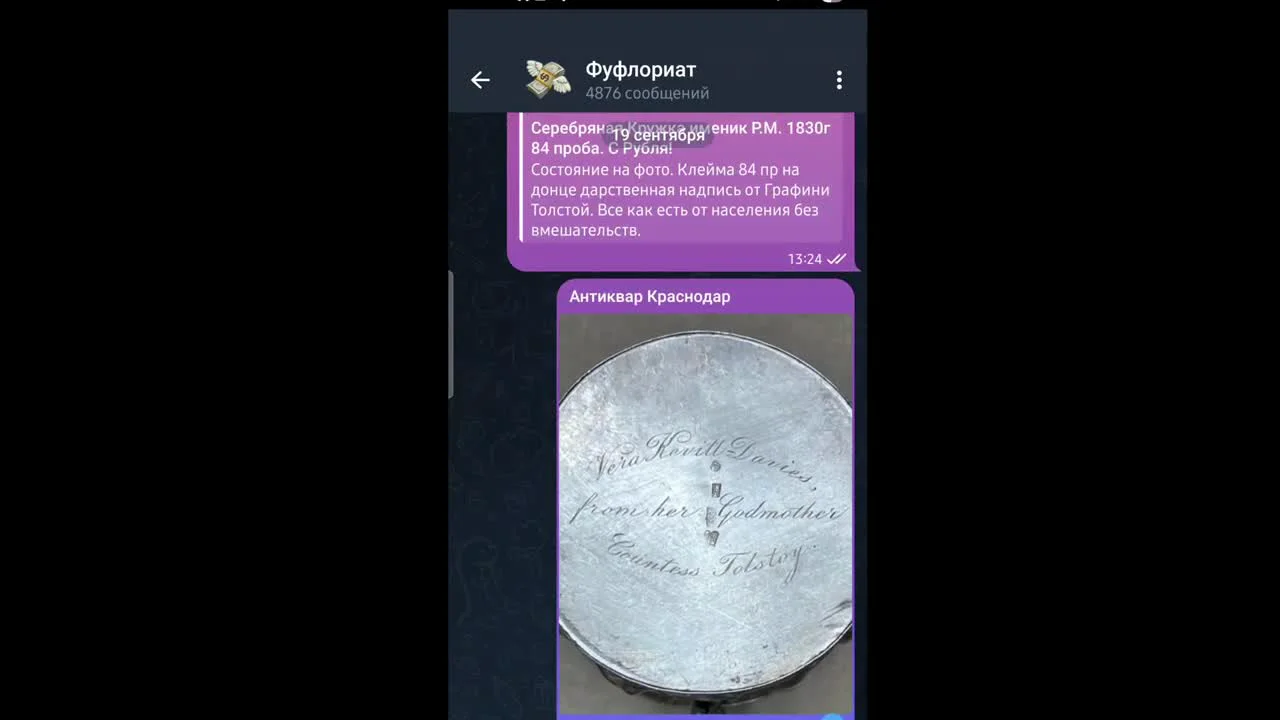
Often, silver-plated items made of non-precious metals are stamped with fake hallmarks imitating the marks of the Russian Empire or the USSR. To avoid falling into the trap of fraudsters, you must carefully study what genuine hallmarks on rare items look like. Diligence when buying is the key to successful and safe collecting and investing.