Antique Silver Coins of the German Empire: Prospects for the Collector - AUCBURG | AUCBURG
Antique Silver Coins of the German Empire: Prospects for the Collector
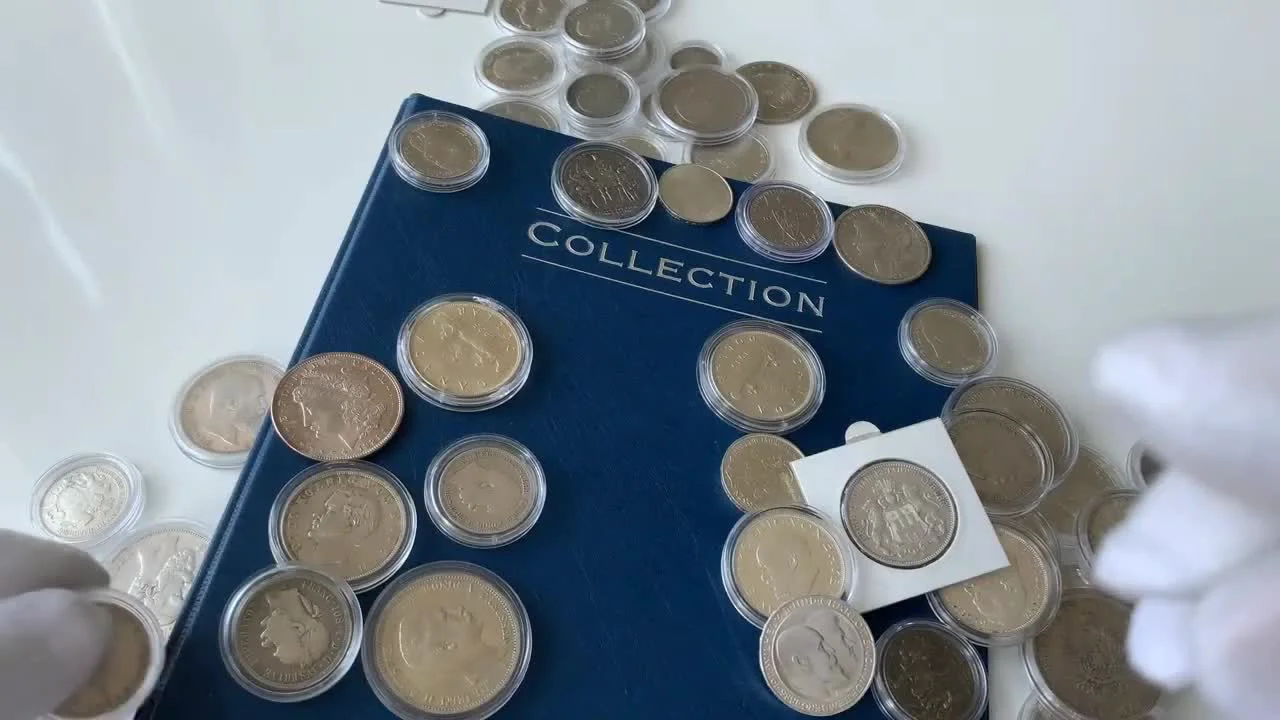
When working with a collection of antique silver coins, the need for sorting arises. It is important to determine which specimens will remain in a personal collection and which will be put up for sale. This process helps to systematize existing assets and formulate a future strategy.
When working with a collection of antique silver coins, the need for sorting arises. It is important to determine which specimens will remain in a personal collection and which will be put up for sale. This process helps to systematize existing assets and formulate a future strategy.
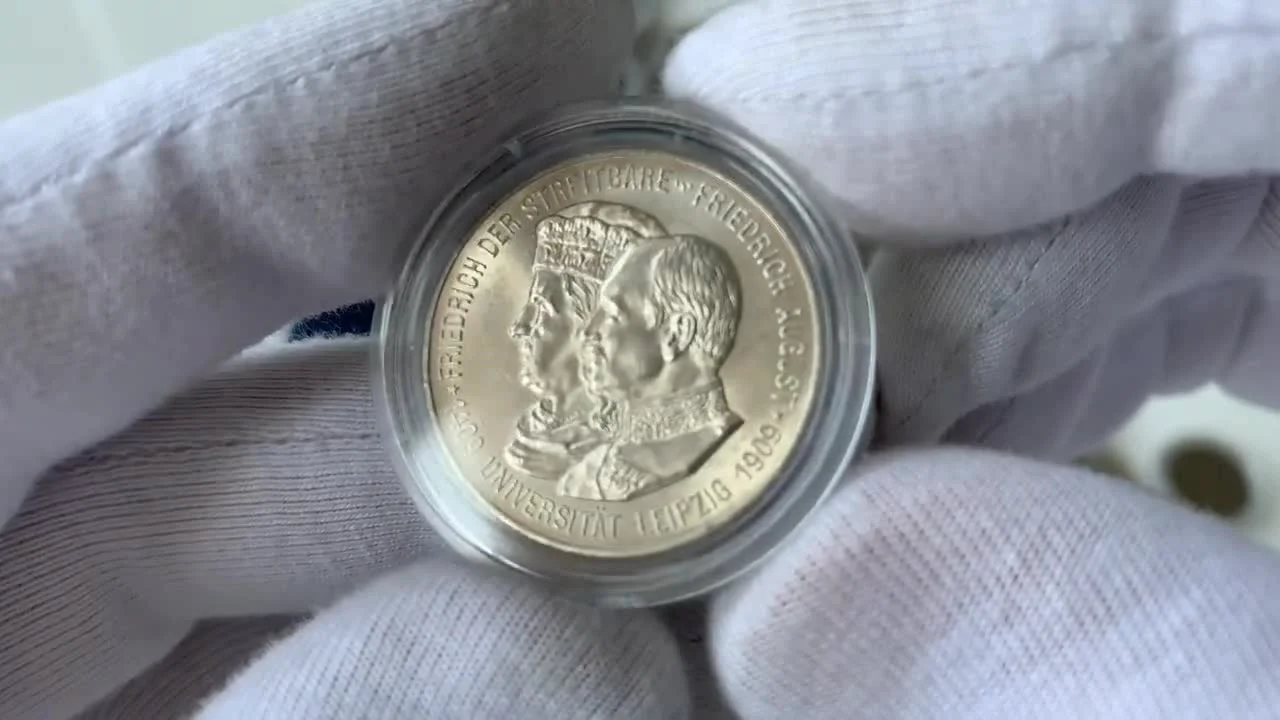
For example, some coins, such as a specimen featuring Leopold, might be definitively kept in the collection due to their condition or rarity. Other specimens are selected for sale at auctions or other platforms.
Selection Criteria: What to Keep and What to Sell
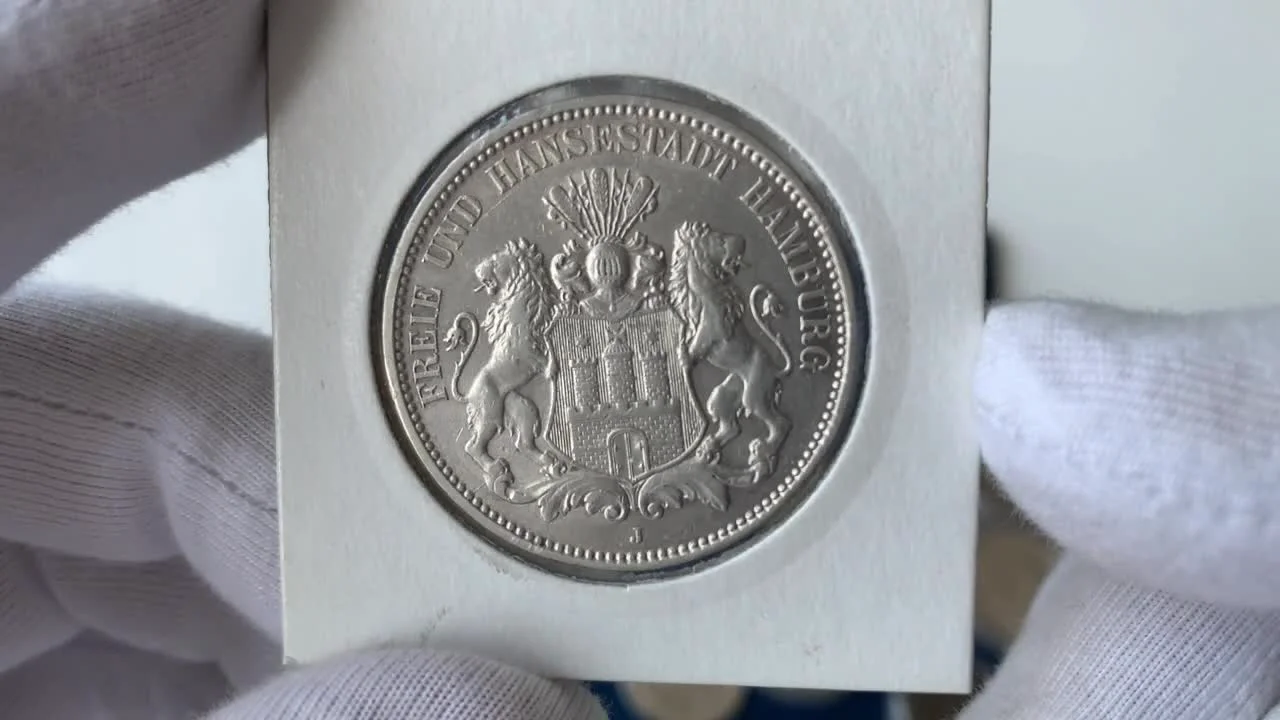
The decision about the fate of each coin is made individually. For instance, a circulated Hamburg five-mark coin might be kept in the collection, even if its condition is not ideal. The main reason for this could be that it is the only such specimen in the collection.
Later, after selling other coins, it will be possible to find and purchase the same five-mark coin, but in better quality, and replace the existing one. This approach allows for the gradual improvement of the collection's quality.
Selection Criteria: What to Keep and What to Sell
Storage Methods: Capsules vs. Holders
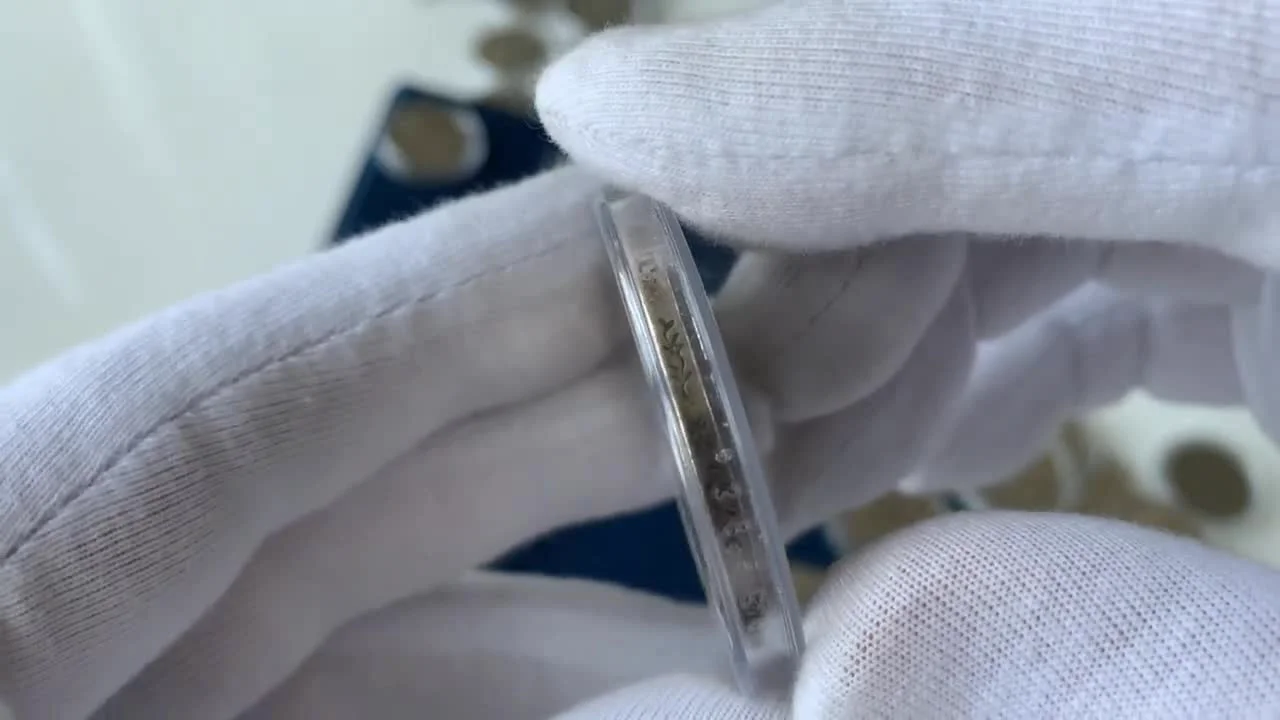
It is not recommended to use cardboard holders for storing antique silver coins. A more preferable option is plastic capsules, which provide better preservation and viewing. For example, a Bavarian three-mark coin can be placed in such a capsule.
Initially, the option of storing coins in quadrum capsules with a black background, placed in Leuchtturm albums or even a special coin cabinet (Münzkabinett), was considered. However, in practice, using regular round capsules is a simpler and more accessible solution.
Storage Methods: Capsules vs. Holders
The Aesthetics of Patina on Antique Silver
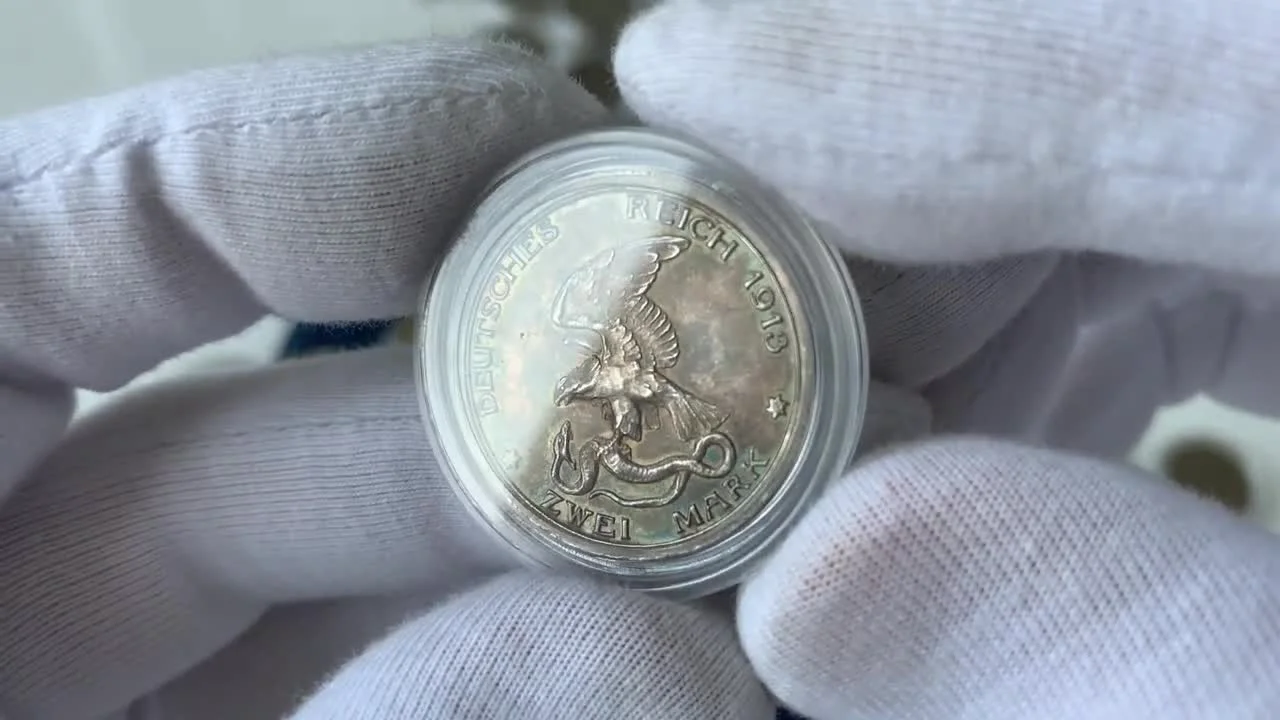
For some collectors, the patina on antique coins holds special value. For example, a two-mark coin with a beautiful natural patina can be aesthetically pleasing. This distinguishes collectors of antique coins from those who collect modern investment pieces, where a perfect shine is valued.
Therefore, patina should not be removed from all coins. In many cases, it is part of the coin's history and adds a unique charm.
The Aesthetics of Patina on Antique Silver
Prospects for Investing in German Empire Coins
Collecting silver coins of the German Empire is considered a very promising direction. These coins are liquid, enjoy stable demand and interest, which suggests their value will be preserved in the future.
In contrast to German coins, prices on the Russian numismatic market are considered 'overheated.' For example, a German Empire coin in excellent quality might cost around 4,000 rubles. At the same time, a common Nicholas II ruble in good condition can sell for 20,000 rubles or more, despite comparable or even larger mintages.
The argument about high domestic demand for Russian coins is not always convincing, as Germany also has a large and active market of collectors. This makes German coins potentially undervalued and attractive for investment.
Prospects for Investing in German Empire Coins
Experience with Auction Sales
The initial experience of selling coins at auctions can be mixed. Out of 12 coins put up for sale, most were sold at a loss, and only a few specimens turned a profit, resulting in an overall negative financial outcome.
This experience shows that where you buy coins matters a great deal, and purchasing specimens online based only on a description, without visual inspection, is a risky strategy. Nevertheless, there were also successful sales.
An American 'Peace Dollar' from 1923 was sold for approximately 2,000 rubles.
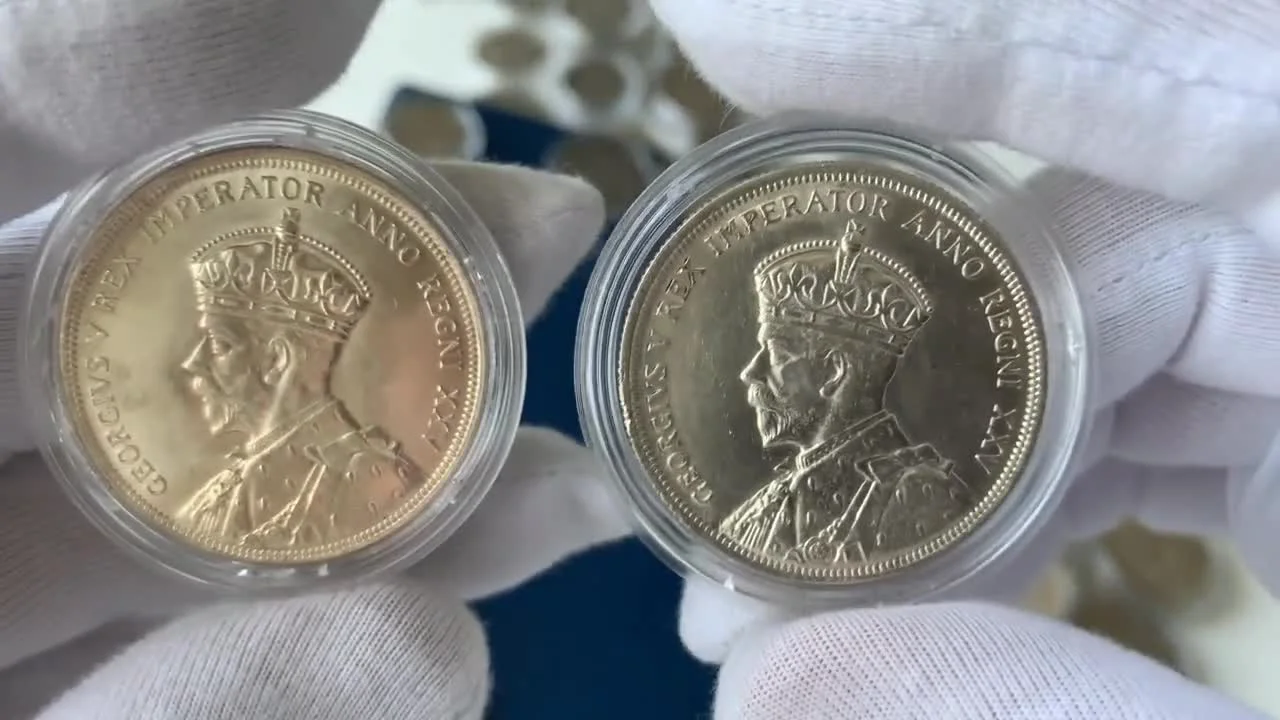
A Canadian dollar, on the other hand, sold very well at auction, bringing in about 20 euros (approximately 1,500 rubles) in profit.