Investing in Coins: From the First Purchase to Organizing a Collection - AUCBURG | AUCBURG
Investing in Coins: From the First Purchase to Organizing a Collection
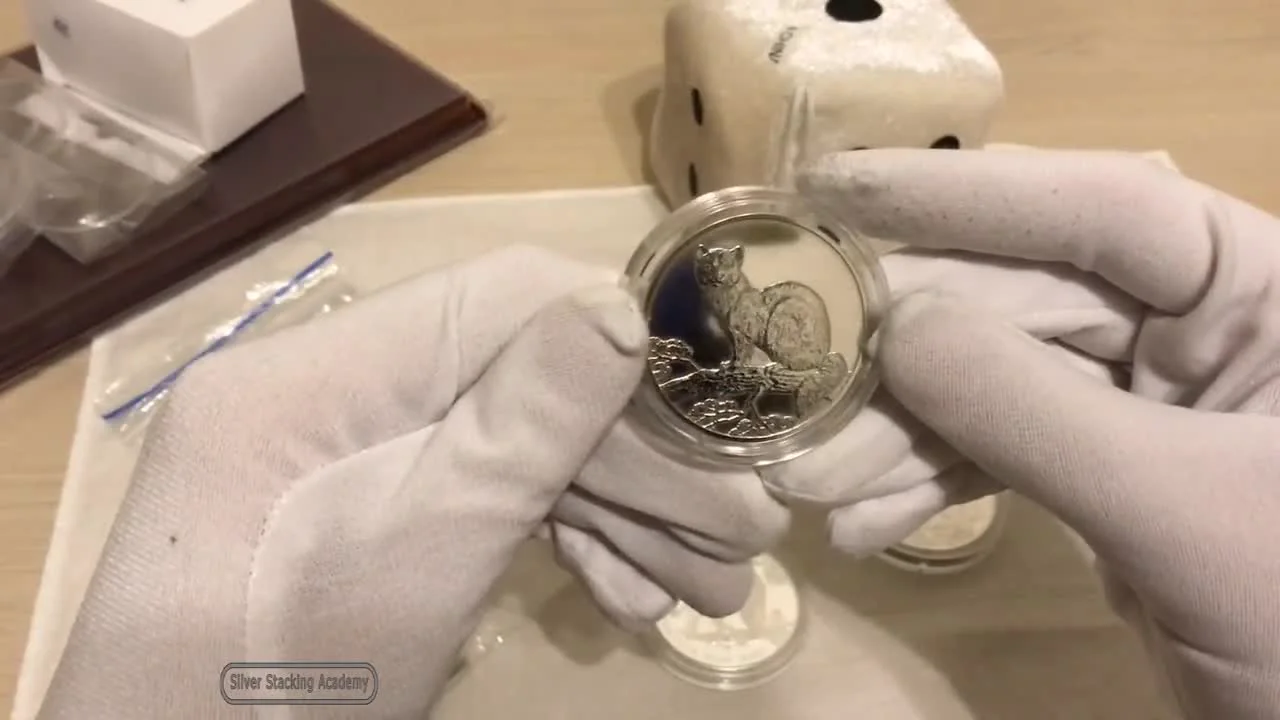
A collector's story can begin with an accidental purchase. An example is the acquisition of a silver "Sable" coin, bought long ago for 390 rubles, even before it gained investment status. The coin was forgotten for a time but was later found, cleaned, and placed in a protective capsule.
The Beginning of the Journey: The First "Sable" Coin
A collector's story can begin with an accidental purchase. An example is the acquisition of a silver "Sable" coin, bought long ago for 390 rubles, even before it gained investment status. The coin was forgotten for a time but was later found, cleaned, and placed in a protective capsule.
Over time, the value of such items can increase significantly. According to preliminary estimates, the price of this coin today exceeds 1,000 rubles, although the final value heavily depends on its condition. This case illustrates how even a single purchase can become the start of a serious hobby and a valuable asset.
From Bank Deposits to Precious Metals
Declining interest rates on bank deposits are forcing people to look for alternative ways to preserve capital. One such avenue is investing in precious metals, which are considered a stable asset. The first step in this direction could be buying a small silver bar, for example, to get familiar with the process.
However, investing in bullion bars has its peculiarities. A tax of 18% is levied upon purchase, and there is also a significant spread (the difference between the buying and selling price), which makes such investments effective only in the very long term.
From Bank Deposits to Precious Metals
Building a Collection: Visual Appeal
Investing in coins can be not only pragmatic but also aesthetically pleasing. Many collectors prefer to acquire coins with interesting designs rather than just standard investment pieces, like the "George the Victorious," which can seem boring.
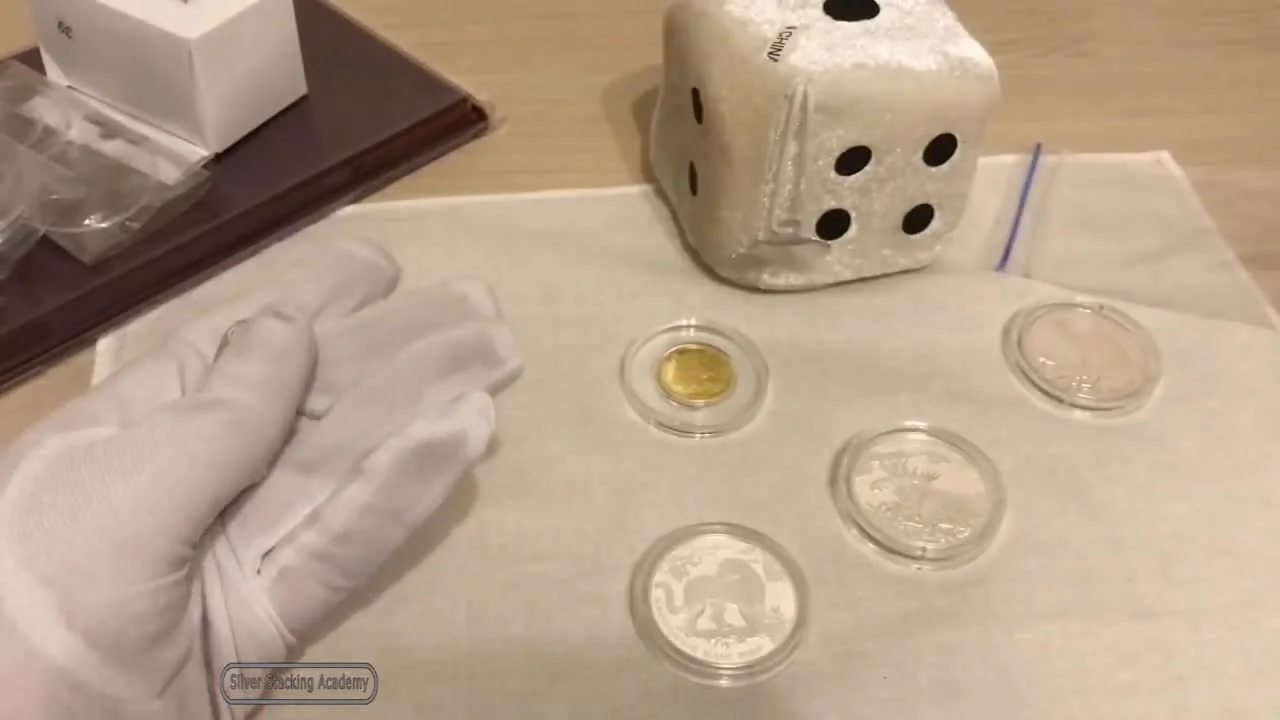
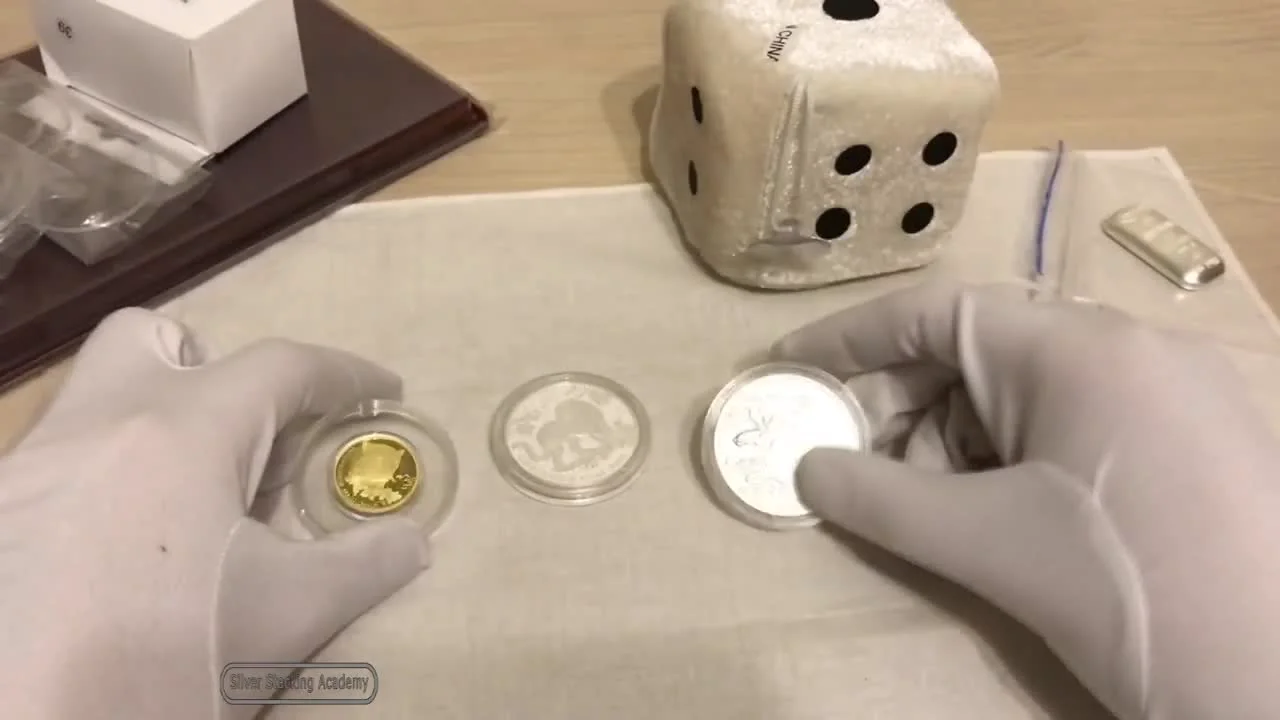
A gold "Persian Leopard" coin with a mintage of only 1,500 pieces.
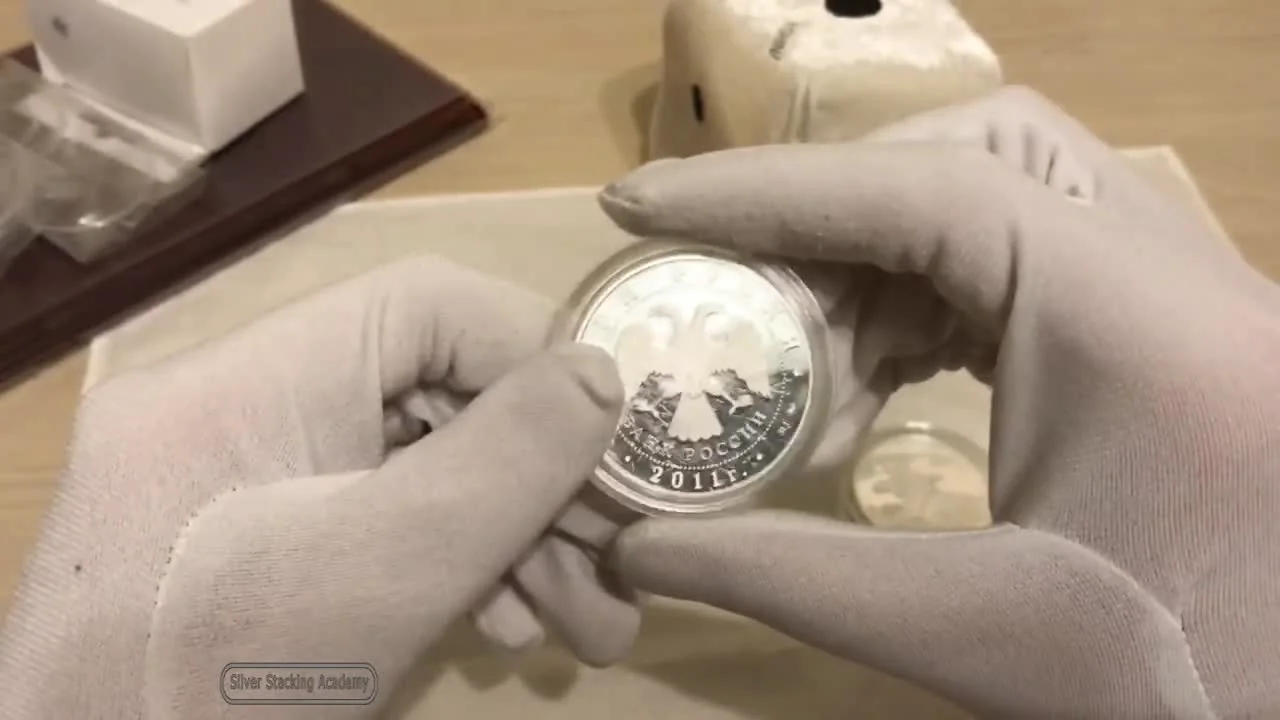
A silver "Leopard" coin in Proof quality with a mintage of 10,000 pieces.
A silver "Moose" coin from the same series.
This approach allows one to collect not just metal, but items that are visually appealing, creating a unique and valuable collection.
Building a Collection: Visual Appeal
The Storage Problem: Different Capsule Diameters
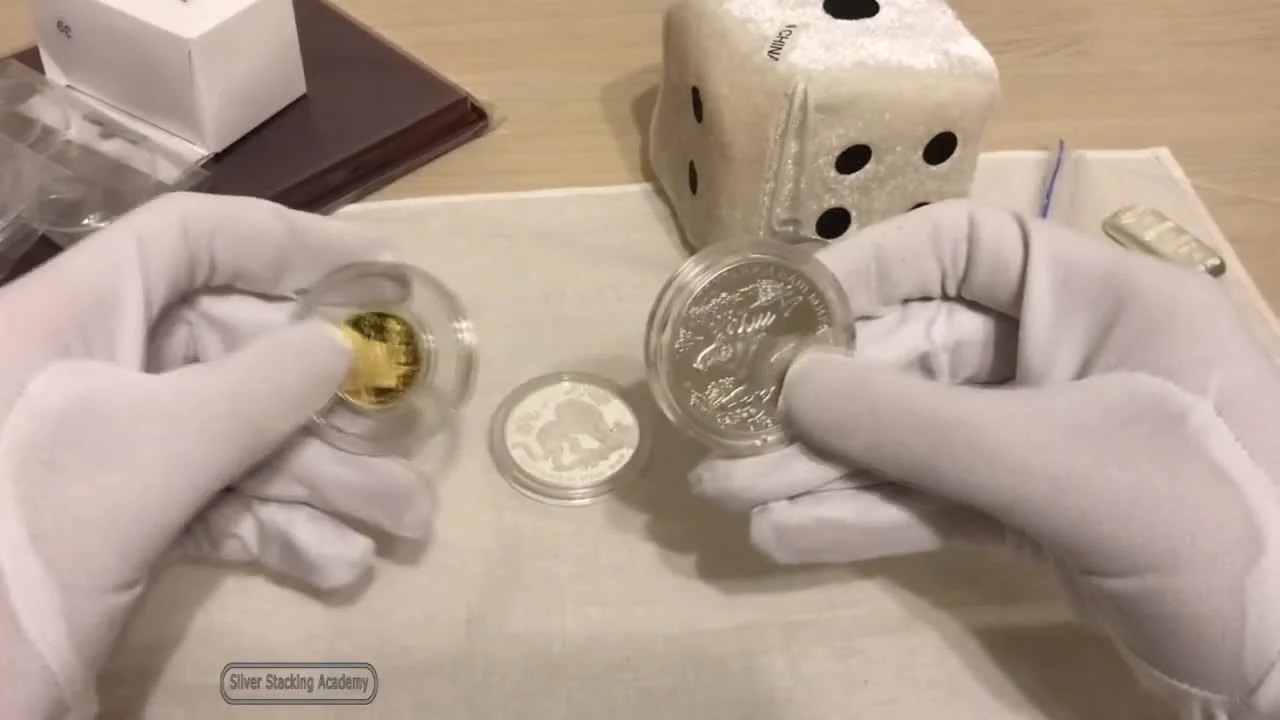
As a collection grows, a practical storage problem arises. One unexpected difficulty can be the difference in capsule sizes even for coins from the same series. For example, gold coins often come in capsules with an outer diameter of 44 mm, while silver coins from the same series might be in capsules with a 46 mm diameter.
This discrepancy creates inconvenience, as it requires different storage systems (trays, boxes) for seemingly identical items. The lack of a universal standard for outer capsule diameters forces collectors to seek non-standard solutions to organize a unified and tidy storage.
The Storage Problem: Different Capsule Diameters
A Universal Storage Solution
Parameter
Value
Capsule SKU
6700089T
Inner Diameter
39 mm
Outer Diameter
44 mm
Coin Thickness
up to 3.3 mm
Total Capsule Thickness
7 mm
A simple and effective solution was found to solve the problem of different sizes — replacing standard capsules with universal ones. There are capsules on the market that fit coins of a specific inner diameter but have a standardized outer size, for example, 44 mm.
This allows for the repacking of silver coins from their original 46 mm capsules into new ones, matching the size of the capsules for gold coins. Thus, the entire collection can be stored in identical cells of a single tray or box.
The cost of such a solution is quite affordable: a storage tray cost about 125 rubles, and a pack of 10 capsules cost 150 rubles.
A Universal Storage Solution
Organizing the Collection in a Tray
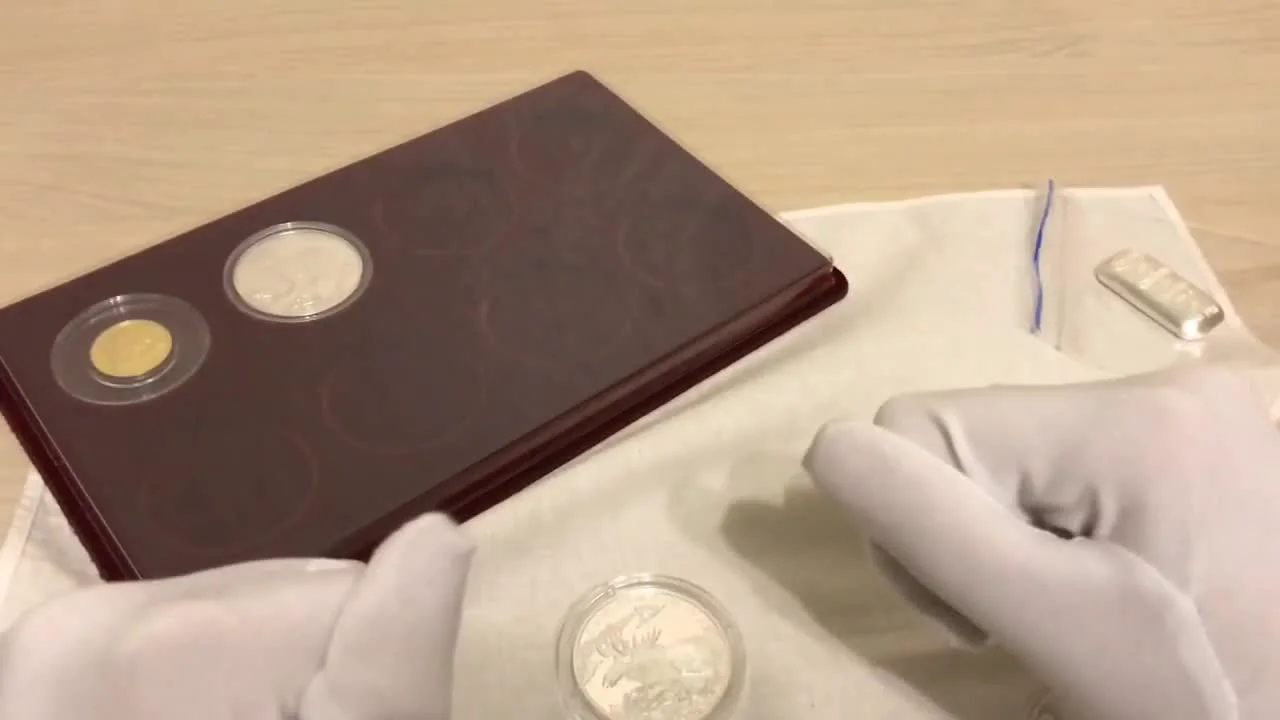
The process of standardizing storage begins with carefully removing the coins from their "factory" capsules. A small suction cup can be used to open so-called "tamper-proof" capsules. After removal, the coin is placed in a new capsule with a standard outer diameter.
Then, the coins in identical capsules are placed in the cells of a special velvet-lined tray. The result is an aesthetically pleasing and organized collection where all exhibits are stored under the same conditions. An important tip: do not throw away the original capsules, as they may be needed for a future sale of the coins.