Features and Advantages of the Antiques Business - AUCBURG | AUCBURG
Features and Advantages of the Antiques Business
The antiques business is fundamentally different from other forms of commerce. While the desire to make money is at the core of any business, in the world of antiques, that's not enough. Here, a love for the items themselves—works of art, objects of material culture, and antique pieces—plays a key role.
The Soul of the Antiques Trade: A Love for History
The antiques business is fundamentally different from other forms of commerce. While the desire to make money is at the core of any business, in the world of antiques, that's not enough. Here, a love for the items themselves—works of art, objects of material culture, and antique pieces—plays a key role.
People enter this field driven by more than just commercial interest. Success in the antiques business requires a combination of several qualities:
A love for money. This is the foundation of any commerce.
A commercial instinct. An innate or acquired aptitude for trade.
Opportunities. The availability of resources to conduct business.
A love for history and art. This is the dominant factor that distinguishes an antiques dealer from an ordinary merchant.
The fourth point is the decisive one. In this field, there are virtually no people who do not have a genuine interest in and love for antique items. This is a business for those who not only want to earn money but also derive pleasure from the process itself.
Collector and Dealer: Two Sides of the Same Coin
The majority of people who enter the antiques business are collectors. It can be argued that every collector is, to some extent, an antiques dealer, as building a collection is impossible without the constant movement of items.
To improve their collection, a collector must exchange or sell some pieces to acquire others. From a civil law perspective, both exchange and sale are forms of property alienation and, in essence, commercial activities.
Herein lies one of the main distinctions: an antiques dealer loves the subject of their trade. Unlike a home appliance salesman, who is unlikely to have deep feelings for refrigerators, an antiques dealer is passionate about their merchandise.
Collector and Dealer: Two Sides of the Same Coin
Knowledge as Primary Capital
Another distinctive feature of the antiques business is the paramount role of knowledge. While in most other fields the dominant factor for success is having start-up capital, here things are different.
Many enter the world of antiques with only deep knowledge in a specific area but without significant financial resources. For example, former cultural workers who started their careers as consultants, experts, or intermediaries in transactions.
Their main task was the attribution and authentication of items, which allowed them to earn money from their knowledge. Over time, having accumulated funds, they were able to open their own shops and transition to independent trading.
Knowledge as Primary Capital
Paths into the Antiques Business
The antiques trade is multifaceted and is not limited to a simple 'buy-sell' model. There are several paths and roles in this business:
Experts and consultants. They are the elite of the antiques world, whose main assets are knowledge and reputation.
Restorers. People from related professions, such as cabinetmakers, can successfully engage in the restoration of antique furniture.
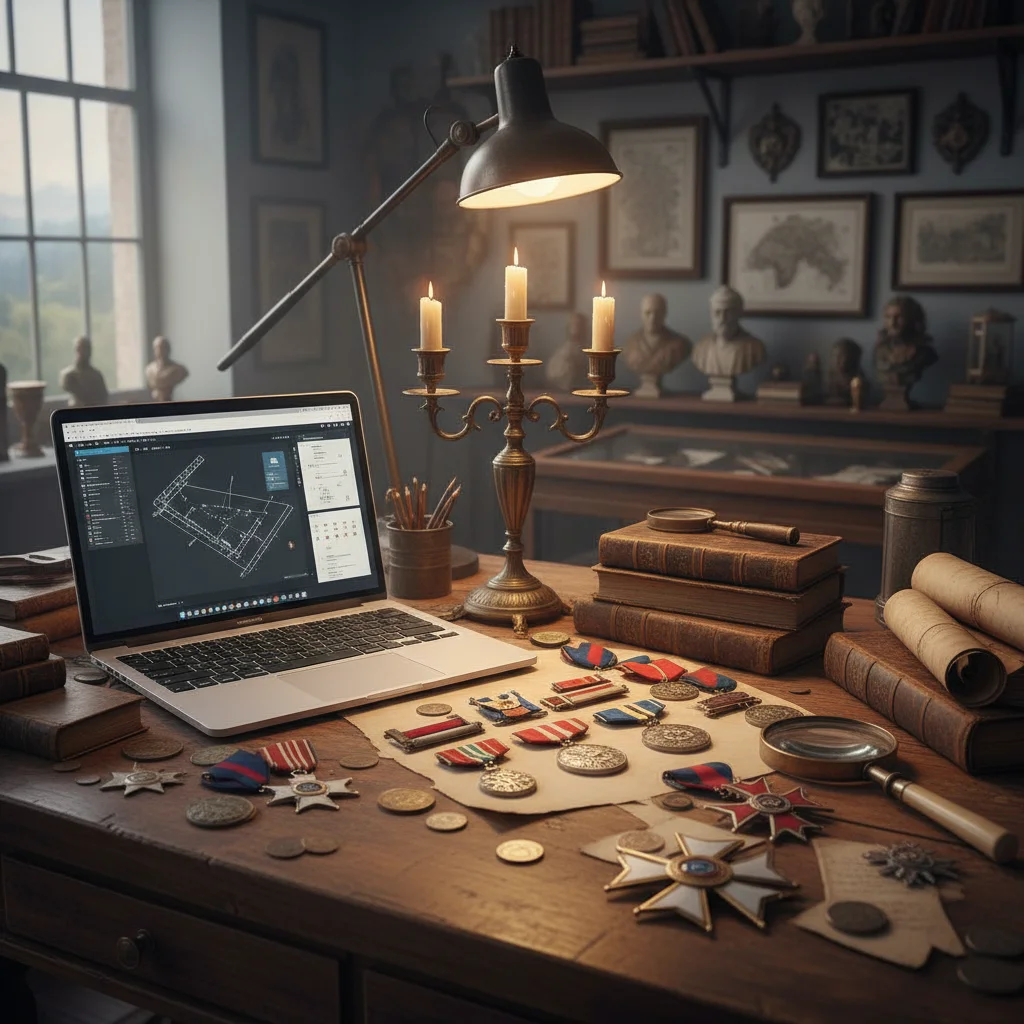
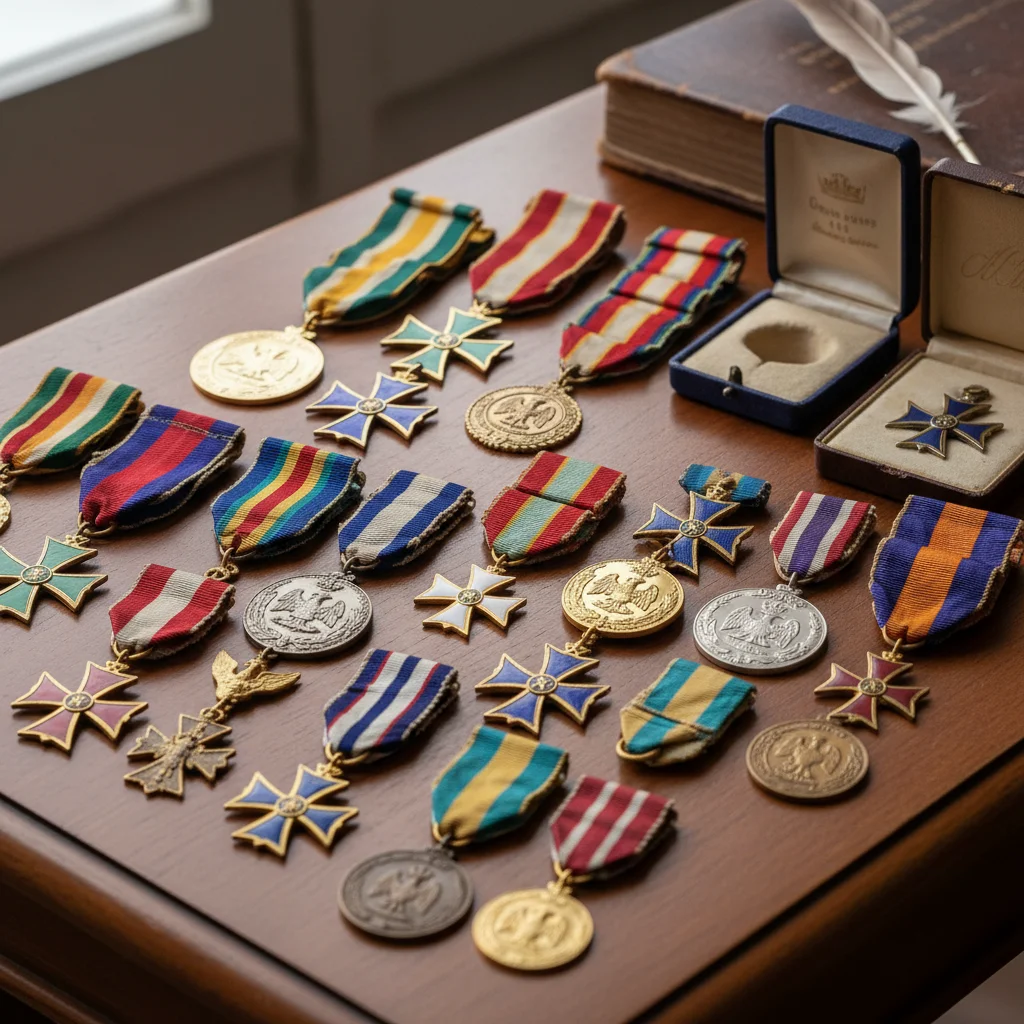
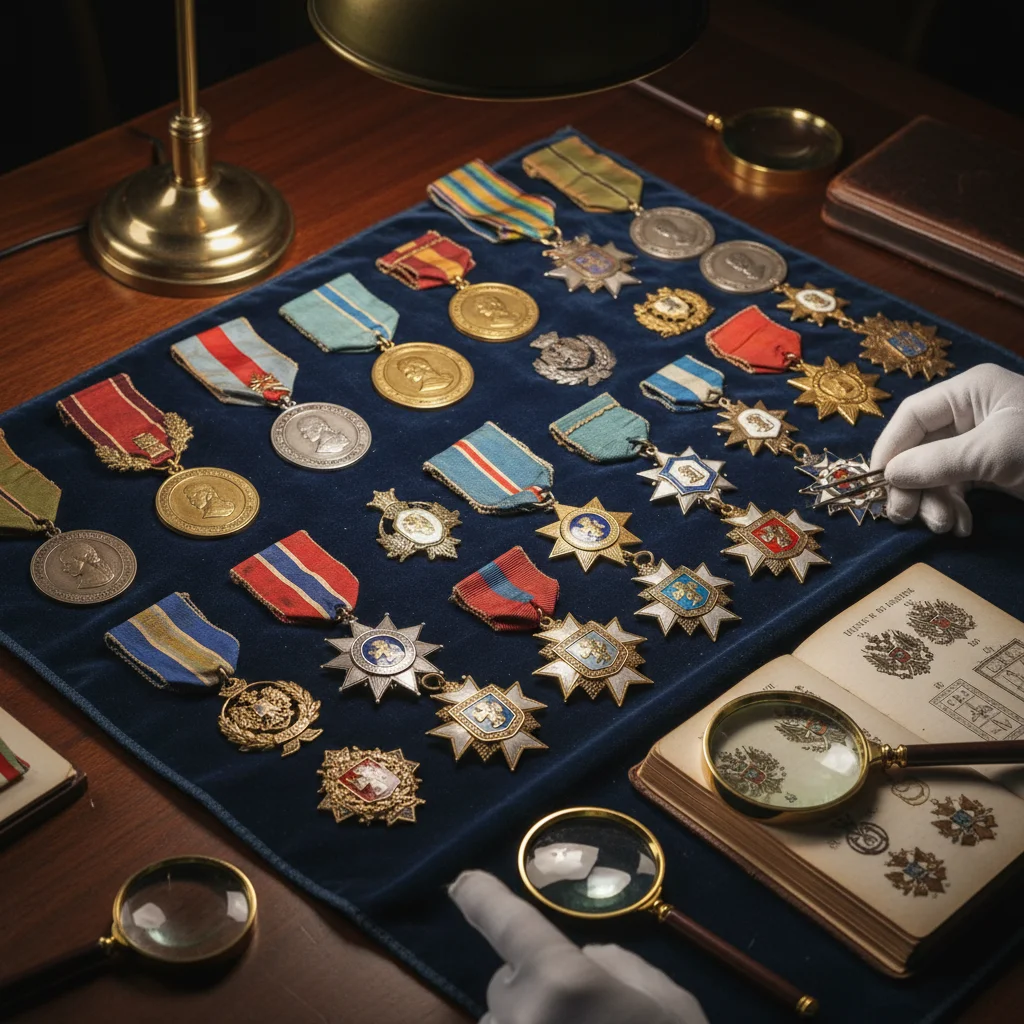
Niche specialists. Dealers who focus on one specific area, be it coins, medals, or paintings.
Generalists. Dealers who work with a wide range of items and often bring in niche specialists for consultations.
For many, the antiques trade becomes not just a job but a way of life that brings moral satisfaction. It is a passion that grows into a profession, allowing for continuous development and learning.
Paths into the Antiques Business
Flexibility and a Low Barrier to Entry
The antiques business is highly flexible. It can be pursued alongside a primary job, for instance, by using weekends to visit flea markets. Modern technologies open up even more opportunities.
Online trading has become very popular in this field. It allows for significant cost reduction as it does not require renting retail space. Items can be sold through various online platforms or personal websites.
This business does not always require large investments. One can start with a small amount, for example, 100 euros, and with knowledge and experience, multiply their capital several times over in a few months. This makes the antiques trade accessible to a wide range of enthusiasts.
Flexibility and a Low Barrier to Entry
Antiques as an Investment and a Liquid Asset
One of the most important advantages of antiques is their liquidity. In unstable economic and political times, this quality becomes particularly significant. Unlike bulky items like furniture or large paintings, small antiques are easy to transport.
Items such as medals, jewelry, or silver can be easily taken with you, allowing the business to continue in any safe location. This mobility of goods is a major advantage.
Moreover, antiques are not just a commodity but an investment. During periods when money depreciates, people look for stable assets to preserve their capital. Antique items, which have survived more than one war and revolution, are precisely such a 'timeless' asset. The experience of crises, such as the one in 1998, shows that during such times, the demand for antiques as a means of preserving wealth only grows.
Antiques as an Investment and a Liquid Asset
Finding Your 'Niche' for Success
As in any other business, to succeed in the antiques trade, you need to find your 'niche'—a unique advantage that sets you apart from the competition. Competition in this field is constantly growing, so it's important to have your own specialty.
This 'niche' could be:
Access to a cheap source of goods. For example, the ability to buy items directly from the public or at estate sales.
Specializing in restoration. If you have restoration skills, you can buy damaged items at a low price, restore them, and sell them for significantly more.
A profitable trading location. Even a small corner in a high-traffic area can provide a good start.
Simply reselling goods from one online platform to another is a difficult path, especially for a beginner. It is much more effective to find your own unique selling proposition.