Investing in Antiques: A Formula for Profitability and Risk Analysis - AUCBURG | AUCBURG
Investing in Antiques: A Formula for Profitability and Risk Analysis
There is no single unique formula for calculating the return on investment in antiques; however, general financial principles can be applied. The simplest approach allows for a basic understanding of an investment's effectiveness.
There is no single unique formula for calculating the return on investment in antiques; however, general financial principles can be applied. The simplest approach allows for a basic understanding of an investment's effectiveness.
The basic formula for returns is as follows:
To illustrate, let's consider an example: an item was bought for 100 euros and sold for 120 euros. During the ownership period, an additional income of 5 euros was generated (for example, from exhibition fees). In this case, the return would be ((120 - 100) + 5) / 100 * 100% = 25%. This basic formula does not account for the time factor but provides a general understanding.
The Origins of Art Investing
The idea of investing in objects of material culture originated in America after World War II. At that time, the population possessed many such items, and a need arose for their financial valuation.
This approach was supported at the state level. For example, when applying for a U.S. visa, it is necessary to declare not only deposits and real estate but also any antiques owned. This indicates that art objects are considered a full-fledged asset, on par with traditional forms of property.
The Origins of Art Investing
Art Market Indexes: From Sotheby's to Artprice
As the market developed, a need arose for its analysis, an assessment of its role in the financial mechanism, and the systematization of pricing. This idea was adopted by leading auction houses, such as Sotheby's and Christie's, which created their own analytical departments.
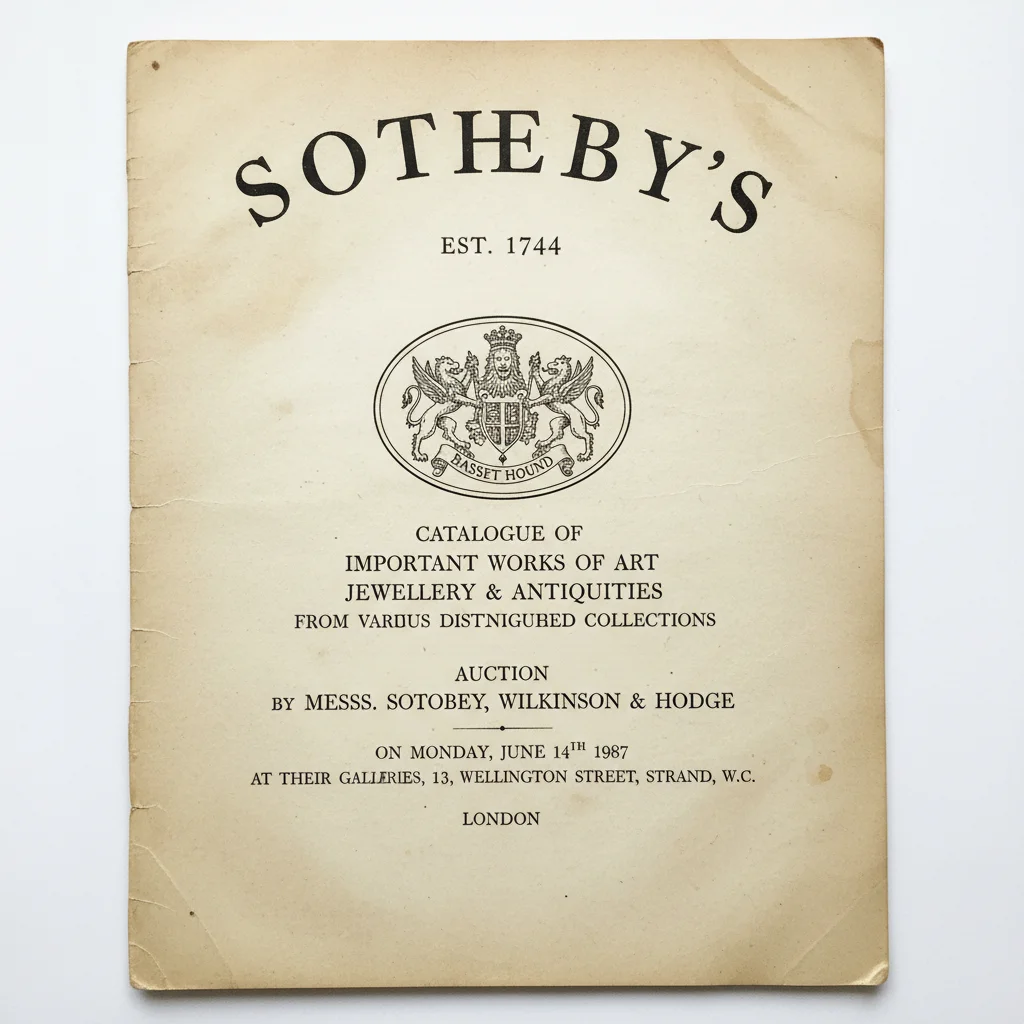
In 1967, the auction house Sotheby's first released an index based on the analysis of sales across 30-40 thematic areas (painting, furniture, etc.) over several years. This index tracked sales dynamics, dividends, and value growth. In 1975, it was updated with new data but was not published in full to avoid market manipulation.
Currently, other reputable indexes also exist. For example, the French resource Artprice has been publishing its index since 1987, based on the analysis of 17,000 auctions worldwide and the opinions of 100 experts. It is important to understand that all these indexes are based on the analysis of past sales and are not forecasts for the future.
Art Market Indexes: From Sotheby's to Artprice
The Modern Art Market and Financial Institutions
Today, the idea of investing in art is also supported by major financial institutions. Leading banks such as JP Morgan, Citibank, and Deutsche Bank offer their clients services for investing in objects of material culture.
These banks advise clients, assist with investments, and can provide loans secured by antiques. They work closely with experts, museums, and art galleries. However, the entry threshold for such services is quite high—for example, at Deutsche Bank, it starts at 100,000 euros.
In addition to banks, there are also specialized art funds. In Germany, to establish such a fund, at least 40% of its authorized capital must consist of tangible cultural objects. All this demonstrates the capitalization of the art market and its integration into the global financial system.
The Modern Art Market and Financial Institutions
Key Factors in the Value of Antiques
The value of an antique item is composed of several key components. Understanding these factors is fundamental to making an investment decision.
Four main components can be identified that form the final value:
Material. Items made from precious metals (gold, silver) have an intrinsic value that only increases over time. This provides a basic guarantee of the investment's value growth.
Cultural component. An object may have special value for a particular society or region, making it sought after in the local market and increasing its price.
Historical component. If an item belonged to a famous historical figure, such as Napoleon, and this is documented, its value increases many times over.
Rarity. The uniqueness of an item directly affects its price. Mass-produced items, even with a history, are valued less than one-of-a-kind pieces.
Key Factors in the Value of Antiques
A Successful Investor's Strategy
The main profit in antique investing is established at the purchasing stage. Based on this, several rules for successful activity can be formulated.
Minimize the purchase price. It is necessary to strive to acquire the item at the lowest possible price.
Reduce maintenance costs. It is important to minimize storage and security expenses. A reliable and cost-effective option should be chosen, whether it's a bank deposit box or a home safe, and appropriate insurance should be obtained.
Generate income from ownership. Ideally, the item should not just sit as a dead weight. It is worth considering opportunities to generate rental income, for example, by lending the collection for exhibitions, which can partially cover storage costs.
Presentation and popularization. It is necessary to work on the fame of the item or collection. Online publications, participation in exhibitions, and the creation of catalogs increase popularity and, consequently, the final sale price.
A Successful Investor's Strategy
Key Risks of Investing in Antiques
Like any other investment, investing in antiques involves certain risks that must be taken into account.
Criminal risks. Theft or damage to the item is one of the main risks. Therefore, it is important to pay due attention to security and storage.
Tax risks. Depending on the country's legislation, owning and selling antiques may be subject to taxes. Failure to pay taxes can lead to fines, which will increase the overall cost of the asset.
Financial risks (liquidity). Unlike securities, antiques are a less liquid asset. During a financial crisis, it can be more difficult to sell one expensive item for 10,000 euros than ten items for 1,000 euros each, as the purchasing power of the middle class decreases.
Risk of forgeries. The antiques market is flooded with fakes. To avoid investing in a forgery, it is necessary to consult several independent experts for attribution before purchasing.
Key Risks of Investing in Antiques
A Promising Area: Historical Photography
New promising areas for investment are constantly emerging in the antiques market. One such area, which is just beginning to gain popularity, is historical photography.
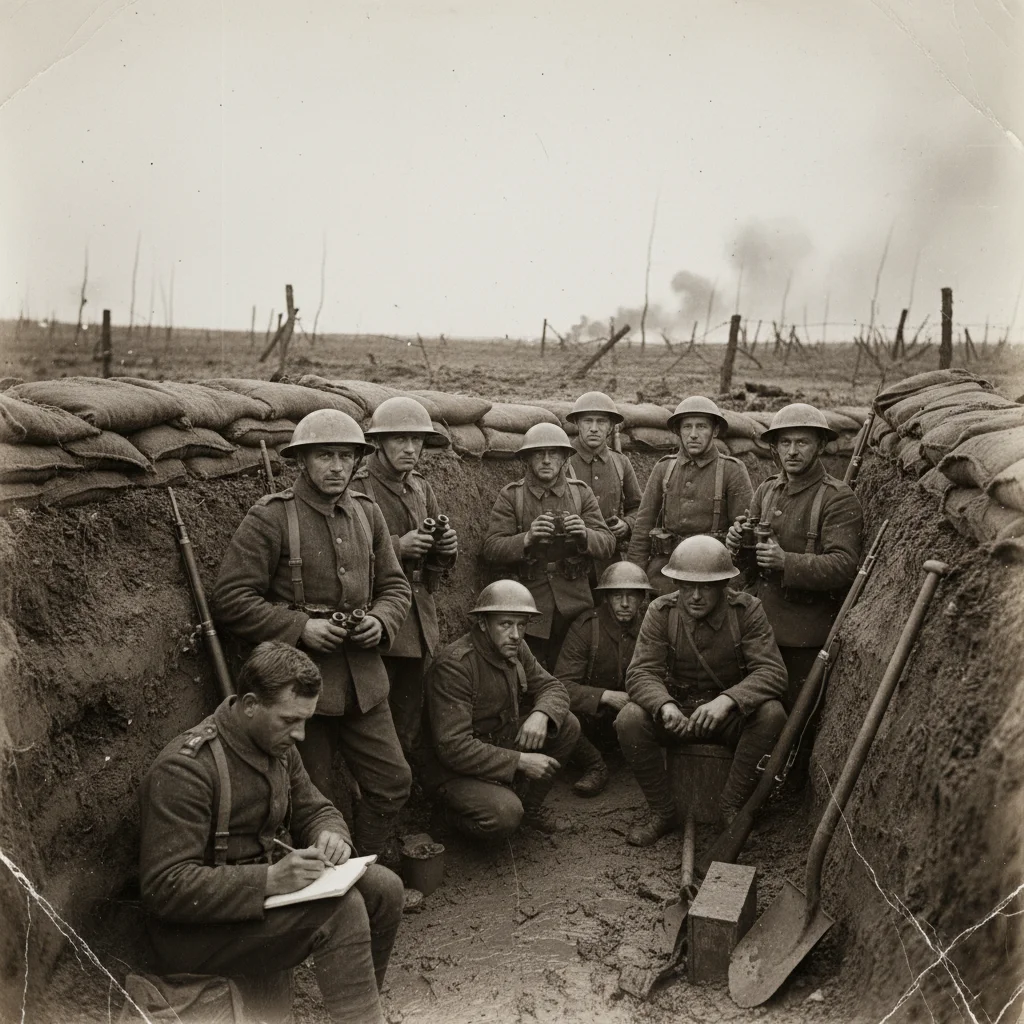
Of particular interest are photographs related to major historical events, such as World War I and World War II. Images of combat, cities of that era, and other narrative photos will only increase in value over time.
It is not too late to enter this market segment. It is predicted that in a few years, a real boom in historical photography is expected, making it an attractive asset for long-term investment. However, as in other areas, there is also a risk of forgeries, so thorough expert evaluation is crucial.