Silver Price Hits Record High: An Analysis of Key Growth Factors - AUCBURG | AUCBURG
Silver Price Hits Record High: An Analysis of Key Growth Factors
The price of silver has shown a significant surge, reaching $38.67 per ounce. This figure is one of the highest in the last decade, attracting increased attention from both investors and collectors.
The price of silver has shown a significant surge, reaching $38.67 per ounce. This figure is one of the highest in the last decade, attracting increased attention from both investors and collectors.
The last time similar price levels were seen was in 2011, when the metal's price approached $50 per ounce. However, that spike was caused by a speculative bubble amid financial crises and general instability, followed by a sharp collapse. The current situation has more fundamental underpinnings.
Factor #1: Geopolitical Instability
One of the key drivers for the price growth of precious metals has traditionally been a volatile global political climate. Silver, like gold, acts as a safe-haven asset during periods of uncertainty.
The current situation is influenced by several major events:
Military conflicts, particularly in Ukraine and the Middle East.
General political tensions and trade wars.
Risks associated with the nuclear potential of various countries.
These factors compel investors to seek refuge in tangible assets, which drives up demand and, consequently, the price of silver.
Factor #1: Geopolitical Instability
Factor #2: Growing Industrial Demand
Unlike gold, a significant portion of silver demand comes from the industrial sector. Technological advancements and the shift to 'green' energy directly impact the consumption of this metal.
Silver is widely used in the production of high-tech products. Key areas of application include:
Solar panels.
Batteries.
Various electronics.
Medical devices.
The more actively the 'green' energy and technology sectors develop, the higher the demand for silver becomes, putting direct pressure on its price.
Factor #2: Growing Industrial Demand
Factor #3: Protection Against Inflation
Characteristic
Silver
Gold
---
---
---
Price
Relatively cheaper
Significantly more expensive
Volatility
Higher
Lower
Potential Profit
Higher due to volatility
More stable
Macroeconomic processes, particularly inflation, compel investors to find ways to preserve their capital. Precious metals have historically been considered a reliable tool for hedging against currency devaluation.
Many investors choose silver as an alternative to gold. This is due to several of its specific features.
Thanks to its affordability and higher volatility, investing in silver can yield greater potential profits, which attracts a certain category of investors.
Factor #3: Protection Against Inflation
Factor #4: Imbalance in Mining and Supply
The supply-side situation also contributes to the price increase. In recent years, there has been a reduction in silver mining volumes worldwide.
Old deposits are gradually being depleted, and new ones are not being brought into operation actively enough. Many countries are not increasing but, on the contrary, are reducing their production volumes. This creates a supply deficit in the market.
Simultaneously, the demand for physical silver is growing from:
Private investors.
Mints.
Central banks.
This imbalance between diminishing supply and growing demand is a powerful driver for further price increases.
Factor #4: Imbalance in Mining and Supply
Market Implications and Forecasts
The combination of all these factors has led to the price of silver reaching a 13-year high. Since January 2024 alone, when the price was around $23 per ounce, the increase has exceeded 65%.
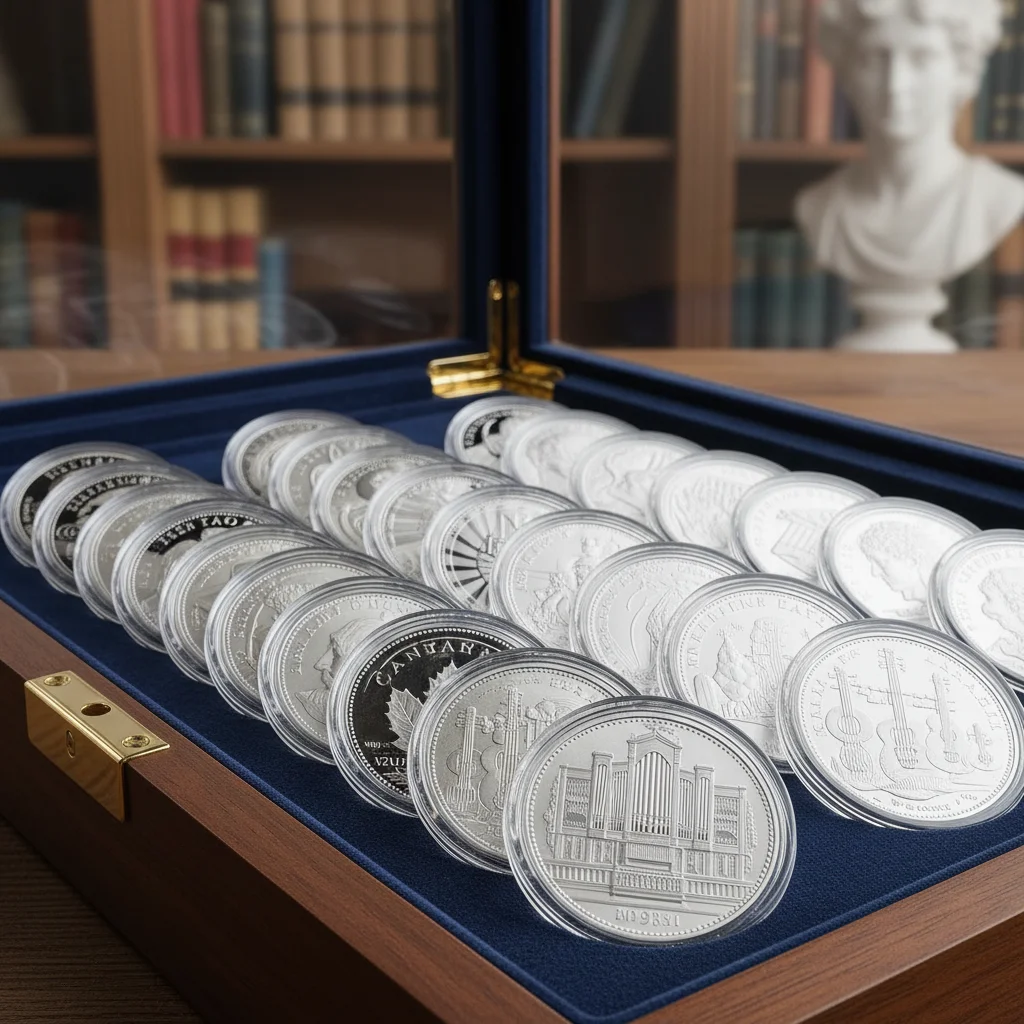
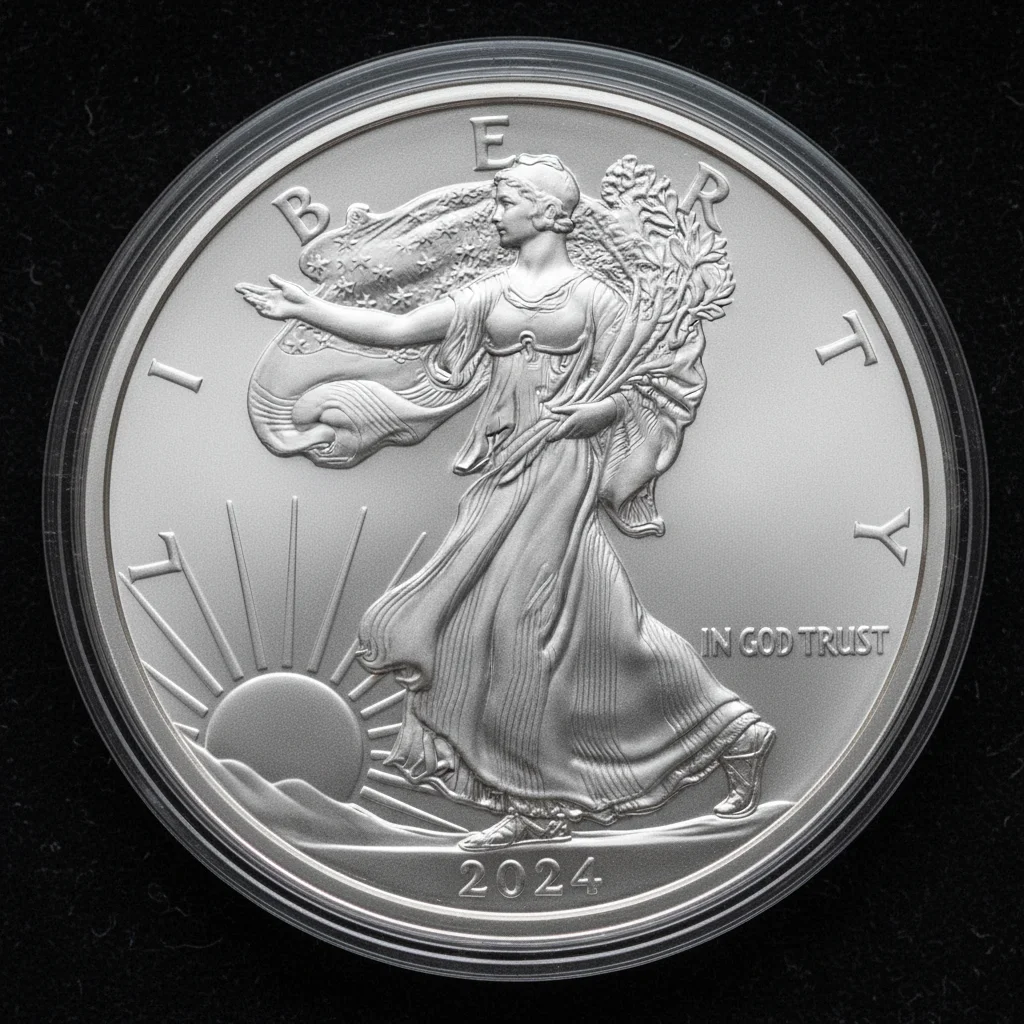
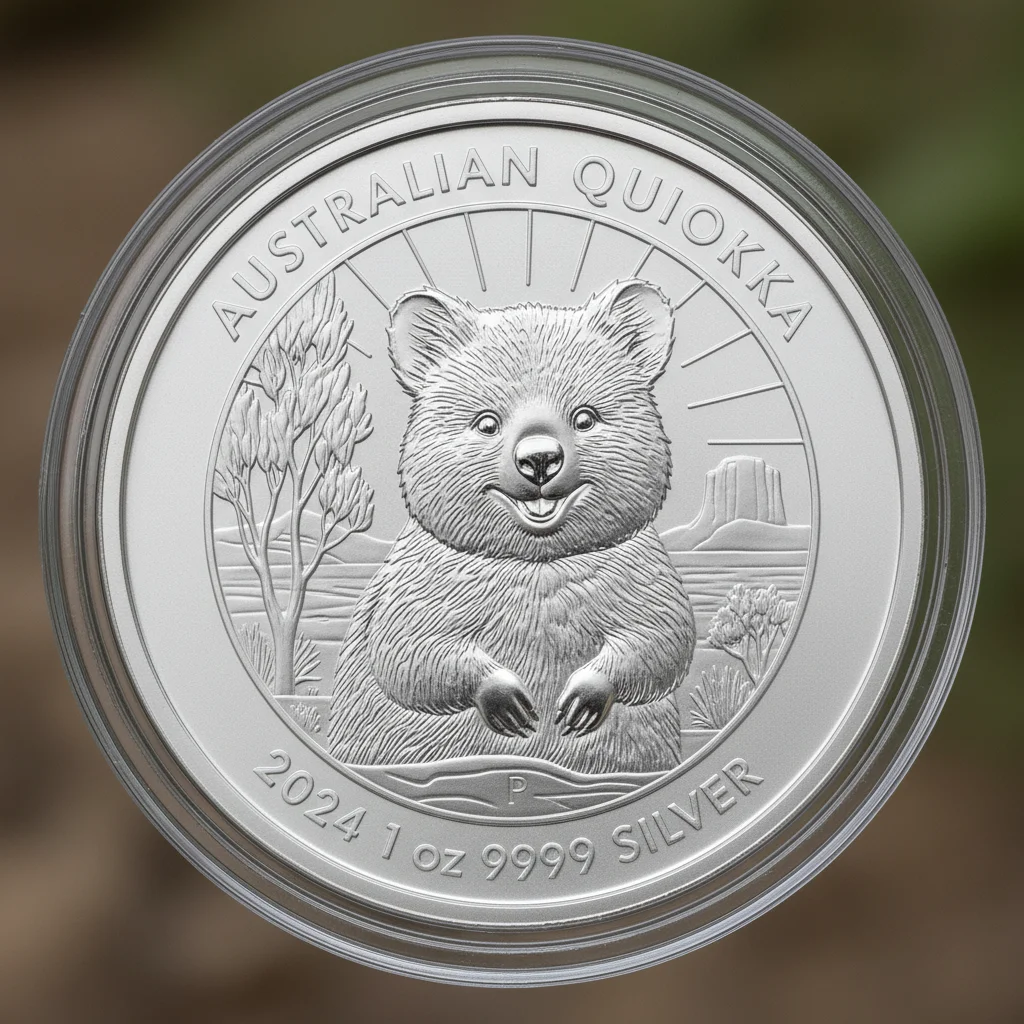
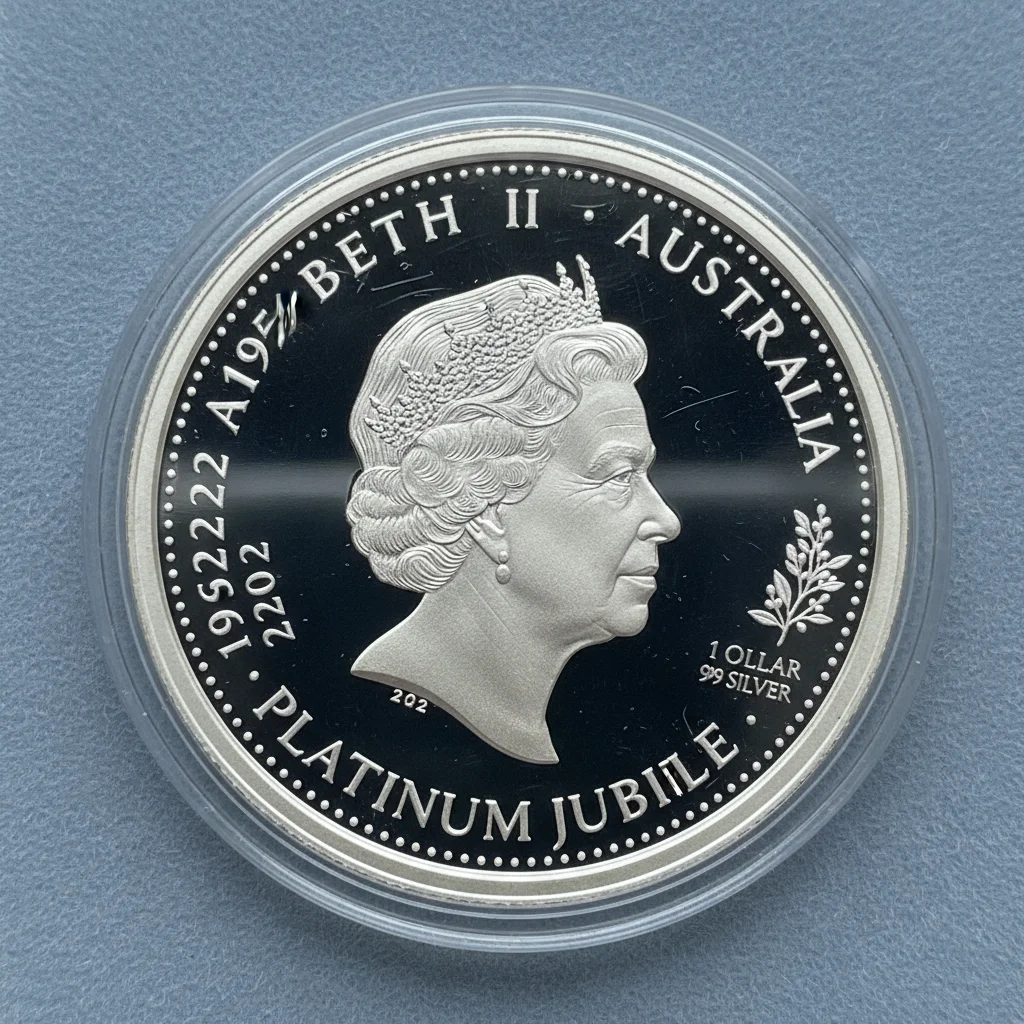
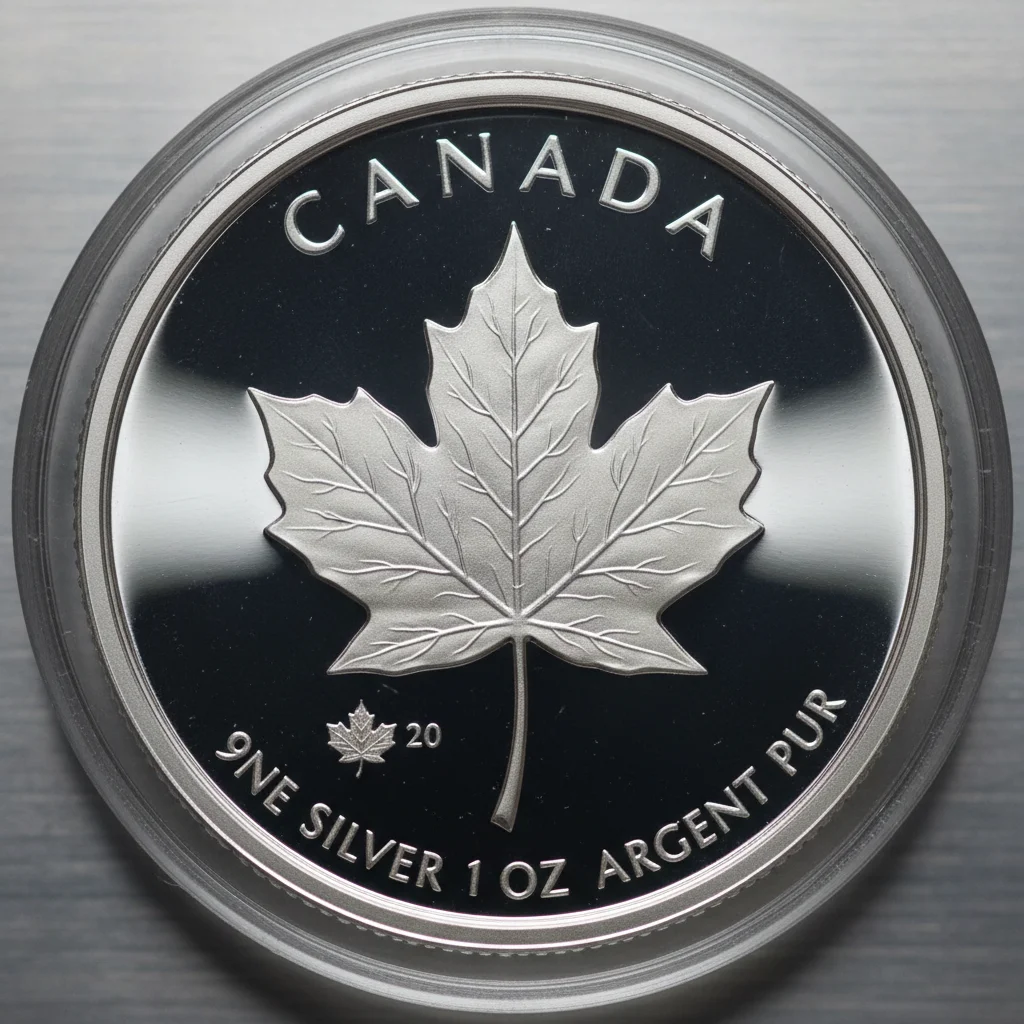
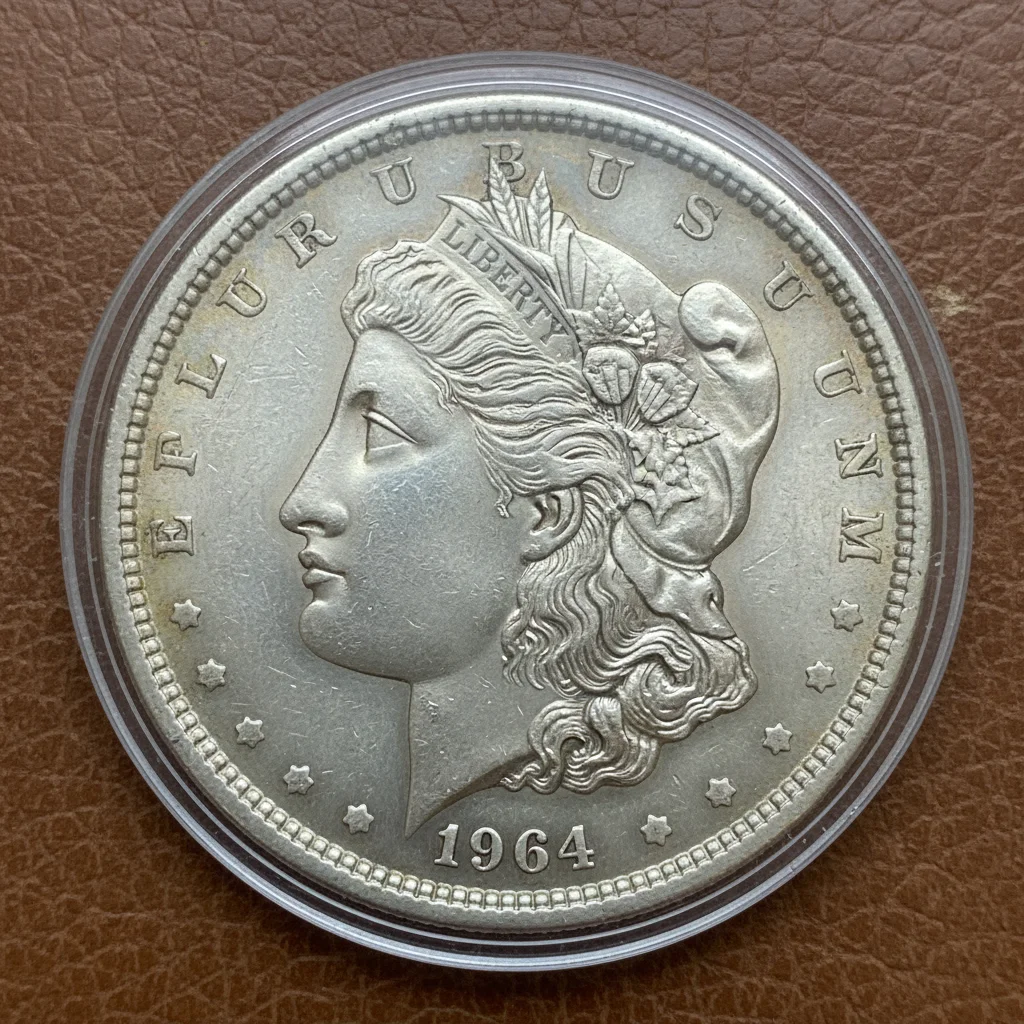
This has directly impacted the investment coin market. The price of popular one-ounce silver coins is already in the $45-50 range. Dealer premiums—the difference between the spot price of the metal and the actual selling price of the coin—are also increasing.
Many analysts predict that the growth will continue, and the price could reach the historic mark of $50 per ounce this year. Despite possible temporary corrections, the overall trend remains upward.