Investing in Soviet Jewelry: Myths and Realities - AUCBURG | AUCBURG
Investing in Soviet Jewelry: Myths and Realities
The question of the investment appeal of Soviet jewelry evokes diametrically opposed opinions. On one hand, there is a belief that it is nothing more than mass-produced stamping, holding neither artistic nor investment interest.
Soviet Jewelry: An Investment or a Tribute to Nostalgia?
The question of the investment appeal of Soviet jewelry evokes diametrically opposed opinions. On one hand, there is a belief that it is nothing more than mass-produced stamping, holding neither artistic nor investment interest.
On the other hand, many argue that these items not only serve their direct function as jewelry but also possess significant investment potential. To understand this issue, it is necessary to neutrally consider both viewpoints and determine whether it is worth investing in Soviet gold today.
The goal of this analysis is to understand what awaits these artifacts in the future, as the generation for whom they were a symbol of the era gradually passes away.
What Do We Mean by "Soviet Jewelry"?
When discussing Soviet jewelry, it's important to clearly define the time and quality parameters. We are not talking about pre-revolutionary or early antique pieces from before the 1960s. Also excluded from consideration are one-of-a-kind exclusive jewelry with diamonds and emeralds, which were produced at the Moscow Experimental Jewelry Factory for the party elite.
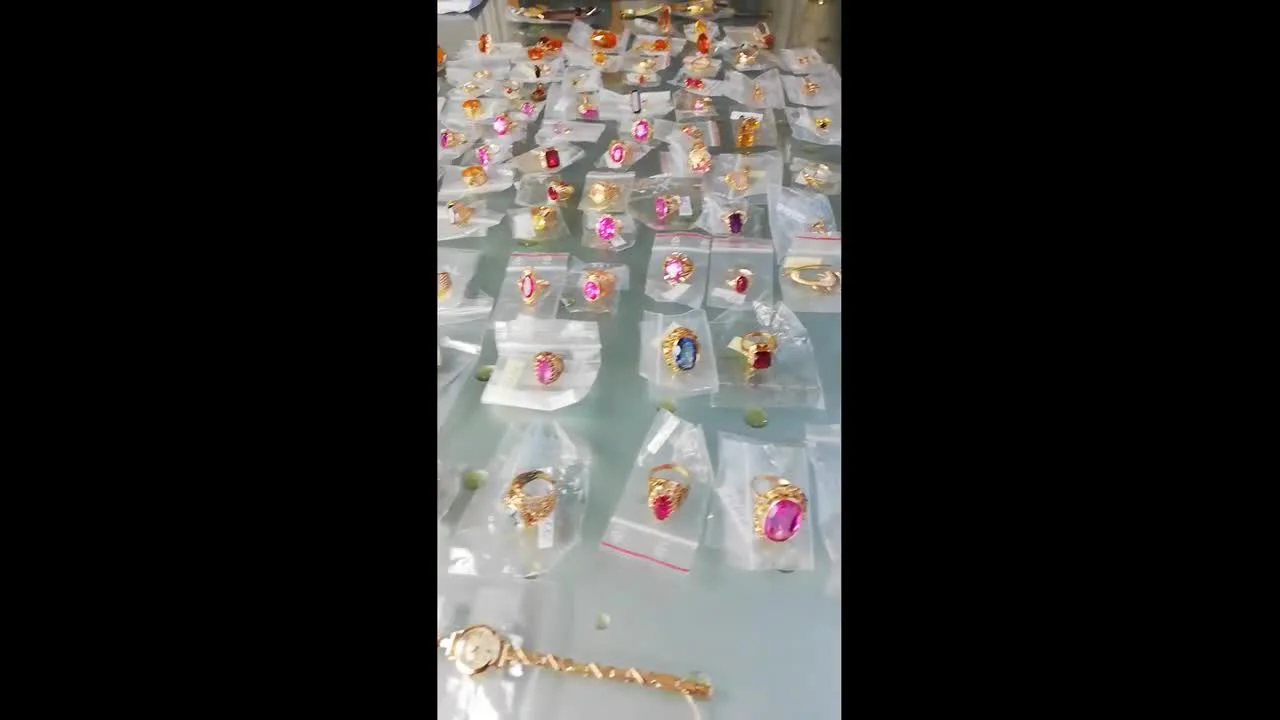
The focus is on mass-produced items manufactured in large quantities from approximately 1960 to 1990. These are the very pieces that were available to the average Soviet worker. With an average salary of 120-150 rubles, the price per gram of gold ranged from 30 to 50 rubles, making the purchase of even a small 2-3 gram ring a serious investment, often requiring a full month's salary.
What Do We Mean by "Soviet Jewelry"?
The Era's Red Gold: Quality and Symbolism
A characteristic feature of Soviet jewelry is the prevalence of red stones and a reddish hue of gold. The stones, popularly called "rubies," were actually synthetic corundums. There is a belief that the red color was ideologically driven, symbolizing the color of the Soviet flag and creating a bright accent against the general grayness of everyday life.
Despite being mass-produced, these items have an undeniable advantage: reliability. They were manufactured in accordance with strict GOST standards, which guaranteed quality and durability. The jewelry could be worn in daily life without fear of damage or losing a stone, thanks to the strong settings. This reliability remains a positive factor for collectors today.
The Era's Red Gold: Quality and Symbolism
Arguments "Against": Why the Investment is Risky
Skepticism towards investing in Soviet jewelry is well-founded. The main risks are related to the sales market and the characteristics of the items themselves.
A shrinking circle of buyers. The main demand is formed by former compatriots living abroad and the older generation driven by nostalgia. This generation is passing away, and young people are rarely interested in 'grandmother's gold'.
Outdated design. To the European consumer, the design of Soviet jewelry seems unfashionable and unattractive.
Mass production. Although much was melted down in the 90s, a huge number of standard items have survived, which reduces their rarity and value.
Synthetic stones. The inserts in most pieces have no value. When buying by weight, the buyer overpays for glass, as the stone's weight can constitute a significant portion of the item's total weight.
Arguments "Against": Why the Investment is Risky
Arguments "For": The Potential for Value Growth
Despite the risks, there are also arguments in favor of investing in Soviet jewelry. They are based on their historical uniqueness and guaranteed quality.
Historical value. These items are artifacts of a closed 30-year era of a great power. Over time, their historical significance as a 'snapshot of an era' will only increase.
Decreasing quantity. A large number of pieces were melted down in the 90s and continue to be scrapped, making the surviving examples rarer.
GOST quality guarantee. The presence of a fineness mark (e.g., 583) and a maker's mark guarantees the authenticity and composition of the metal. This provides basic liquidity—the item can always be sold for its scrap value.
The cyclical nature of fashion. Interest in vintage can be revived, and what seems outdated today may become a fashion trend tomorrow.
Arguments "For": The Potential for Value Growth
Hallmarks and Maker's Marks: How to Read Soviet Gold
Mark Type
What it means
Maker's Mark (Imennik)
Code of the manufacturer and year of production
Fineness Mark (GOST)
Guarantee of precious metal content (e.g., 583 fineness with a star)
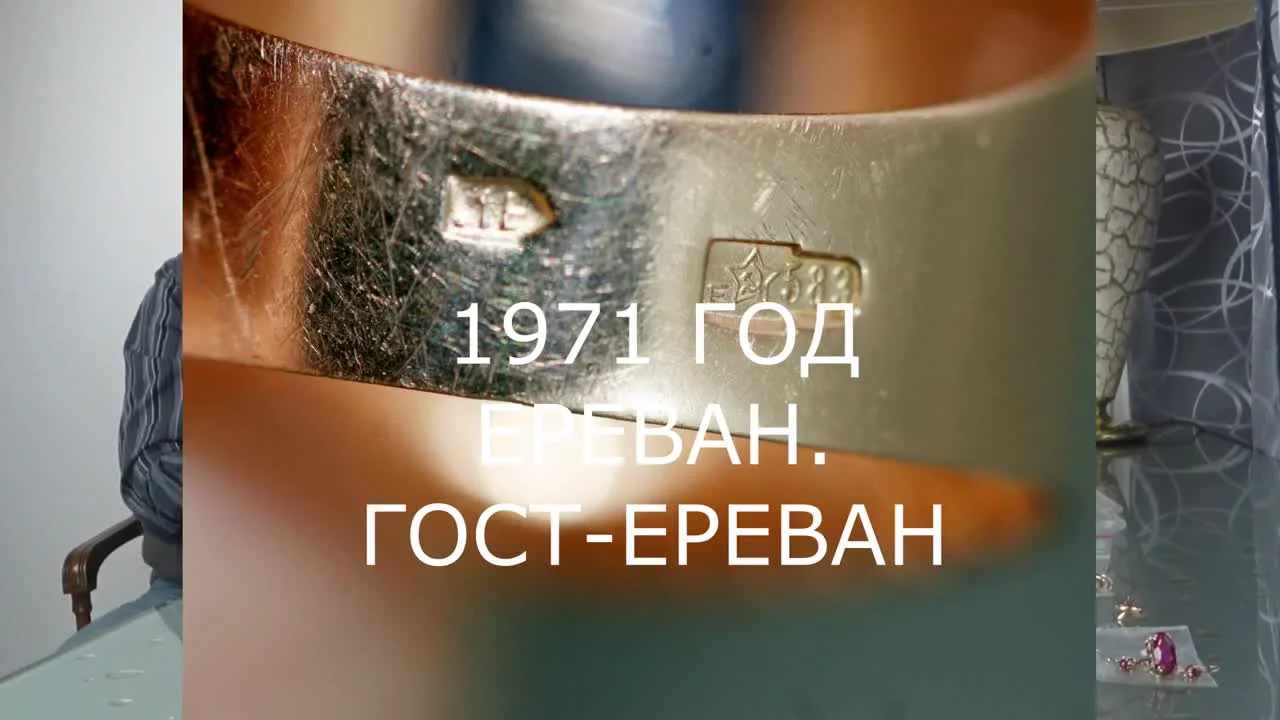
Every official Soviet jewelry piece has two main marks that allow for its identification.
The first mark is the 'imennik,' or maker's mark. It contains information about the year of production and the manufacturing plant. The last digit in the code indicates the year of the decade (e.g., '6' for 1966, '.6' for 1976, '..6' for 1986). The letter next to the digit is the factory's code.
The second mark is the assay office mark, or GOST. It guarantees the precious metal content. For gold, this was a star with a hammer and sickle inside, and an indication of fineness, most often 583. This fineness is practically equivalent to the modern 585 fineness.
Hallmarks and Maker's Marks: How to Read Soviet Gold
Market Reality and Investor Strategy
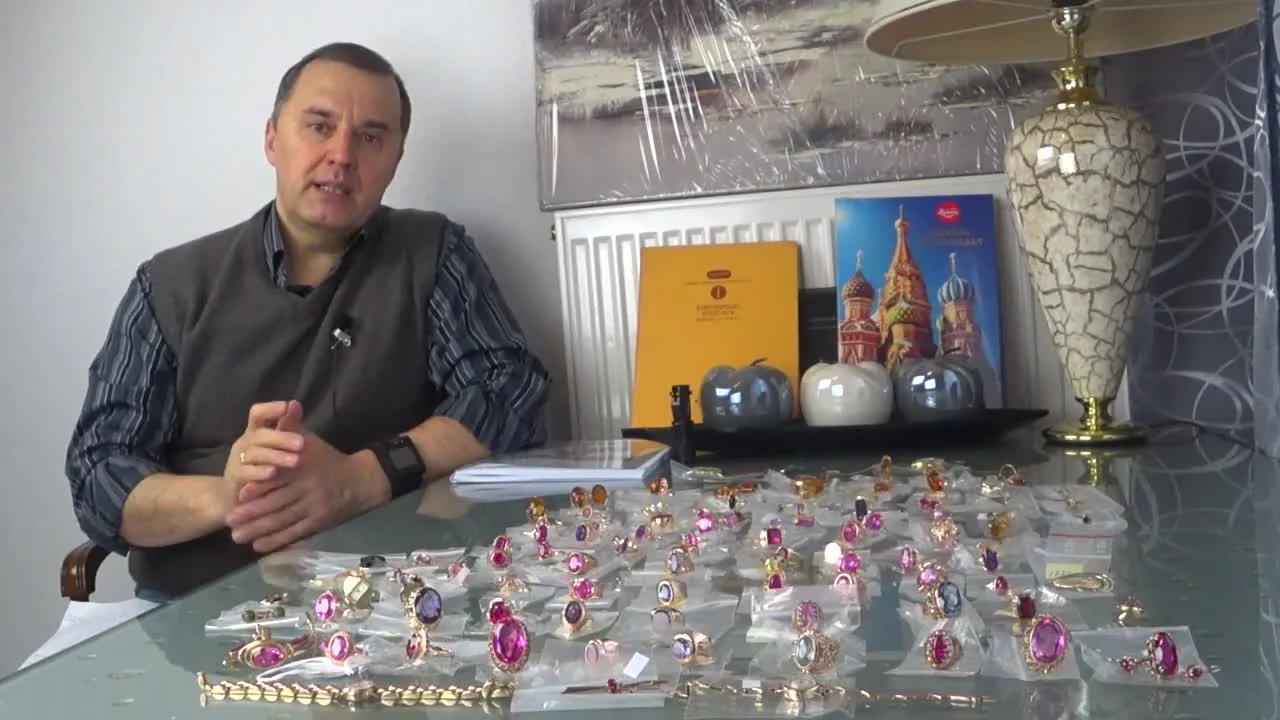
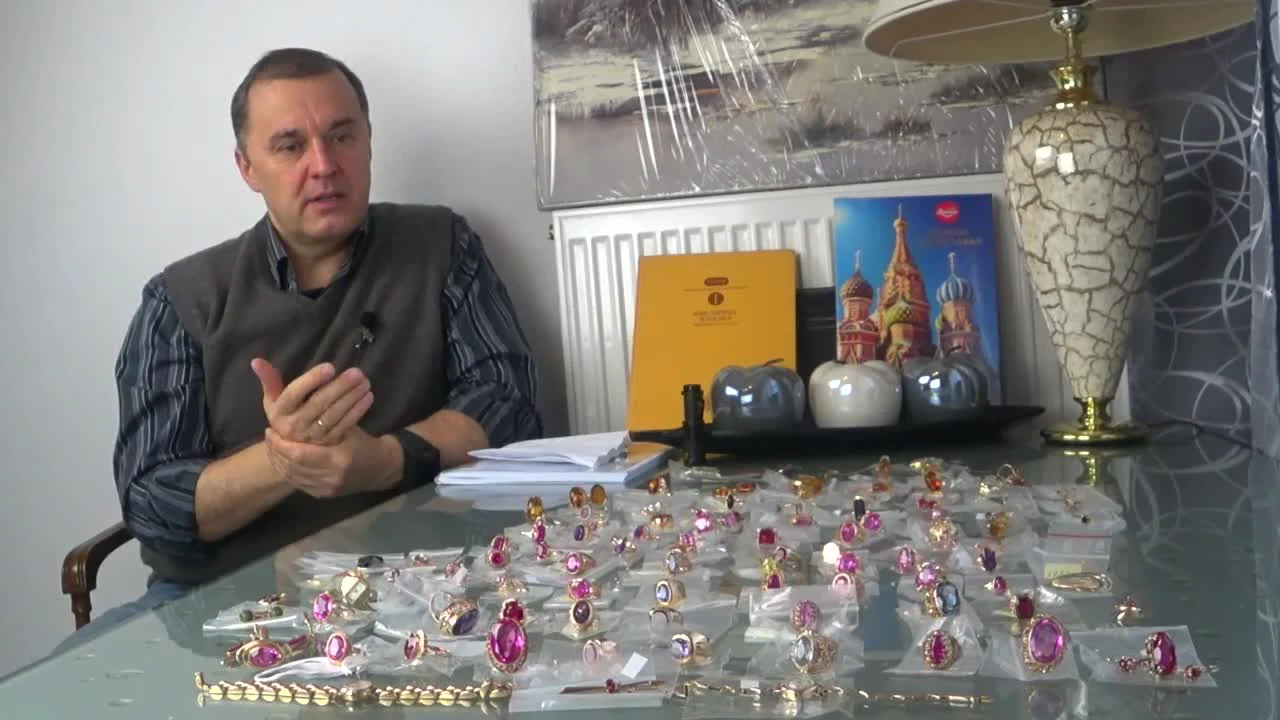
Analysis of real auctions shows that the main interest in Soviet jewelry comes from people from the former USSR. For example, at an auction where a large lot of such items was offered, the starting price was only slightly higher than the scrap value, and the final price exceeded it by only 15-20%. Moreover, only 'Russian-speaking' buyers participated in the bidding.
This confirms that the market for these items is quite narrow. Unlike, for example, socialist realism painting, mass-produced jewelry has not yet acquired broad cultural or historical value in the eyes of Western collectors.
The optimal strategy for an investor is to acquire such pieces at or below their scrap metal price. In this case, the investment is protected by the value of the metal itself. Any future price increase due to historical or vintage components will become additional profit, but the main risk of losing funds is minimized. Thus, it is an investment in gold with a potential bonus in the future.