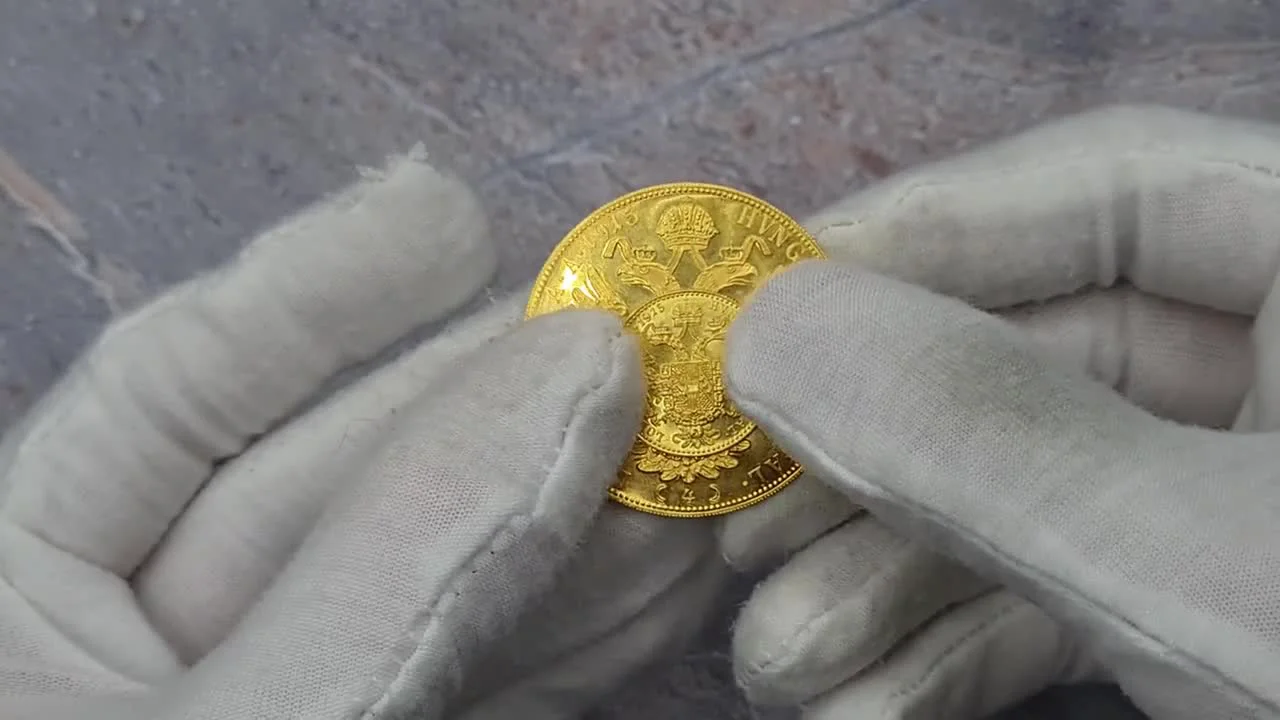
Ducats — The Main Gold Coins of Europe
Ducats can, without exaggeration, be called the main gold coin of Europe. For 700 years, they were part of the continent's monetary circulation, becoming the result of a centuries-long international consensus among European states. During this time, many thousands of varieties of these coins appeared.
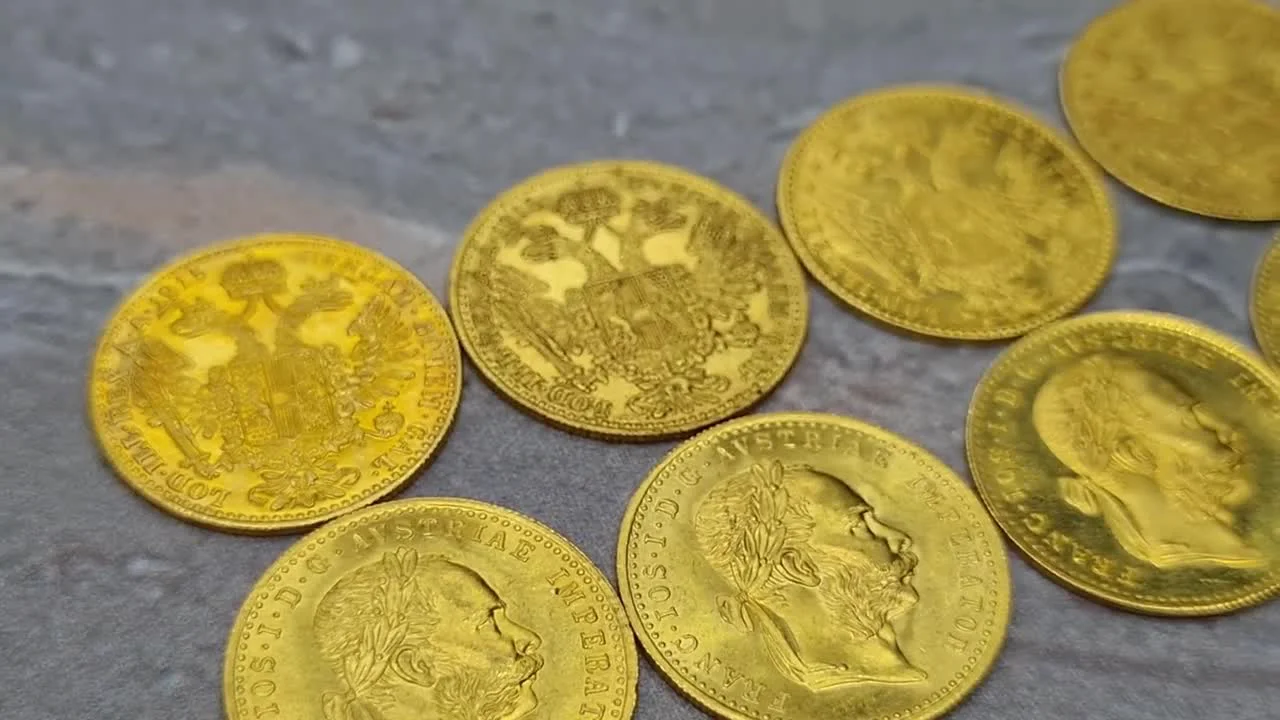
The Ducat: 700 Years of European History in Gold
Ducats can, without exaggeration, be called the main gold coin of Europe. For 700 years, they were part of the continent's monetary circulation, becoming the result of a centuries-long international consensus among European states. During this time, many thousands of varieties of these coins appeared.
Today, ducats are no longer a means of payment, but they have found a new life as collectibles and profitable gold investments. Their history is a reflection of the economic and political life of Europe over the centuries.
Ducat Characteristics: Fineness and Weight
| Parameter | Value |
| Gold Fineness | 986 (corresponds to 23.5 carats) |
| Weight | approximately 3.5 grams |
Ducats stand out among other coins for their unusual weight and high metal fineness. These characteristics remained virtually unchanged for centuries, which made the ducat a reliable trade unit. The standard parameters were adopted by most issuing countries.
These seemingly 'uneven' numbers are explained by the desire to make the coin as close to pure metal as possible while maintaining its durability. Coins made of pure gold are too soft and would wear out quickly in circulation. Therefore, the highest possible minting fineness known in history was chosen. In the past, the fineness could fluctuate slightly (980-990), but modern Austrian ducats are strictly minted with a 986 fineness.
The Venetian Ducat: Birth of a Legend
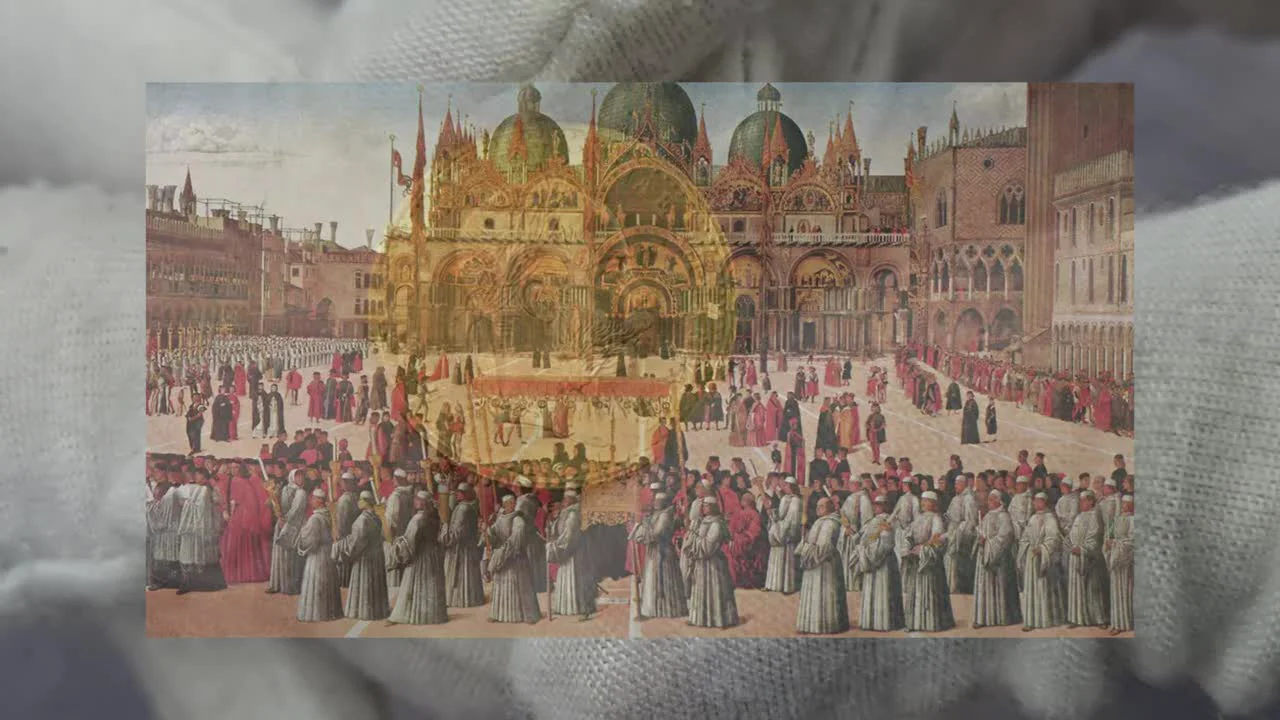
The history of the ducat begins in the 13th century in the prosperous Republic of Venice. It was there that the first trade coin appeared, becoming a prototype for all of Europe. The name 'ducat' comes from the Latin word 'ducatus,' which means 'duchy'.
This word was part of the Latin legend on the very first coins: "Sit tibi Christe datus, quem tu regis iste ducatus," which translates to "This duchy, which you rule, is dedicated to you, O Christ." Venetian ducats are notable because their design and weight did not change until the 18th century, outlasting more than 50 ruling doges.
Despite their antiquity, Venetian ducats remain relatively affordable for collectors today. A coin in good condition can be purchased for $300 to $400.
The Variety of European Ducats
Following Venice's lead, many European countries involved in international trade began to mint their own ducats. Each one added its unique features to the coin designs, creating immense numismatic diversity.
- Hungary. It became the first country in Central Europe to start minting ducats. Hungarian ducats are considered among the most beautiful, and their issuance continued during the rule of the Habsburgs.
- Netherlands. During its economic boom, this country minted ducats that became the most famous and widespread in Europe. In the Russian Empire, they were even widely counterfeited, and it was the Dutch ducat that was originally called the 'chervonets'.
- Germany. Being fragmented into numerous principalities and free cities, Germany issued a vast number of local ducats. For example, the 1864 ducat from the city of Hamburg, with its knight design, resembles classic Dutch coins.
Austrian Ducats and the 1915 Restrike
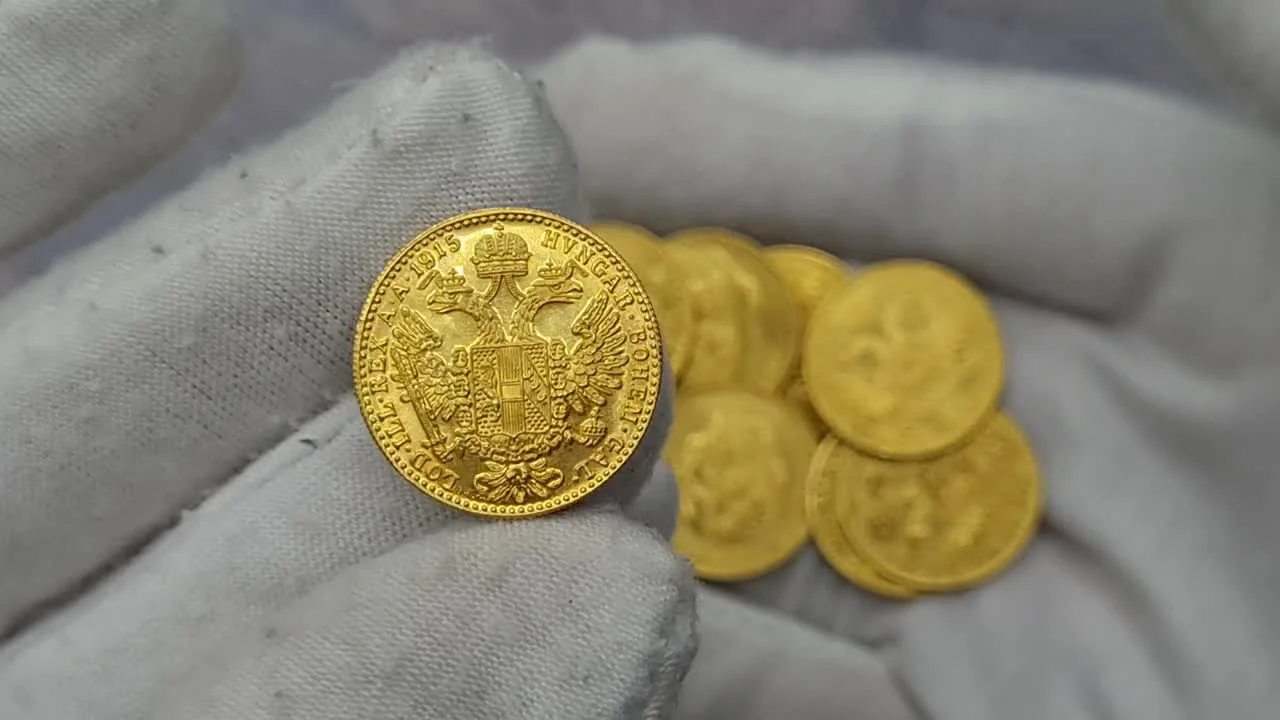
Ducats of the Austrian Empire, or the House of Habsburg, hold a special place in history. Their diversity is so great that it could be the subject of a doctoral dissertation. The most famous today are the so-called restrikes — coins minted with an old date.
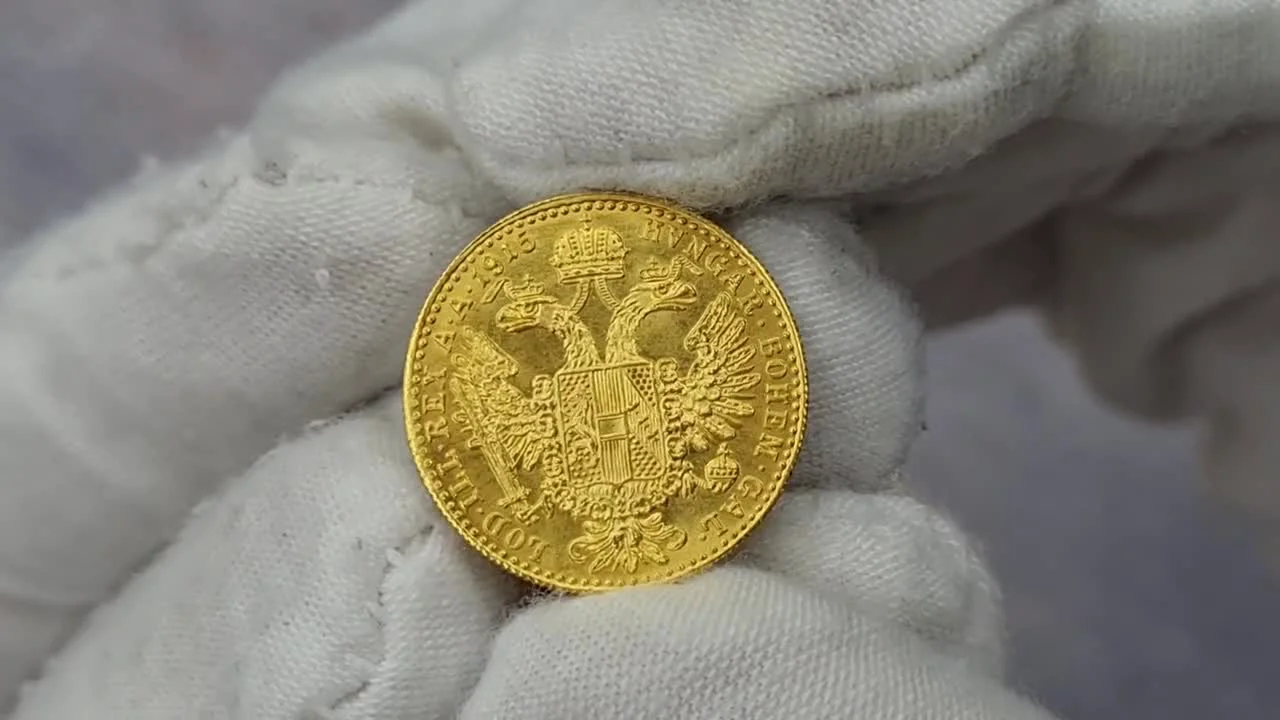
All Austrian ducats dated '1915' are official restrikes. The last original ducat of this type was issued in 1914. These coins are very popular in the lands of the former Austro-Hungarian Empire, where they became a traditional gift for weddings or anniversaries. Their popularity is linked to the reign of Franz Joseph, which is associated with a period of prosperity and peace.
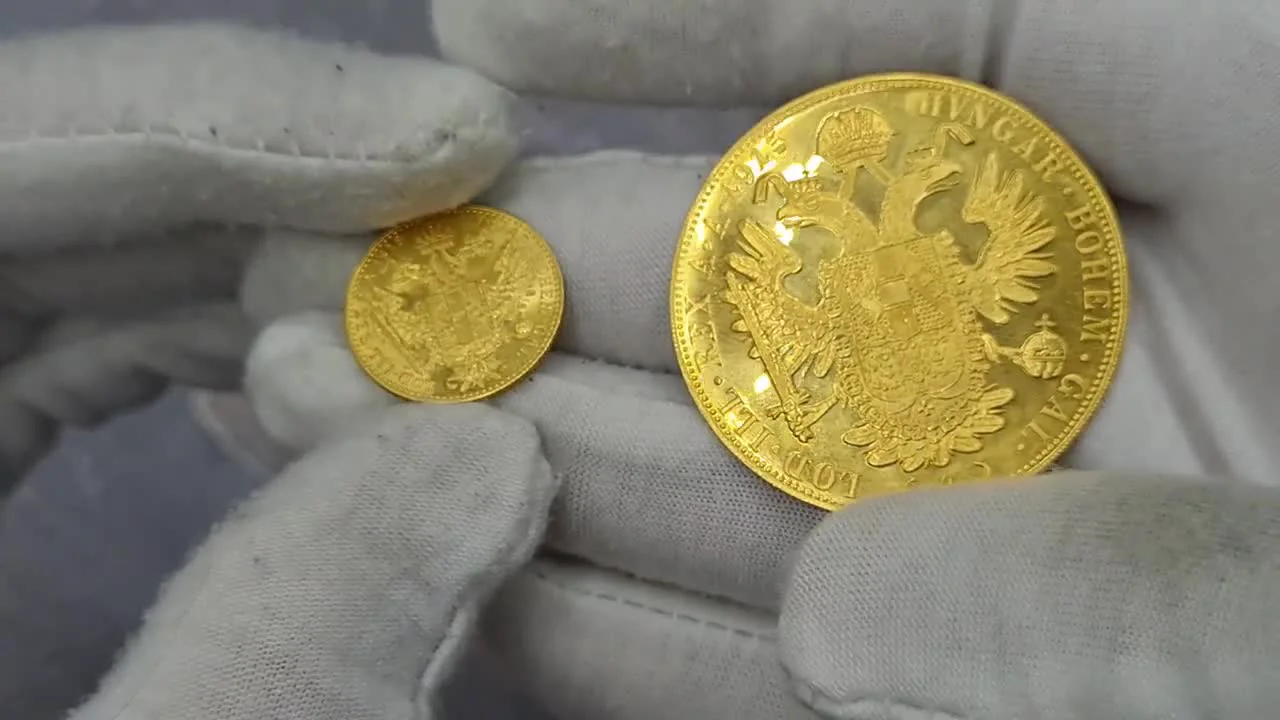
There are coins with denominations of 1 ducat and 4 ducats. The 4-ducat coin is exactly four times heavier, has a larger diameter, but the same thickness as the 1-ducat coin. Due to their beauty and affordability (the price of a 1-ducat 1915 restrike is only a few percent above its gold value), Austrian ducats are an excellent choice for investment.
Rare and Modern Ducats
The history of ducats did not end with the fall of empires. Some countries continued to issue them in the 20th and even 21st centuries, although the coins were no longer in circulation. For example, Czechoslovakia and Yugoslavia issued commemorative ducats that are highly valued today due to their low mintages.
One of the most impressive examples is the Polish 100-ducat coin from 1621. It weighs 350 grams and was issued to commemorate the victory in the Battle of Khotyn. To date, only six such coins are known, one of which was sold at a US auction in 2018 for $2.16 million.
Today, Austria and the Netherlands continue to mint ducats. However, their policies differ: Austria issues affordable investment restrikes, while the Netherlands focuses on low-mintage and expensive proof-quality collector coins. Thus, the topic of ducats remains boundless, offering options for every collector and investor.