How to Start Collecting Coins Correctly: A Strategy for Beginners - AUCBURG | AUCBURG
How to Start Collecting Coins Correctly: A Strategy for Beginners
Two collectors, strangers to each other, independently arrived at the same strategy for building their numismatic collections. One focused on coins of Tsarist Russia from the era of Nicholas II, collecting copper and gold specimens. The second chose coins from Imperial Germany and the Weimar Republic for his collection.
Two collectors, strangers to each other, independently arrived at the same strategy for building their numismatic collections. One focused on coins of Tsarist Russia from the era of Nicholas II, collecting copper and gold specimens. The second chose coins from Imperial Germany and the Weimar Republic for his collection.
Despite the difference in themes, their approach was identical and serves as a prime example of a smart start in numismatics. This approach helps avoid many mistakes common to beginners and immediately lays the foundation for a valuable and liquid collection.
The Evolution of the Collecting Approach
Many people start collecting coins in childhood, picking out interesting specimens from circulation. A typical example is a collection of commemorative Soviet rubles. Later, with experience, comes an understanding of the value of a coin's preservation. For instance, starting with two-euro commemorative coins from circulation, one might eventually purchase their first uncirculated, mint-lustre specimen.
Such an experience fundamentally changes one's perception. It becomes clear that a specimen with no signs of circulation, even if purchased for more than its face value (e.g., for 5 euros instead of 2), has far greater collectible value. This leads to an important conclusion: one should collect coins in excellent, uncirculated condition.
The Evolution of the Collecting Approach
Example #1: A Collection of Tsarist Russia Coins
Color Designation
Meaning
Description
BN
Brown
Brown color, full patina
RB
Red Brown
Red-brown, remnants of mint lustre
RD
Red
Red, full mint lustre
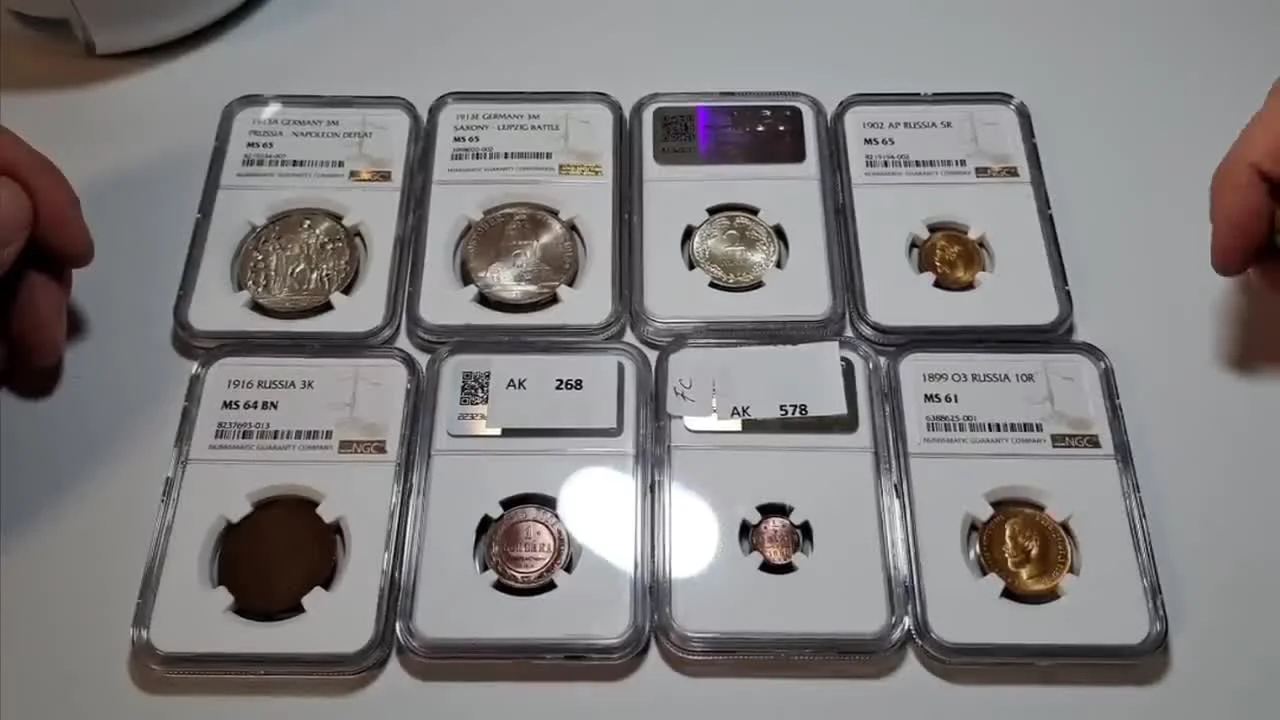
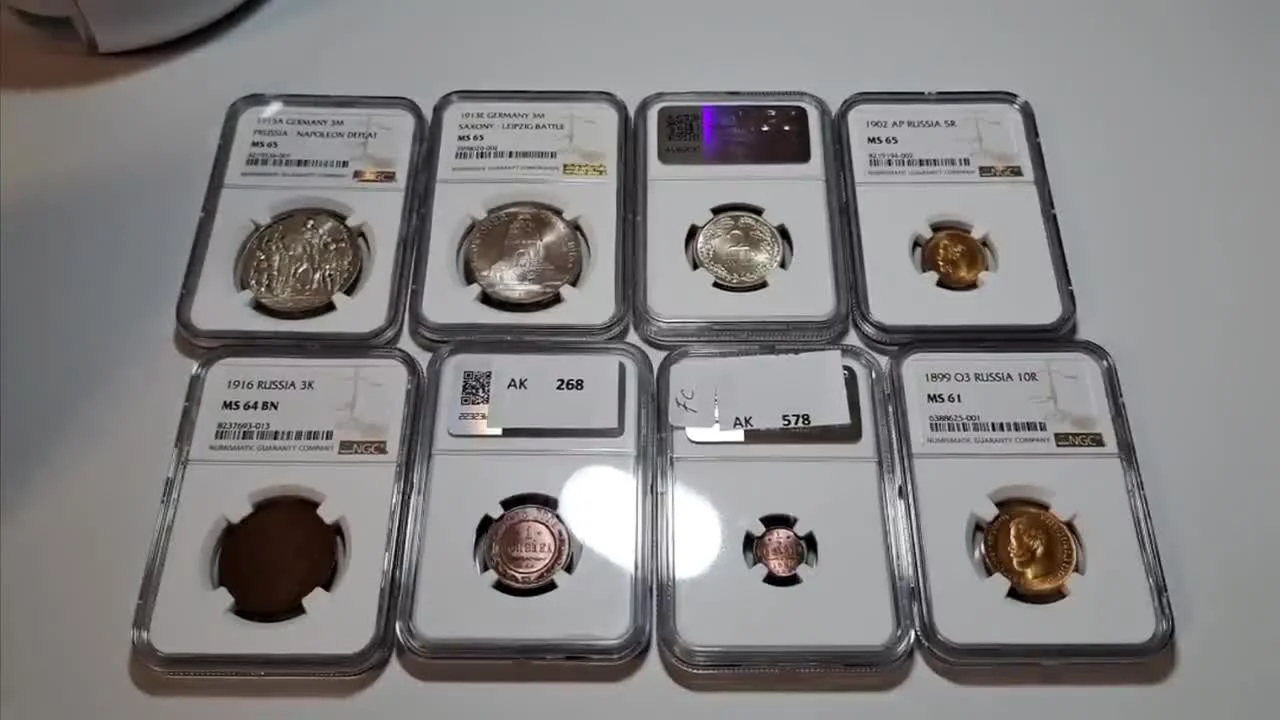
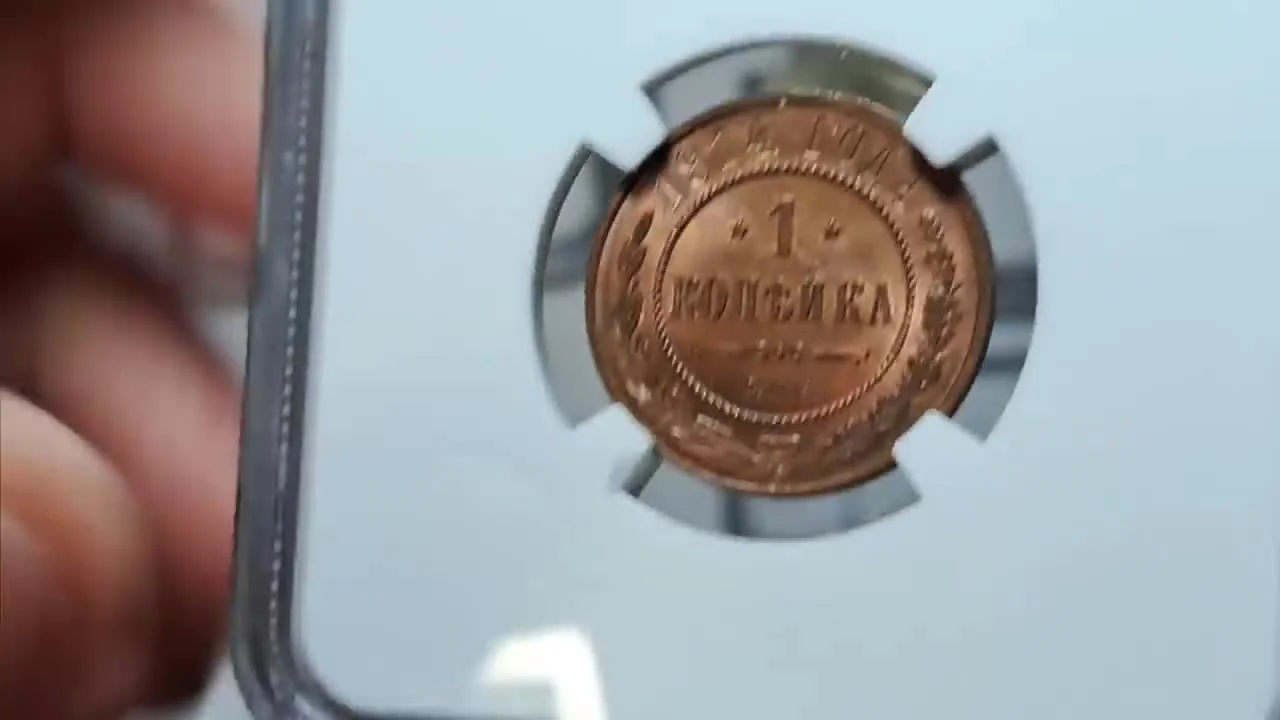
One of the collectors decided to build a date set (a collection by year) of coins from the time of Nicholas II. He started by acquiring simple yet high-quality specimens, such as a 1916 3 kopeks and a 1914 1 kopek. He also acquired a coin that is rare for a date set — a 1/4 kopek from 1899.
All the coins were chosen in NGC slabs with high preservation grades. For example, the 1/4 kopek has a grade of MS 64 RB. This designation is important for copper coins as it indicates the color of the patina.
This collector also added silver coins to his collection, including a 1896 25 kopeks and a 1914 50 kopeks. His strategy is to start with affordable coins, but in exceptionally good condition.
Example #1: A Collection of Tsarist Russia Coins
Supplementing the Collection with Gold Coins
To complete a collection of coins from the era of Nicholas II, it is recommended to include gold specimens. One can start with the most common and accessible pieces that do not require a huge investment.
A 1902 5 rubles.
A 1899 10 rubles with the initials of mintmaster AG.
These coins are common issues and can be found in good condition at a reasonable price. They make an excellent start for building the gold portion of a numismatic collection before moving on to rarer and more expensive specimens.
Supplementing the Collection with Gold Coins
Example #2: A Collection of German Coins
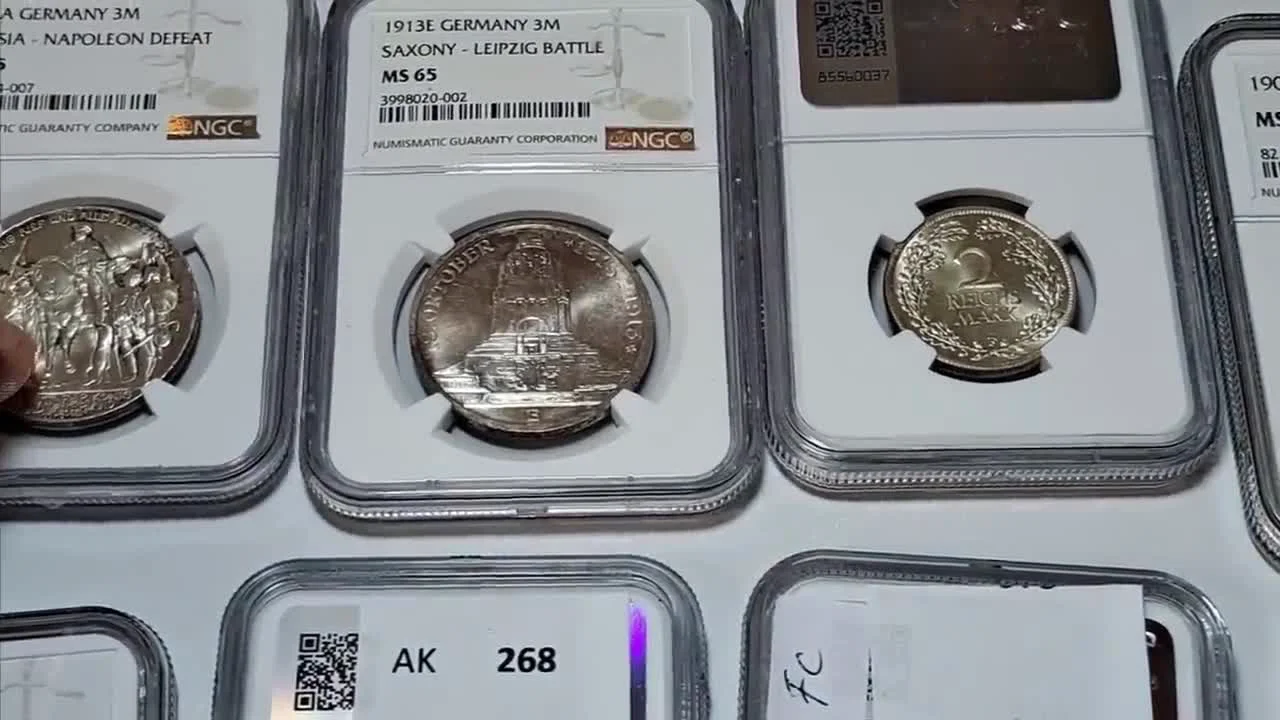
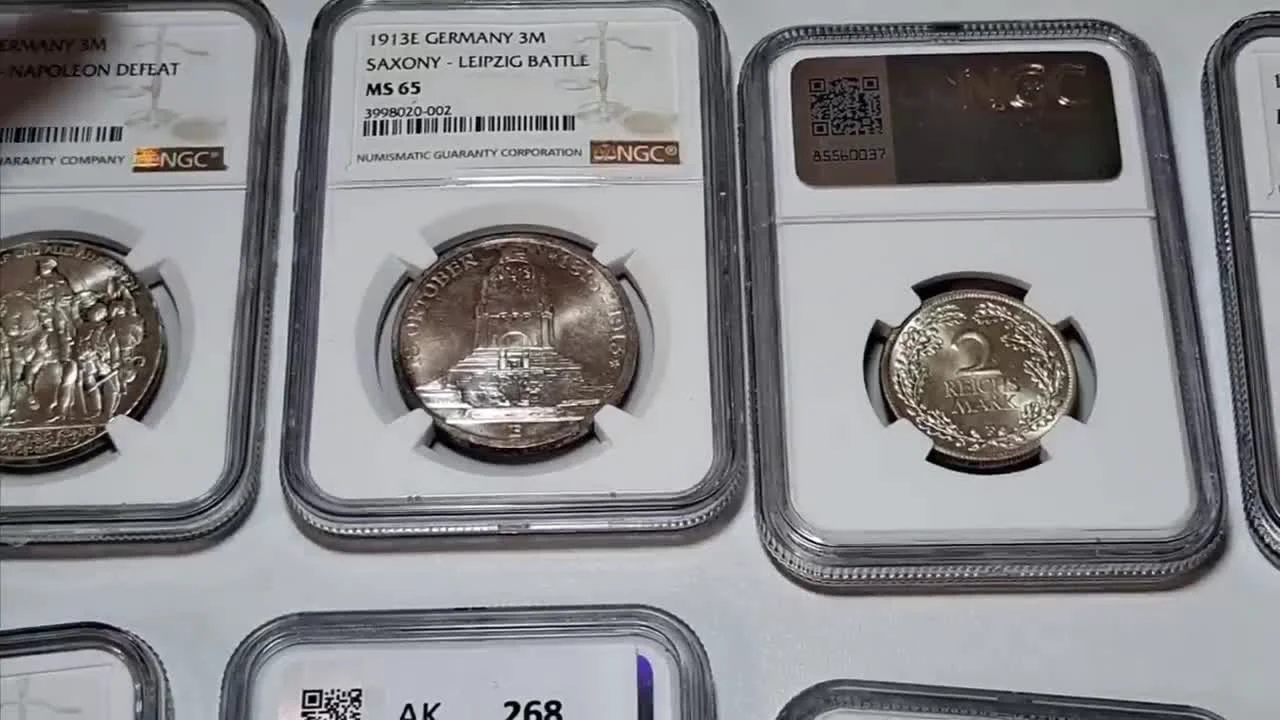
The second collector, also starting his collection from scratch, chose German coins. He acquired three specimens in top grades, which demonstrates the same strategy—a focus on quality rather than rarity.
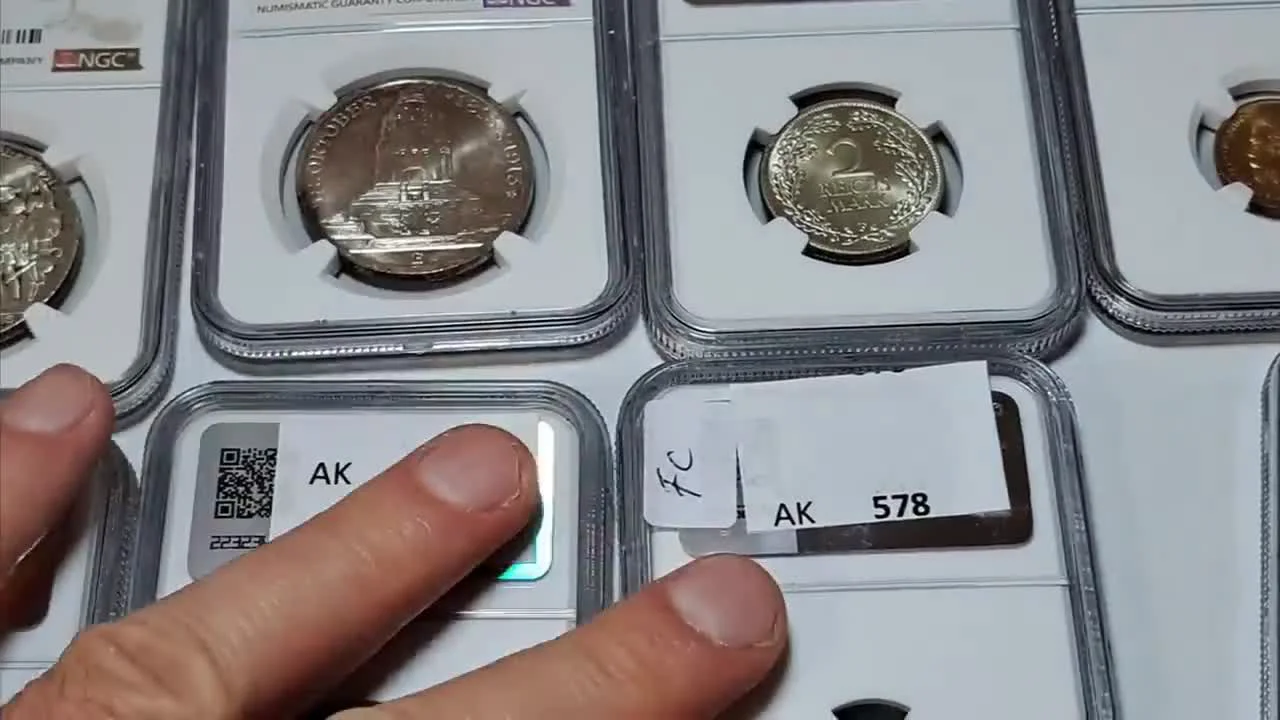
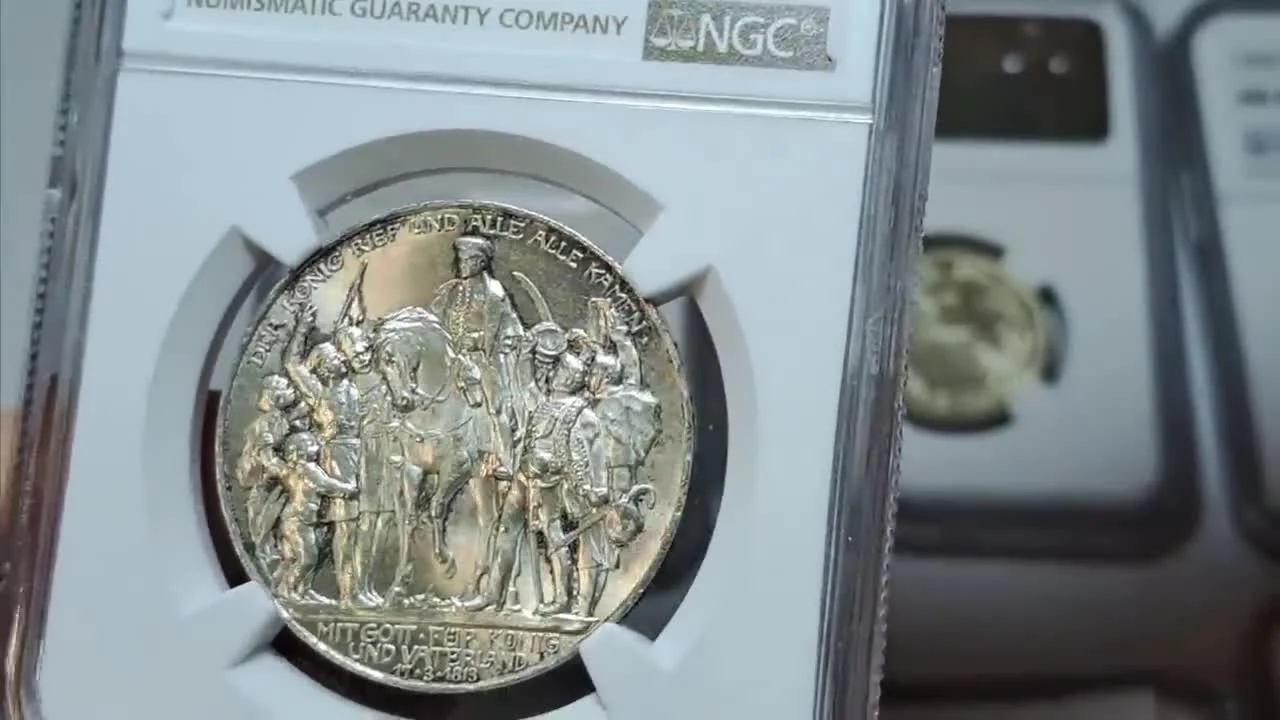
1913 3 Mark (Prussia) 'Victory over Napoleon.' Grade MS 65. In average condition, the coin is worth 30-40 euros, but in this state of preservation, its price increases to 200-300 euros.
1913 3 Mark (Saxony) 'Battle of the Nations at Leipzig.' Grade MS 65. Also a common coin, but in a high grade, it becomes a valuable collectible item.
1925 2 Reichsmark (Weimar Republic), Stuttgart mint (F). Grade MS 65. This is a more interesting specimen, purchased in a slab to guarantee its authenticity and condition.
Example #2: A Collection of German Coins
The Key Principle: Quality Over Rarity
Both examples demonstrate the correct approach to starting a collection: choosing simple, common, and affordable coins, but in the highest possible state of preservation. This allows one to skip the initial stage of collecting non-liquid specimens and immediately start building a high-quality collection.
The value of common coins in high grades increases over time, as demand for them always exceeds supply. At the same time, a rare coin in poor condition may never increase in price. There are few high-quality coins in perfect condition, even among the most common ones, and these are the most promising from an investment perspective.
The Key Principle: Quality Over Rarity
Why Should You Buy Coins in Slabs?
For a beginner numismatist, buying coins in slabs (special plastic holders) is a guarantee against counterfeits. If you lack experience in determining authenticity, it's better to trust professionals. Slabbing is done by specialized grading companies that verify the coin and assign it a preservation grade.
NGC (Numismatic Guaranty Company)
PCGS (Professional Coin Grading Service)
NNR (National Numismatic Registry) - a Russian company.
Buying coins in slabs from these companies protects against risks and allows you to be confident in the quality of the specimen you are acquiring. This is especially important in the initial stage when your own knowledge for an expert evaluation may be insufficient.