An Investment Strategy for Silver Coins - AUCBURG | AUCBURG
An Investment Strategy for Silver Coins
Silver is an accessible and reliable tool for capital preservation. Unlike collectible coins, whose value is often determined by rarity and condition, bullion coins are valued primarily for their precious metal content.
Weight and purity of the precious metal (melt value)
Silver is an accessible and reliable tool for capital preservation. Unlike collectible coins, whose value is often determined by rarity and condition, bullion coins are valued primarily for their precious metal content.
There is a key difference between these two types of coins that is important to understand when building a portfolio.
The decision to invest should be based on a clear strategy that helps effectively manage assets. Amid rising silver prices, with the cost of a troy ounce reaching the $38 mark, systematic purchases remain relevant.
Review of Recent Acquisitions
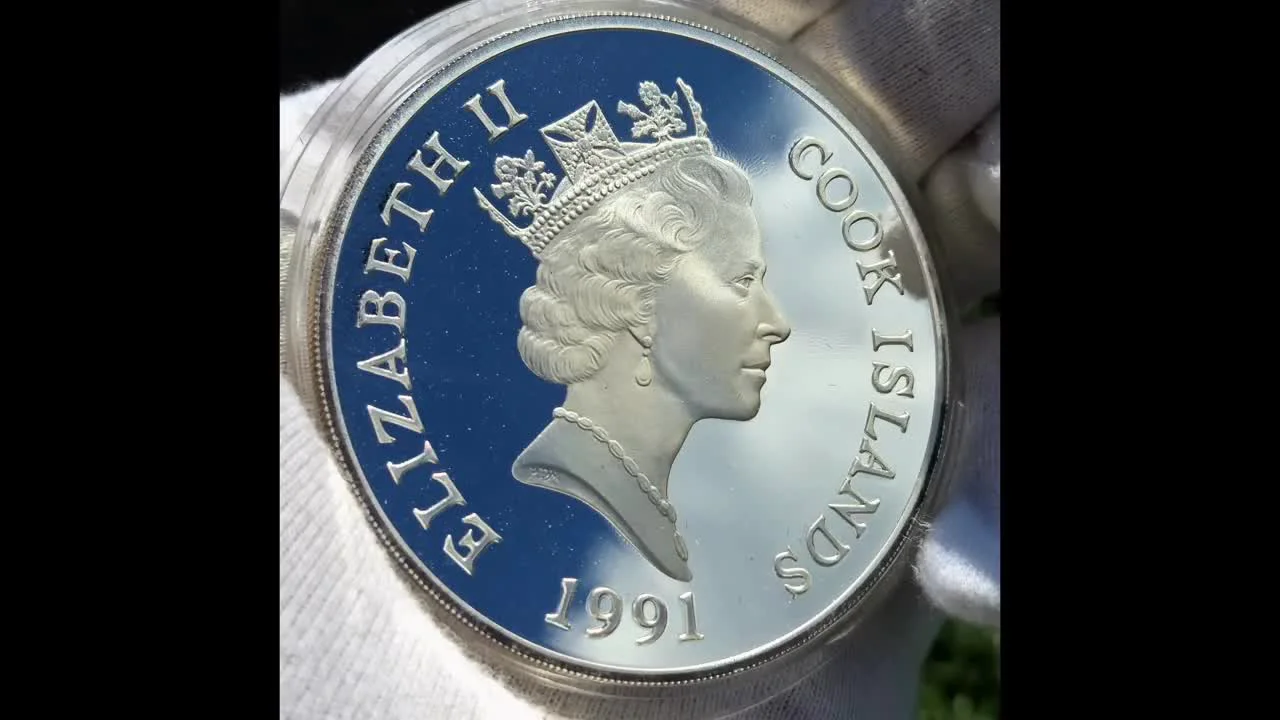
As an example of recent purchases, we can consider two interesting pieces. The first was a five-ounce, $100 face value coin featuring elephants, struck in 'proof' quality.
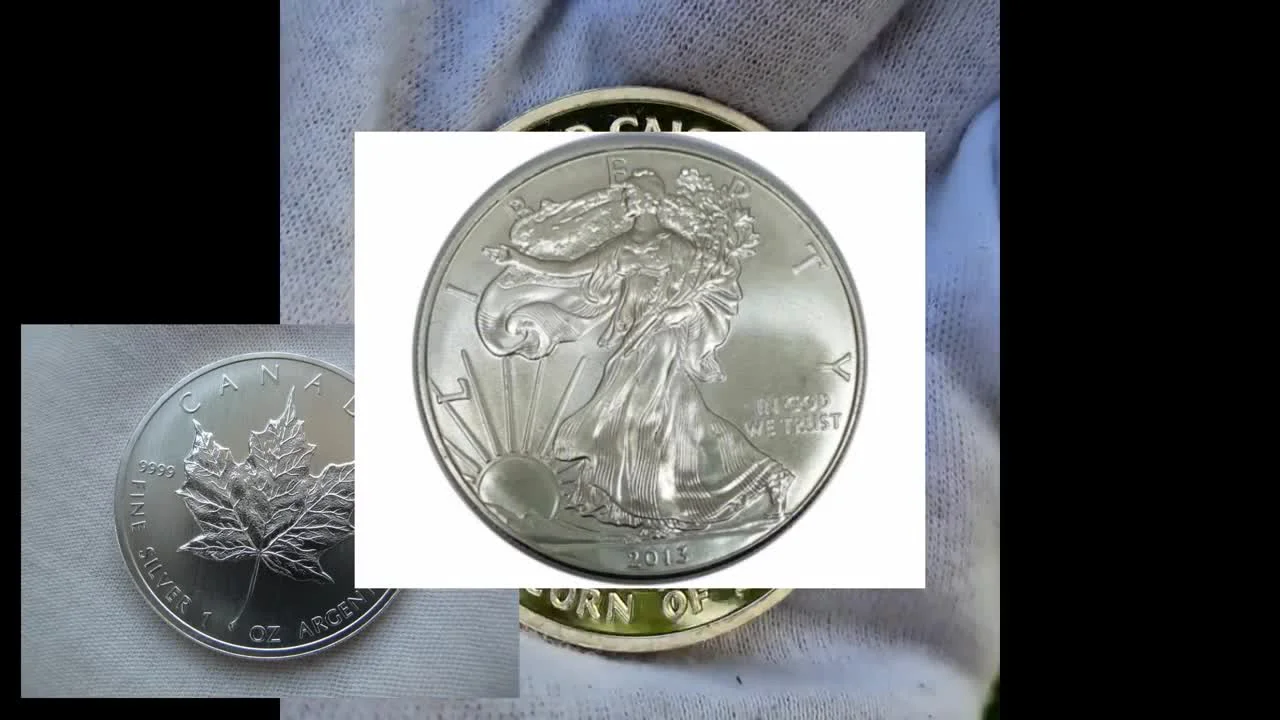
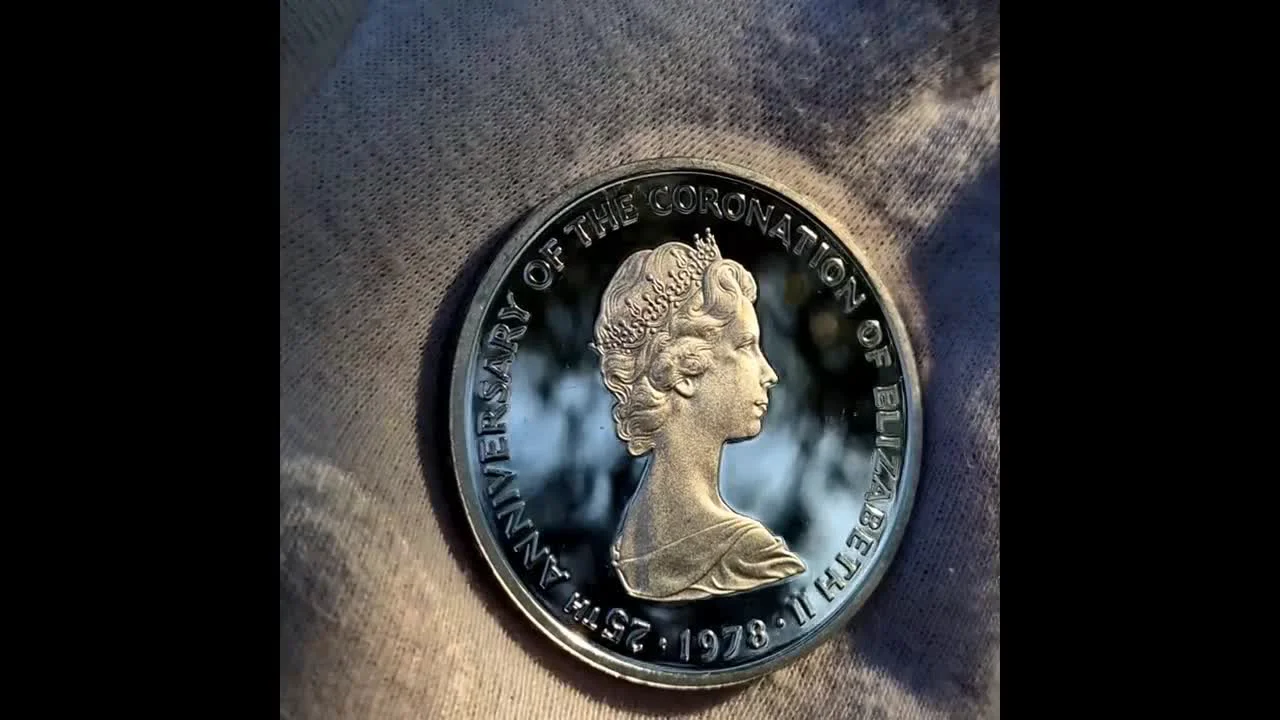
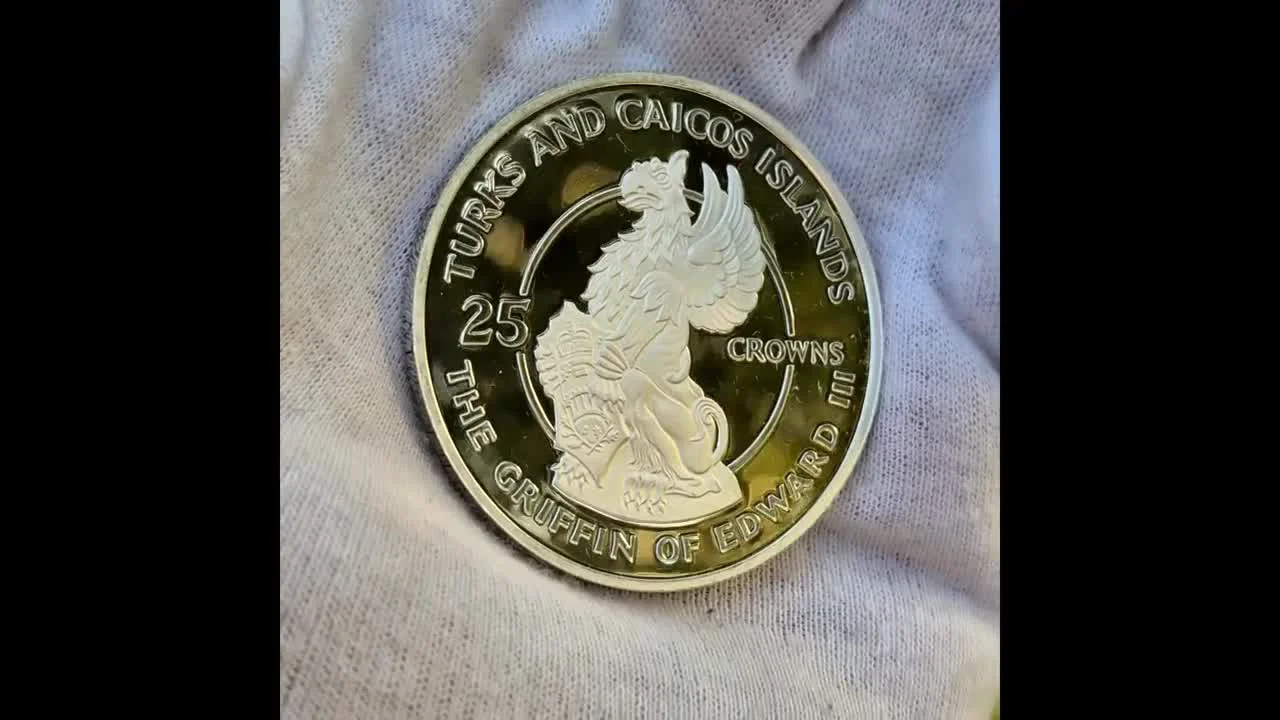
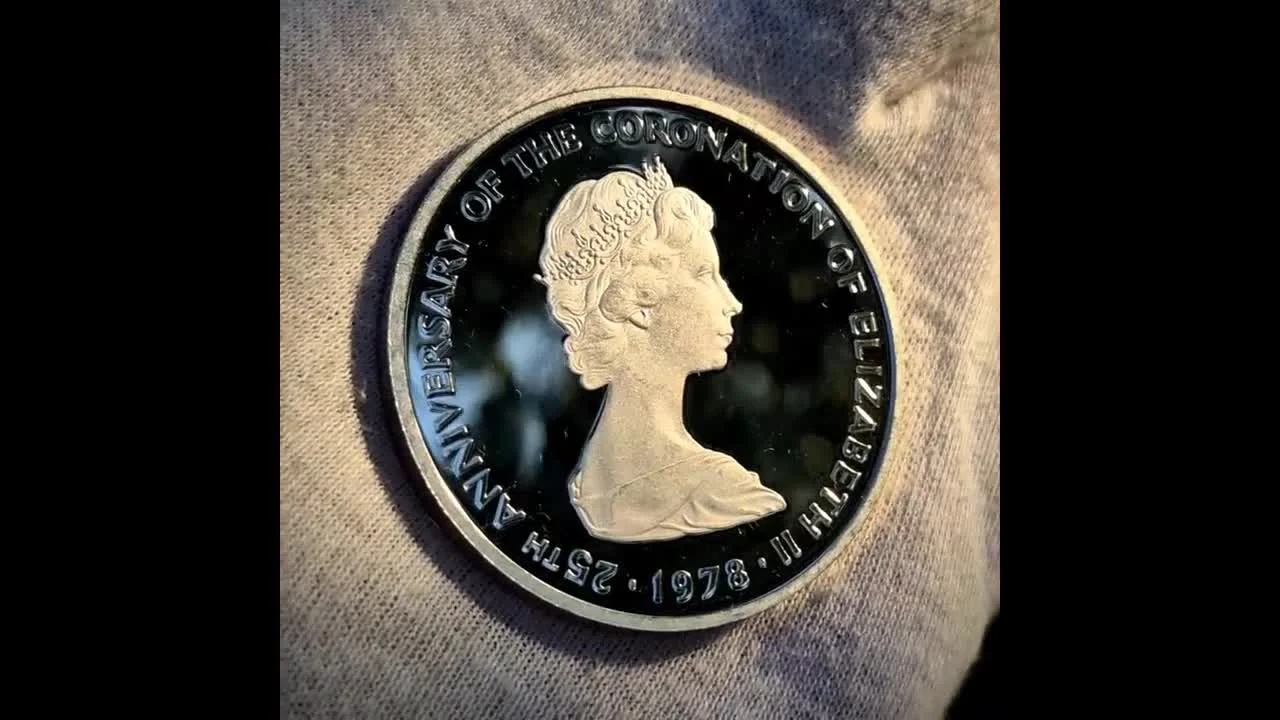
The second acquisition was a lot of 10 coins from the Turks and Caicos Islands. These coins were chosen for their favorable price-to-silver-content ratio, which was better than that of many modern bullion coins like the Austrian Philharmonics, Canadian Maple Leafs, or American Eagles.
Large size and weight (43 grams each).
Made from .925 sterling silver.
Struck in 'proof' quality.
Such a purchase allows for acquiring a significant volume of precious metal, which is the cornerstone of an investment strategy focused on the value of silver itself.
Review of Recent Acquisitions
Prospects and the Place of Silver in the Market
Today, silver is in an interesting market position. Its price remains relatively low compared to gold, making purchases of this metal accessible to a wide range of investors. Many analysts predict a gradual strengthening of silver's position as an investment asset in the future.
Growing industrial demand plays a significant role in this. Silver is actively used in high-tech industries, and this demand is expected to only increase.
Solar panels
Electronics
Unlike silver itself, some bullion coins, such as the Chinese Panda, already trade at a significant premium over their metal value. This makes them less attractive for a strategy based on purchasing the pure weight of the precious metal.
Prospects and the Place of Silver in the Market
Investment Strategy: 4 Key Principles
For effective investment in silver coins, it is recommended to follow a simple and clear plan consisting of four basic principles.
Consistency. Regularly buy small batches of coins, for example, every month. This allows you to average your entry price and avoid emotional decisions related to market hype. An exception might be when an opportunity arises to purchase a large volume at a favorable price.
Diversification. Do not focus on just one type of coin. Build a portfolio of different issues: these could be Canadian Maple Leafs, American Eagles, Austrian Philharmonics, or even proof-quality coins if their price is close to the metal's value.
Focus on Liquidity. Give preference to the most recognizable and sought-after coins in the world. Such assets will be easier to sell in the future. Purchasing exotic coins is only justified if there is a very favorable price-to-silver-content ratio.
Long-term Horizon. View silver as a long-term investment for preserving and gradually growing capital, not as a tool for quick speculation.
Investment Strategy: 4 Key Principles
Fundamental Factors for Silver Price Growth
There are several fundamental reasons that could contribute to the growth of silver's value in the long term. Unlike gold, whose price is heavily influenced by media sentiment, silver has more substantial grounds for growth.
First, it is a physical asset that, unlike fiat money, protects savings from inflation. Owning a coin gives a sense of possessing real value, which is especially understandable to people who have lived through economic crises and currency devaluations.
Second, there is growing industrial demand associated with the 'green transition.' Silver is necessary for the production of electric vehicles and solar panels. The development of these technologies in countries like China, the USA, and the EU will only increase the demand for the metal.
Third, the supply of silver is limited. Mining volumes are not increasing, and the metal itself, unlike gold, is consumed in industry and is subject to corrosion. New major deposits are not being discovered, which creates the potential for a future deficit.
Fundamental Factors for Silver Price Growth
Investor Psychology and a Long-Term Perspective
Buying silver bullion coins is a simple and reliable strategy that doesn't promise instant profits but allows you to protect your capital from inflation over time. It is important not to give in to emotions and not to regret missed opportunities when the price was lower.
Many investors reflect on not buying silver at $18-20 per ounce when it is now $38. However, given the fundamental factors, it is quite realistic that its price could exceed $50 per ounce in the future.
Having silver in an investment portfolio, even in a small amount (e.g., 15%), allows one to look to the future with confidence. It is a physical asset that you can literally feel in your hands, which reminds you of its real value, unlike digital or paper assets.