Numismatics for Beginners: How to Start Collecting Coins - AUCBURG | AUCBURG
Numismatics for Beginners: How to Start Collecting Coins
Numismatics is not only the collection of coins but also an auxiliary historical discipline. It studies the history of minting and monetary circulation, revealing important aspects of the past.
An auxiliary historical discipline that studies the history of coinage and monetary circulation; also, the process of collecting coins itself.
Numismatist
A collector who studies and gathers coins from a specific period or country.
Numismatics is not only the collection of coins but also an auxiliary historical discipline. It studies the history of minting and monetary circulation, revealing important aspects of the past.
A coin collector, or numismatist, is a person who not only collects coins but also engages in their in-depth study. The process usually begins with choosing a specific period or country, followed by studying the history of the coins of that era, and only then does the systematic collection in the correct sequence begin.
Thus, at the core of this hobby lies a cognitive interest that connects material artifacts with historical events.
The Easiest Start: Modern Coins of Russia
For beginner collectors, the easiest and most accessible way to delve into the world of numismatics is by collecting modern coins. These include both commemorative specimens and coins from everyday circulation. The issuance of many of them began relatively recently, starting in 1999.
Modern bimetallic commemorative 10-ruble coins.
Commemorative rubles, two-ruble, and five-ruble coins.
One fascinating direction is collecting coins by series, for example, "Cities" or "Regions". A complete collection of such coins, even without rare specimens, can have material value, reaching a cost of 8,000-10,000 rubles.
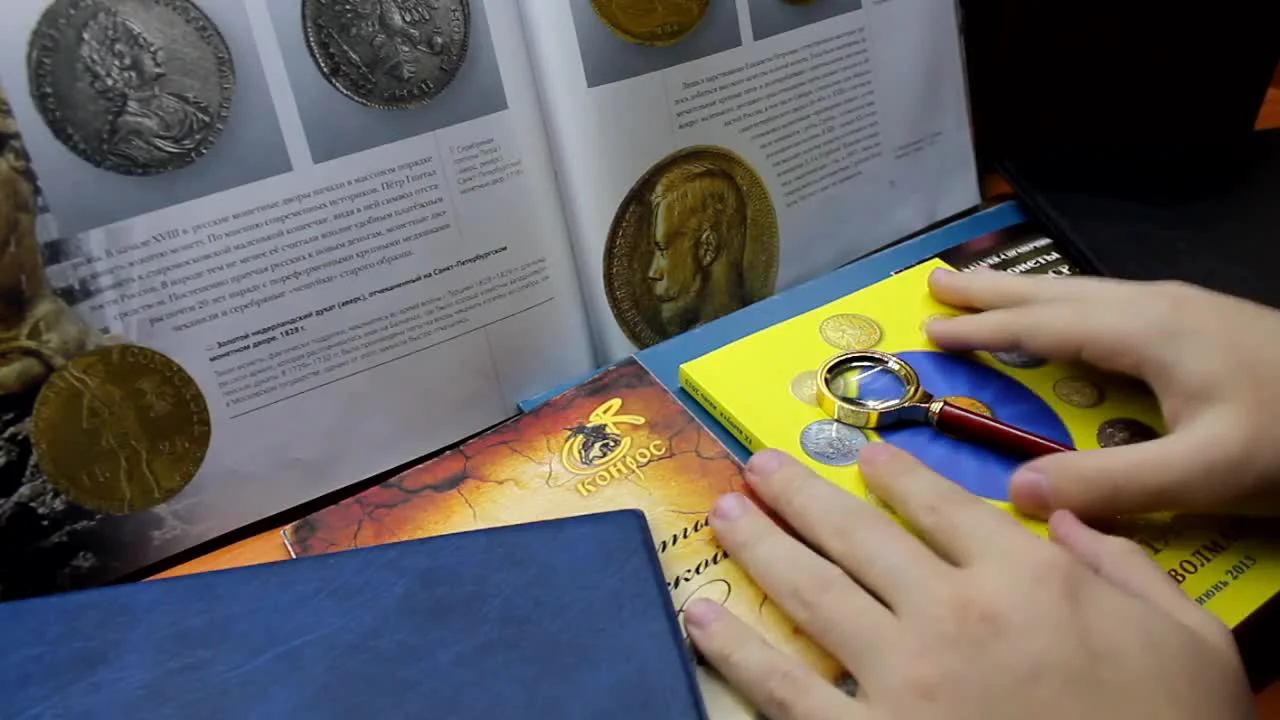
To systematize a collection, special catalogs are necessary, such as the "Konros" catalog. They contain information about issued coins and their varieties and are regularly updated, helping to track new releases and the value of specimens.
The Easiest Start: Modern Coins of Russia
Investments and Year-by-Year Collection
Some modern coins can be considered profitable long-term investments. There are rare specimens whose value only increases over time. Additionally, collecting coins by their year of issue, known as "pogodovka" (year-by-year collection), is an interesting pursuit.
Many collectors gather not only commemorative but also regular circulation coins, aiming to assemble a complete collection of each denomination for every year of mintage. This direction is interesting because it allows one to track changes in coin design and production technology.
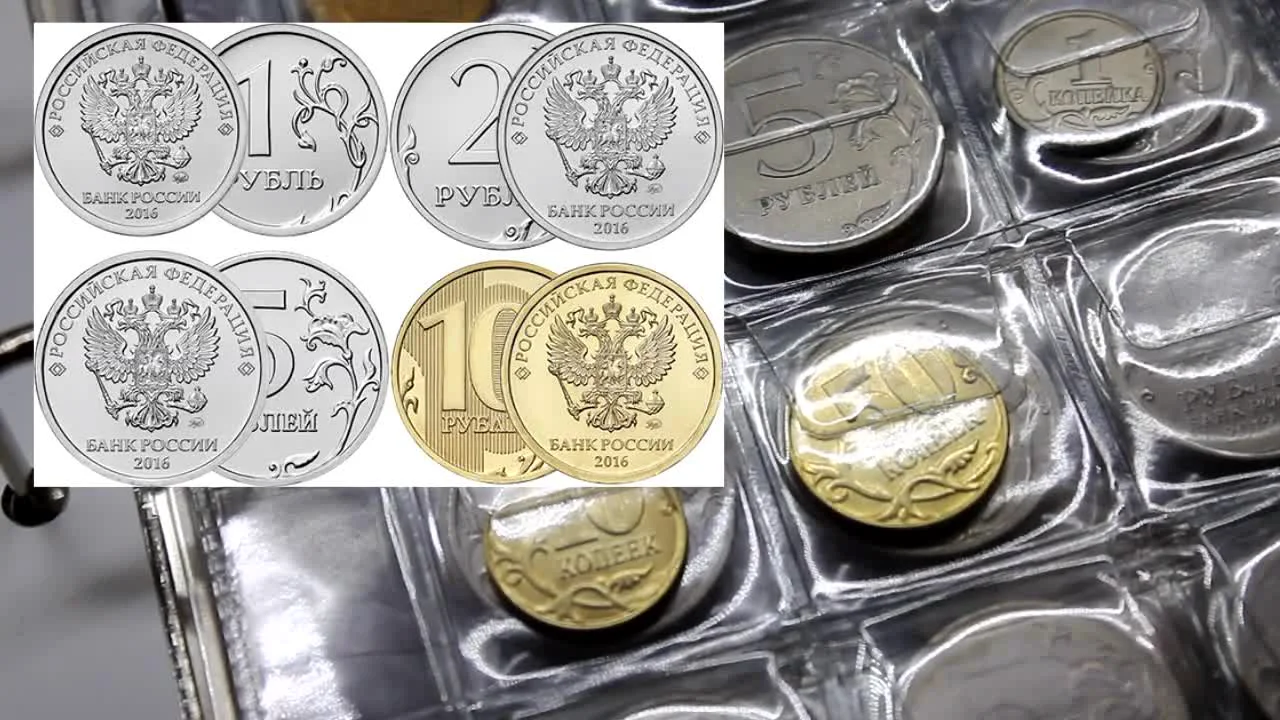
For example, a relevant idea is to collect a full set of 2015 coins, as their design changed in 2016—the state coat of arms appeared on the obverse instead of the Bank of Russia emblem. Such a change makes the coins from the previous year of issue a historically complete and valuable set.
Investments and Year-by-Year Collection
Diving into History: Coins of the USSR
Collecting coins from the Soviet period is a more complex but also more fascinating direction that attracts experienced numismatists. These coins are silent witnesses to the country's history, and their design and symbolism reflect the key events of the era.
You can start collecting Soviet coins with specimens found among relatives or friends. With the help of catalogs or online information, it is easy to determine their value. There are several approaches to collecting:
Collecting by date. You can assemble a set of coins issued in a specific, significant year. For example, a complete set of circulation coins from 1953—the year of Stalin's death.
Commemorative coins. Over the entire Soviet period, 68 copper-nickel commemorative and memorial coins were issued. This collection is complete, which makes it particularly attractive to collectors. By gathering all the specimens, you can have a finished and valuable collection that will only appreciate in value over time.
Diving into History: Coins of the USSR
Tsarist Russia: Numismatics for Connoisseurs
One of the most complex and interesting areas is collecting coins of Tsarist Russia, covering the period from 1721 to 1917. These coins are true historical artifacts, each linked to specific events and rulers.
To hold a coin from the time of Catherine II or Paul I is to touch history. For example, the massive 5 kopeks of Catherine II are reminiscent of the times before the introduction of paper money, when entire carts of copper had to be transported for large transactions. And the "denga" coin of 1798 is a witness to the reign of Paul I and events such as the Mediterranean campaign and the start of the War of the Second Coalition.
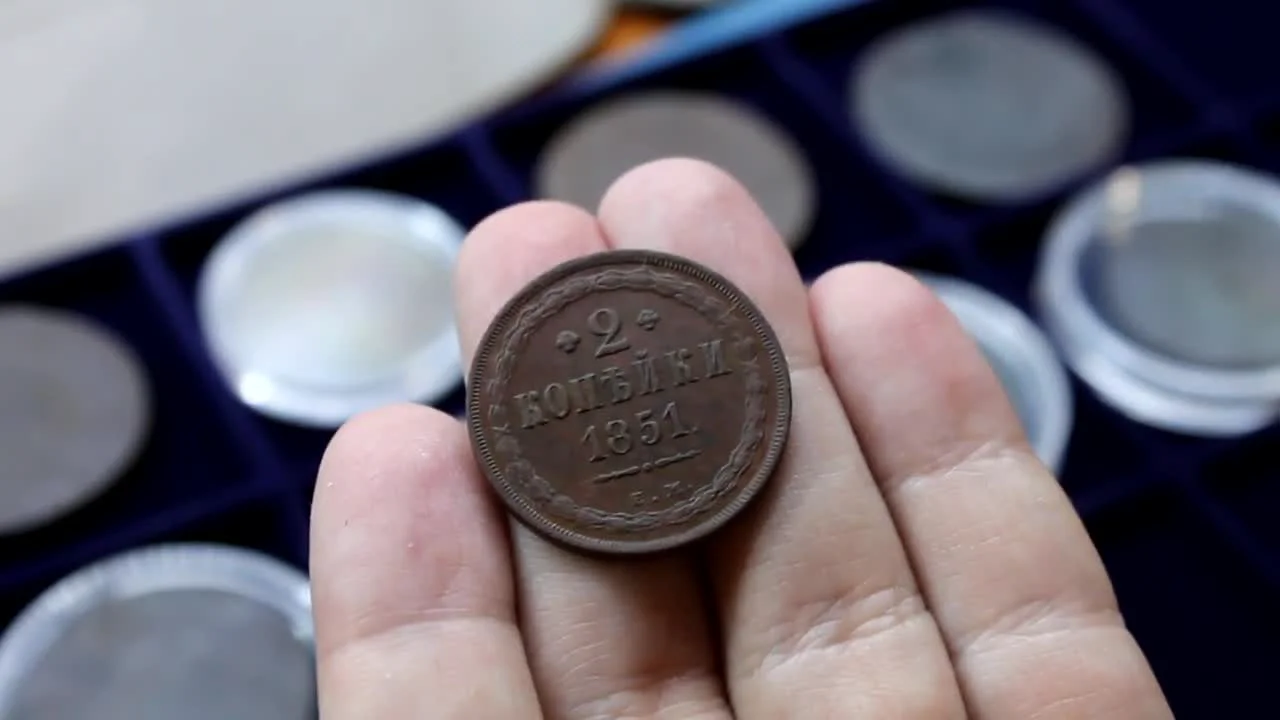
Collecting coins from this period requires knowledge and patience but brings immense pleasure. Each coin, for instance, a 2 kopek from 1851, can tell a story about its era: in that year, the Nikolaevskaya Railway was opened and Chita was granted city status. This turns numismatics into a genuine historical investigation.
Tsarist Russia: Numismatics for Connoisseurs
Practical Tips and Personal Experience
The journey into numismatics often begins in childhood with a few random coins. Over time, this can grow into a serious hobby with a systematic approach, studying catalogs, and creating personal reference guides to mark existing specimens and the historical events associated with them.
The main focus should be on Russian coins, from the 16th century to the present day, choosing the most interesting direction for yourself. It is not necessary to collect everything. For example, you can focus on completed series, such as the commemorative coins of the USSR, or on coins dedicated to specific events.
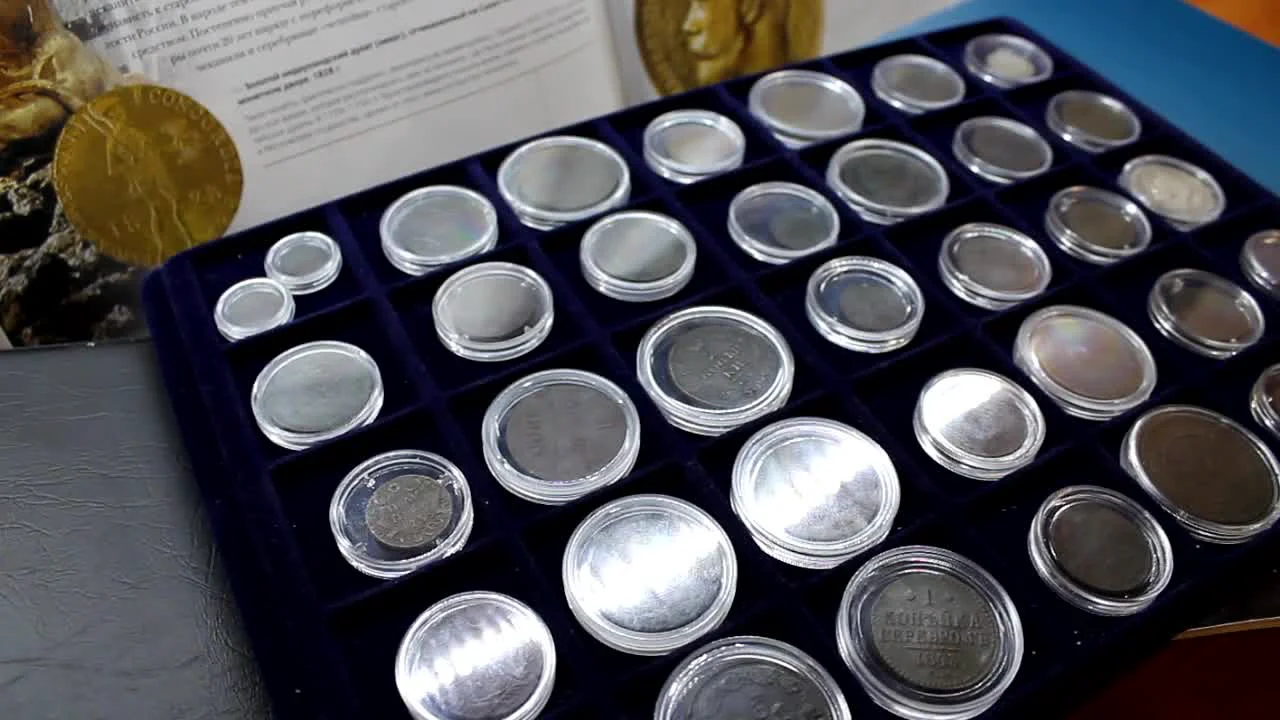
For storing a collection, special albums (for example, the Optima format) or plastic capsules are best, as they protect the coins from damage. You can find coins to add to your collection from acquaintances, in circulation, and also on specialized internet forums and auctions where experienced numismatists gather.