Gold Investment Coins: Answering Key Questions for Beginners
To begin, it's worth defining the concept of a savings or investment coin. This is a simple working definition that helps novice investors get their bearings.
•4 min read
12views
Loading...

To begin, it's worth defining the concept of a savings or investment coin. This is a simple working definition that helps novice investors get their bearings.
| Term | Description |
| Savings Coin | A coin minted in the 20th or 21st century with a fineness of 900 or higher. |
| Fineness 900 | Means that the item consists of at least 90% pure precious metal (gold, silver, etc.). |
To begin, it's worth defining the concept of a savings or investment coin. This is a simple working definition that helps novice investors get their bearings.
The main principle when buying such coins is to pay the minimum price for the maximum amount of grams, ounces, or kilograms of pure precious metal. It is important to note that the weight indicated on the coin (e.g., 7.78 g on the 'George the Victorious') is the weight of pure gold, not the entire alloy. In practice, the actual weight of the coin always slightly exceeds the stated weight due to manufacturing tolerances.
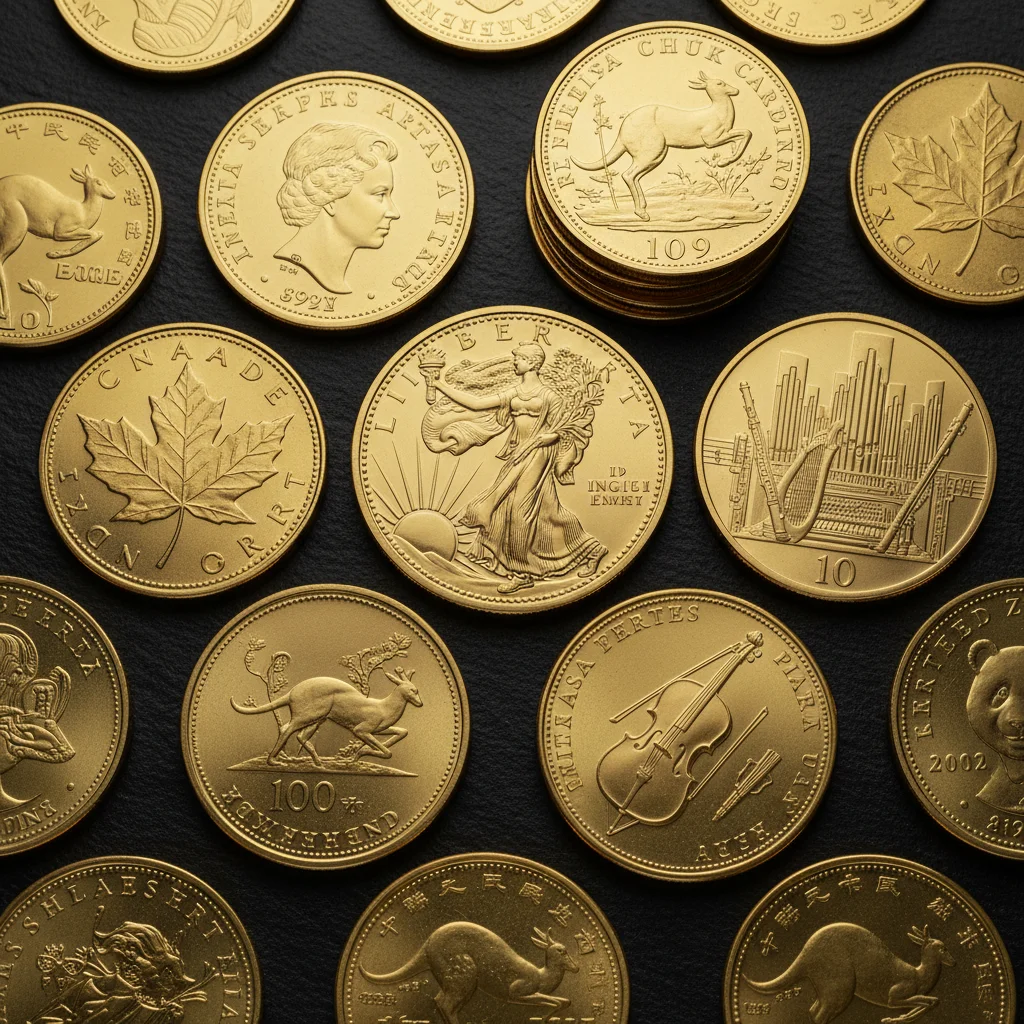
There is a so-called benchmark set of savings coins issued by the official mints of various countries. These coins are the most recognizable and liquid on the global market.
The standard weight for most gold coins is one troy ounce, although numerous fractions from 1/20 to 2 ounces also exist. For the Russian market, the gold 'George the Victorious' coins weighing ¼ ounce and the silver ones weighing one ounce are also important. Most collectible series are sold today at metal value, with the British 'Queen's Beasts' series being the only notable exception.
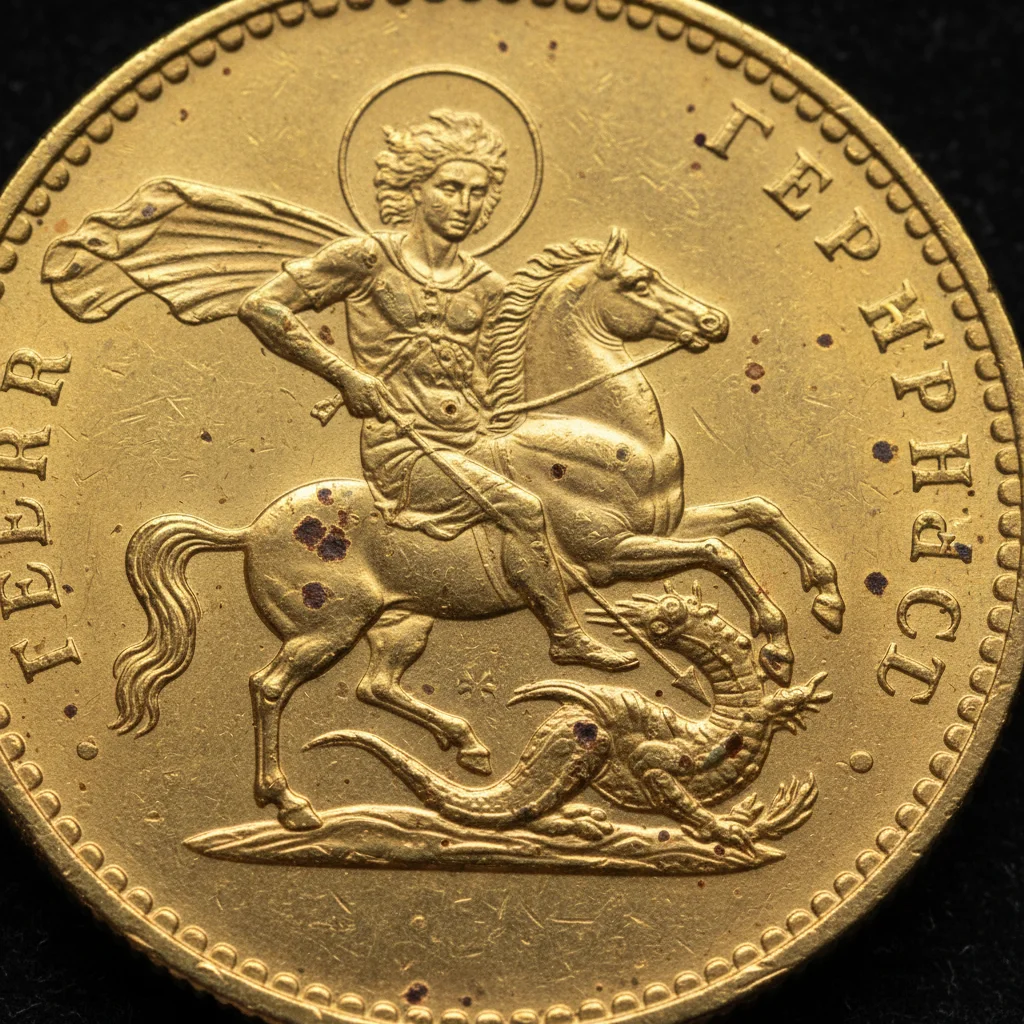
When buying coins, especially Russian ones, questions often arise about the quality related to the year of issue. For example, a bank might ask which year of 'George the Victorious' you want, implying a difference in quality and liquidity.
In reality, there is no significant difference between the minting years of the 'Victorious' coins. 'Quality' most often refers to the presence of spots—a manufacturing defect commonly found on Russian coins. These spots do not make the coin counterfeit and do not cause problems when it is later sold. Moreover, they can be washed off, and there are many resources online about how to do this.
Many beginner investors worry if a coin does not come with a certificate. However, for savings coins, this is completely normal practice.
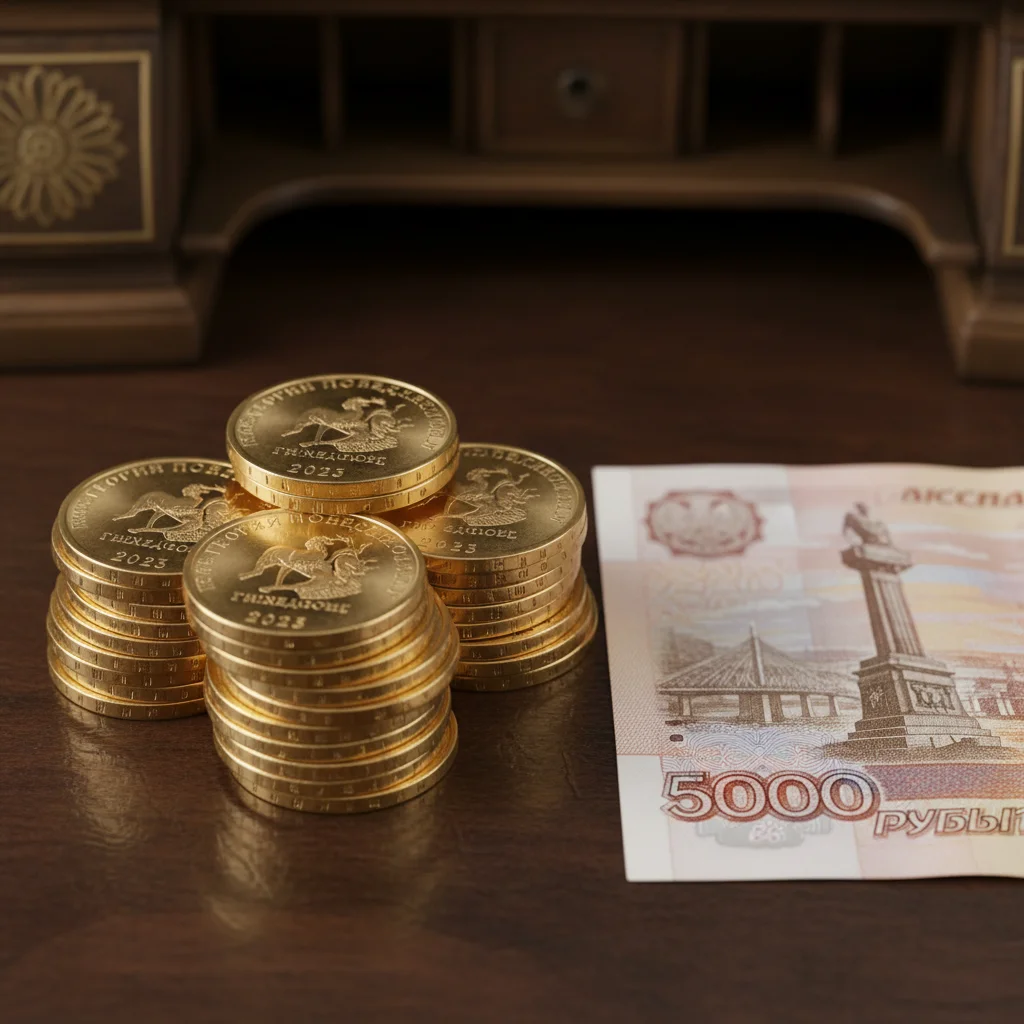
Investment coins are legal tender, and they typically have a face value indicated on them. For example, the gold 'George the Victorious' has a face value of 50 rubles. Theoretically, you could use this coin to pay at a store. Therefore, certificates are not issued for such coins, just as they are not issued for a regular banknote, like a 5000 ruble bill.
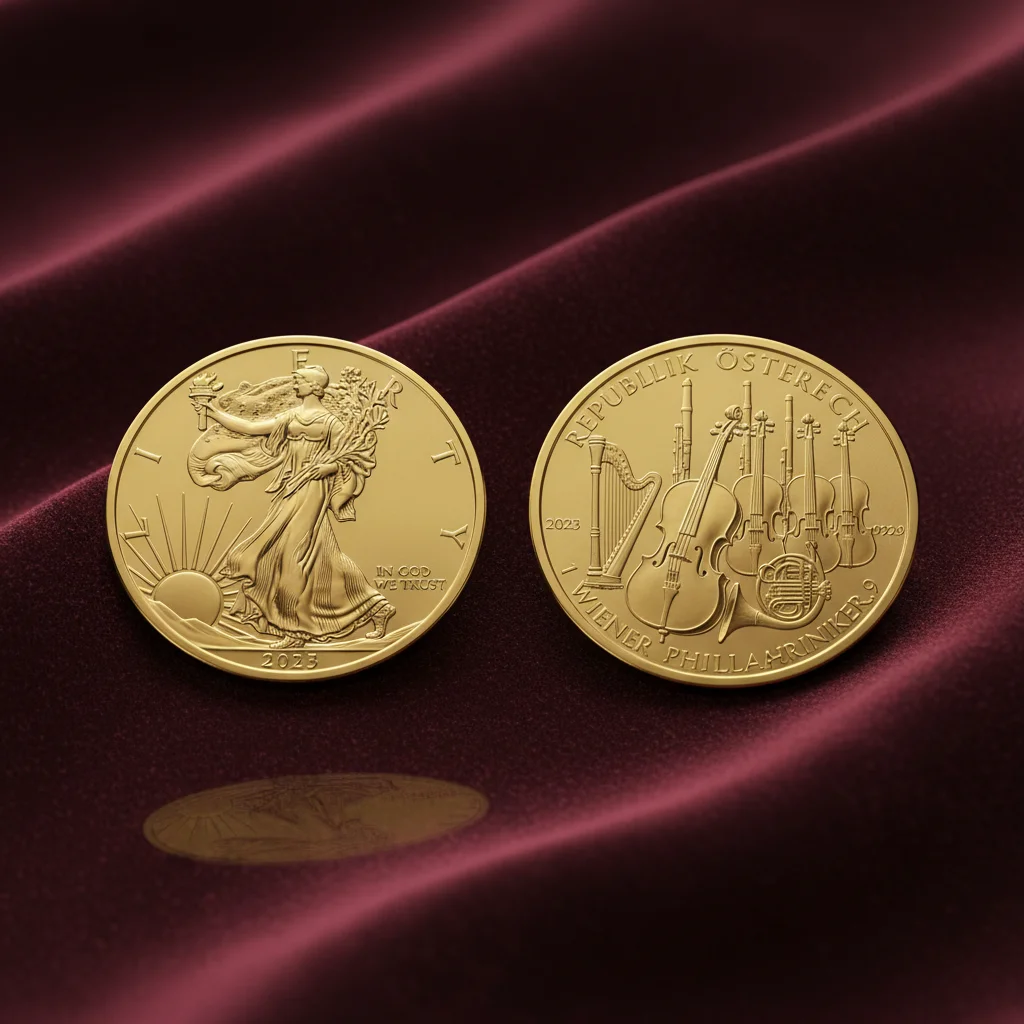
Investors often compare different coins, trying to find the 'best' one. For example, why can an American Eagle with a fineness of 916.7 be more expensive than an Austrian Philharmonic with a fineness of 999.9? The answer lies not in quality, but in market specifics.
The Eagle is no better than the Philharmonic. Its popularity and higher price in Russia are explained by geography and logistics—the coin is transported from far away. In America, it is popular because it is a local product. In Europe, in turn, the Philharmonic enjoys greater popularity. From an investment perspective, these coins are absolutely identical; their value is determined solely by their pure gold content, and the only difference is the design.
One common fear is the low liquidity of coins during 'wartime' or other emergency situations. It is assumed that it would be easier to exchange small pieces of jewelry than a whole coin. In reality, this concern is exaggerated.
In any critical situation, there will be at least one pawn shop operating in the city. If you need to quickly exchange gold for food, you can simply deform the coin with a hammer, turning it into scrap metal, and sell it by weight. There will be no problems with this. Gold in any form will fulfill its role as insurance. If divisibility is a specific concern, you can purchase coins in smaller fractions beforehand, such as 1/20 of an ounce.