Soviet Jewelry: An Investment in Nostalgia or Tasteless Mass Production? - AUCBURG | AUCBURG
Soviet Jewelry: An Investment in Nostalgia or Tasteless Mass Production?
The question of the value of Soviet jewelry evokes diametrically opposed opinions. Some consider these pieces to be tasteless mass-produced items with no artistic or investment appeal. In their view, such jewelry is not worthy of attention.
The question of the value of Soviet jewelry evokes diametrically opposed opinions. Some consider these pieces to be tasteless mass-produced items with no artistic or investment appeal. In their view, such jewelry is not worthy of attention.
Others, on the contrary, argue that Soviet jewelry products have great investment potential. They see value not only in the metal itself but also in the pieces as such, which may become rare over time. The goal is to neutrally examine both viewpoints and determine whether it is worth investing in Soviet jewelry in 2022 and beyond.
Production Features: A Focus on the 1960s–1990s
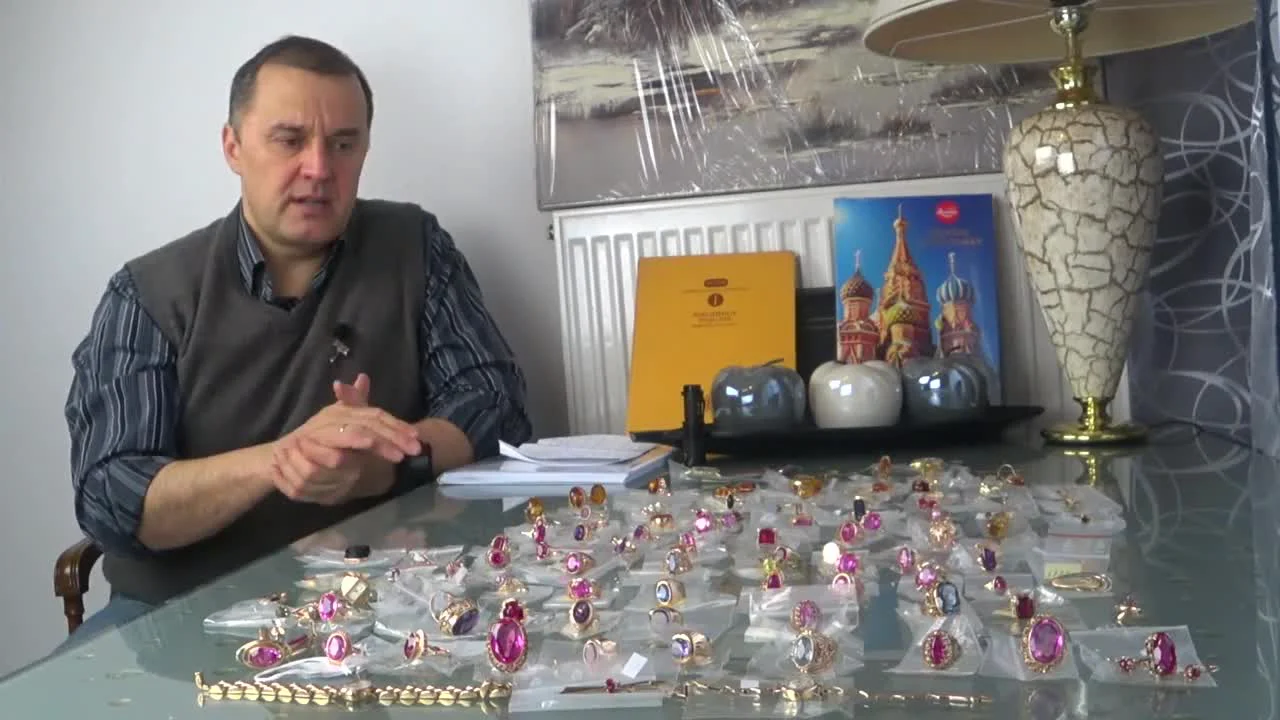
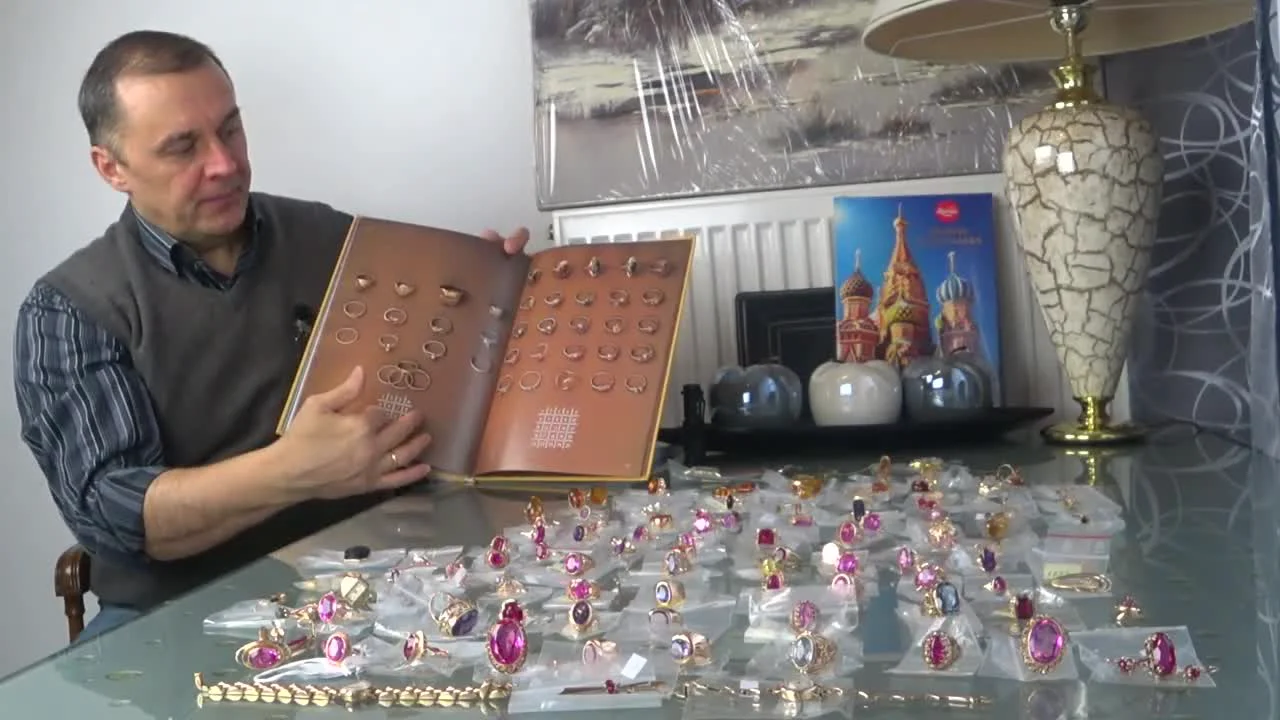
The main focus is on jewelry produced between 1959 and 1993, roughly from the 60s to the 90s. This was an era of mass production. Pieces created before the 60s are already considered antiques and are a separate topic, as are one-of-a-kind exclusive items, for example, from the Moscow Experimental Jewelry Factory.
Mass production was established in almost every Soviet republic, with each capital typically having its own jewelry factory. The products were available to every Soviet worker, although they were not cheap. With an average salary of 120-150 rubles, a small ring weighing 2-3 grams cost a month's wages, as a gram of gold cost between 30 and 50 rubles.
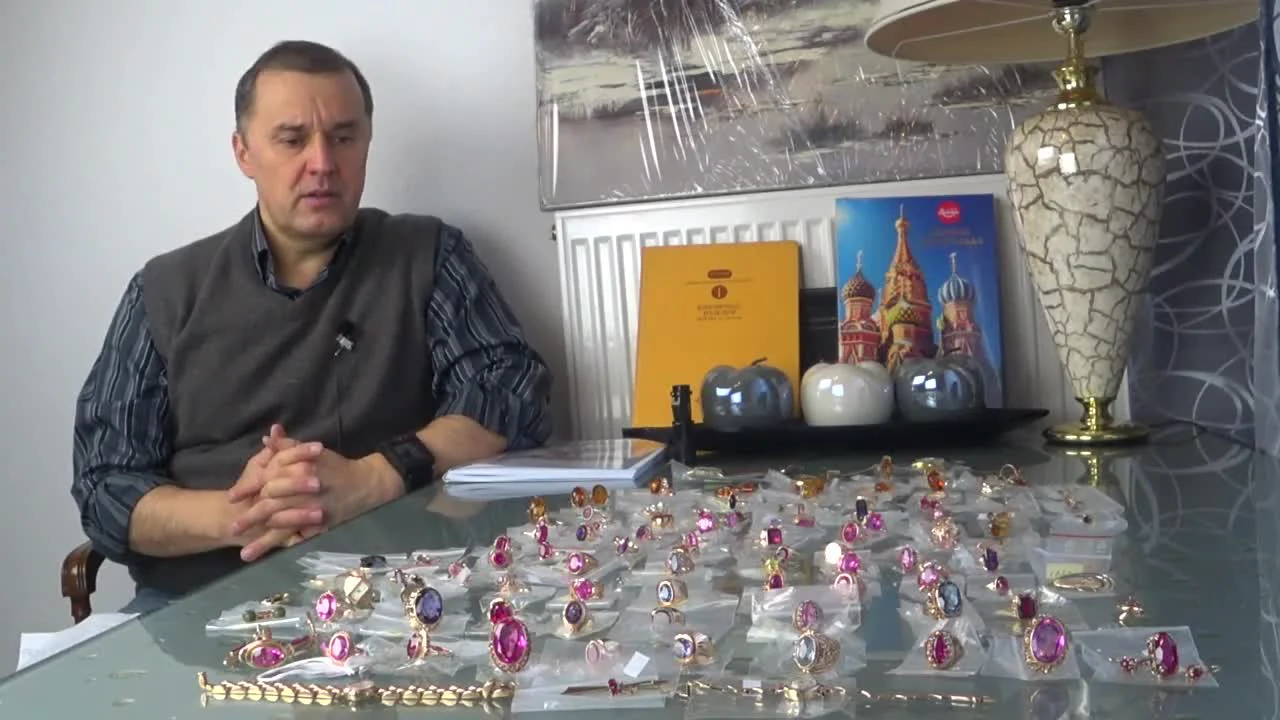
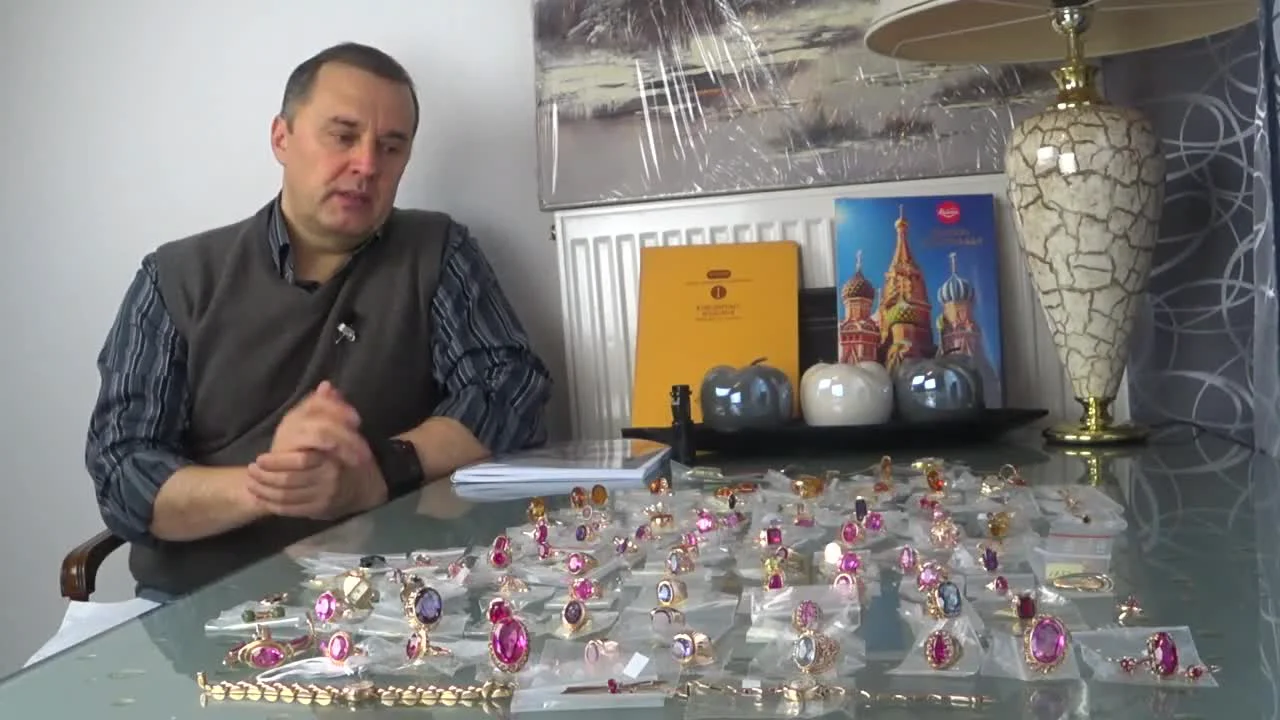
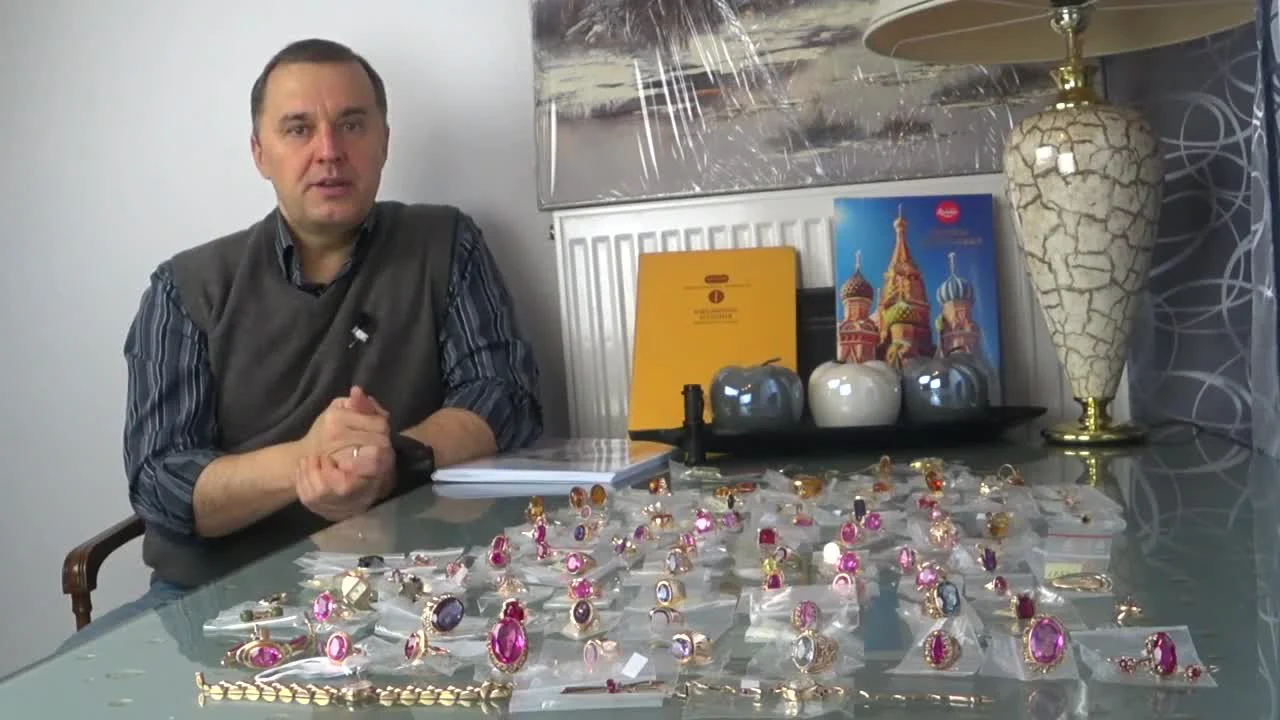
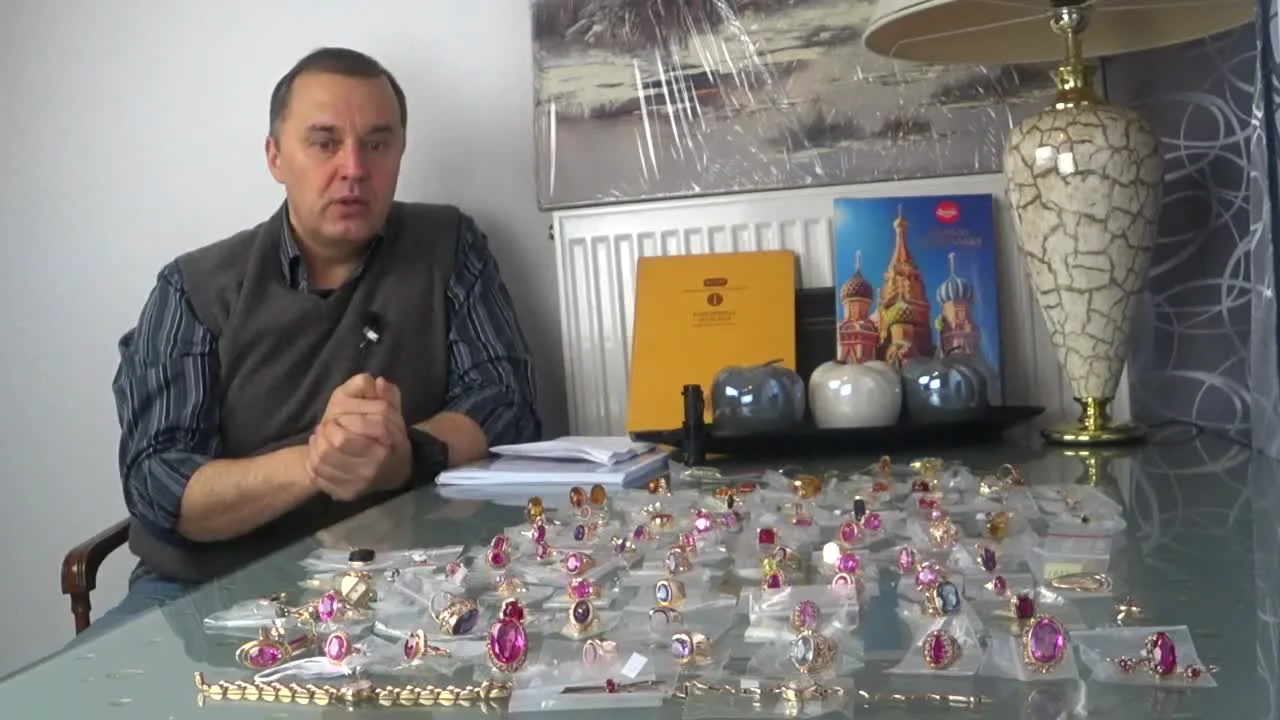
A characteristic feature of that period was the prevalence of red stones. These were not natural rubies, but synthetic corundum. It is believed that the color red was chosen deliberately, as it symbolized the era, the color of the red flag, and Soviet power, making it more suitable than, for example, blue or green. Approximately 70% of all products were made with red stones.
Production Features: A Focus on the 1960s–1990s
Hallmarks and Markings: How to Read Soviet Gold
Soviet jewelry pieces typically have two main hallmarks that provide important information about the item.
The first is the manufacturer's mark, or 'imennik'. It consists of letters that are a code for the manufacturing plant. For example, 'M' stands for the Moscow Jewelry Factory, and 'Sh' (Ш) for the Tashkent one. Sometimes, a number preceding the letter indicates the year of production (e.g., '6' for 1966), or dots, the number of which also indicates the year.
The second hallmark is from the state assay supervision, or GOST. It guaranteed the quality and conformity of the fineness. This mark was shaped like a star with a sickle and hammer inside, next to which the fineness and a letter indicating the assay office where the piece was tested were stamped. The primary fineness for mass-produced items was 583. Others existed, but they were less common.
Hallmarks and Markings: How to Read Soviet Gold
Investment Potential: Pros and Cons
Proponents of investing in Soviet jewelry highlight several positive aspects. First, reliability. The stones in the pieces were secured by bezel setting, not glued in, which ensured their durability. Second, the guaranteed quality of the gold, confirmed by GOST. Third, the number of these items is decreasing over time, as they were actively melted down in the 90s, taken abroad, and continue to be pawned.
Opponents, however, point to the limited and uniform design, which may not have artistic value. Furthermore, the demand for these items is largely driven by the nostalgia of the generation that lived in the USSR, and it is unclear whether this demand will be sustained by their children and grandchildren. It is also worth considering that the synthetic stones adorning most pieces weigh 2-3 grams, and their value is deducted during appraisal.
Investment Potential: Pros and Cons
The Modern Market and Target Audience
Today, the main interest in Soviet jewelry comes from former compatriots living abroad, for example, in Germany. The primary buyers are women aged 60 and over. For them, this jewelry is a reminder of their youth, of unfulfilled dreams.
Nostalgia is the key driver of this market. The younger generation of Europeans is unlikely to be interested in such designs. Soviet earrings are particularly popular because their clasps are considered very sturdy and reliable, unlike many modern European counterparts that are easy to lose. This reliability factor also attracts older buyers.
The Modern Market and Target Audience
Conclusion: Investment or Nostalgia?
In conclusion, it can be said that investing in Soviet jewelry is a '50/50' gamble. On one hand, the number of these items is decreasing over time, which could lead to an increase in their collectible value. On the other hand, the main demand is limited to the generation for whom these items hold nostalgic value.
From an investor's perspective, the safest strategy is to purchase such items at their scrap metal price. In this case, the financial risks are minimal, as the value of the metal will always be a basic guarantee. Any premium above the price of gold is a payment for the historical and cultural component, which may either appreciate in value or remain in low demand.
Currently, on online auction sites like eBay, it is not easy to buy Soviet jewelry at scrap price, as it is often sold with a small markup. However, the main driving force of this market remains not so much cold calculation as warm memories of a bygone era.