The Gold "Double Eagle": History and Value of the Most Popular U.S. Coin - AUCBURG | AUCBURG
The Gold "Double Eagle": History and Value of the Most Popular U.S. Coin
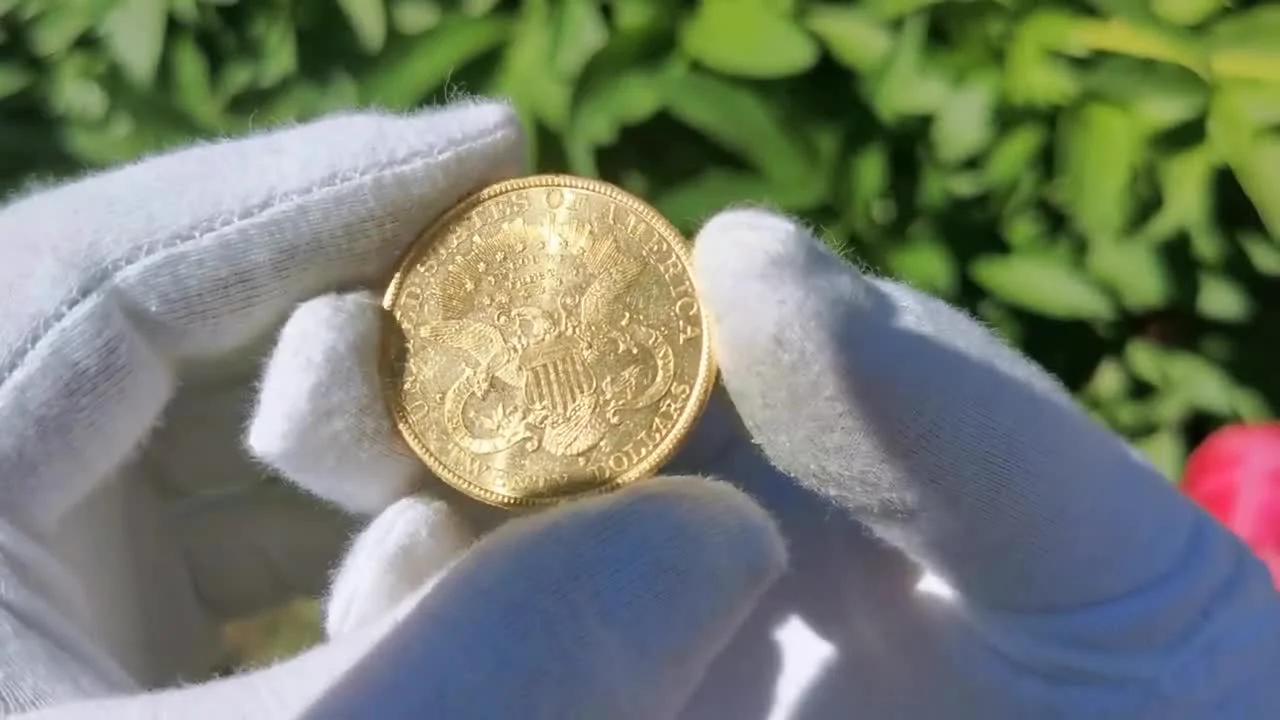
Among the many American gold coins, both modern and old, one stands out for its popularity and beauty. This is the coin known as the "Double Eagle." It is rightfully considered one of the most beautiful and sought-after near-one-ounce gold coins in the world.
Among the many American gold coins, both modern and old, one stands out for its popularity and beauty. This is the coin known as the "Double Eagle." It is rightfully considered one of the most beautiful and sought-after near-one-ounce gold coins in the world.
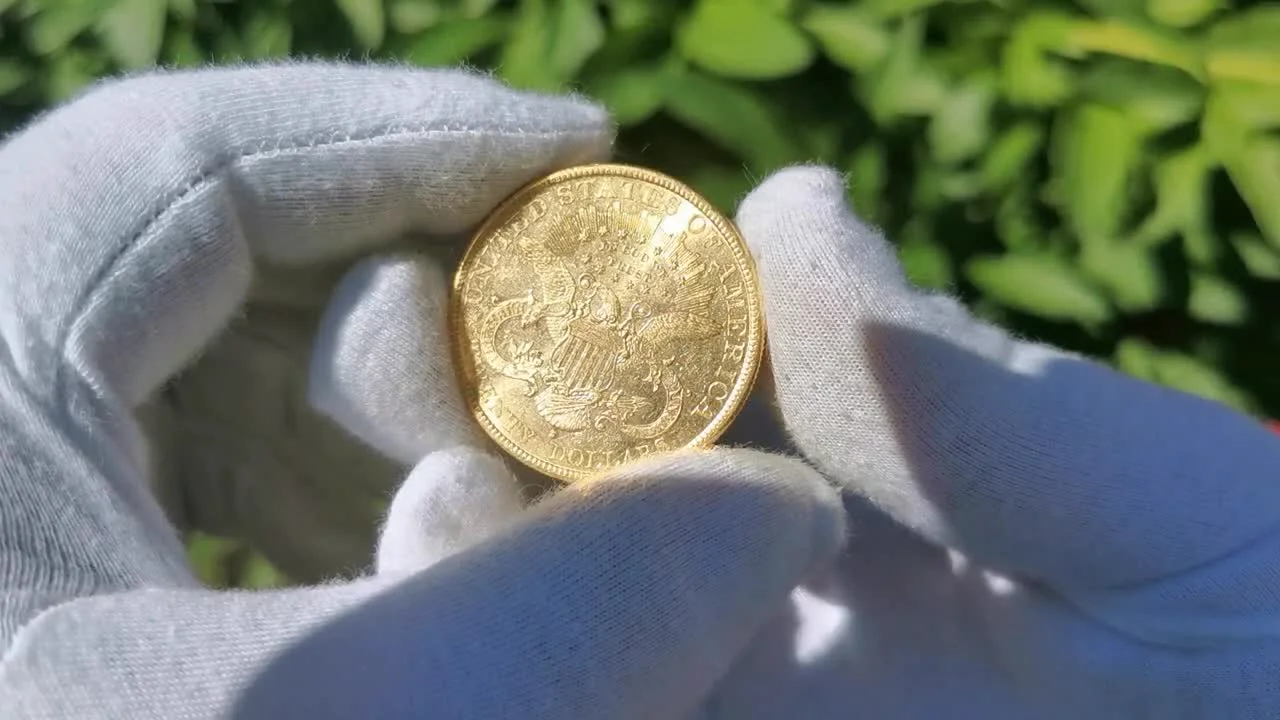
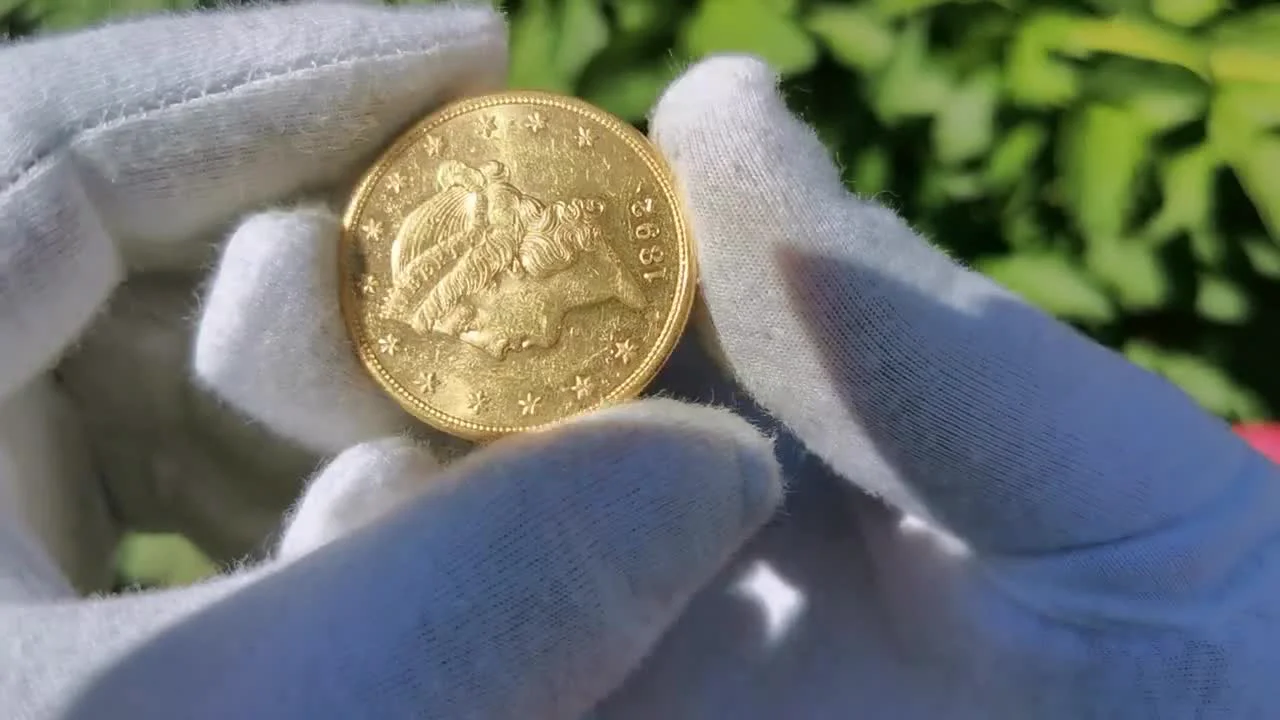
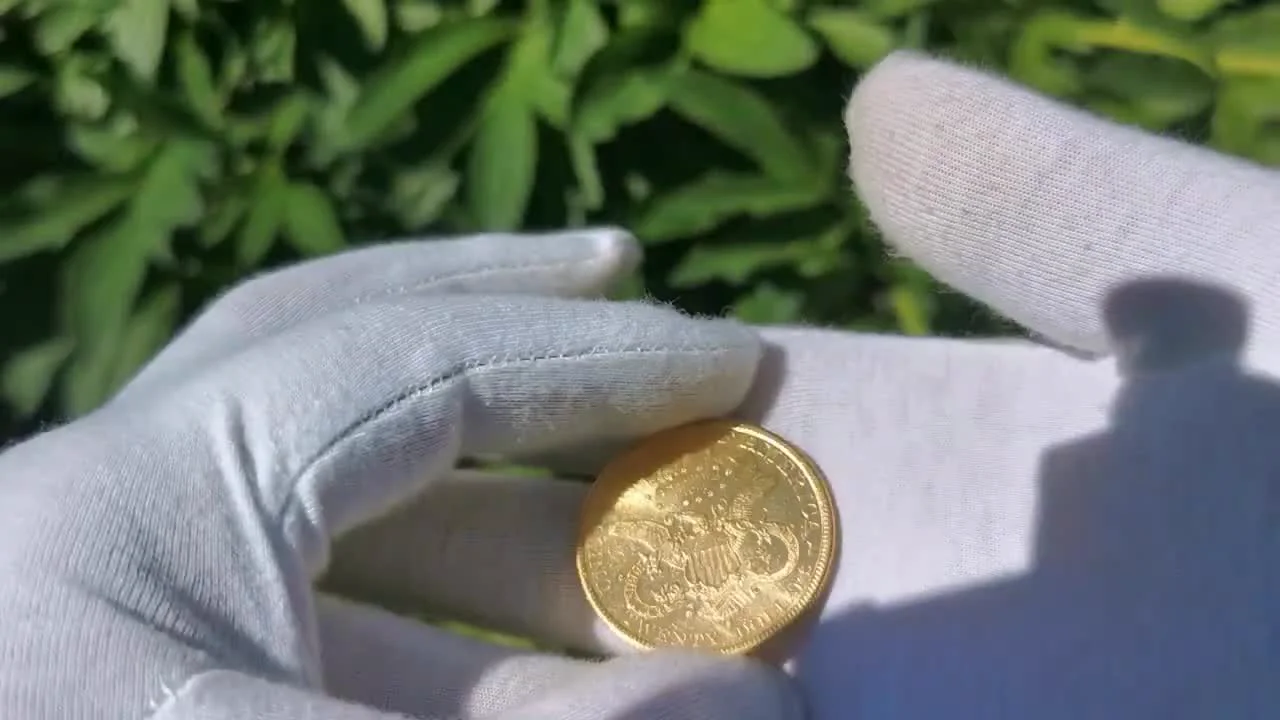
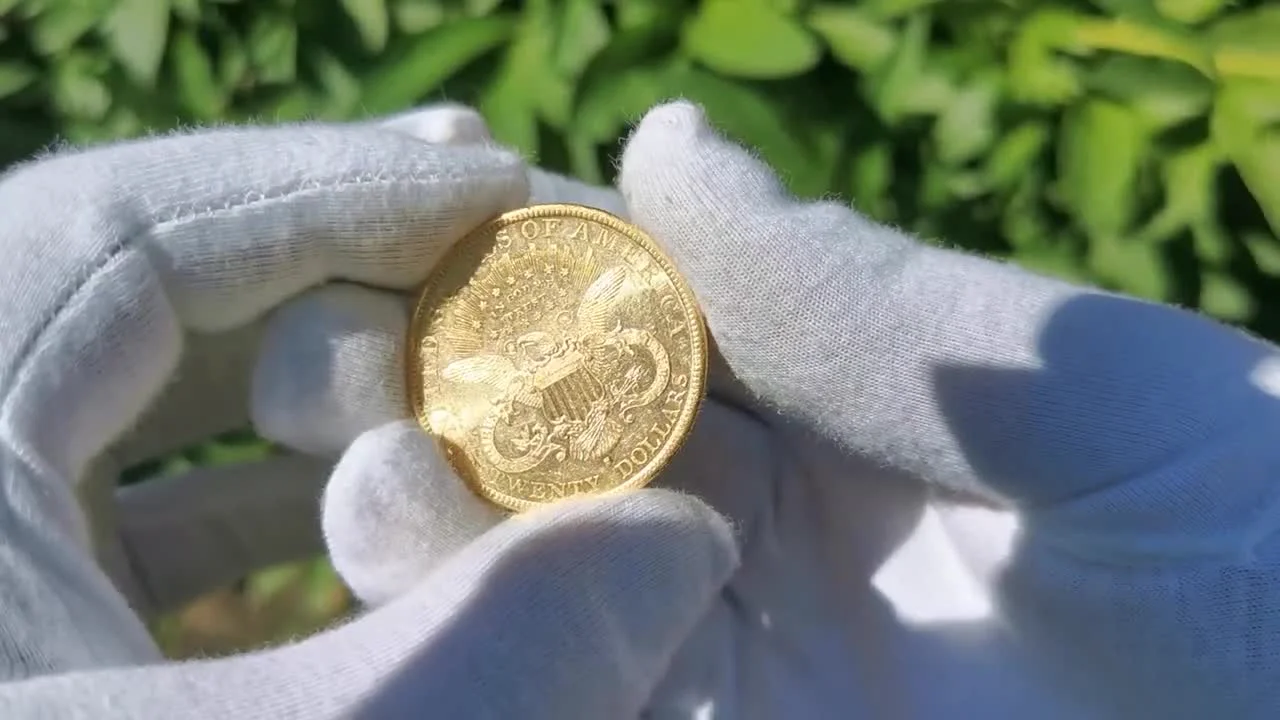
As an example, consider a worthy specimen — the $20 coin from 1892. This coin exhibits a brilliant mint luster and is a fine representative of its series, attracting the attention of both experienced numismatists and novice investors.
Minting History: From the Gold Rush to 1933
The emergence of this iconic coin is directly linked to the Gold Rush that swept through California in the mid-19th century. The discovery of vast gold reserves prompted the mass minting of large-denomination gold coins.
The United States of America minted the "Double Eagle" for an extended period — from 1849 to 1933. This makes the coin not only a valuable asset but also an important historical testament to an entire era in the country's development.
Minting History: From the Gold Rush to 1933
Coin Specifications
Parameter
Value
Weight
33.4 grams
Composition
90% gold, 10% copper
Diameter
34 mm
Engraver
James B. Longacre
The coin's design was created by engraver James Barton Longacre. The coin has impressive specifications that are important for anyone interested in investing in or collecting gold coins to know.
This metal ratio provided the coin with sufficient durability for circulation while maintaining a high precious metal content.
Coin Specifications
Investment Appeal and Price Dynamics
Beyond its aesthetic and historical value, the "Double Eagle" is of great interest as an investment tool. The dynamics of its value in recent years clearly demonstrate this. Just five years ago, such a coin could be purchased for $1,500-$1,600.
Today, the price of a specimen in good condition with mint luster ranges from $2,100 to $2,200. If the coin has been professionally graded (slabbed) and received a high MS (Mint State) grade, its value can reach $2,300-$2,500.
The price also heavily depends on the year of issue and the mint mark, as some combinations are rarer. These are important factors to consider when assessing the coin's investment potential.
Investment Appeal and Price Dynamics
Rarity, Condition, and Storage
Finding a "Double Eagle" in perfect condition is becoming increasingly difficult. Several factors contribute to this:
More and more high-quality coins are being sent for slabbing and ending up in collections.
Specimens of lower quality are more frequently appearing on the market.
Novice collectors often damage coins by trying to clean them with abrasive agents.
Even coins with mint luster often have micro-scratches—traces of bag handling. It's also worth mentioning specimens recovered from shipwrecks. Such coins typically have a special designation on the slab, which significantly increases their rarity and popularity among collectors.
Rarity, Condition, and Storage
Important Details: The 'In God We Trust' Motto and Edge Condition
One of the notable details of the coin is the motto 'In God We Trust.' Its appearance is linked to the tragic events of the U.S. Civil War. Due to the high number of casualties, religious sentiment in society intensified, and following numerous public requests, this inscription began to be minted on coins: on silver denominations of 10 cents and higher, and on gold coins of $3 and up.
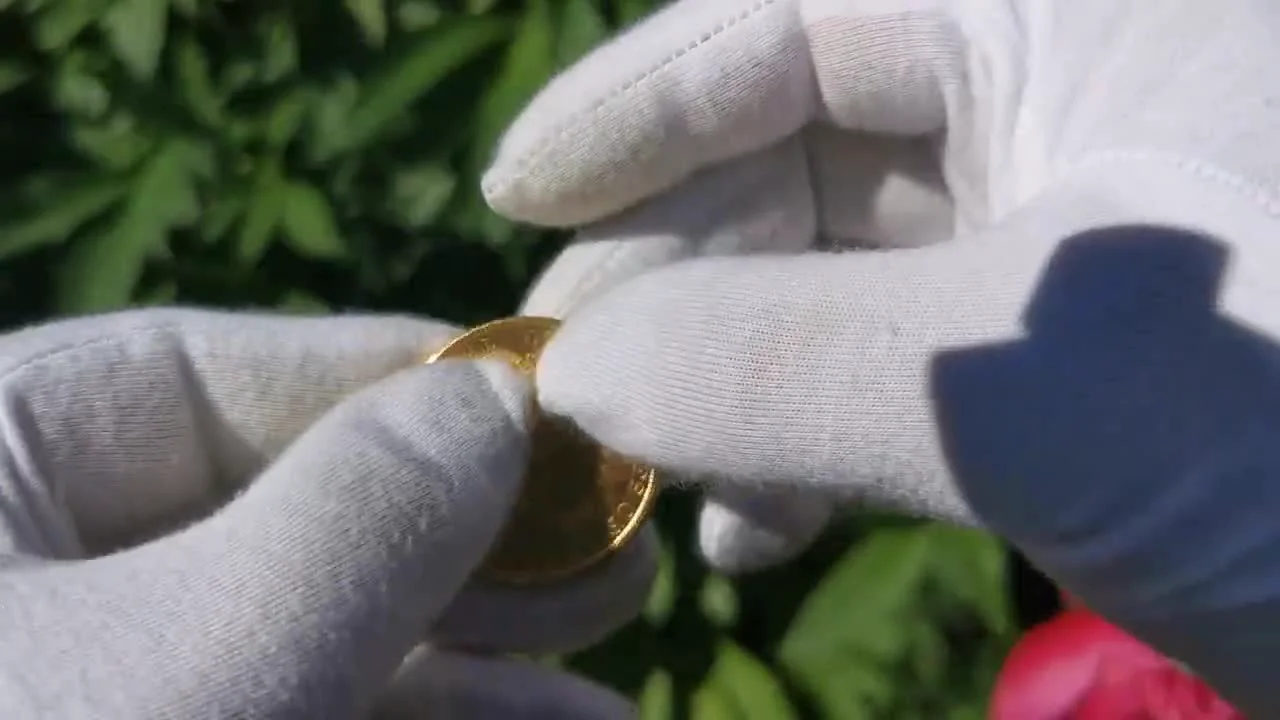
When purchasing such a coin, it is important to carefully inspect not only the obverse and reverse but also the edge (gurt). Sometimes, so-called 'pawnshop file marks'—traces of metal testing—can be found on it, which can significantly reduce the specimen's value. To preserve unslabbed coins, it is recommended to use special holders that protect them from damage and are convenient for album storage.
Important Details: The 'In God We Trust' Motto and Edge Condition