Liquidity of Investment Coins: Which Specimens Are Easy to Sell - AUCBURG | AUCBURG
Liquidity of Investment Coins: Which Specimens Are Easy to Sell
Coin liquidity is the ability to quickly sell them at a good, market-appropriate price. There is always demand for such coins. A paradox exists: the more expensive and rarer a coin is, the harder it is to find a buyer willing to pay the asking price.
What is Liquidity and Why Rare Coins are Harder to Sell
Coin liquidity is the ability to quickly sell them at a good, market-appropriate price. There is always demand for such coins. A paradox exists: the more expensive and rarer a coin is, the harder it is to find a buyer willing to pay the asking price.
If you list a rare specimen that is not available on trading platforms at an inflated price, there is no guarantee it will be purchased. Selling such coins requires time and the search for a specific collector.
Risks of Investing in Short Coin Series
Particular caution should be exercised with coins from short series issued by small states. At the time of release, such series can be popular, and their price rises, sometimes exceeding the metal's value by 100% or more.
However, over time, interest in them fades, and the coins are forgotten. When such a coin enters the secondary market, it becomes difficult to sell it for a good price. At auction, its price will likely be only slightly higher than that of a standard bullion coin, as the demand for it has passed.
Risks of Investing in Short Coin Series
Investing in Metal vs. Numismatic Value
It is important to distinguish between two approaches to investing. The first is a pure investment in the metal, where standard bullion coins are purchased (for example, the Russian 'George the Victorious,' Austrian 'Philharmonics,' Canadian 'Maple Leafs') with the goal of profiting from the rise in the price of silver itself.
The second approach is the purchase of coins that have not only metal value but also numismatic appeal. The goal of such investments is to sell the coin in the future for a significantly higher price, making a profit beyond the value of the precious metal, thanks to its collectible value.
Investing in Metal vs. Numismatic Value
The Most Liquid Coins: The Perth Mint of Australia
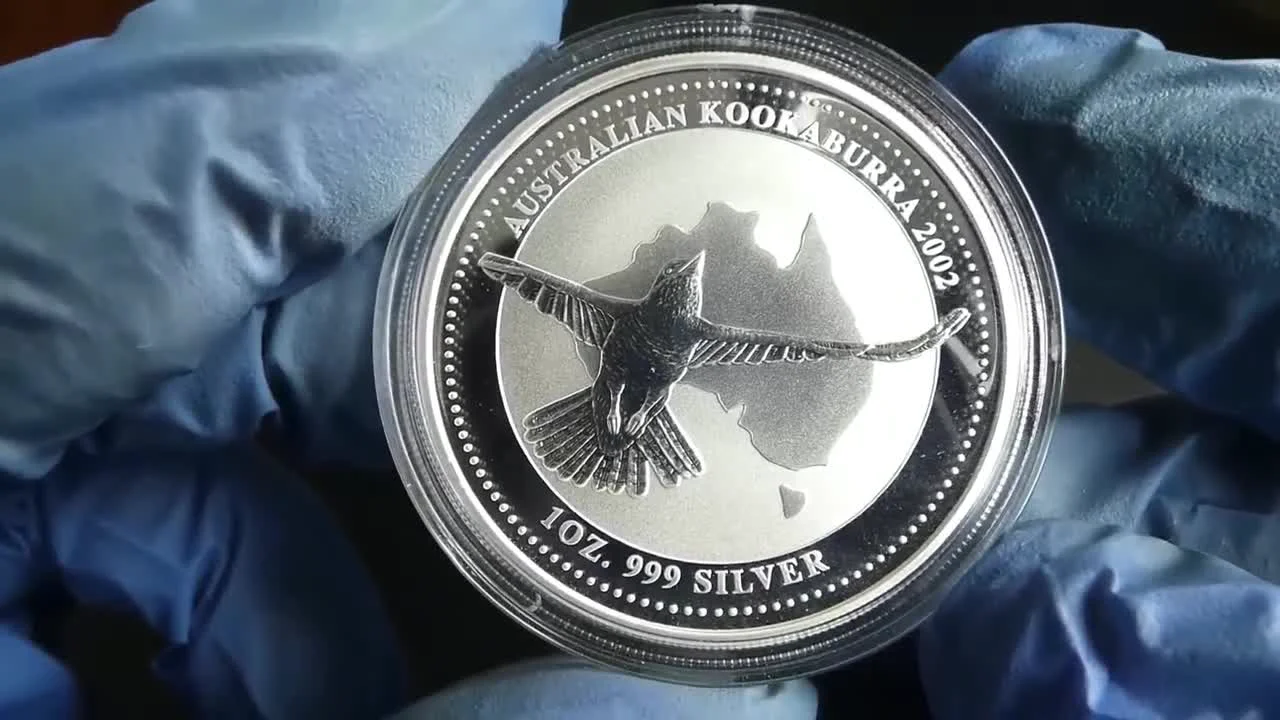
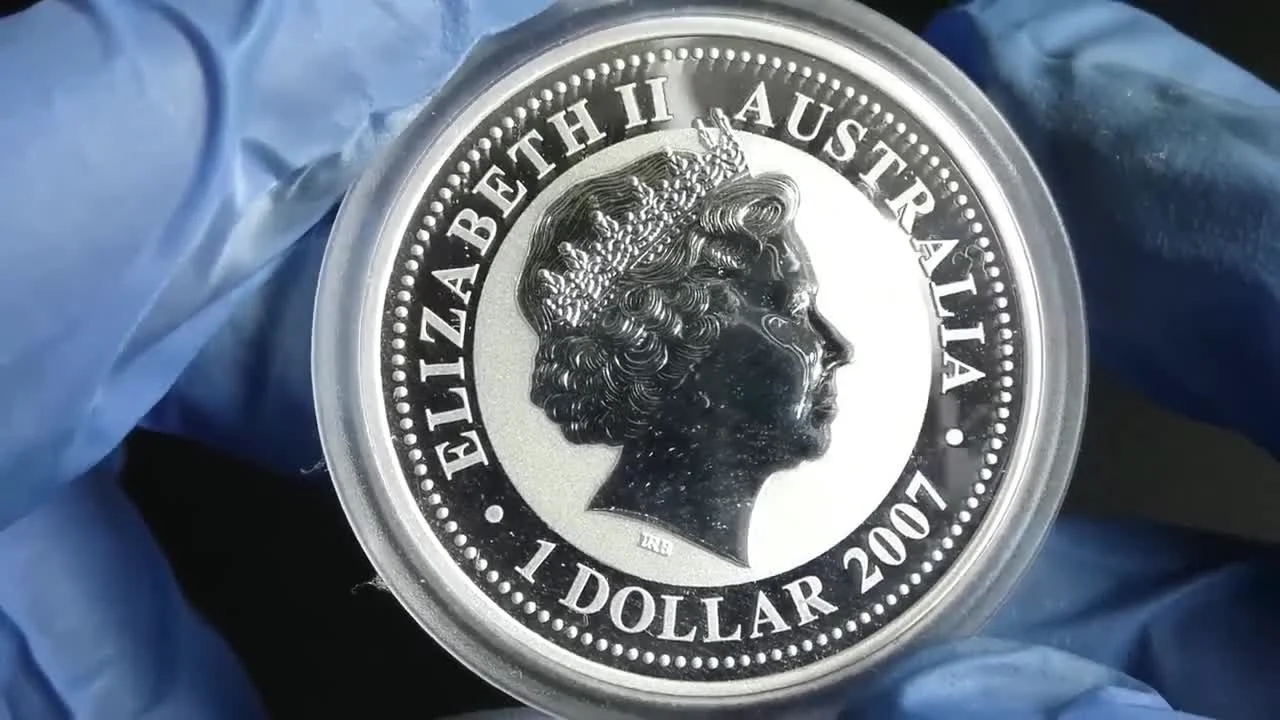
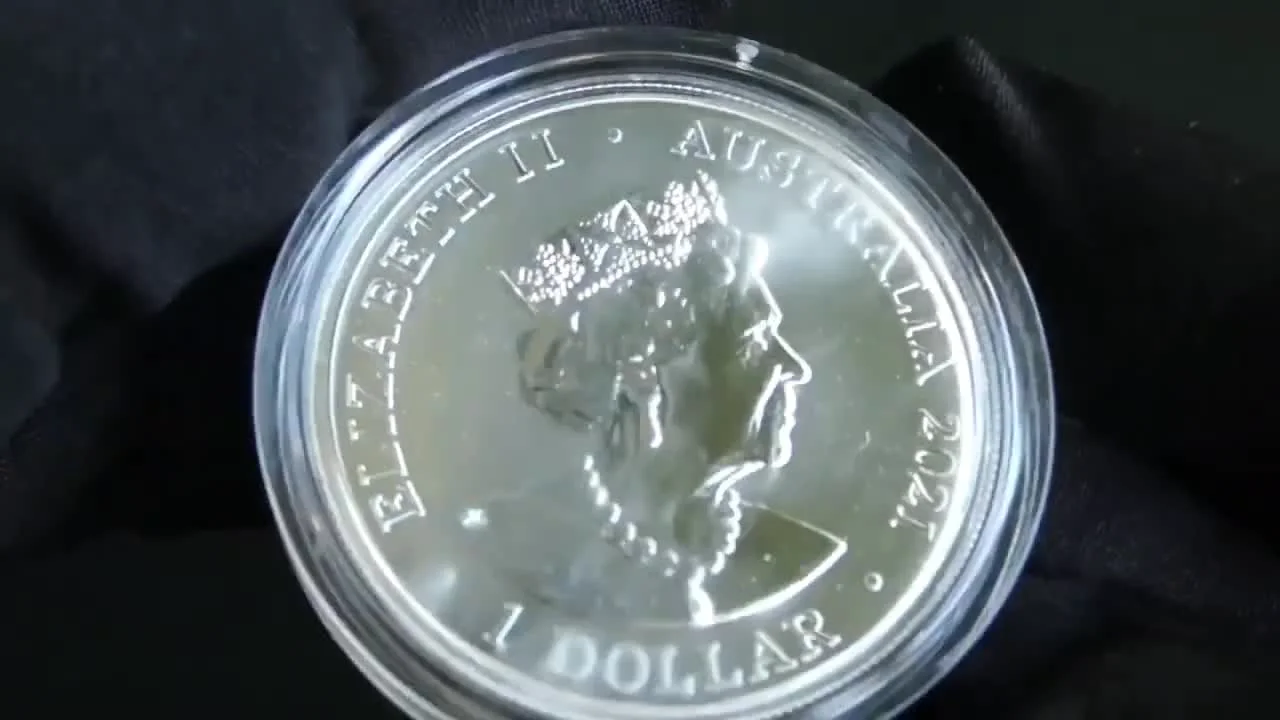
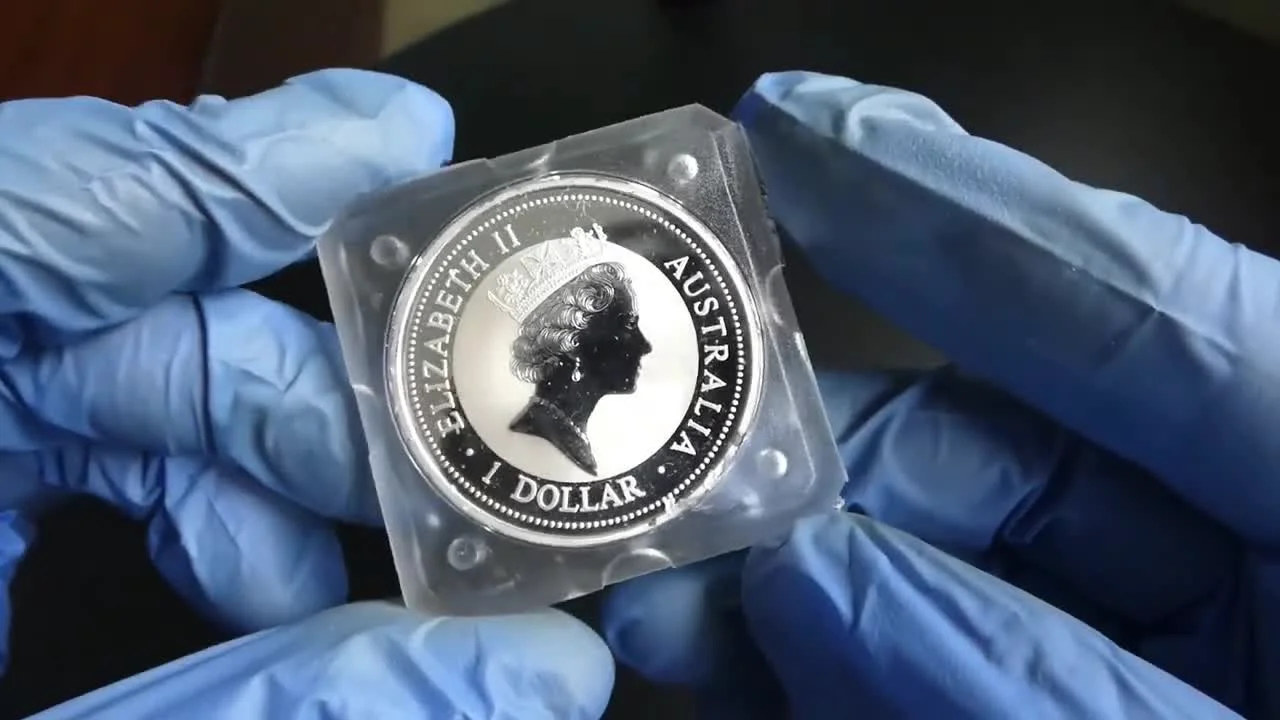
Among the most liquid coins that are always in demand and easy to sell at a good price, the products of the Perth Mint (Australia) stand out. Long-running series that attract collectors worldwide are particularly valued.
Lunar
Kookaburra
The 'Koala' series from this trio is considered less popular. Other shorter series from the Perth Mint, such as 'Swan,' 'Wombat,' 'Quokka,' and 'Emu,' also have good liquidity. However, the purely bullion 'Kangaroo' coin does not fall into this category, as its value is mainly tied to the price of the metal.
The Most Liquid Coins: The Perth Mint of Australia
Other Popular Series and Their Features
Series / Mint
Liquidity Features
Queen's Beasts (United Kingdom)
A highly sought-after and liquid series, in great demand among collectors.
Chinese Panda (China)
Extremely popular and marketable series, but it comes with a high risk of counterfeits. Should be purchased with caution.
Coins of the Royal Australian Mint
They are initially sold at a higher price, and it is more difficult to sell them at a profit compared to Perth Mint coins.
American Silver Eagle (USA)
A very liquid coin, popular for collecting by year. Sells easily.
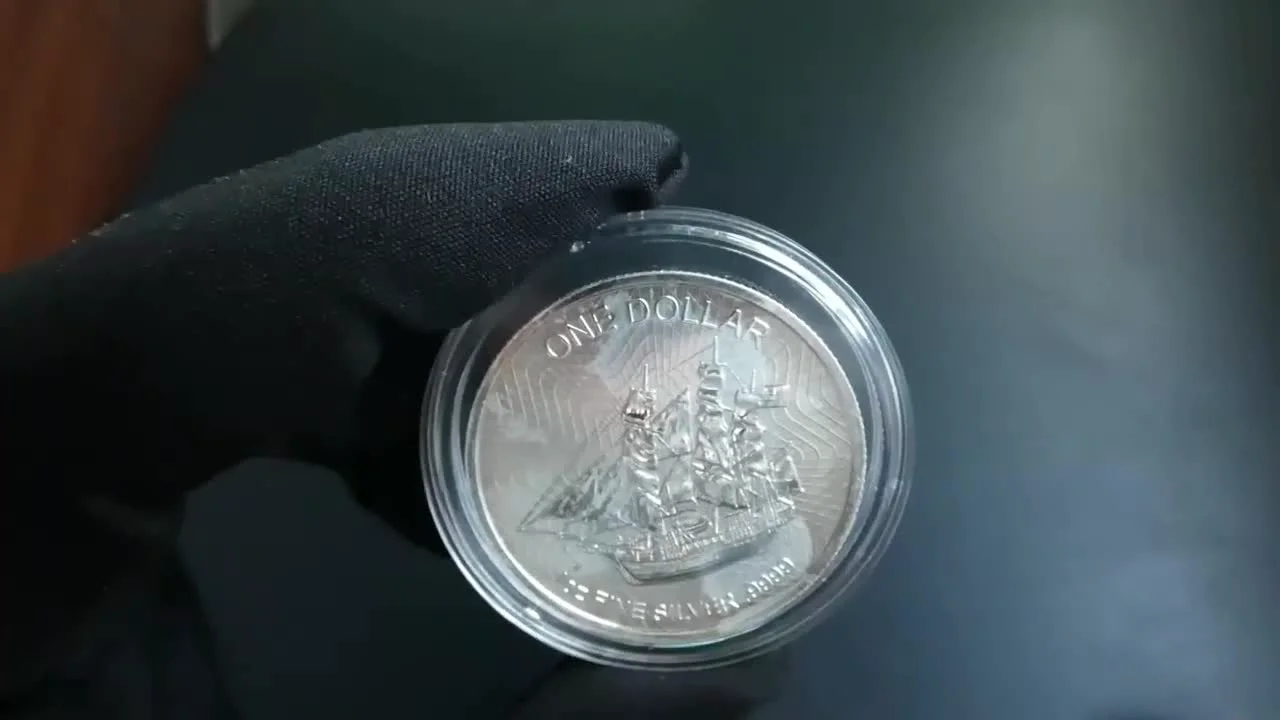
Besides the products of the Perth Mint, there are other series on the market with high liquidity. However, each has its own features that should be considered when investing.
Although coins from the Royal Australian Mint are issued in smaller mintages than those from Perth, their investment potential is somewhat lower due to a higher initial price and the mint's focus on regular circulation coins.
Other Popular Series and Their Features
The Problem of Preservation and the Importance of Professional Grading
When buying old or collectible coins, the question of preservation often arises. Many argue that one should only invest in specimens in perfect condition. However, the concept of 'good condition' is very subjective: what one person considers perfect, another may find flawed due to minor scratches.
Because of this subjectivity, paying a large premium for the condition of an ungraded coin is risky. The only objective way to confirm a coin's high quality is through professional grading and encapsulation in a special holder (a grade or slab).
For investors who are specifically betting on a coin's excellent condition, it is recommended to purchase exclusively graded specimens. This helps to avoid disappointment during a future sale and provides objective proof of the asset's quality.
The Problem of Preservation and the Importance of Professional Grading