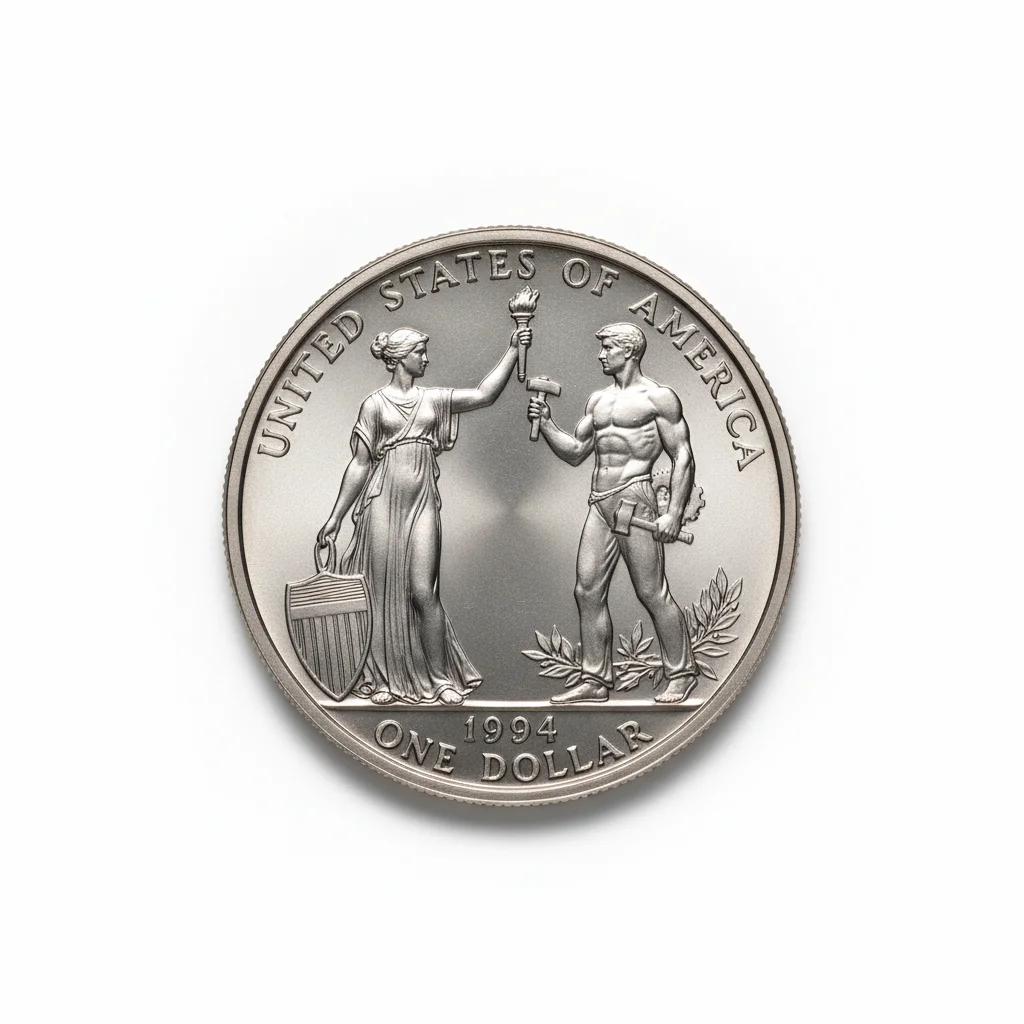
The Art of Coin Photography: A Dealer's Guide - AUCBURG | AUCBURG
The Art of Coin Photography: A Dealer's Guide
After the coins are sorted and prepared, one of the most crucial stages in a numismatic dealer's work begins: photography. This is an integral part of the business, on which the success of a sale directly depends. A photograph serves a dual function: on one hand, it must evoke a potential buyer's desire to purchase the coin immediately.
The Importance of Quality Photography in Numismatics
After the coins are sorted and prepared, one of the most crucial stages in a numismatic dealer's work begins: photography. This is an integral part of the business, on which the success of a sale directly depends. A photograph serves a dual function: on one hand, it must evoke a potential buyer's desire to purchase the coin immediately.
On the other hand, the image must be as informative as possible. It is important to honestly show all the features of the specimen, including potential problems, flaws, and shortcomings. This approach builds trust and allows the buyer to make an informed decision. Therefore, one should not get carried away with excessive image processing in photo editors; it is sufficient to simply crop the excess edges and, if necessary, clean up the background.
Choosing Equipment: The Myth of Expensive Gear
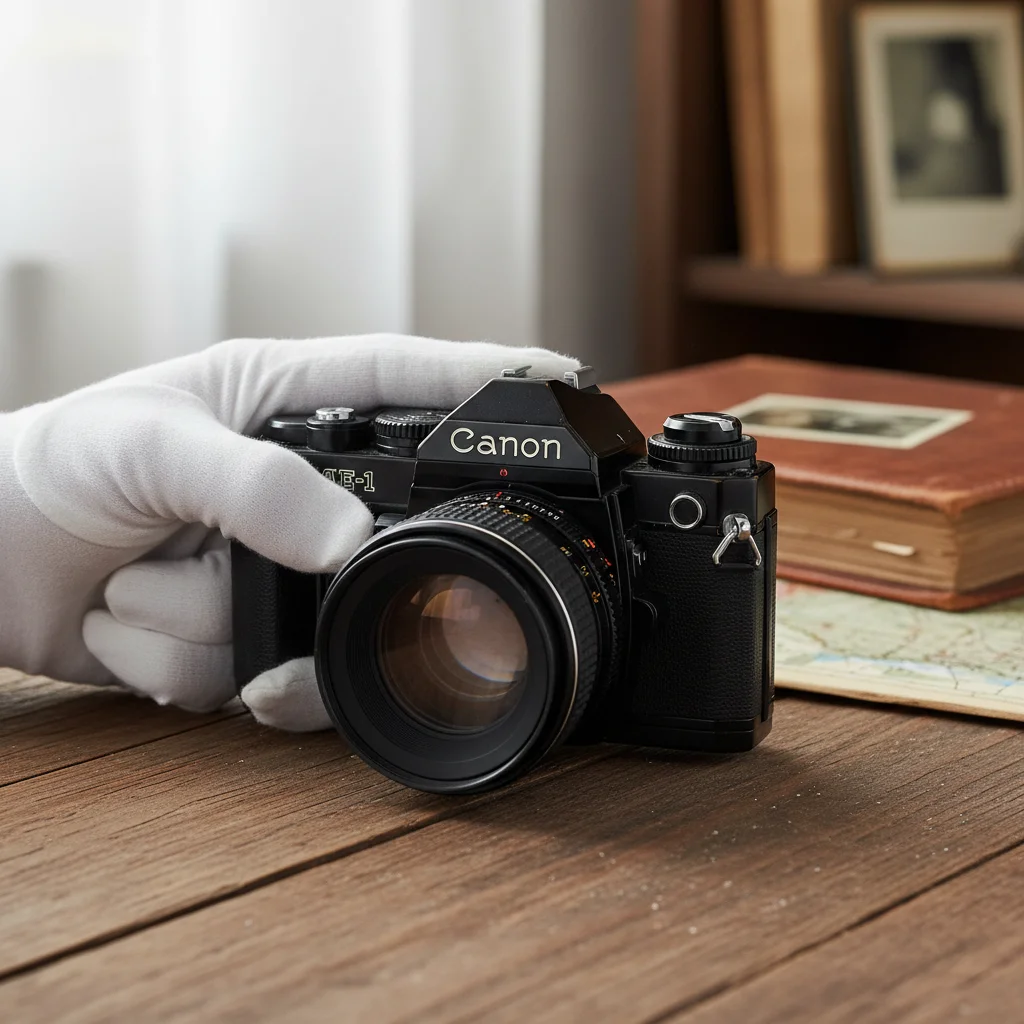
There is a common misconception that creating high-quality and informative photographs of coins requires an expensive camera with a professional lens. However, in practice, this is not the case. Excellent results can be achieved even with a simple entry-level DSLR camera.
For example, a standard ('stock') lens that comes with the camera is perfectly suitable for photographing antiques. For coin photography, you can even use an old Soviet lens, purchased for a nominal price and mounted on a modern camera via a special adapter. Such a combination allows for high-quality images that are successfully used in auctions.
Choosing Equipment: The Myth of Expensive Gear
Smartphone Photography: An Accessible Alternative
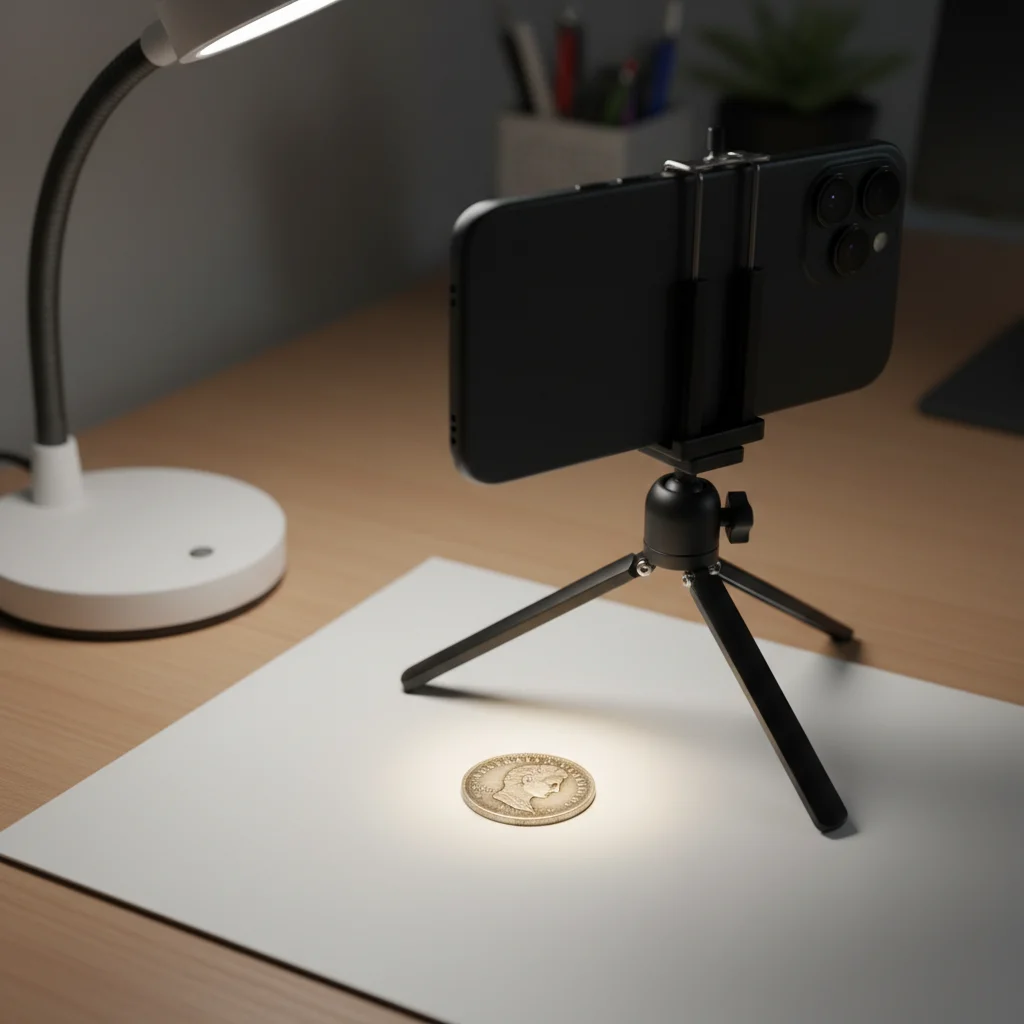
It's not always possible to use a camera, and in such situations, a modern smartphone comes to the rescue. Phone cameras today have reached a high level, and under certain conditions, they allow for perfectly decent shots of coins.
To achieve a quality result, it is recommended to use a small but useful item — a tripod or a selfie stick with a tripod function. This simple device provides stability for the phone, which is critical for image sharpness. The phone is mounted on the tripod, a background is placed underneath it, and you can begin shooting.
Smartphone Photography: An Accessible Alternative
Key Elements: Light and Background
The main secret to a good coin photograph is proper lighting. The lighting should be bright and strictly white, without any extraneous tints, as even a barely noticeable color nuance can distort the real color of the coin in the picture.
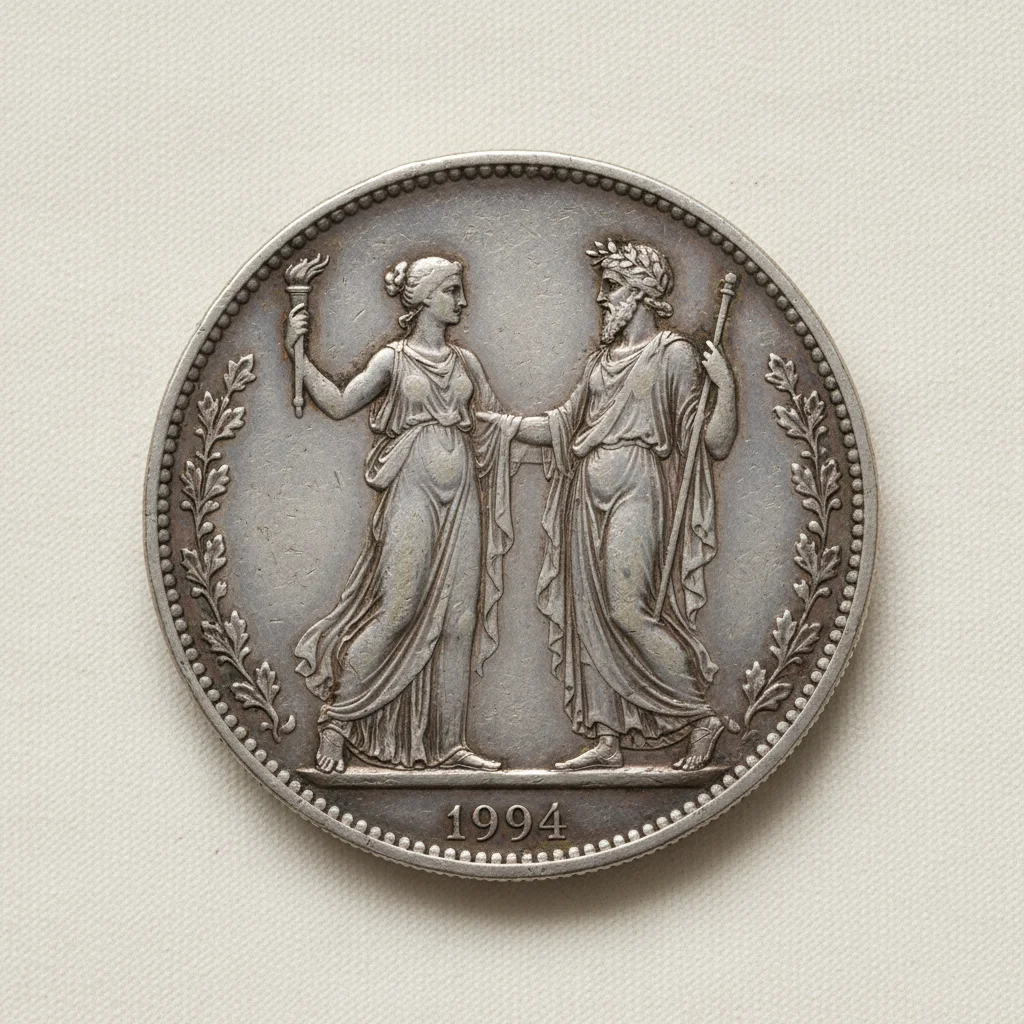
A white background (for example, a regular A4 sheet of paper)
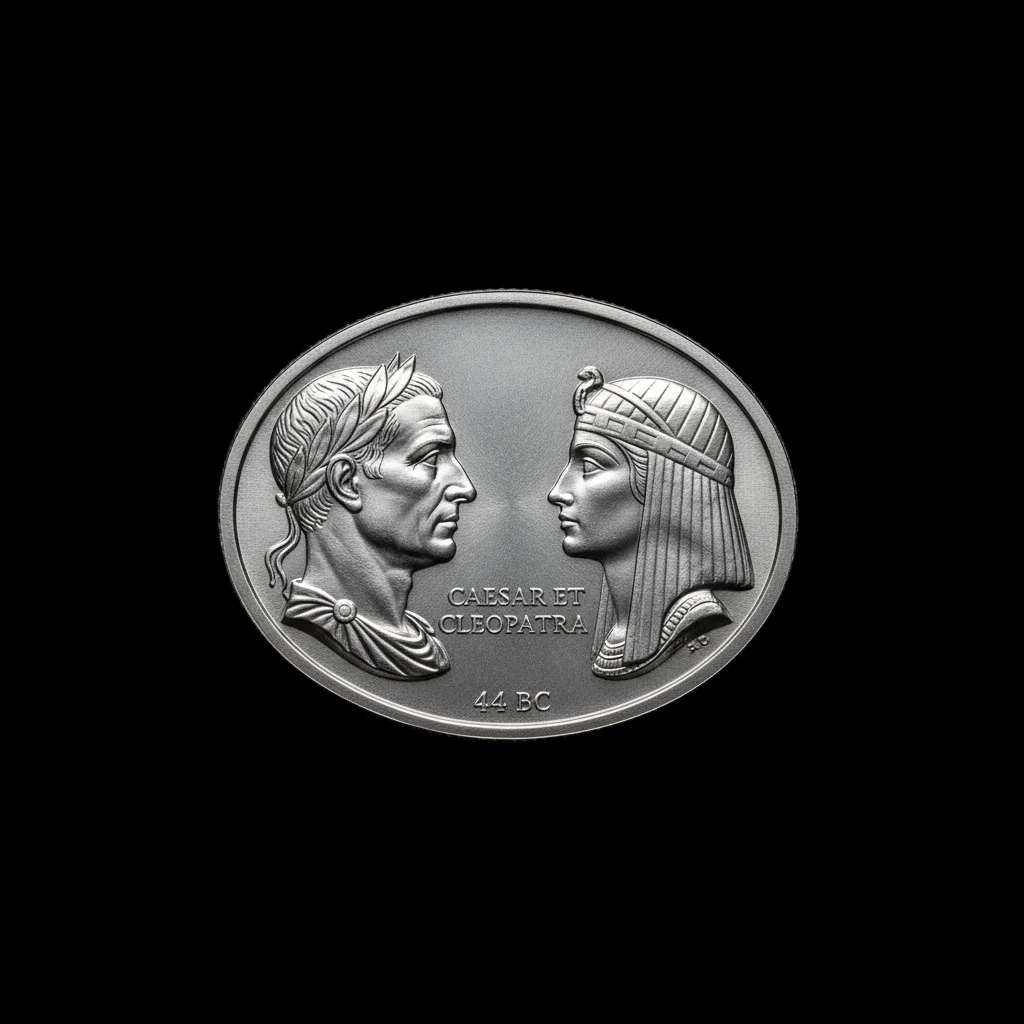
A black background
Sometimes, coins photographed on green or red felt look good. Using other, more colorful or textured backgrounds can make the photograph less solid and presentable, although some sellers believe that an unusual backing (like a banknote or a newspaper) makes their lot stand out from others.
Key Elements: Light and Background
Shooting in Natural Light and Preparing for Sale
In the absence of special lighting equipment, you can use natural light. As a last resort, shooting on a windowsill on a bright, clear day will suffice. Sunlight, with the proper placement of the coin on a flat surface, should be enough to get a reasonably sharp image.
After the coins are photographed, the images need to be prepared. The pictures are carefully cropped on all sides to remove anything unnecessary and are moved to a separate folder on the computer. It is best to make the photographs square. After these simple manipulations, the material is practically ready to be listed for sale.