Soviet Jewelry: An Investment in Nostalgia or Just Scrap Metal? - AUCBURG | AUCBURG
Soviet Jewelry: An Investment in Nostalgia or Just Scrap Metal?
The question of the value of Soviet jewelry evokes diametrically opposed opinions. Some consider it tasteless, mass-produced work with no artistic or investment interest. In their view, such pieces are not worthy of attention.
The question of the value of Soviet jewelry evokes diametrically opposed opinions. Some consider it tasteless, mass-produced work with no artistic or investment interest. In their view, such pieces are not worthy of attention.
Others, on the contrary, argue that Soviet jewelry has significant investment potential. They see these pieces not only as items to be worn but also as valuable artifacts of a bygone era that will only increase in price over time. To understand who is right, it is necessary to consider both points of view.
What is Soviet Jewelry? Period and Features
When discussing Soviet jewelry as a collectible, a specific time frame is implied. This mainly refers to items produced from 1959 to 1993, i.e., from the 60s to the 90s. Jewelry created before the 1960s already falls into the category of antiques and is a separate topic.
This thirty-year period was characterized by mass, large-scale production. Jewelry was accessible to almost every Soviet worker. With an average salary of 120-150 rubles and a gold price of about 30-50 rubles per gram, one could purchase a small ring weighing 2-3 grams. Thus, these pieces of jewelry became an integral part of Soviet daily life.
What is Soviet Jewelry? Period and Features
Red—The Color of the Era: The Symbolism of Stones
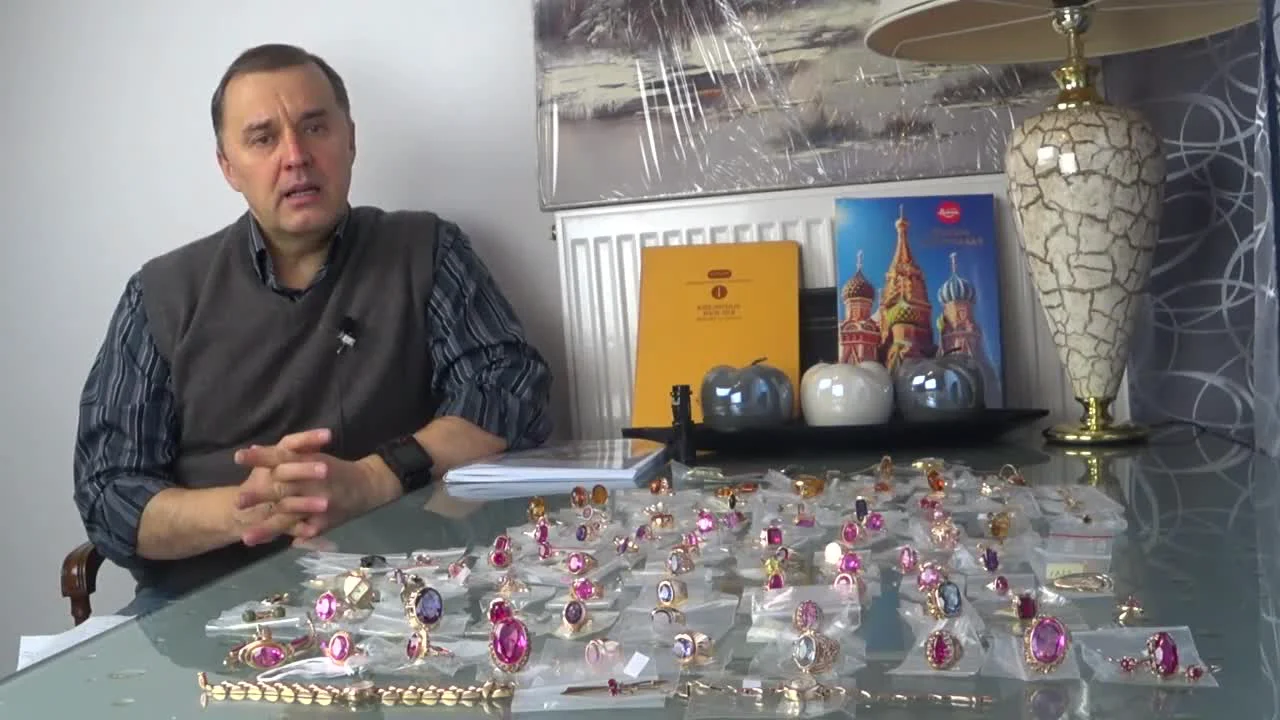
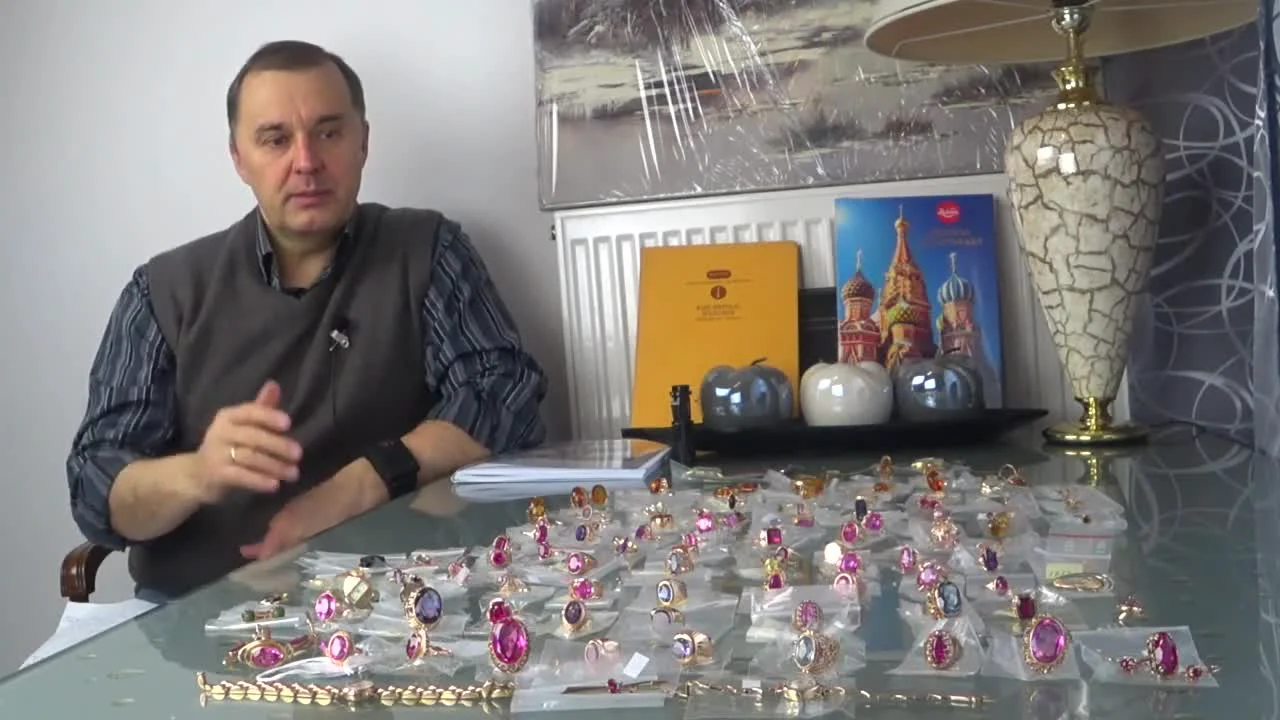
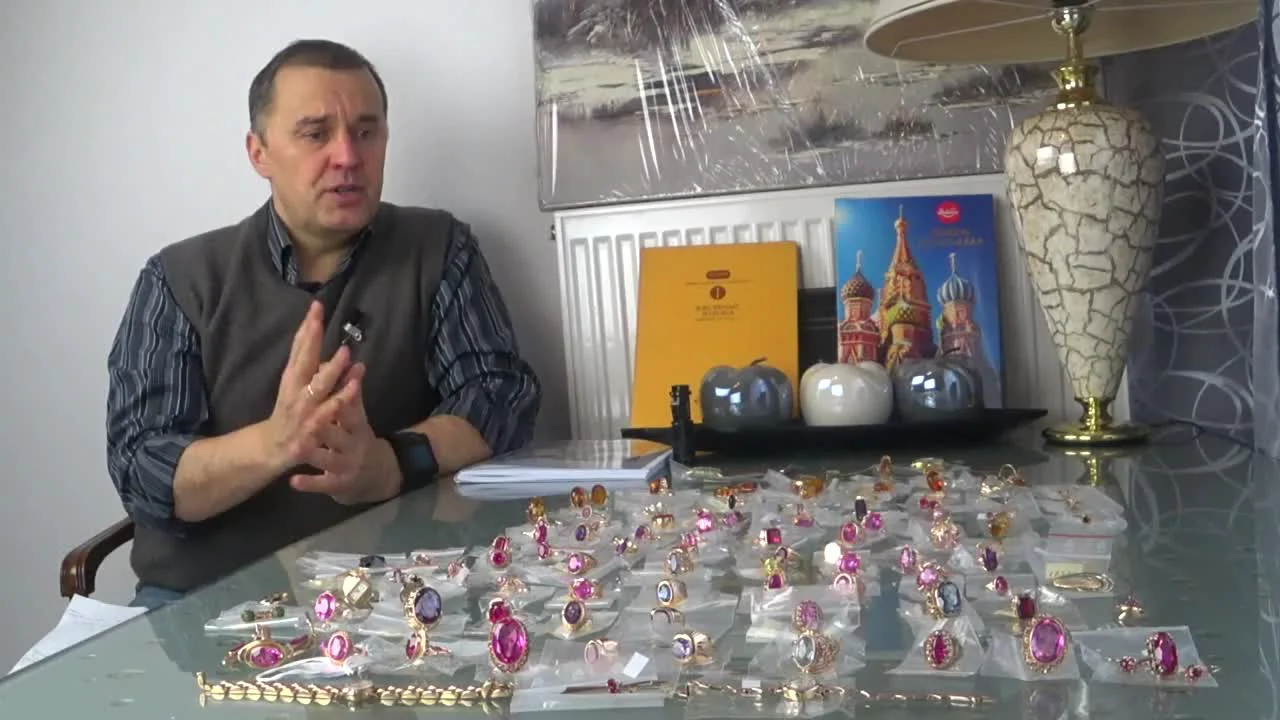
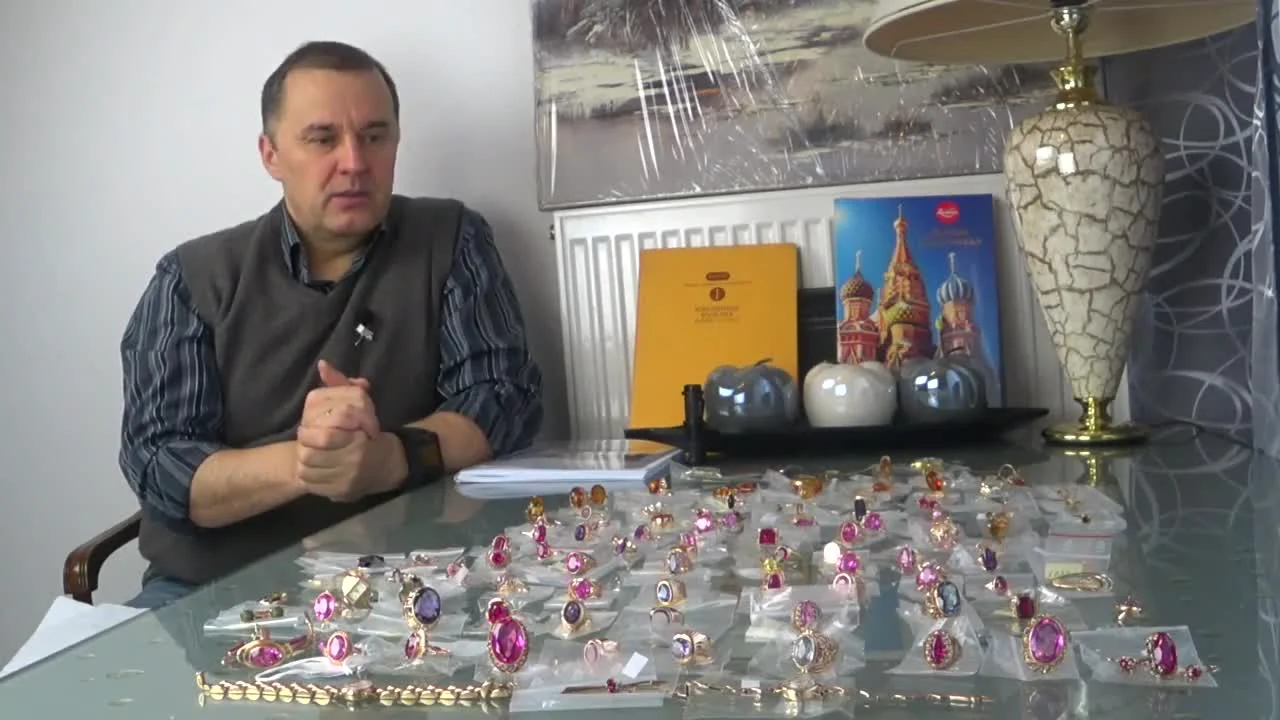
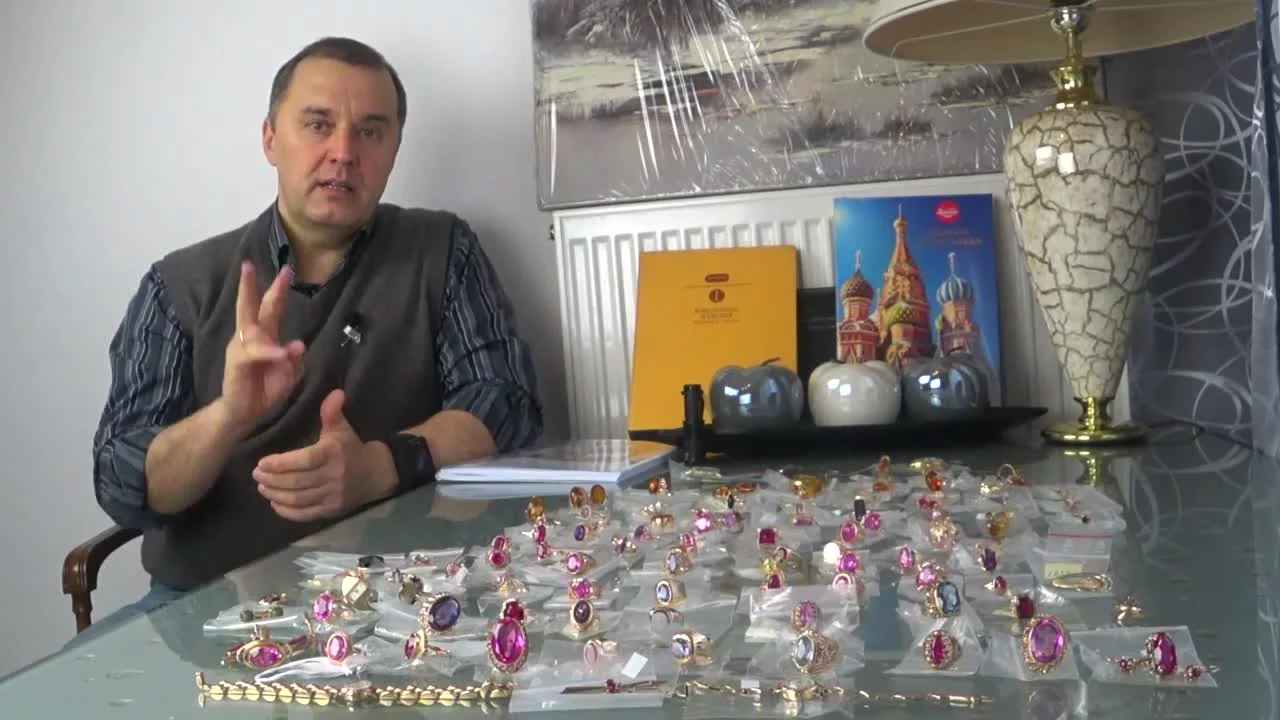
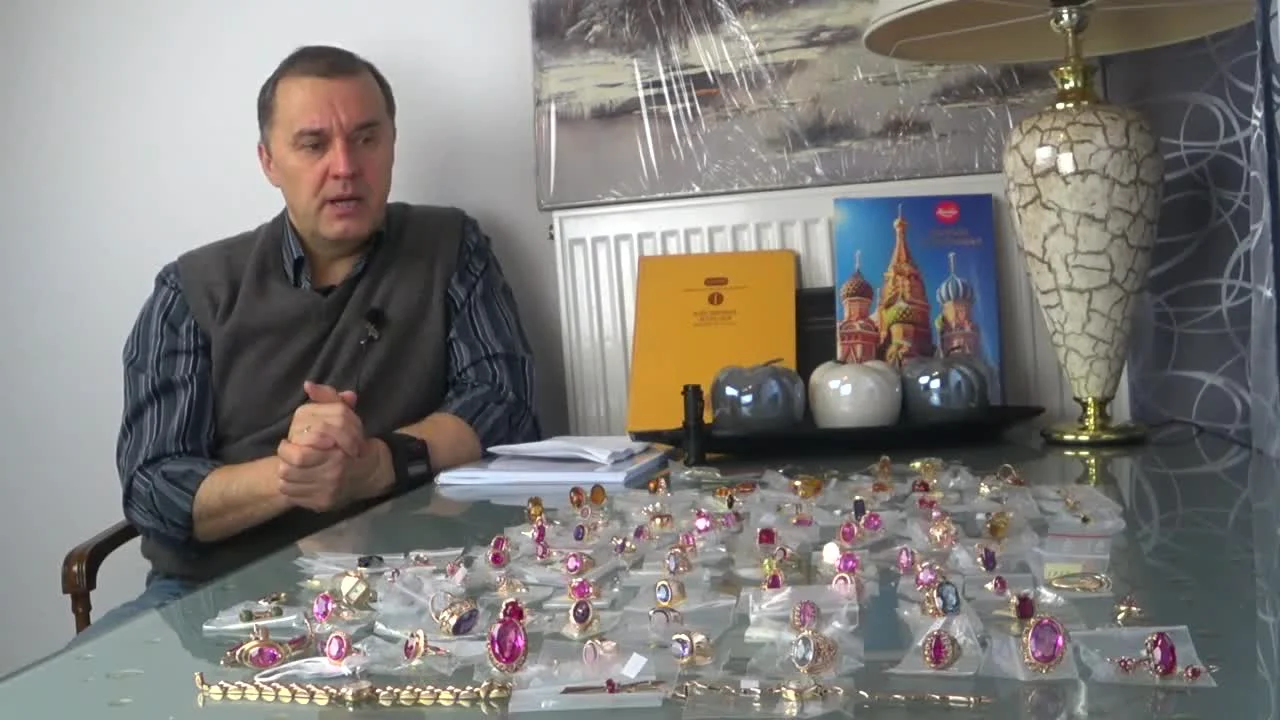
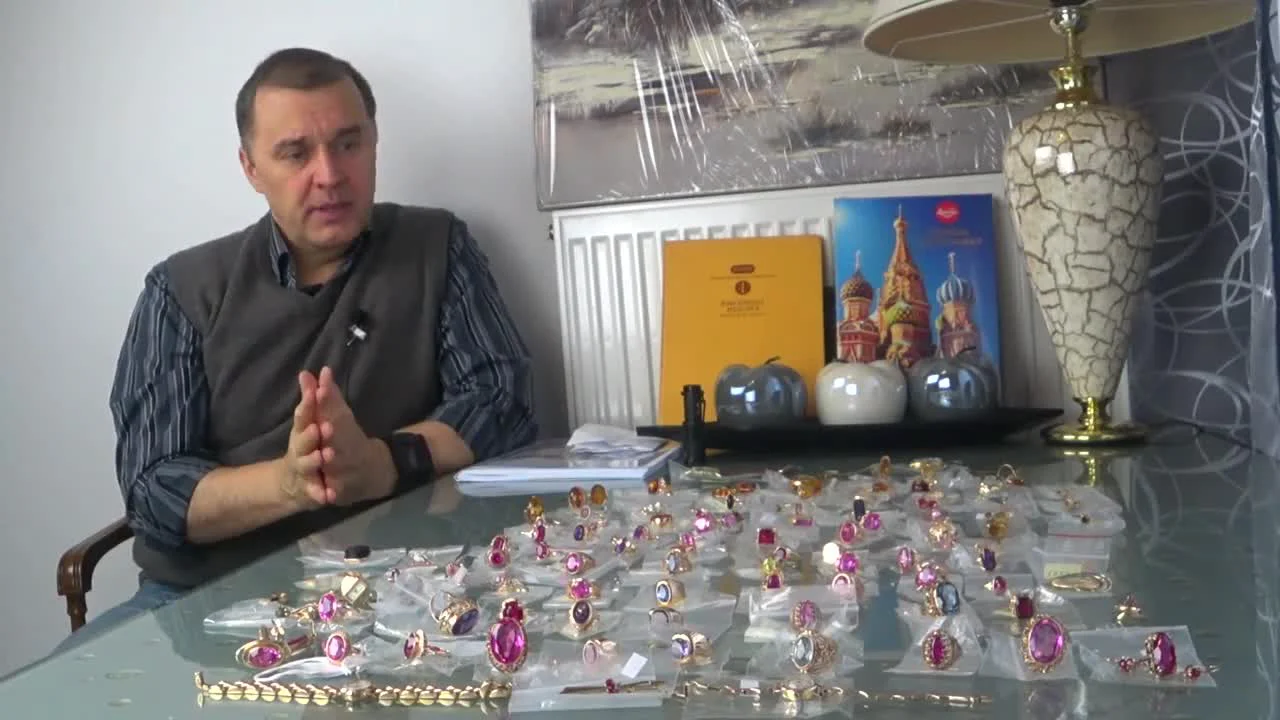
A distinctive feature of most Soviet jewelry is the use of large, predominantly red stones. At the time, they were widely called rubies, but in reality, they were synthetic corundum, grown artificially. These stones have virtually no intrinsic value.
The predominance of the color red was not accidental. It was likely an ideological decision, reflecting the symbolism of the Soviet era—the color of the red banner. Thus, an illusion of luxury accessible to everyone was created, and the design of the items was directly associated with Soviet power and its values.
Red—The Color of the Era: The Symbolism of Stones
The USSR Mark of Quality: How to Read Gold Hallmarks
Hallmark
Description
Maker's Mark (Imennik)
A code for the manufacturer and the year of production. For example, '6ЛЮ' means the item was produced by the Leningrad Jewelry Factory in 1966.
Assay Office Mark (GOST)
A trademark in the form of a five-pointed star with a sickle and hammer inside, the fineness (e.g., 583), and a letter indicating the regional inspection office.
A crucial element of Soviet jewelry is the hallmarking system, which guaranteed quality. Each piece was stamped with two main marks, allowing for its precise identification.
The first mark is the maker's mark (imennik) of the factory, and the second is the state assay office mark, confirming the gold's fineness.
The year of manufacture in the maker's mark was coded with a digit. For example, the digit '6' meant 1966, a dot before the digit '.6' meant 1976, and two dots meant 1986. The letter in the GOST hallmark indicated the city where the assay office was located (e.g., 'М' for Moscow, 'Л' for Leningrad).
The USSR Mark of Quality: How to Read Gold Hallmarks
Arguments 'For': Why Soviet Gold is a Good Investment
Proponents of the investment appeal of Soviet jewelry offer several compelling arguments. These factors could contribute to an increase in the value of such items in the long term.
Guaranteed quality. The GOST system and 583 fineness guarantee the exact gold content, which ensures a base value for the item at the price of the metal.
Historical value. Over time, these items cease to be just jewelry and become artifacts of a bygone era, which adds a collector's premium to them.
Limited quantity. Production was limited to a 30-year period. A significant portion of the pieces were destroyed or melted down in the 90s, creating a market shortage.
Nostalgic demand. The main buyers are people of the older generation, for whom this jewelry is a symbol of youth and unfulfilled desires. This emotional factor sustains steady demand.
Arguments 'For': Why Soviet Gold is a Good Investment
Arguments 'Against': Risks and Drawbacks
Despite the positive aspects, investing in Soviet jewelry has significant drawbacks that cannot be ignored. Skeptics point to several factors that limit the potential for these items to increase in value.
Mass production. Most pieces are mass-produced (stamped), lacking the uniqueness and high artistic value that distinguishes them from one-of-a-kind, artisan works.
Synthetic stones. The inserts made of synthetic corundum ('rubies') have no value. When purchasing an item, a significant portion of the weight, and therefore the price, is for 'glass'.
Niche market. The demand for Soviet jewelry is mainly limited to former compatriots. For European and other buyers, the design often seems outdated and is not of interest for wearing.
Arguments 'Against': Risks and Drawbacks
Who Buys Soviet Jewelry Today and Why?
Today, the main market for Soviet jewelry is formed by a specific audience. The primary buyers are former compatriots, especially women aged 60 and over, living, for example, in Germany. For them, this jewelry represents nostalgia and an opportunity to fulfill the dreams of their youth.
At the same time, the younger generation rarely shows interest in such items. The daughters and granddaughters of the original owners often consider the design to be old-fashioned. However, there is also a category of collectors who purposefully collect products from specific factories or particular models.
Soviet earrings are particularly popular. They are valued for the reliability and durability of their clasps, which favorably distinguishes them from many modern European counterparts, considered less durable.
Who Buys Soviet Jewelry Today and Why?
Investment Strategy: Is It Worth Buying?
So, should Soviet jewelry be considered an investment? There is no clear-cut answer; the situation is more of a '50/50'. However, a strategy exists that allows for minimizing risks and aiming for potential profit.
The main principle is to buy such items at scrap price or with a minimal markup. In this case, the investor loses nothing, as the asset's value will always be backed by the price of the gold it contains. This approach turns the purchase into a safe investment.
Potential appreciation in value will depend on intangible factors: cultural, historical, and collectible value. Over the years, the number of surviving pieces will decrease, which may lead to an increased premium for rarity and for belonging to the bygone Soviet era.