Real Prices of Gold Coins at European Buyers - AUCBURG | AUCBURG
Real Prices of Gold Coins at European Buyers
When assessing the value of gold coins at buyers in the European Union, particularly in Riga, it's important to understand that we are talking about so-called 'raw' or common-circulation coins. These are coins that are not in special protective capsules (slabs) and do not have high collectible value.
The Gold Coin Market at Buyers: What You Need to Know
When assessing the value of gold coins at buyers in the European Union, particularly in Riga, it's important to understand that we are talking about so-called 'raw' or common-circulation coins. These are coins that are not in special protective capsules (slabs) and do not have high collectible value.
Companies involved in buying purchase such coins and then resell them with a certain markup. The prices for these coins can vary greatly, and the data used for this analysis is as of early August 2025.
The Spread: A Key Difference in Valuing European and Russian Coins
The main indicator to pay attention to is the spread—the difference between the buying and selling price of a coin at a buyer. This indicator clearly shows how much the value of a coin is underestimated when it is bought from the public.
There is a significant difference in valuation approaches. For common European gold coins, the spread is usually around 5%. At the same time, for gold coins of the Russian Empire, this figure can reach 75%, which indicates a significant undervaluation of their purchase price at European buyers.
The Spread: A Key Difference in Valuing European and Russian Coins
Experience Selling a Slabbed Coin: How Buyers View Collectible Value
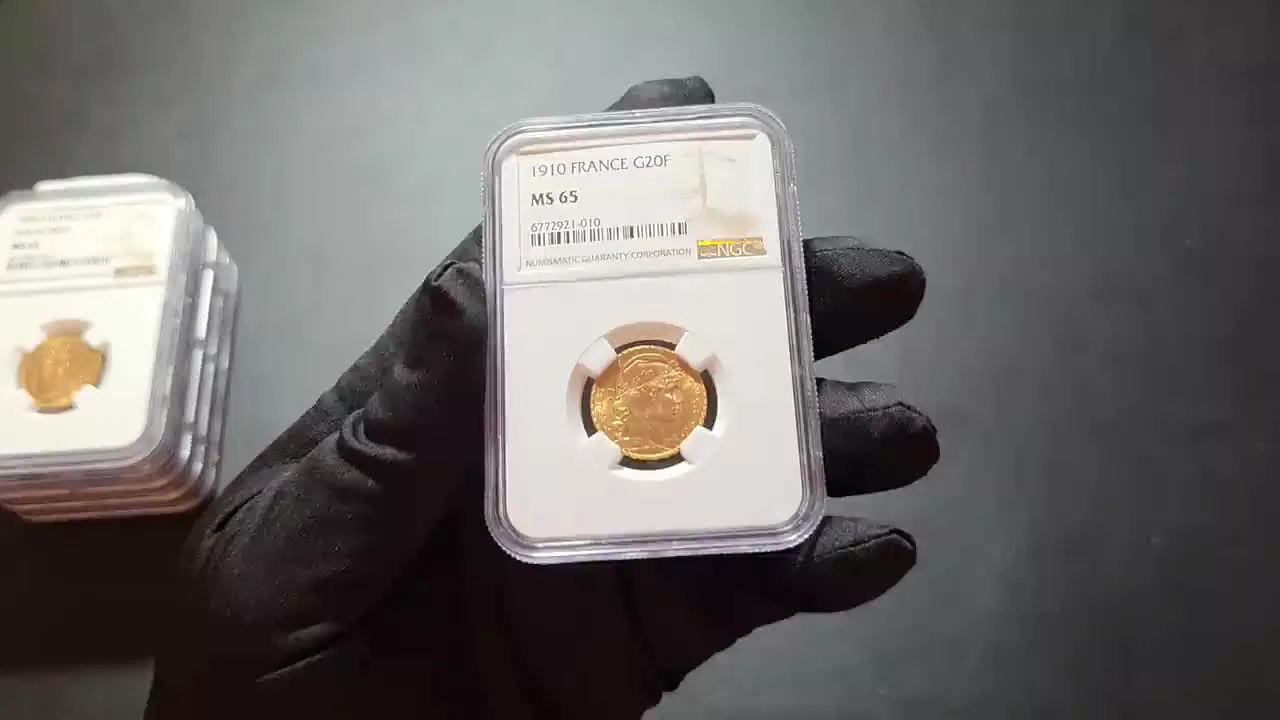
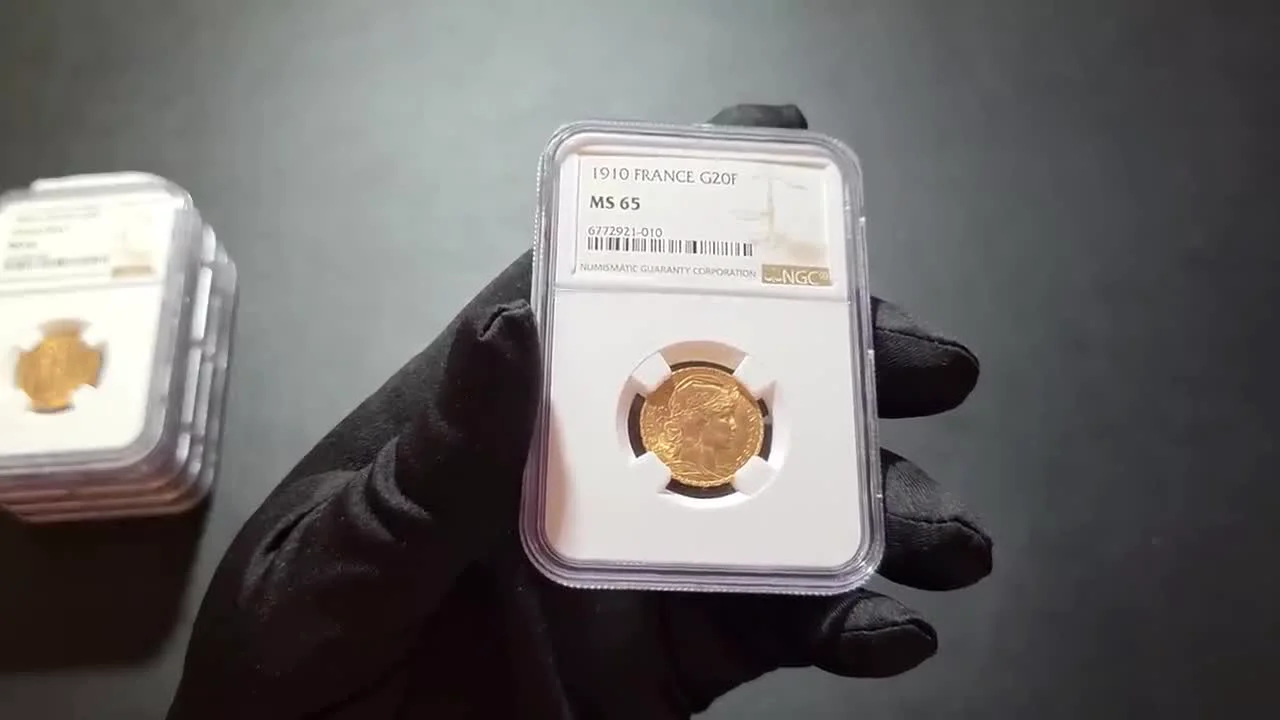
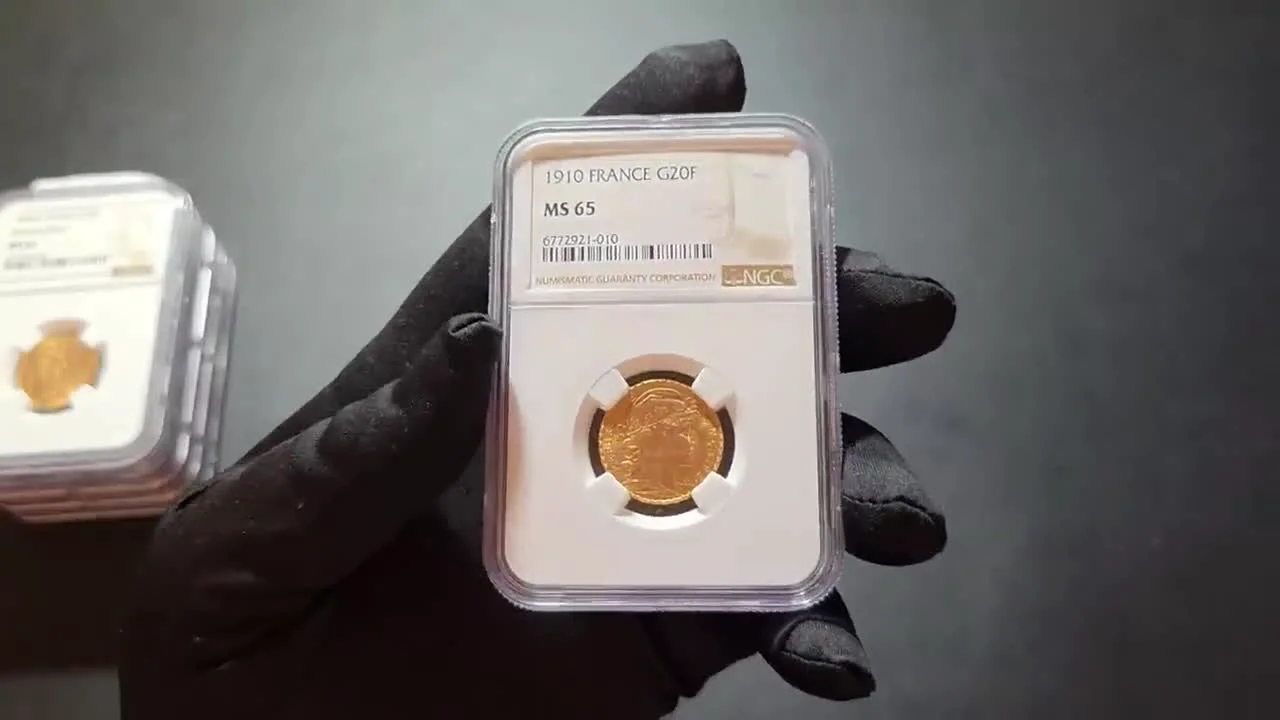
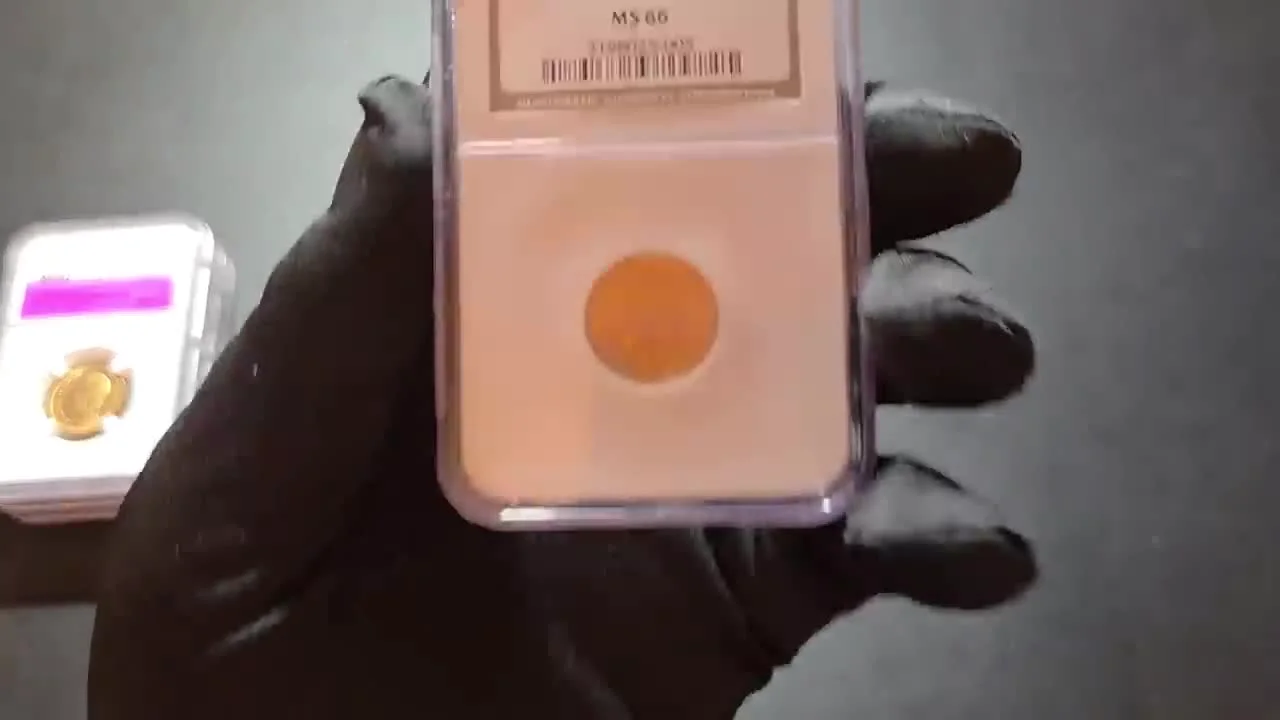
A telling case occurred when a 1902 5-ruble gold coin in high-grade condition (MS 65 or MS 66), certified and sealed in a slab by a reputable grading company, was brought to a Riga buyer for valuation.
The buyer's employees admitted they had never seen a coin in such a holder, as they usually receive common-circulation specimens without slabs. They stated they would only buy the coin at its gold scrap value. Furthermore, to do so, they would have to open and damage the slab, which is considered sacrilege from a numismatic perspective.
This example shows that for such organizations, the collectible value confirmed by grading is irrelevant. They see no difference between a rare slabbed coin and a common raw coin, valuing everything solely by the weight of the precious metal.
Experience Selling a Slabbed Coin: How Buyers View Collectible Value
Prices for European Gold Coins
Coin Type
Buying Price
Selling Price
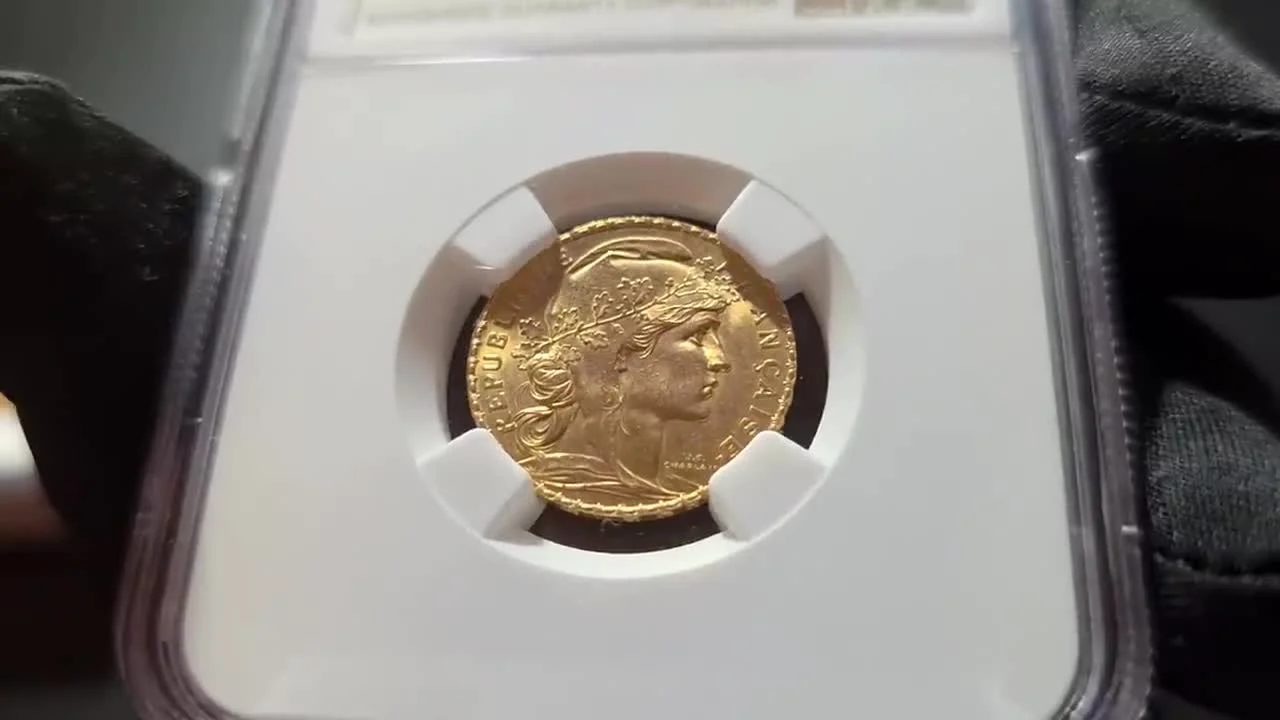
20 Francs 'Marianne and Rooster'
€550
€583
20 Francs 'Angel-Genius'
€552
€583
To understand the pricing of European coins, we can look at two popular examples of French 20-franc coins. The prices shown are for common-circulation specimens without slabs.
The analysis shows that the spread for these coins is in the 5-6% range, which is a relatively small figure for this market.
Prices for European Gold Coins
Prices for Russian Empire Coins: 5 and 7.5 Rubles
The situation with gold coins of the Russian Empire is drastically different. Their purchase prices are significantly lower than market rates, and consequently, the spread is much higher.
For the 5-ruble coin of Nicholas II, the buying price is €381, while it is sold for €490. The spread in this case reaches 22%.
An even more striking difference is seen with the rare 7.5-ruble coin. It is bought for €681 and listed for sale at €1200. The spread is a staggering 76%, making selling such a coin to a buyer extremely unprofitable.
Prices for Russian Empire Coins: 5 and 7.5 Rubles
Prices for Russian Empire Coins: 10 and 15 Rubles
Denomination
Buying Price
Selling Price
Spread
10 Rubles
€762
€981
~22%
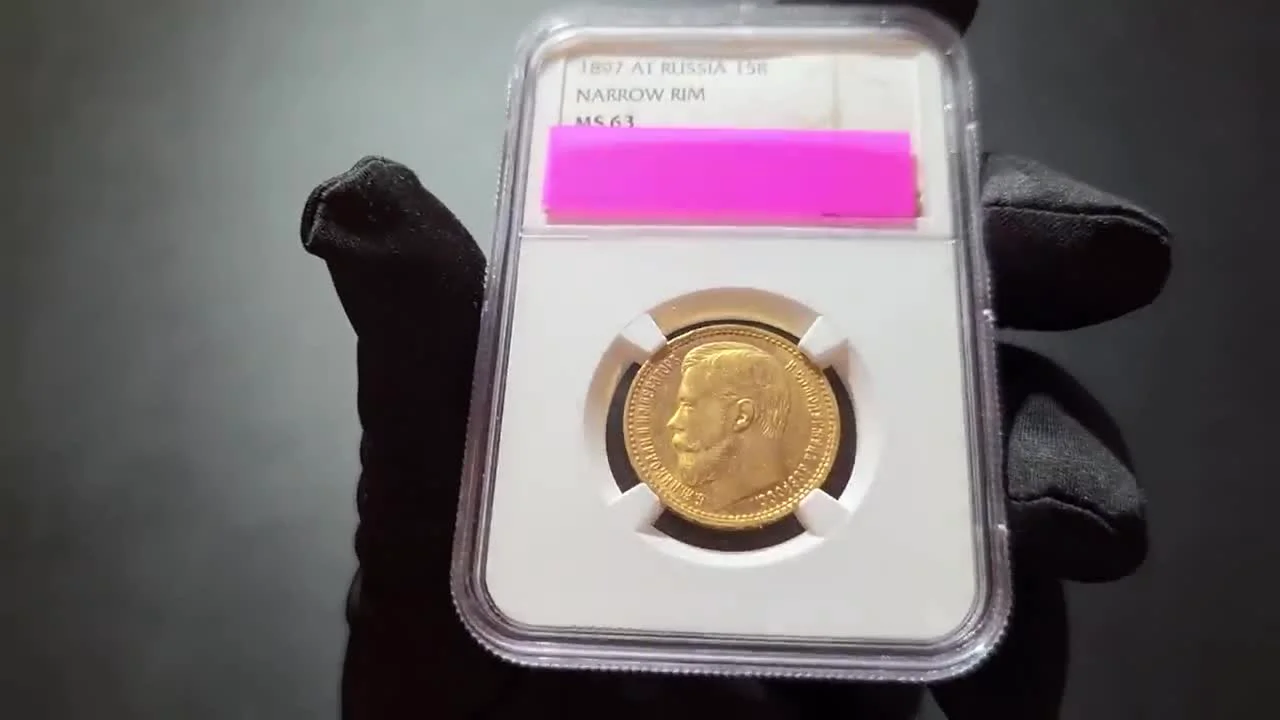
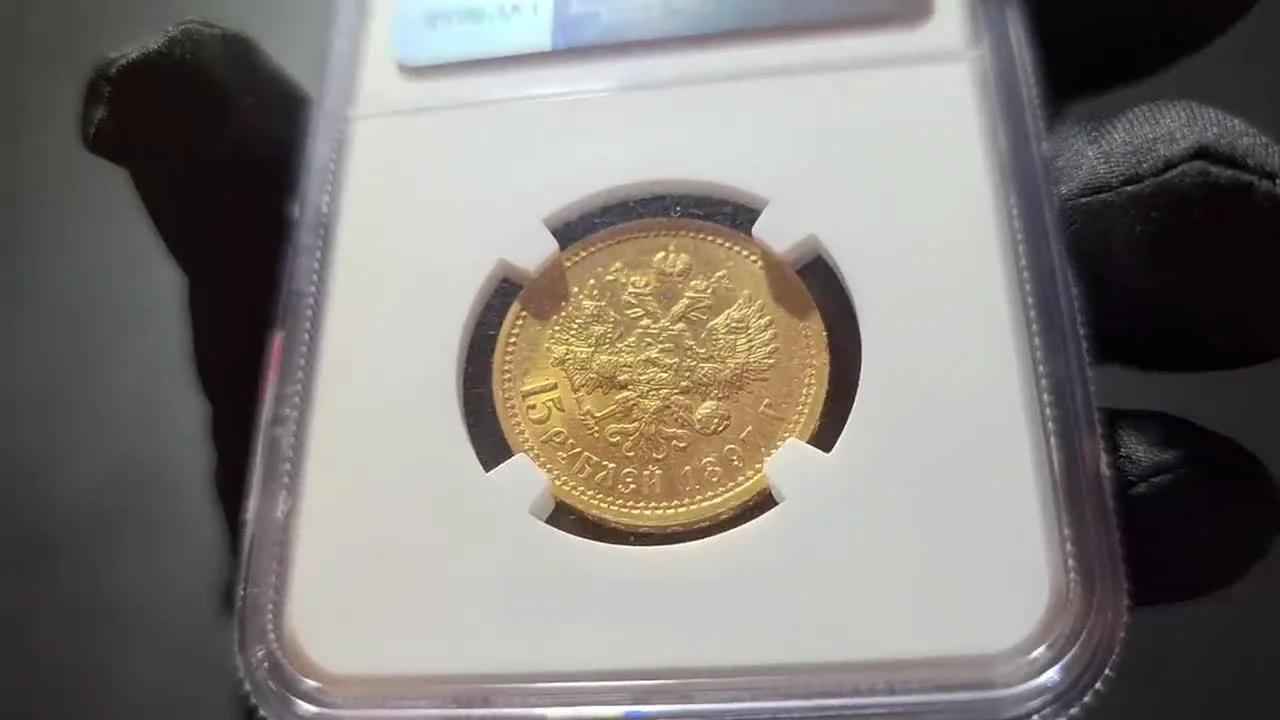
15 Rubles 1897
€1177
€1635
39%
Large denomination gold coins from the era of Nicholas II are also bought at a significant discount.
As the data shows, even for the largest and most sought-after coins, the spreads remain very high, reaching 39% for the 15-ruble coin. This confirms the general trend of a biased attitude towards Russian coins in the European buyers' market.
Prices for Russian Empire Coins: 10 and 15 Rubles
Reference Prices for Gold
Fineness
Karatage
Price per gram
585
14 karat
€51.61
750
18 karat
€66.16
900
-
~€80
999
24 karat
€90.47
For context, it is useful to know the base prices for gold per gram depending on the fineness. These figures allow one to assess how much the purchase price of a coin differs from the value of the pure metal it contains.
As of early August, the prices for gold per gram were as follows:
This data helps to understand that buyers often offer a price close to the scrap value, ignoring the historical and numismatic component of the coins, especially Russian ones.