Slabs for Investment Coins: What They Are and How Grading Works - AUCBURG | AUCBURG
Slabs for Investment Coins: What They Are and How Grading Works
For investors in gold and silver coins, it's important to understand what 'slabs' are and the grading process. Grading is the assessment of a coin's condition on a specific scale, which is one of the most important criteria determining its collectible value.
For investors in gold and silver coins, it's important to understand what 'slabs' are and the grading process. Grading is the assessment of a coin's condition on a specific scale, which is one of the most important criteria determining its collectible value.
Numismatic collectors place great importance on the condition of coins. The main goal of grading is to determine the collectible price, which is also formed by a number of other criteria, but condition is key. The grade is especially important for ancient coins, most of which have worn down significantly over long periods of circulation.
Coins in a high state of preservation are much rarer than worn ones and therefore cost significantly more. Even a small difference in the degree of preservation can greatly affect the final price of a specimen.
The Evolution of Coin Grading: From Simple Descriptions to the Sheldon Scale
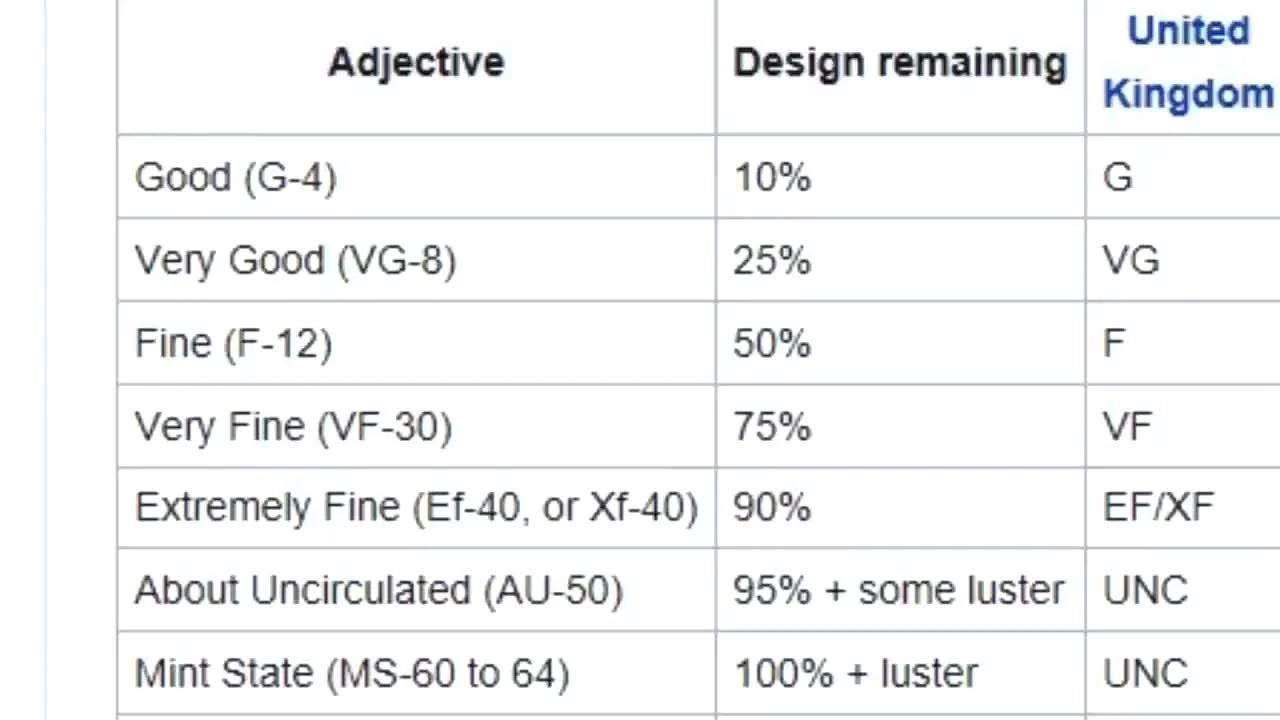
Condition Grade (Adjective)
Design remaining
Good (G-4)
10%
Very Good (VG-8)
25%
Fine (F-12)
50%
Very Fine (VF-30)
75%
Extremely Fine (Ef-40, or Xf-40)
90%
About Uncirculated (AU-50)
95% + some luster
Mint State (MS-60 to 64)
100% + luster
Although coin collecting has existed for centuries, the first serious attempts to scientifically assess their condition were made in the mid-19th century. Initially, numismatists distinguished only two or three grades of preservation.
In the first half of the 20th century, largely thanks to the American Numismatic Association, professionals began to identify six main grades of preservation. These grades became the basis for generally accepted international standards.
However, for modern investment coins, a more precise gradation on the Sheldon scale—from 1 to 70, developed in the mid-20th century—is used. This is the grading system we see on slabs. The abbreviation MS on a slab means Mint State, which signifies perfect condition.
The Evolution of Coin Grading: From Simple Descriptions to the Sheldon Scale
'Slab': What Is It and Who Makes It?
Company
Full Name
Year Founded
PCGS
Professional Coin Grading Service
1985
NGC
Numismatic Guaranty Corporation
1987
Modern investment coins have generally not been in circulation, so they receive grades from MS 67 to MS 70 during grading. Most coins supplied by mints in capsules receive a grade from MS 69 to MS 70. After grading, the coin is placed in a 'slab'—a special airtight plastic holder.
There are two leading grading companies on the global market that handle the assessment and slabbing of coins. They can be compared to Coca-Cola and Pepsi in the numismatics industry.
Both companies were founded in the USA. Their main goal is to determine the condition, authenticity, and exact name of a coin, followed by its placement in a protective slab. Besides grading, they also offer coin restoration services; for example, they can easily remove rust spots from gold coins.
'Slab': What Is It and Who Makes It?
How Verification and Counterfeit Protection Work
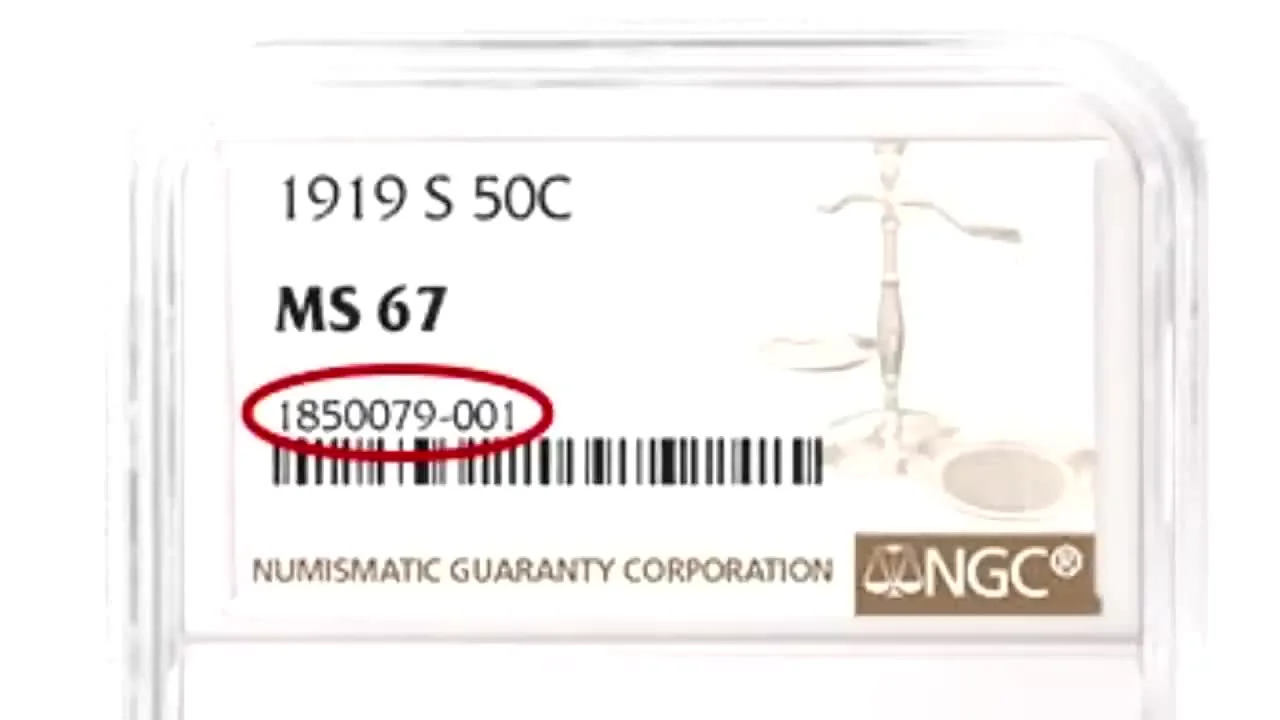
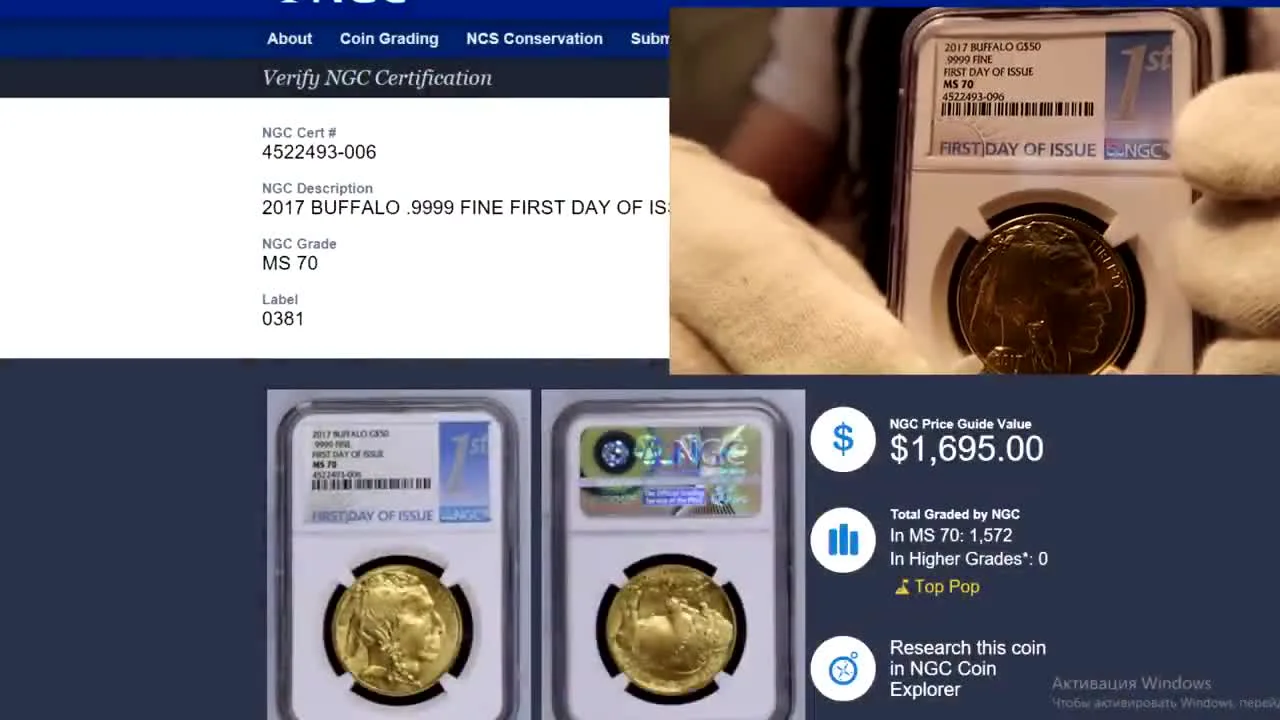
For additional protection and verification, grading companies offer a high-resolution photography service for the coin. This photo becomes available on the company's official website, where it can be found using the unique number indicated on the slab's label. This feature is especially important for combating counterfeits.
Having an electronic database with photos allows any owner of a slabbed coin to verify its authenticity. You can compare your coin with the official photo, paying attention to small details, for example, on the rim. This helps protect against counterfeit coins that might be placed in slabs that look similar to the original but are fake, often produced in China.
The slabs themselves are also constantly being improved. Over time, special edges for convenient stacking and holographic stickers for counterfeit protection have been added. The holders are hermetically sealed, making an unnoticeable replacement of the coin inside practically impossible.
How Verification and Counterfeit Protection Work
The Grading Process: From Shipment to Expert Evaluation
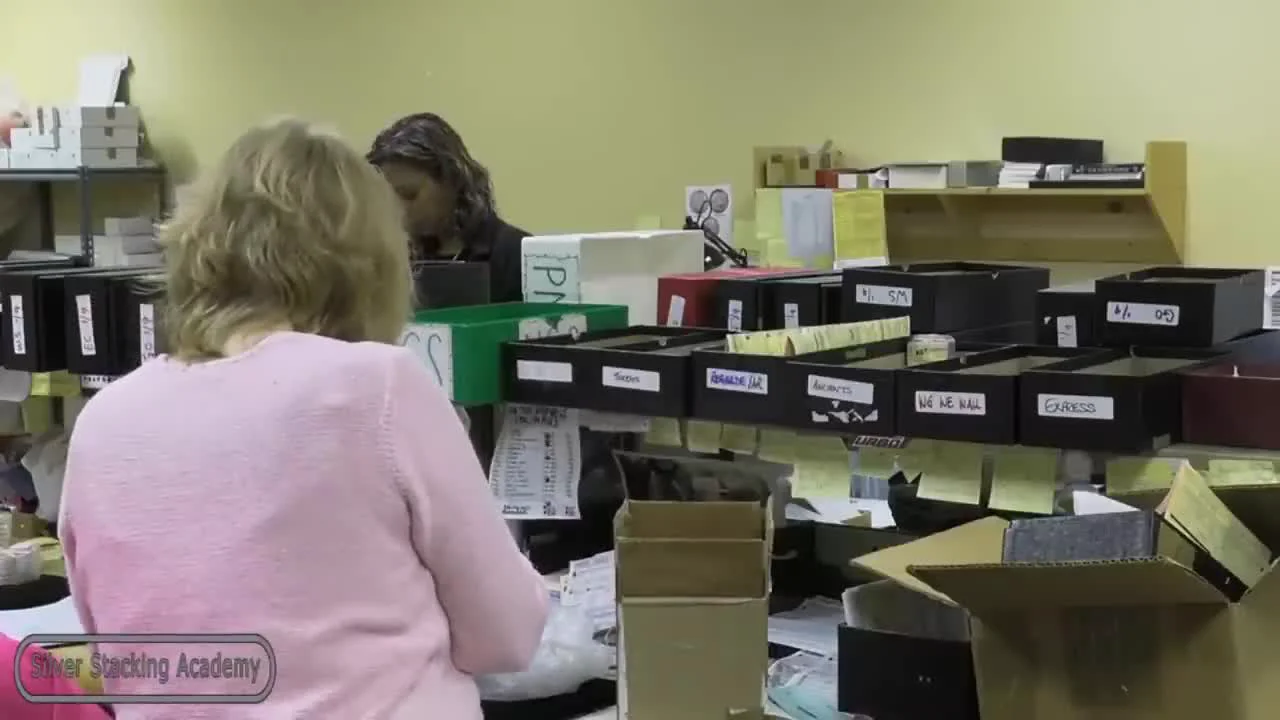
The grading process at NGC is strictly regulated. First, a package with coins arrives at the receiving department, where it is opened under video surveillance. Employees check the contents against the attached form, which lists the description of the coins.
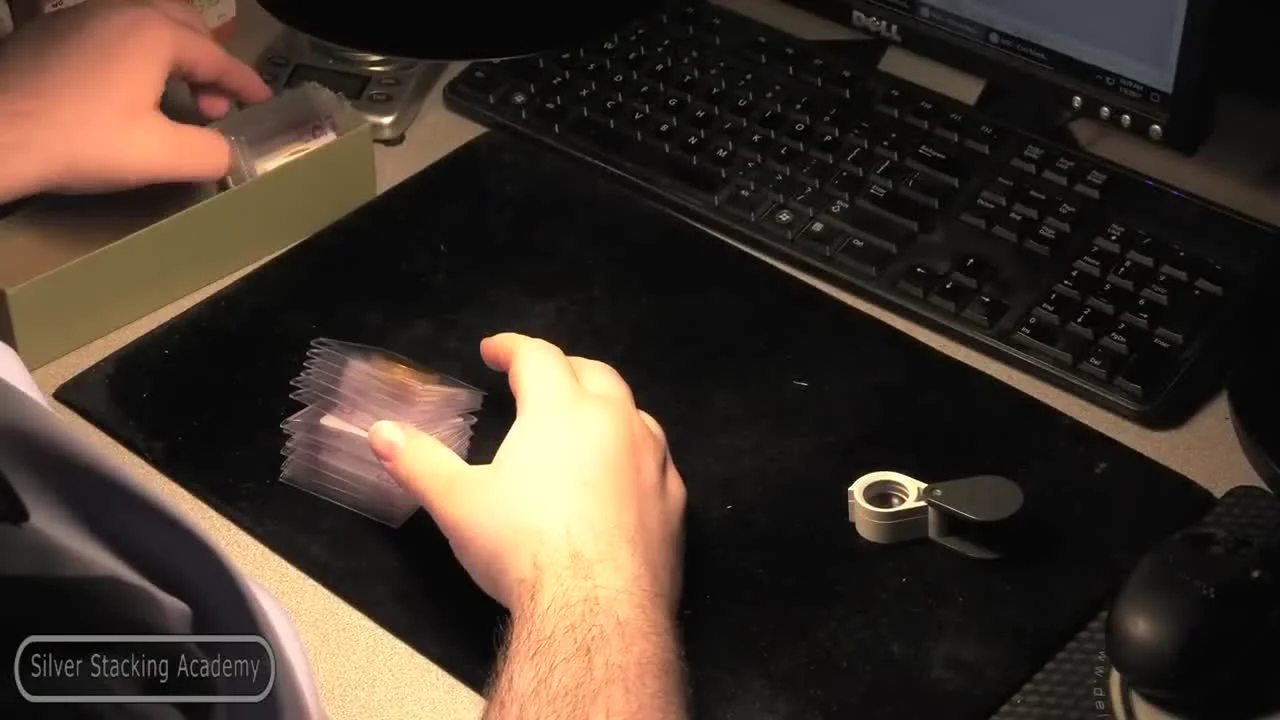
Then, the coins are placed in plastic flips, onto which anonymized numbers are affixed. This is done so that the experts do not know whose coins they are evaluating, which eliminates the possibility of collusion. After this, the coins are sent to the department of expert graders.
Each coin is evaluated by at least two experts, after which the final decision is made by a supervisor. The experts verify the coin's authenticity and determine its grade. Interestingly, graders at NGC generally do not wear gloves. It is believed that gloves reduce tactile control and increase the risk of dropping a coin, and experienced specialists do not leave fingerprints on the coins.
The Grading Process: From Shipment to Expert Evaluation
How to Submit Coins for Grading?
Estimated Coin Value
Price for 1-5 coins
Price for 5-15 coins
Price for 15-100 coins
up to $300
59$
57$
55$
301$ - 3000$
79$
77$
75$
3001$ - 10000$
139$
137$
135$
> $10001
Individually
Individually
Individually
The process of submitting coins for grading differs for residents of different countries. In the USA and some other developed countries where NGC has offices (for example, in Germany, Hong Kong, the UK), coins can be sent by mail. However, the actual grading is only done at the offices in the USA and China.
For residents of Russia, there is an option to legally send coins for slabbing through an intermediary company, MS67.ru, which forwards them to the NGC office in Germany. The cost of the service depends on the estimated value and number of coins.
For comparison, for a US resident who is not a regular NGC subscriber, grading one coin costs about $17. Thus, the cost can vary significantly depending on the location and method of submission.
How to Submit Coins for Grading?
The Evolution of Rules: How Grading Companies' Policies Have Changed
The policies of grading companies have undergone significant changes over time, adapting to market demands. This is clearly visible in an NGC advertisement from 1991. At that time, the company was proud of its policies and principles, many of which are no longer relevant today.
Previously, the team had only three full-time experts. Today, there are more than thirty.
Previously, the company did not accept coins from dealers for bulk grading. Now, this is a common practice.
In 1991, NGC did not grade coins minted after 1964. Today, the company readily evaluates all modern investment coins and even rounds.
These changes show how demand creates supply. The policies of grading companies have evolved to meet the growing needs of the numismatic market and investors. Questions about whether to buy slabbed coins and what to look for will be discussed in the next part.
The Evolution of Rules: How Grading Companies' Policies Have Changed