Art as an Asset: Why Investing in Paintings Remains Relevant - AUCBURG
Art as an Asset: Why Investing in Paintings Remains Relevant
In the world of finance, dominated by stocks, bonds, and real estate, art holds a special place as an alternative asset class. Its key distinction lies in its tangible nature and low correlation with traditional markets. When stock exchanges experience a downturn, the value of artworks often follows its own trajectory, determined by unique factors such as rarity, provenance, and cultural significance. This makes painting an attractive tool for diversifying an investment portfolio.
In the world of finance, dominated by stocks, bonds, and real estate, art holds a special place as an alternative asset class. Its key distinction lies in its tangible nature and low correlation with traditional markets. When stock exchanges experience a downturn, the value of artworks often follows its own trajectory, determined by unique factors such as rarity, provenance, and cultural significance. This makes painting an attractive tool for diversifying an investment portfolio.
Investing in art is not just about buying a beautiful object. It is an investment in history, culture, and craftsmanship. Unlike stocks, which represent a share in a company, a painting is a unique, irreplaceable object. The value of such an asset is not subject to corporate scandals or interest rate changes to the same extent as financial instruments. It is this autonomy from macroeconomic shocks that allows art to be considered a reliable way to preserve and grow capital over the long term.
'Safe Haven' in Times of Economic Turbulence
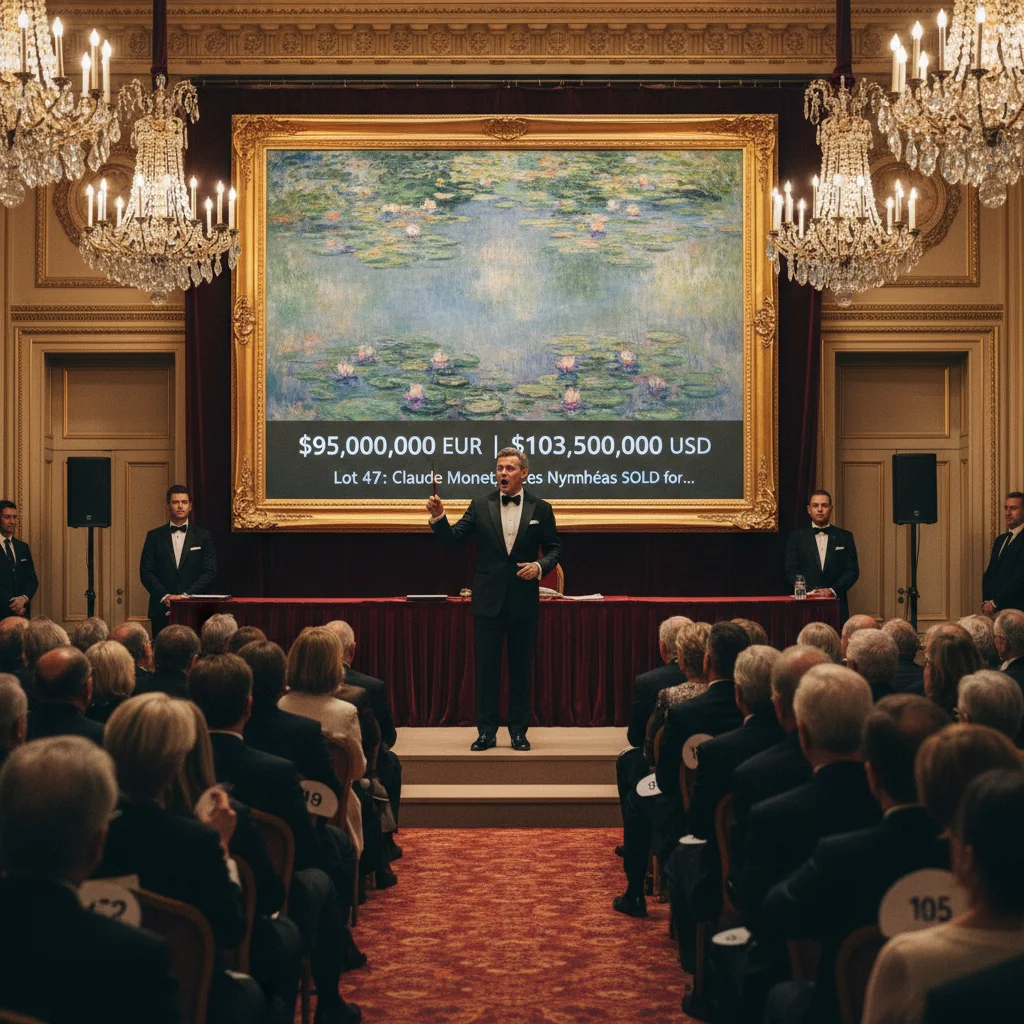
The concept of a 'safe haven' is usually associated with gold or the Swiss franc, but the art market has long earned this status. During times of economic uncertainty, recession, or high inflation, investors seek assets that can preserve their value. Masterpieces of painting by renowned artists demonstrate remarkable resilience. Their supply is strictly limited—a new Rembrandt or Monet will never appear—while demand from wealthy collectors, museums, and new investors remains stable or even grows.
History confirms this trend. For example, after the 2008 financial crisis, when many markets collapsed, the art market recovered relatively quickly and continued to grow. Demand for 'blue-chip' works—pieces by the most famous artists—only intensified. Capital fleeing volatile stock markets finds refuge in tangible and culturally significant assets. Thus, painting acts as a portfolio stabilizer, reducing overall risks and protecting savings from systemic economic shocks.
'Safe Haven' in Times of Economic Turbulence
Hedge Against Inflation: How Painting Preserves Purchasing Power
Inflation is the gradual depreciation of money, which reduces its purchasing power. Tangible assets with a limited supply are one of the best ways to protect against this process. Art objects, especially paintings by Old Masters and Modernists, fit perfectly into this category. Since it is impossible to create new works by these artists, their value not only does not decrease over time but also tends to grow, often outpacing the rate of inflation.
When central banks print more money to stimulate the economy, the value of currency declines. Under these conditions, real assets like art become more attractive. The price of a painting, expressed in a depreciating currency, will rise simply to maintain its real value. Major collectors and investors understand this mechanism and use art as a long-term tool for preserving wealth across generations. Investing in a Picasso painting today is a way to ensure that in 50 years, those funds will have at least the same, if not greater, purchasing power.
Hedge Against Inflation: How Painting Preserves Purchasing Power
Art Market Segmentation: From Old Masters to Contemporaries
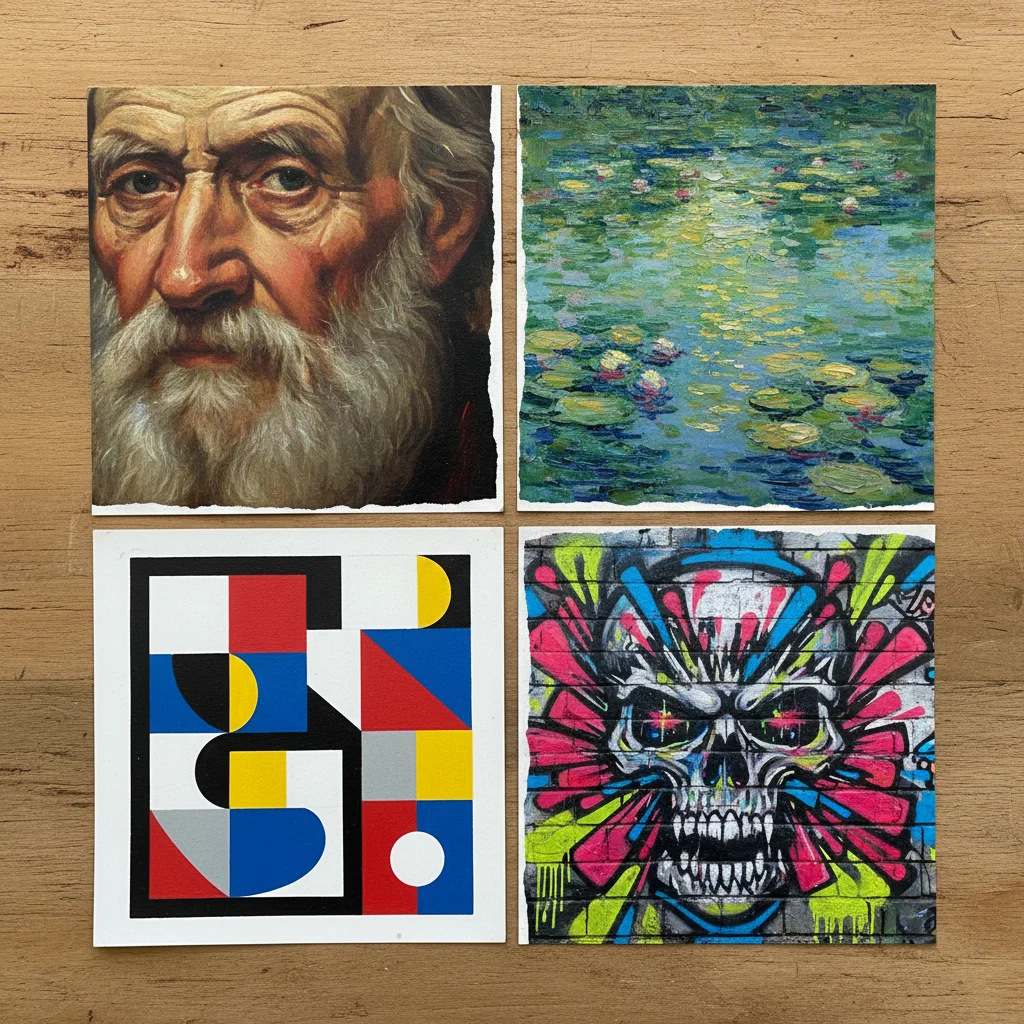
The art market is not homogeneous, and it is important for an investor to understand its key segments, each with its own risks and potential returns. It can be broadly divided into several major categories.
Old Masters (pre-1800s): This is the most stable and conservative segment. Works by Rembrandt, Rubens, or Dürer are time-tested assets. The market here is less susceptible to trends but requires deep expertise and significant capital. Price growth is slow but steady.
Impressionism and Modernism (late 19th to mid-20th century): This segment includes artists like Monet, Renoir, Picasso, and Matisse. These are the 'blue chips' of the art market. Their works have an impeccable reputation, an extensive sales history, and consistently growing demand from museums and private collectors worldwide.
Post-War & Contemporary Art: The most dynamic and speculative segment. It features works by Warhol, Basquiat, and living artists. Investments in this sector can yield the highest returns, but the risks are also the greatest. The value of works by young artists can either skyrocket or plummet to zero.
Art Market Segmentation: From Old Masters to Contemporaries
The 'Blue Chips' of the Art World: Artists with Stable Growth
In the investment world, 'blue chips' refer to the stocks of the largest and most reliable companies. In the art world, this term applies to artists whose names have become synonymous with stability and high liquidity. Such artists include Pablo Picasso, Claude Monet, Andy Warhol, Jean-Michel Basquiat, and Gerhard Richter. Their works form the backbone of most major auctions and have shown stable value growth over decades.
What makes an artist a 'blue chip'? It's a combination of several factors. First, widespread recognition and presence in the collections of leading world museums (the Louvre, MoMA, Tate). Second, an extensive catalog of works and a large body of academic research dedicated to their art. Third, an active and transparent auction sales history that allows for tracking price dynamics. Investing in such artists is considered the least risky because their cultural legacy is already indisputable, and the demand for their work is global.
The 'Blue Chips' of the Art World: Artists with Stable Growth
Growth Potential: Investing in Rising Stars
If 'blue chips' are about capital preservation, then investing in young and promising artists is about capital appreciation. This market segment involves higher risks, but the potential returns can be tens or even hundreds of times greater. Success here depends on the ability to recognize talent at an early stage and predict its future trajectory.
Key indicators of a young artist's potential include several factors. It's important to pay attention to their education, participation in prestigious exhibitions and biennials, and the gallery that represents them. Reputable galleries invest significant resources in promoting their artists, which directly impacts their fame and prices. Reviews from respected art critics and interest from established collectors and museum curators are also important. Buying a work from a rising star early in their career can become one of the most successful investments, turning a modest outlay into a significant asset in 5-10 years.
Growth Potential: Investing in Rising Stars
Key Factors Influencing a Work's Value
The price of a work of art is shaped by a multitude of factors, and understanding them is critically important for an investor. Authorship is of paramount importance—works by famous artists always cost more. However, within the oeuvre of a single master, prices can vary greatly.
One of the most crucial factors is provenance—the history of the painting's ownership. If a work has been in a famous collection, owned by a celebrity, or exhibited in a major museum, its value increases significantly. Ideal provenance is transparent and traceable back to the moment of creation.
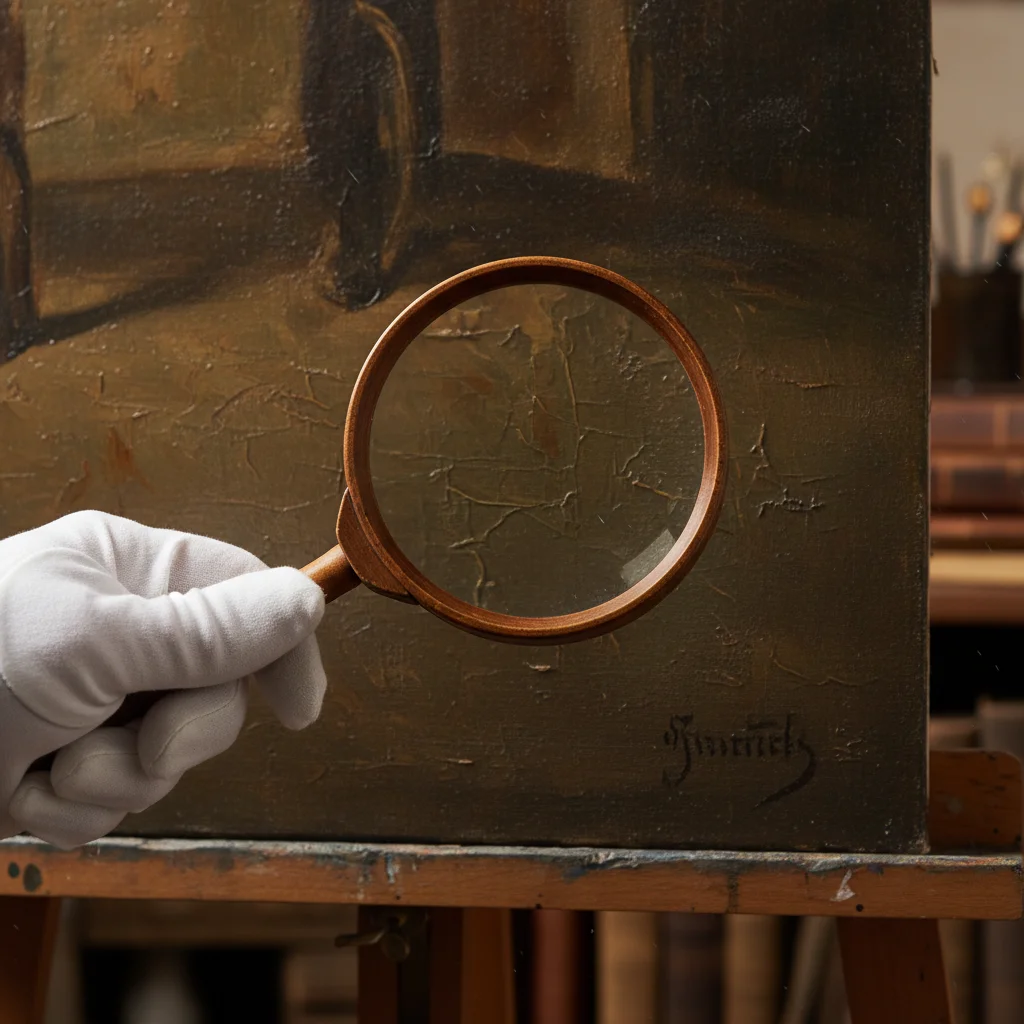
The condition of the work also plays a huge role. Any damage, restoration, or alteration can significantly reduce its value. Next, the creation period must be considered. Works from an artist's most significant and recognizable period are valued more highly. Rarity is another key aspect. A unique work will always be more expensive than a print edition. Finally, the price is influenced by the subject matter, size, and overall aesthetic appeal, although the last factor is the most subjective.
Risks and Pitfalls of Investing in Paintings
Despite all its appeal, investing in art comes with a number of specific risks that must be considered. The main one is low liquidity. Unlike stocks, selling a painting quickly and at market price can be difficult. The sales process through an auction or gallery takes months and involves high commissions, which can reach 25-30% of the value.
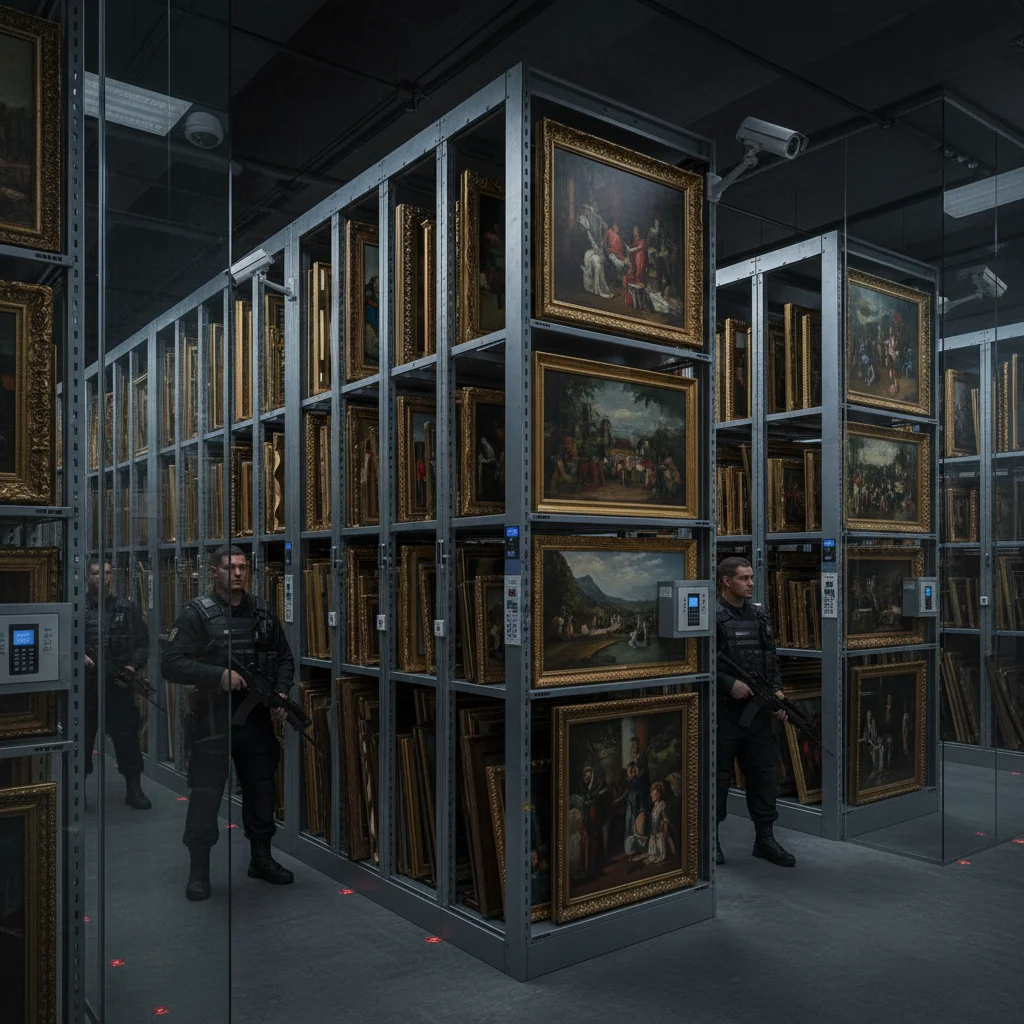
Another serious risk is forgery. The market is flooded with fakes, and without thorough expert analysis and confirmed provenance, it's easy to fall victim to fraud. Therefore, the costs of reputable expert services are a mandatory part of the investment process. There are also costs associated with maintaining the asset: insurance, storage in special conditions with temperature and humidity control, and periodic restoration. Finally, tastes and trends in the art market can change. An artist who is popular today may be forgotten in twenty years, leading to a drop in the value of their works. Diversification within the art portfolio itself helps mitigate this risk.
Risks and Pitfalls of Investing in Paintings
Practical Steps for the Novice Art Investor
Entering the art market may seem daunting, but a systematic approach can help avoid many mistakes. The first and most important step is education. Read books on art history, visit museums, galleries, and auction previews. Develop your 'eye' to learn how to distinguish high-quality works from mediocre ones.
It's best to start with small amounts. Instead of immediately buying expensive paintings, you can look at more accessible segments, such as print editions (lithographs, engravings) by famous artists or works by young but promising authors. This allows you to gain experience with lower risks.
Don't hesitate to seek help from professionals. Consultations with art advisors, gallerists, and auction specialists will help you navigate the market and make the right choice. It is also important to remember diversification: don't invest all your funds in one artist or one movement. Recently, new tools have emerged, such as platforms for fractional ownership of art, which allow investing in expensive masterpieces with small amounts, making it another good option for starting out.