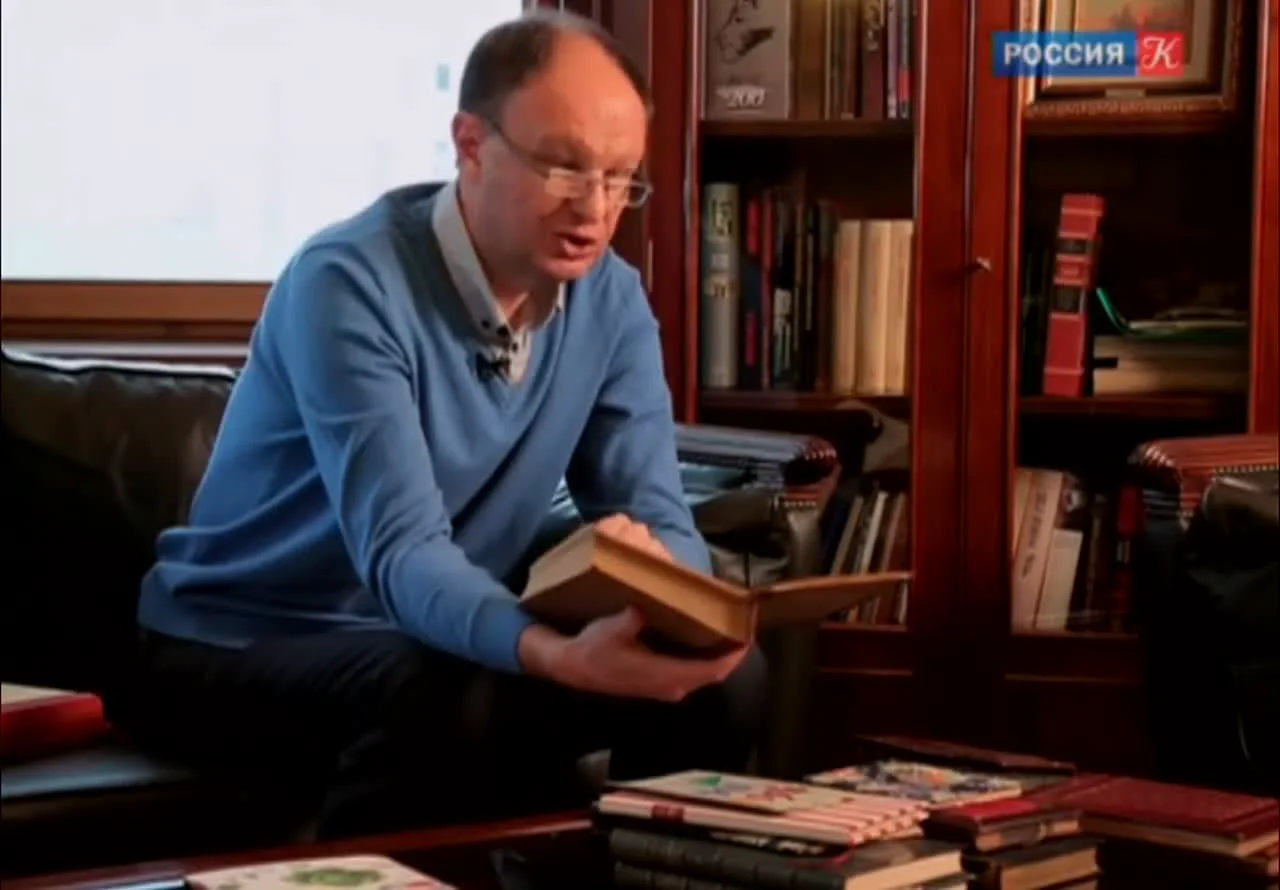
The Art of Bookbinding: From Board to Board
Unlike modern standard publications, where content is valued above all, in the 17th-19th centuries, a book's 'attire' could say a lot about its owner. A luxurious binding was not only a work of art but also an indicator of material wealth.

Bookbinding as a Reflection of the Owner's Status
Unlike modern standard publications, where content is valued above all, in the 17th-19th centuries, a book's 'attire' could say a lot about its owner. A luxurious binding was not only a work of art but also an indicator of material wealth.
Bindings were made from expensive materials such as leather and valuable wood species. They were adorned with inlays, intricate embossing, chasing, beadwork, satin, velvet, and even precious stones. Thus, a book became a profitable investment and an object reflecting the personal taste of its owner.
The Anatomy of an Antique Book
| Term | Description |
| Binding Covers | Modern 'covers,' originally made of wood. |
| Spine | The part of the binding that covers the stitched edges of the pages. |
| Edge | The three edges of the book block, excluding the spine. |
| Clasps | Metal elements that held the book closed for better preservation. |
| Chains | Used in ancient books to attach them to shelves. |
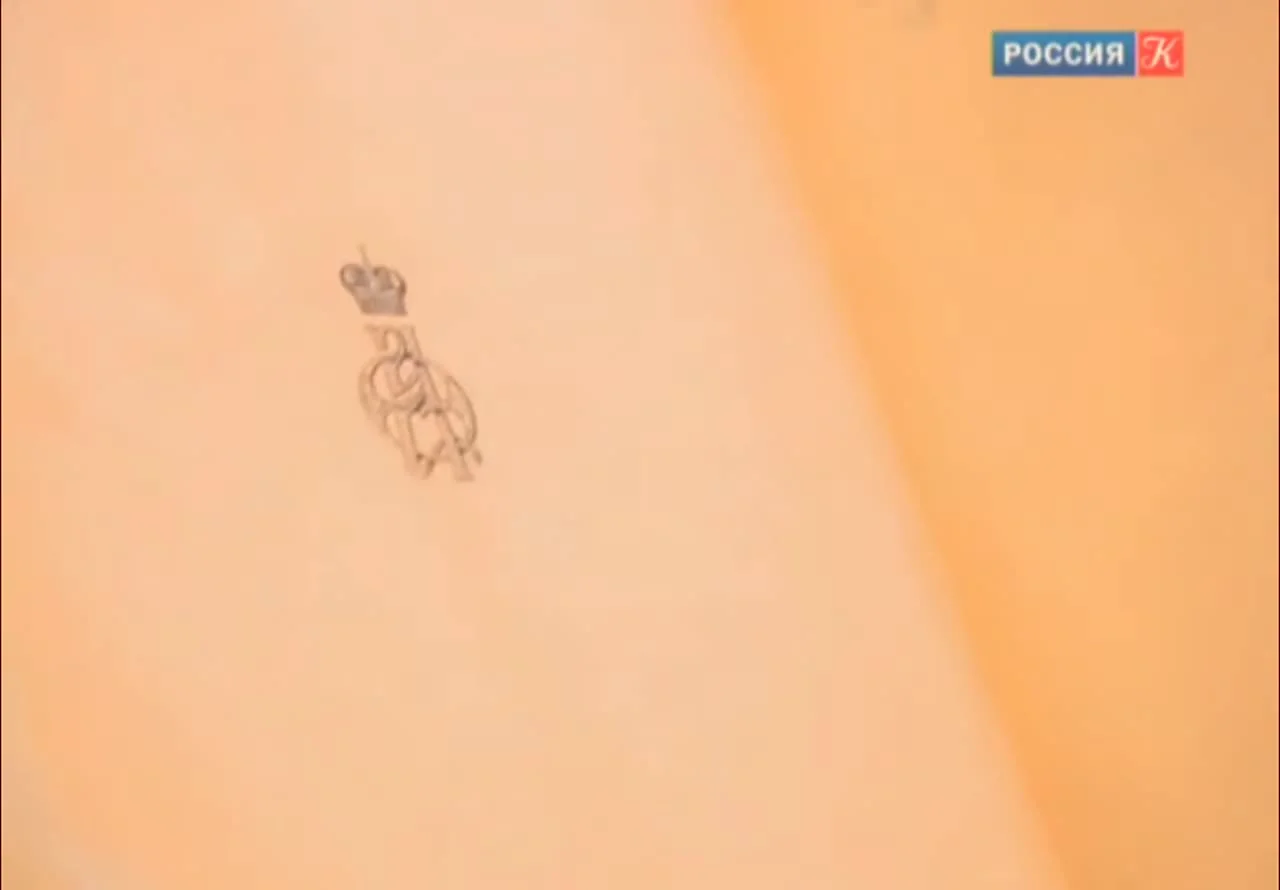
The external design of antique books was informative and could indicate ownership. For example, on a presentation copy addressed to Professor Zernov, the initials and dates (1869-1894) are placed directly on the cover. However, this is not the book itself, but a box imitating it. Inside, on a silk ribbon, the actual book block in its binding is lifted out.
The construction of a book includes several key elements, the names of which have changed over time or fallen out of use.
These elements not only protected the book but were also part of its artistic design, which has lost many of these details over time.
'From Board to Board': The History of Wooden Bindings
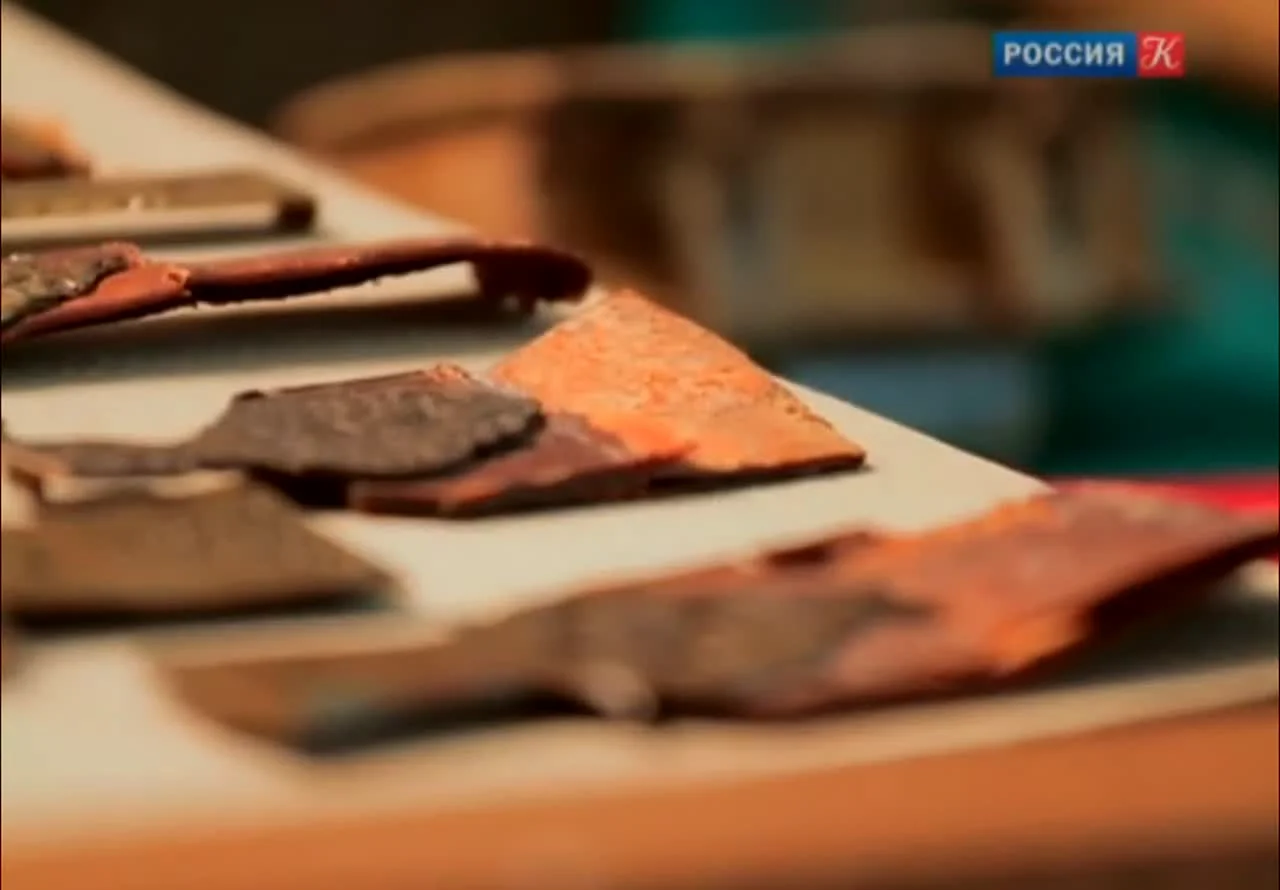
The expression 'to read from board to board' (from cover to cover) arose because the first binding covers were made of wood. Back in the Middle Ages, monk-scribes used wooden boards covered with calfskin to preserve manuscripts.
Such bindings were heavy and plain, but very durable. When tapped, they produced a characteristic wooden sound. The wooden boards tightly compressed the book block, which was especially important for its preservation.
To prevent the book block from warping due to moisture, special clasps were used. They held the pages tightly together, so moisture could only damage the edges, not penetrate deep into the block. This ensured the longevity of handwritten books.
Binding as a Luxury Item and Personal Taste
By the 18th century, the binding ceased to be a purely functional element and turned into an object reflecting the owner's aesthetic preferences. The book became a profitable investment, and its design a demonstration of personal taste.
- The binding is decorated with a rhombic pattern.
- In each rhombus, either an Orthodox cross or the letters 'ХВ' (Christ is Risen) are embossed.
- The endpapers are decorated with moiré (a special type of silk).
- There is a burn mark on the cover and its reverse, likely from a candle, which is common on liturgical books.
Another example is a book belonging to the German Elector Augustus of Saxony. The binding is made in the Renaissance style with gold tooling and an elegant Arabic ornament. The commissioner's coat of arms is visible on the engraved and painted edge. The book contains Petrarch's poems, and its luxurious binding befits the high status of both the author and the owner.
Publisher's and Custom Bindings of the 18th Century
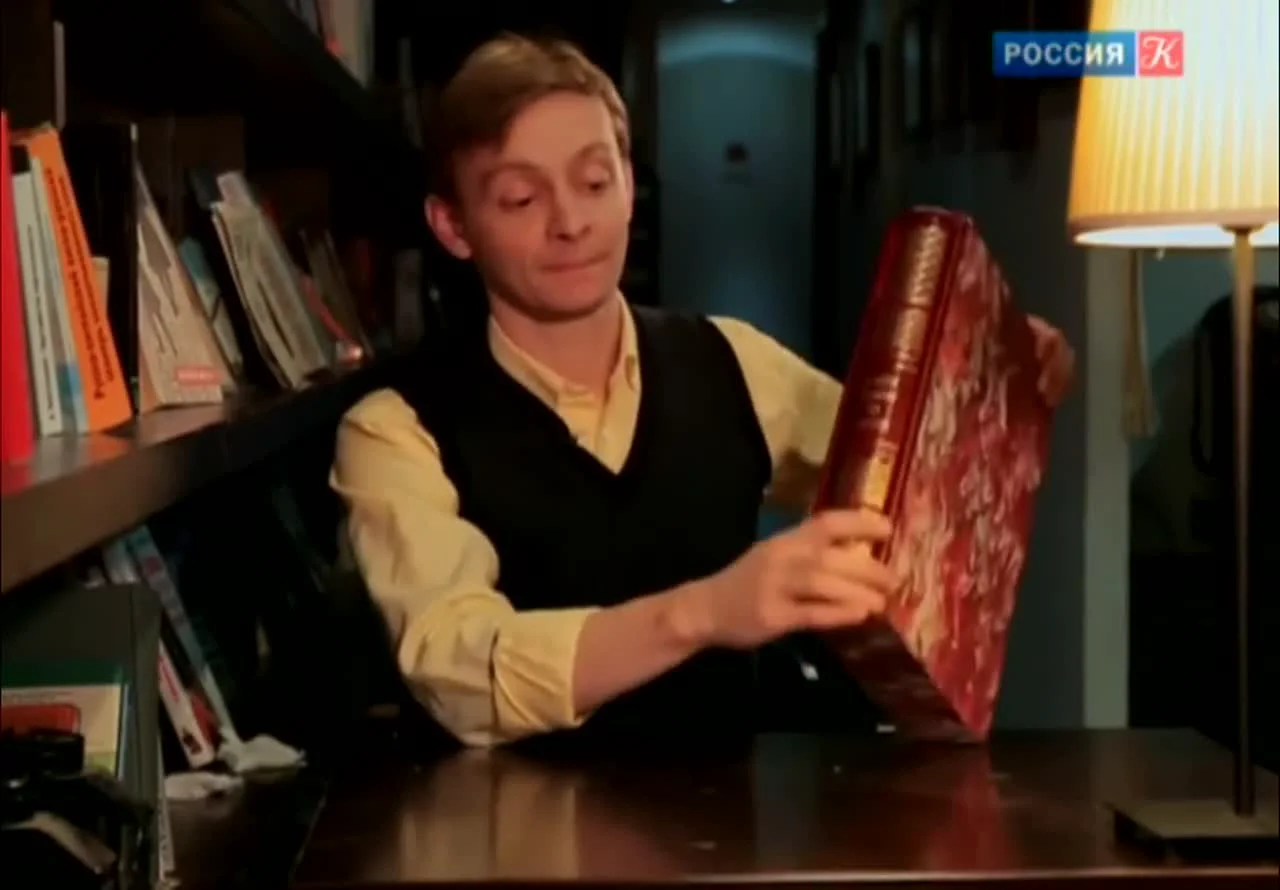
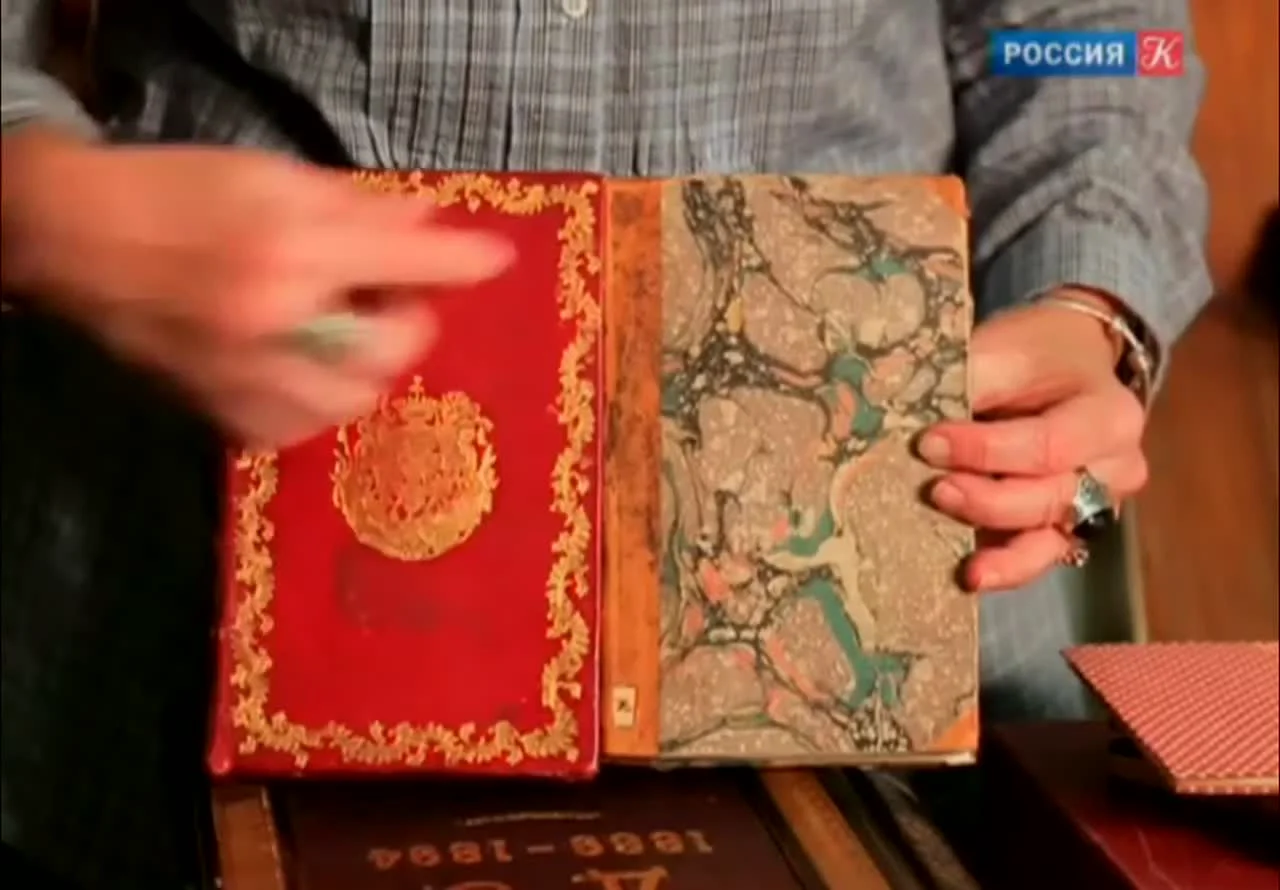
Using the example of two 18th-century editions, one can see the difference between a standard publisher's binding and a custom-made one. Both copies fulfill their protective function, but their design and materials differ radically.
One of the bindings is made of expensive leather—morocco. It has a gilt edge and is decorated with a superexlibris, indicating its high value and ownership by a noble person. Such a binding was made to demonstrate status.
The second binding is much more modest. Leather is used sparingly—only on the spine and corners, the parts most subject to wear. The rest of the covers are covered with plain paper. The edge is not gilt, and the endpapers are made of simple blue paper, whereas the expensive edition uses patterned 'marbled' paper. This is an example of a more democratic design option.
The Fate of Bookbinding in the Soviet Era
After the 1917 revolution, professional bookbinding in Russia virtually disappeared. The libraries of the gentry and landowners were looted, and workshops were closed. During this time, samizdat began to develop, and banned books were 'dressed' underground, often in bindings made of simple cardboard or fabric.
A prime example from this era are the books from the collection of bibliophile Anatoly Kuzmich Tarasenkov. He taught himself bookbinding and created fabric covers for his books from chintz, calico, or silk. He selected a different fabric for each poet. For example, Gumilev's collections were bound in pieces of French silk from a gypsy skirt given to him by Lilya Brik after the war.
Another example is the first collection of poems by Marietta Shaginyan with her autograph. Initially, the book had a worn-out spine. Remembering Tarasenkov's bindings, the owner took it to a workshop where a new cover was created for it from an old 1970s blouse made of red-and-white striped crêpe de Chine.

Hand Bookbinding Today: Sewing the Book Block
Until the end of the 18th century, books were often sold as semi-finished products—unsewn sheets or signatures. The owner would take them to a bookbinder who would take them apart, sew them, and create a custom cover. Surprisingly, even centuries later, the process of hand bookbinding has hardly changed, and books are still bound by hand from start to finish.
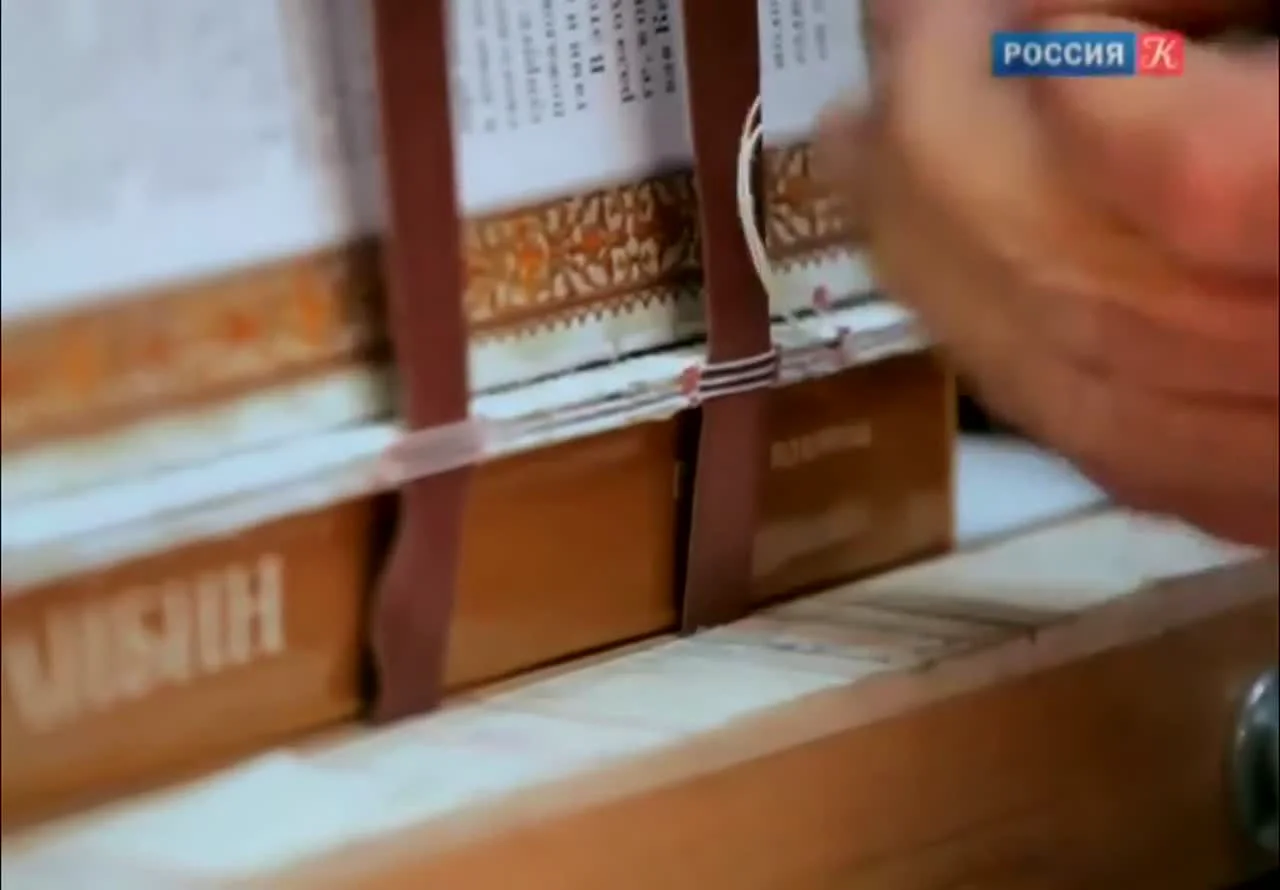
The process begins with sewing the signatures. It is monotonous work that requires precision and patience. Master bookbinder Vladimir Tkach notes that it is 'women's work,' as one must sequentially sew one signature after another, which can be tiring.
Before sewing, the thread is rubbed with wax to make it glide better. The signatures are sewn on a special frame, during which the master reads the book 'from end to beginning.' This work brings pleasure, especially when the book is interesting. For example, while working on the book 'Russian Hunting' with its beautiful illustrations, the master derives aesthetic enjoyment from the process itself.
Shaping the Spine and Artistically Treating the Edge
After sewing, the result is a 'loose,' flexible book block. To give it strength, a 'mushroom'—a rounded spine—is formed. The block is clamped in a vise, and with the help of a tube and a hammer, the signatures are carefully aligned, giving the spine a mushroom-like shape.
Then the spine is glued, hammered, glued again, and hammered again. As a result, it becomes monolithic, strong, and durable. This is precisely why hand bookbinding is so valued.
Next comes the treatment of the edges. The dustiest part of the job is sanding, where any unevenness is smoothed out using sandpaper on a tube. After this, the edge can be decorated. One method is 'gauffering,' where a special hammer is used to create a textured, uneven surface on the edge. Then the edge can be colored, sanded, and polished to make it smooth and shiny. This is a very labor-intensive process.
Creating the Binding Covers and Embossing
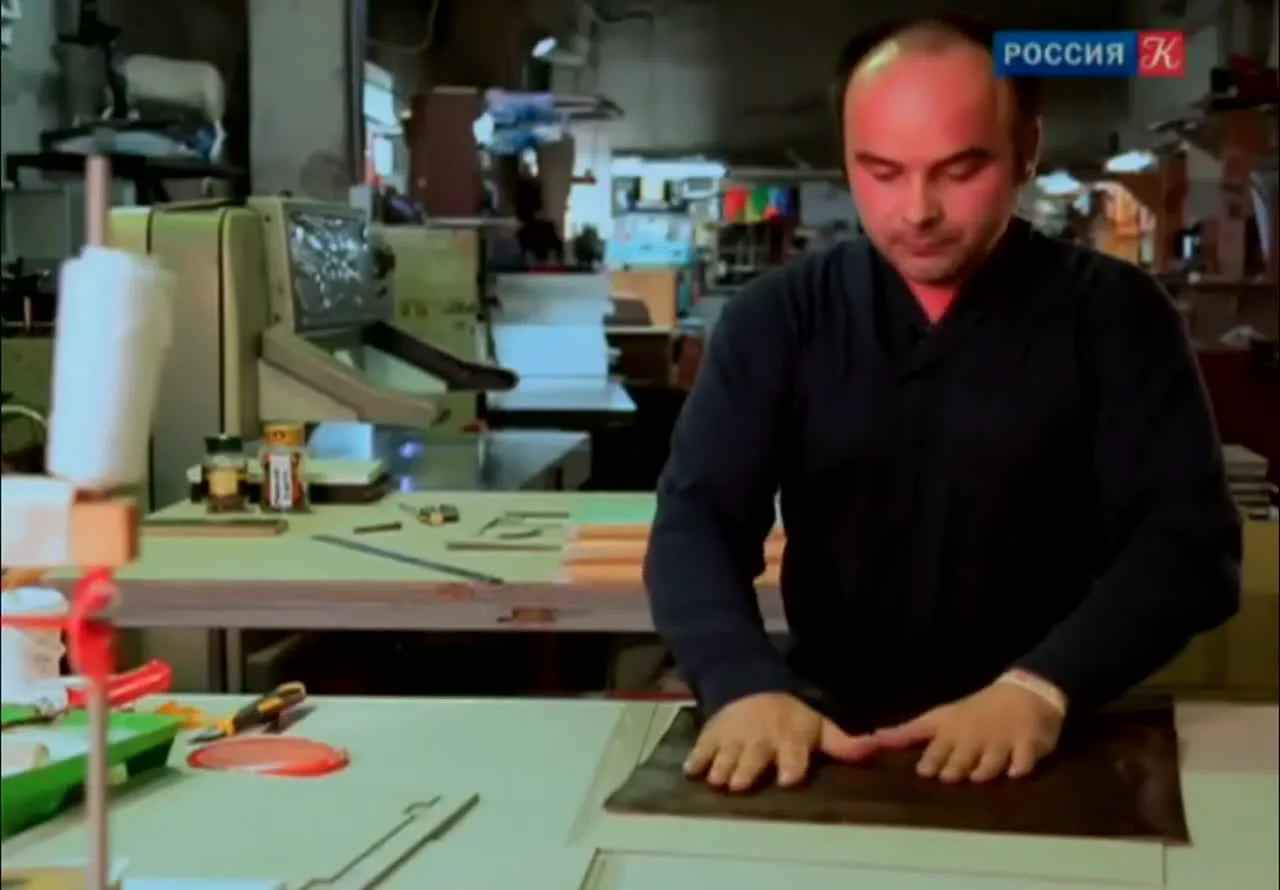
The base for the binding covers is a special dense cardboard on which the master can carve an ornament. The cardboard is then glued to the leather, and the piece is pressed to emboss the relief pattern onto the leather. This is how the face of the future book is created.
Embossing is one of the most crucial steps. Foil is used for this, placed on the cover with the shiny side up. Then, using a press and a heated die, the design or inscription is transferred to the leather. Any mistake at this stage will be visible, so maximum precision is required.
The final step is casing in—gluing the book block into the finished covers. Thus, a simple printed book, whose pages might fall out over time, is transformed into an 'eternal' book in a French binding, strong and durable.
Restoration: A Second Life for a Book
Restoration, like bookbinding, is meticulous work. Often, books arrive at workshops in a deplorable state: water-damaged, burnt, with torn pages and decayed bindings. The restorer's job is akin to that of a surgeon, where the best operation is the one that was avoided.
Restoration begins with dismantling the book. Masters try to preserve the old covers and binding elements whenever possible. Each leaf is restored separately. Damaged pages are washed in a special water bath to clean them of dirt.
To restore lost fragments, the 'wet pulp filling' method is used. On a light table, paper pulp is applied to the wet leaf, filling in tears and holes. Paper of a similar color and texture is selected. Then the leaf is carefully dried. This painstaking work can bring even severely damaged editions back to life.