How an Antique Shop Works: Value, Stories, and Risks - AUCBURG | AUCBURG
How an Antique Shop Works: Value, Stories, and Risks
Antique shops house items that have escaped the landfill and been given a second life. Here, you can find a gramophone from the turn of the 19th-20th centuries that still works, and its crackling record lets you feel the taste of time, unlike modern studio recordings.
The item is one-of-a-kind or was produced in a limited quantity.
Rarity
A small number of specimens have survived to this day.
Condition
Good physical condition of the item, with no serious damage or restorations.
Artistic Value
Aesthetic and cultural significance, craftsmanship.
Antique shops house items that have escaped the landfill and been given a second life. Here, you can find a gramophone from the turn of the 19th-20th centuries that still works, and its crackling record lets you feel the taste of time, unlike modern studio recordings.
According to Russian standards, an item is considered an antique if it was made more than 50 years ago. However, age is far from the main criterion of value. For example, a cast-iron pot or a bottle that is over a hundred years old may not be expensive, as thousands were produced and many have survived to this day.
The key factors are the uniqueness and rarity of the item. The value of an artifact is determined by several main criteria.
The Art of Appraisal: The Example of Antique Icons
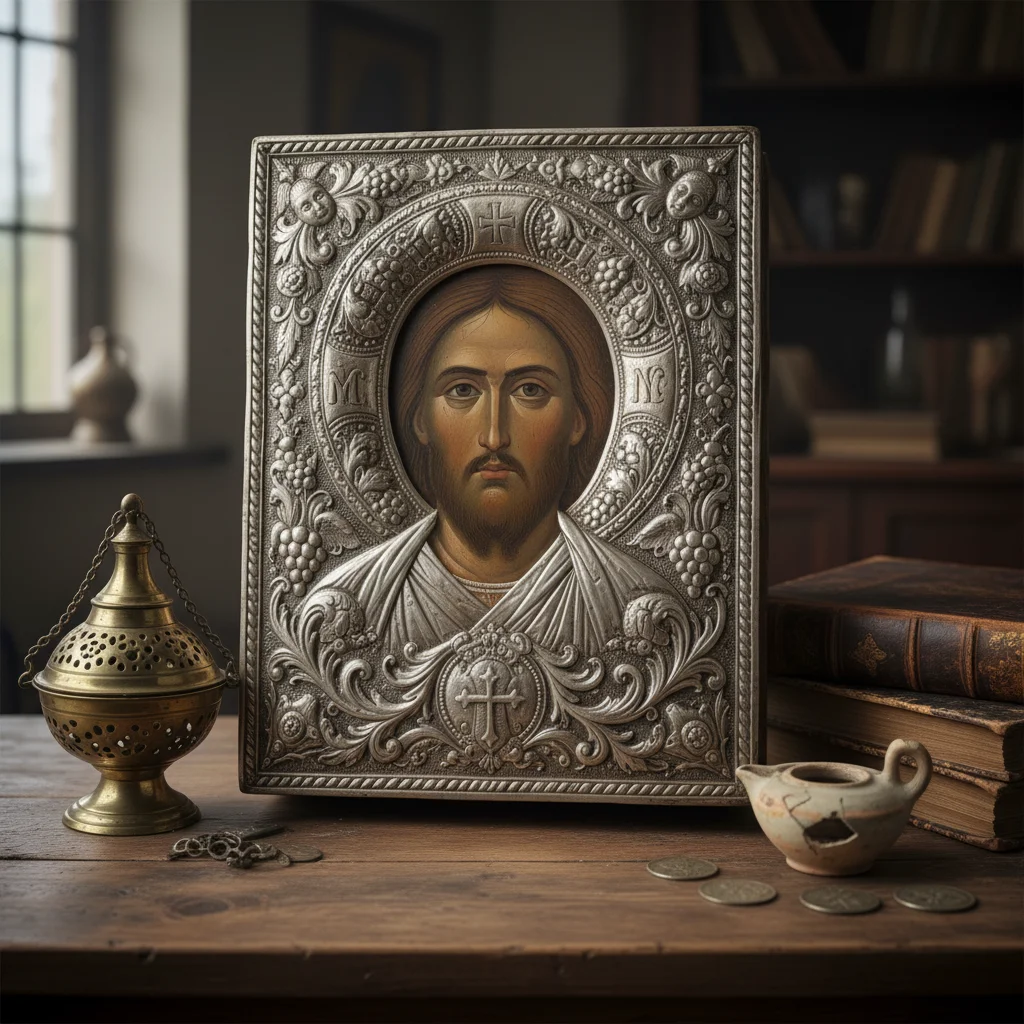
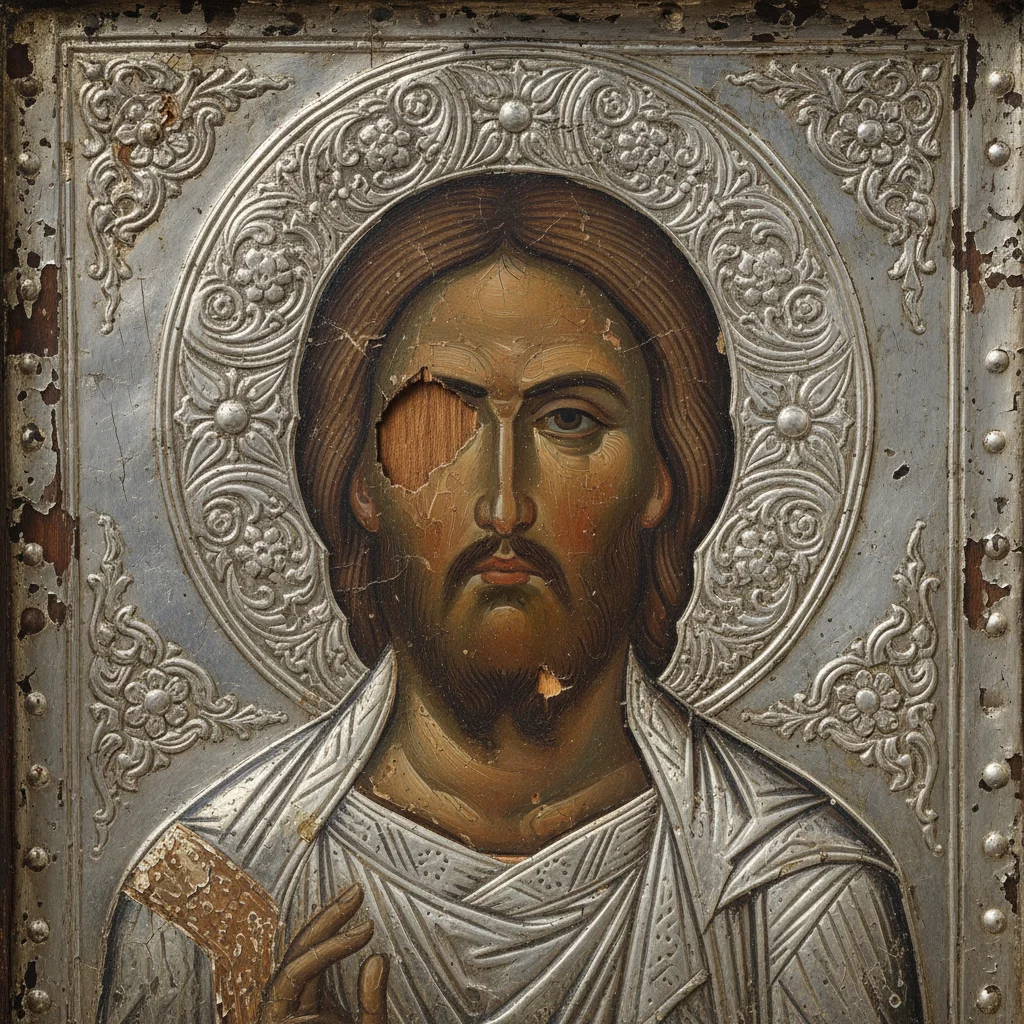
A striking example of high value is an icon from the mid-19th century, which can be worth tens of thousands of dollars. Its value is composed of several factors.
A silver oklad (cover).
The presence of finift (enamel).
Good condition (only a few rays of the nimbus are broken).
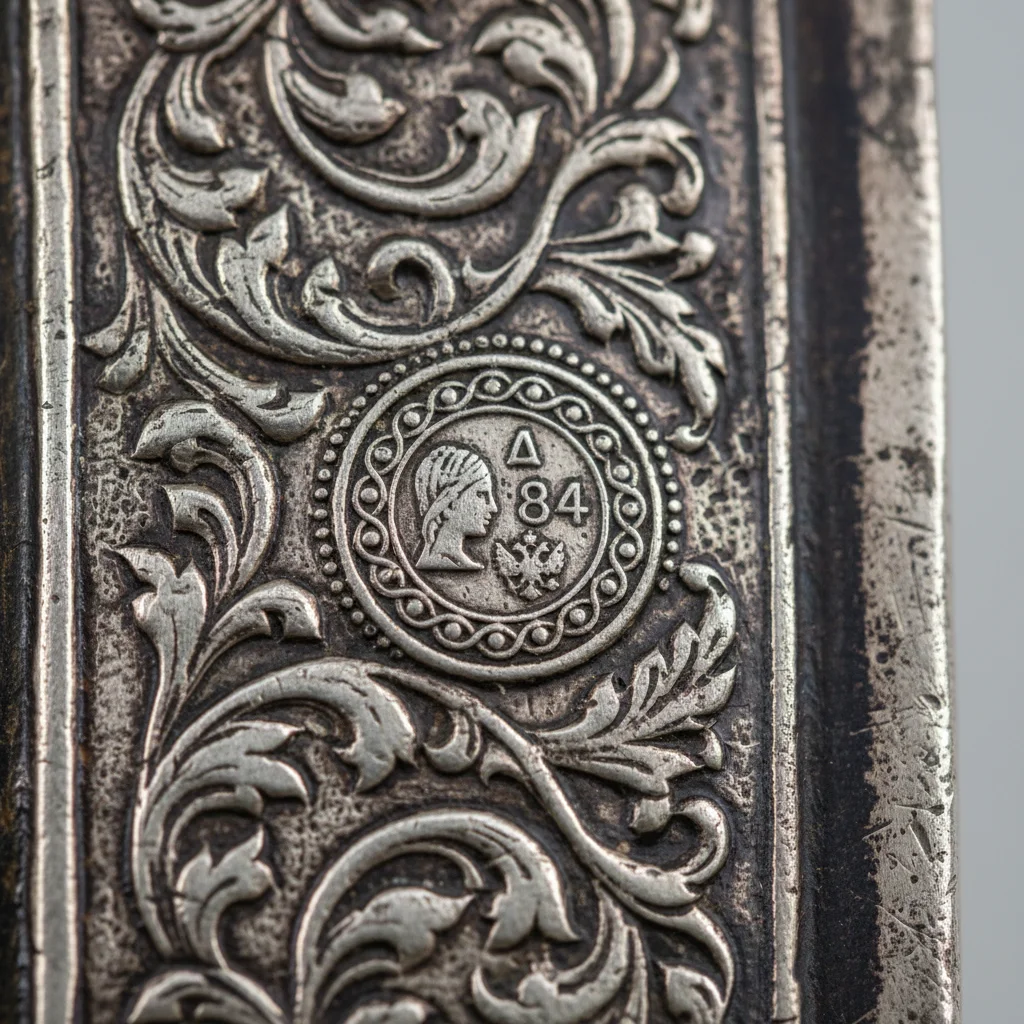
The presence of all marks from the master and the assayer.
The original nimbus (venets), which was often forged or lost.
The master's signature, which is a great rarity for icons.
In contrast, a simple village icon with a cheap brass oklad, where only the face and hand are painted, is inexpensive. Such items have no special features and will not increase in value over time.
The cost of a good and rare icon starts at 100,000 rubles. In addition to objective factors like the school and condition, subjective perception plays an important role—whether the buyer likes the item or not.
The Art of Appraisal: The Example of Antique Icons
Antiques as a Form of Investment
Antiques are considered one of the most reliable areas for investment, but this only applies to expensive and unique items. Cheap items, costing, for example, 5,000 rubles, generally do not increase in price.
There is a story about the famous singer Grigory Leps, who started his collection by trading a new car for an icon he liked. He realized he could buy another car, but he would never be able to get such a unique item again. Today, he has one of the best icon collections in the country.
Another example is an antique shop client who invested a large sum in common gold coins from the Nicholas era. In one year, he was able to make a 25% profit on their sale, which exceeds bank deposit interest rates. Another customer sold a painting she had bought for twice the price three years later.
Antiques as a Form of Investment
The Danger of Forgeries in the Antique Market
The antiques market is flooded with very high-quality forgeries that are almost impossible for a non-specialist to distinguish. China is the leader in the production of such fakes.
Recently, counterfeit Russian silver rubles, minted from a similar alloy, have spread throughout Russia. Everything is forged, including the rarest specimens like the Constantine and Family rubles.
A cunning scheme is used to sell the fakes: the coins are given to elderly people who sell them, telling a plausible story about them being treasures their grandfather collected his whole life. Thus, people buy forgeries, believing in their authenticity and historical value.
The Danger of Forgeries in the Antique Market
The Stories of Things: From the Landfill to Museum Value
A good antique dealer is an art historian and a historian in one, possessing vast knowledge. They can spot a valuable item even in a pile of junk, saving it from oblivion.
This is what happened with a chair belonging to the famous Krasnoyarsk gold industrialist Pyotr Kuznetsov. It was discovered in a landfill. The chair was made of rosewood, upholstered in red velvet, and decorated with the owner's monogram embroidered in gold thread. After restoration using authentic materials, it sat in the shop for a year.
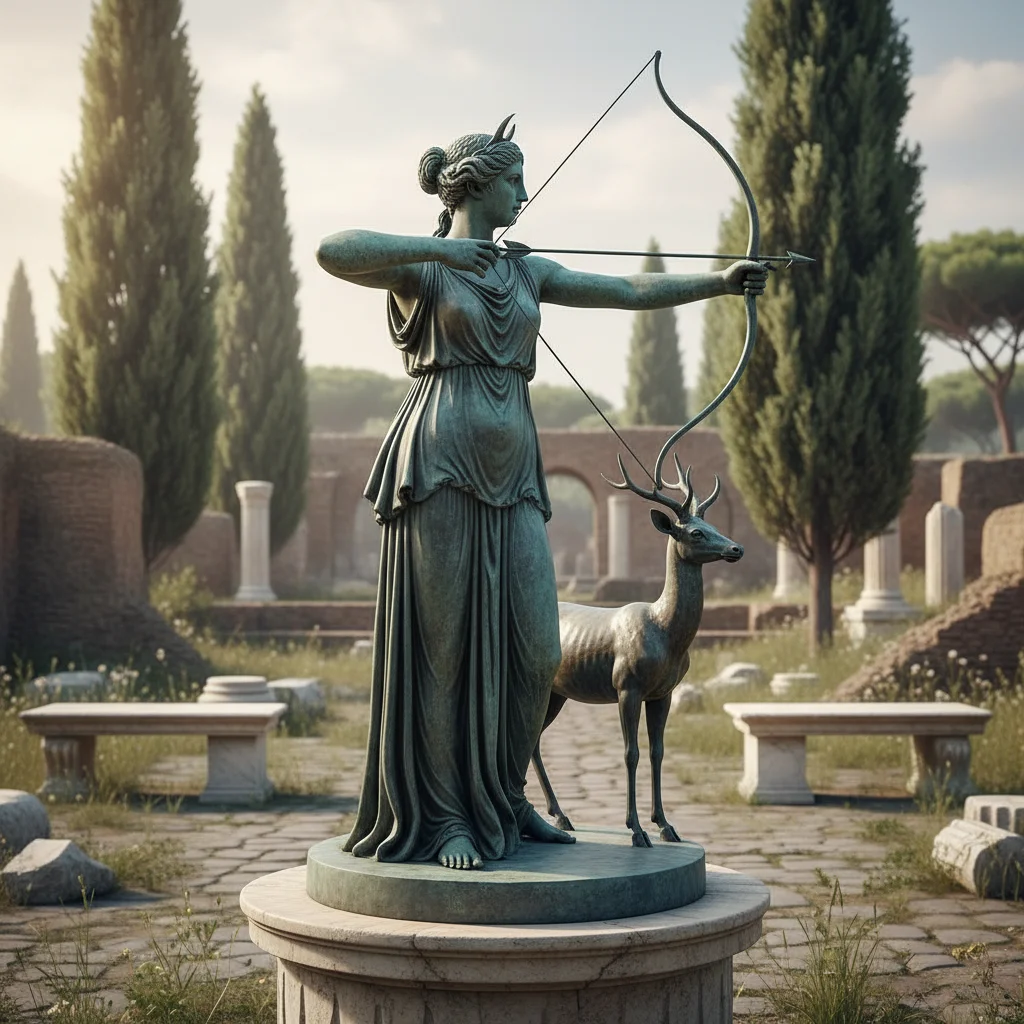
Another example is a trophy statuette 'Goddess Diana' from the mid-19th century. It is an original work, as evidenced by the 'CARRIER' mark. Despite its high price of $20,000, it proved to be unaffordable for the local market. It likely originally adorned a wealthy mansion.
The Stories of Things: From the Landfill to Museum Value
Sources for Acquiring Collection Pieces
The search for antiques is conducted throughout the country and beyond. In Siberia, and in Krasnoyarsk in particular, it is difficult to find unique old items due to the region's relatively short history. The main settlers were exiles and migrants who did not have great wealth, and what they did have was long ago taken away.
Therefore, antique dealers work with representatives in the European part of Russia—Pskov, Leningrad, Moscow. Some items are brought from Europe, like the gramophone from London. Some items are trophies brought back after World War II, which are now being sold by the soldiers' grandchildren and great-grandchildren.
Sometimes valuables are found in hoards. For instance, in the Yemelyanovsky district, during the demolition of an old village, a hoard of 500 silver coins in perfect condition, which had never been in circulation, was discovered in a rotten gate post.
Sources for Acquiring Collection Pieces
Not Just Rarities: The Diverse World of Antiquity
Not everything in an antique shop is an expensive and rare artifact. Most of the inventory consists simply of old items: coins, postcards, figurines, books, dishes, telephones, and radios, including those from the Soviet era.
These items are in demand among designers for interior decoration and among collectors. Some collect items from the Stalinist era, some from the 60s, and others collect busts, porcelain, or cigarette cases. Everyone has different interests.
Sometimes, very unusual exhibits appear. For example, a diving helmet that came from Achinsk after a military unit was disbanded. Or a fragment of the Sikhote-Alin meteorite, which fell on February 12, 1947. Its price is low—750 rubles—as the meteorite broke into hundreds of thousands of fragments.