
The Golden Compass: Navigating the Global Precious Metals Market
Immerse yourself in the intricate world of the international gold market, discover how the price of this precious metal is shaped, and uncover its primary trading hubs.
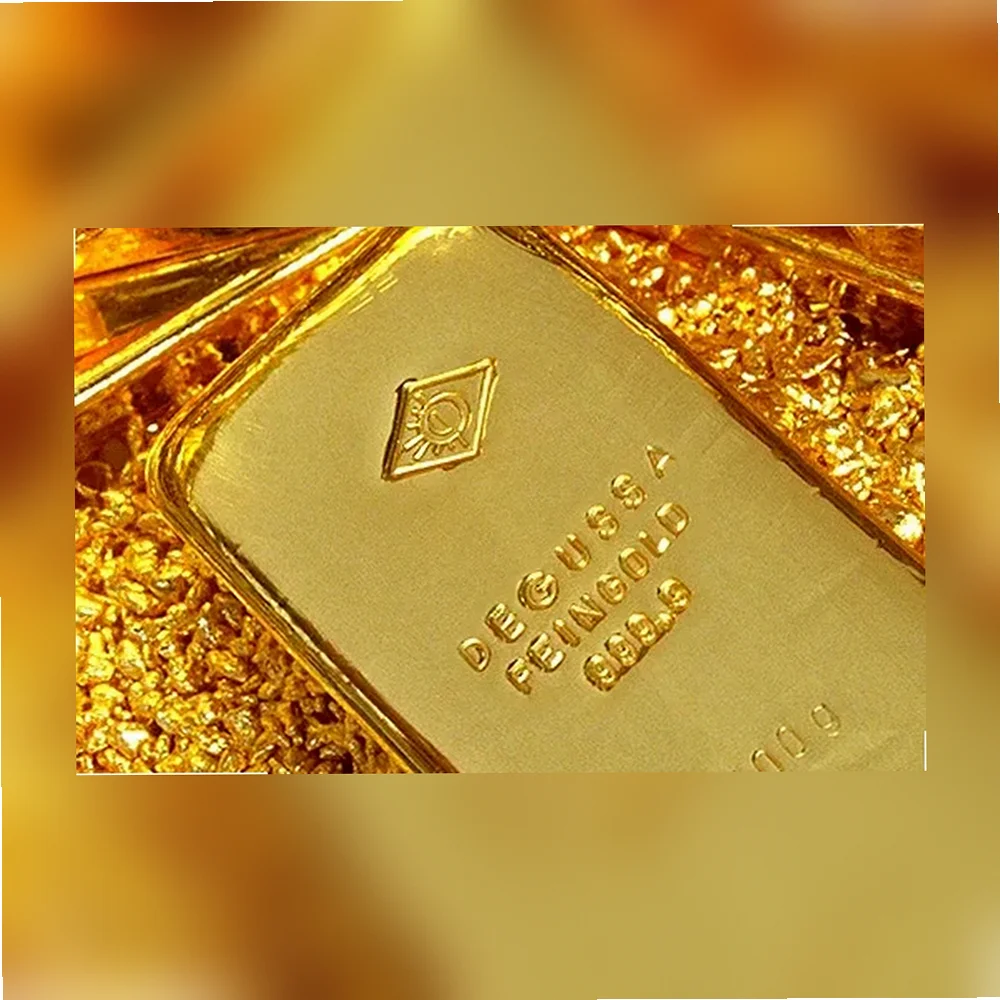
International Gold Market: Fundamentals and Mechanisms
The international gold market is a complex combination of financial organizations and structures that allow the trading of the precious metal and securities based on it on a global scale. This market functions thanks to the activity of numerous local trading platforms, supplemented by several large global exchanges.
Physical gold acts as one of the most liquid resources in the world. States actively use it as a key component of their gold and foreign exchange reserves, which underscores its strategic importance in the global economy.
How the World Price of Gold Was Formed
Until the mid-1970s of the last century, the price of physical yellow metal was determined by two parameters: the official and real prices, which were set by the United States Treasury. This ensured the dominant influence of the USA on the global gold market.
However, the situation changed dramatically after the devaluation of the American dollar in 1971. The weakening of the currency and the partial acquisition of credit and financial independence by European and other states led to the USA ceasing to dictate the official price from 1976 onwards. Since then, only the real price has remained, which is freely formed by the main precious metals market in London, making it the central hub for determining global quotations.
Diversity of Trading Platforms
The global precious metals market includes several key types of trading platforms, each with its own characteristics and operating mechanisms.
- Markets of international significance, where major global transactions are conducted.
- Unregulated domestic structures, often serving local needs.
- Local platforms with regulated prices, operating under the control of national authorities.
- Markets with illegal gold circulation, operating outside the legal framework.
The Path of Gold: From Earth's Depths to Global Exchanges
Physical gold enters the international market primarily from large deposits worldwide. Key suppliers of precious metals include countries such as China, Australia, Russia, the USA, Canada, Peru, Indonesia, South Africa, and Mexico.
The annual global gold production reaches an impressive 3,000 tons. However, despite this, reserves are not limitless. The confirmed quantity of unmined precious metal is 15,000 tons, with an estimated 54,000 tons. Projections indicate that at current rates, these reserves could be depleted within just a couple of decades.
Centers of Global Gold Trade
On the global stage, two main centers for international gold trade stand out: London and the United States. Each plays a unique role in shaping global prices and providing investment opportunities.
| Trading Platform | Features and Mechanisms |
| London Bullion Market | Fixes the price of gold twice daily, serving as the basis for most Central Bank quotations. The primary commodity is a standard 'good-delivery-bar' with the manufacturer's mark, numbering, and assay. |
| US Markets (New York, Chicago) | Focused on the international trade of gold metal. In addition to physical bars, they actively trade derivative assets such as gold futures and forward contracts with a lead time of up to 6 months. |
These key platforms ensure liquidity and transparency in the global precious metals market, offering a variety of instruments for investors and states seeking to utilize gold in their economic strategies.