
Gold: Bars or Coins? Navigating VAT-Exempt Investment Growth
Expert Insights: How to Invest in Gold and Avoid Costly Mistakes. Why Coins Outperform Bullion, and How to Capitalize on History When Markets Are Tumbling.
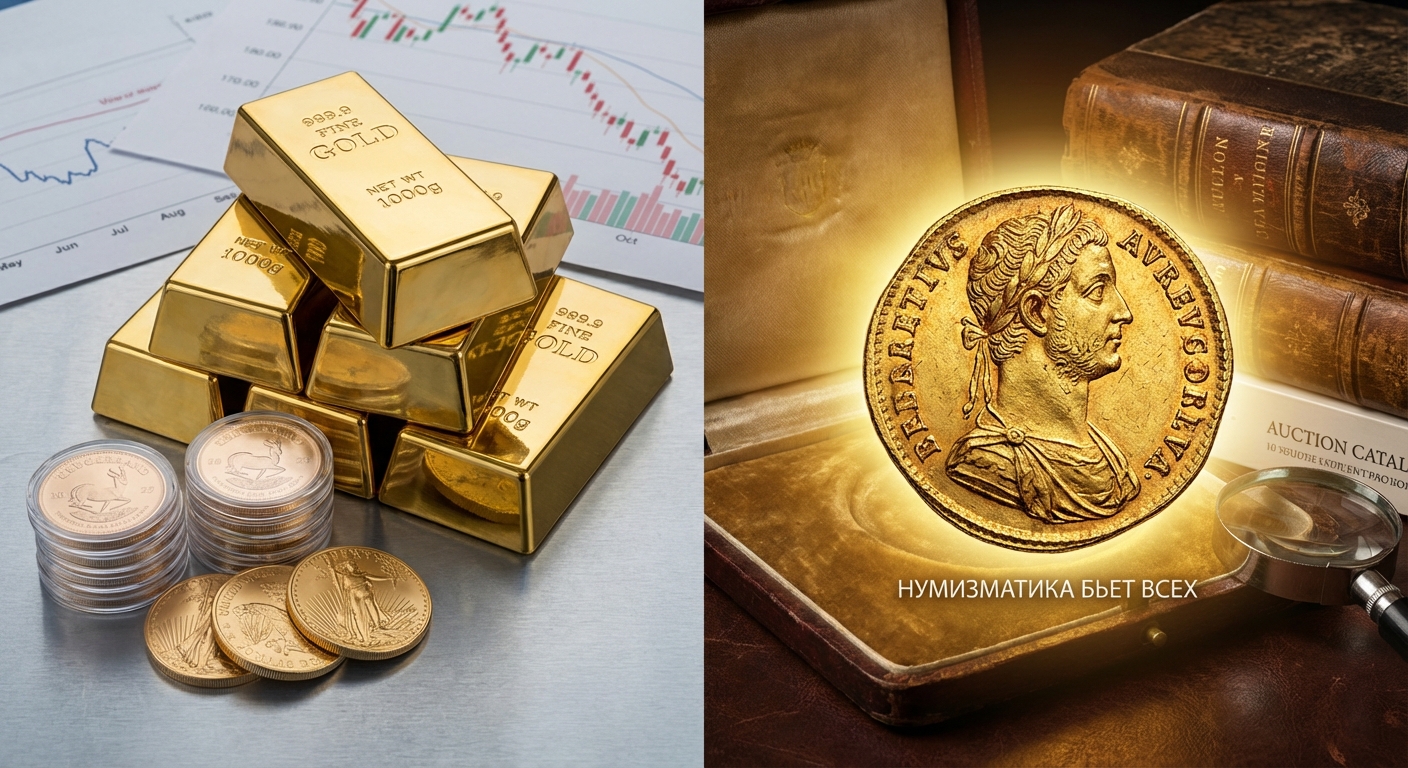
Gold: Bars – Dust, Coins – Cash. Where's Your Real Profit?
Let's get straight to it: investing in gold isn't a magic wand. You can either hit the jackpot or get burned. Think you can just buy a bar and wait? Naive. If you don't want to lose out, engage your brain. I'll tell you where to *really* invest so your money works for you, instead of gathering dust.
Why Does Your Money Even Need Gold?
Gold isn't just a metal; it's insurance. You can't print it, you can't clone it. Reserves are dwindling, extraction costs are rising. In a crisis, when currencies go to hell, gold is your safe haven. It doesn't devalue. It's an asset that withstands the blow while others sink. It preserves value when everything else loses it.
A Brief History Lesson: Why the World Went Crazy for Gold
Forget academic lectures. Remember when the gold standard was abolished? Currencies became mere paper, tied to nothing but air. Since then, the world has been in turmoil. Economies wobble, crises are regular. Gold became a refuge, an anchor in the storm. Many still believe in the return of the gold standard. And for good reason.
What Drives Gold Prices Up?
- When the world is in trouble, gold rises. Pandemics, trade wars, political instability, recessions – these are the fuel.
- Central banks worldwide are ditching the dollar and buying gold like crazy. That's a signal, folks.
- Lowering key interest rates by the US Federal Reserve makes gold more attractive.
But there's a catch: regulators aren't sleeping. They can support economies, play with rates. Any warming of relations between giants – and the price can drop. You need to keep an eye on the wind.
How to Invest in Gold: Choose Wisely
Now to the point. How to turn your money into gold that will bring profit? There are many options, but not all are equally useful.
1. Bank Bullion: The VAT Trap
The most obvious, but often the dumbest way. You go to the bank, buy a bar. Simple? Yes. Profitable? NO. You immediately get hit with 20% VAT upon purchase. Hear that? 20%! This means the price has to increase by 28% just for you to break even. And that, buddy, takes a long time.
- Storage — a pain. Scratched it – price dropped. Ordered a safe deposit box – pay up. At home — risk, then you'll need an appraisal.
- Damage — loss of money. When selling, every scratch reduces the value.
- Profitable only in the very long term and provided there is serious economic instability.
2. Investment Coins: Where the Real Cash Is!
Now this is interesting. Since 2001, here's the trick: buy a coin, hold it for three years – YOU DON'T PAY VAT! Do you understand the difference? Immediately minus 20% tax on purchase. This changes everything.
- Types of coins: Investment, commemorative, jubilee. The best are UNC (Uncirculated), those that have not been in circulation. Their value is not only in the metal but also in rarity, mintage, condition, and history. This is already collectible value, which grows faster than just the price of gold.
- Reliable dealer – your best friend: Choose only trusted dealers with Assay Office certificates. This is your guarantee of authenticity and quality.
- Growth: A coin can grow up to 18% per year. In 5 years, you can double your investment. Inflation? What inflation? Your coin doesn't just preserve value, it MULTIPLIES it.
3. Exchange Trading: For Sharks, Not Investors
The exchange is for those willing to sit in front of a monitor. You buy futures, shares of gold mining companies, play on the exchange rate. You can earn money, but it's active trading, not passive investment. You need a broker, market understanding, nerves. This isn't about "buy and forget."
4. Unallocated Metal Account (UMA): Virtual Gold
It's supposedly convenient: the bank simply records that you own grams of gold. No storage needed. But this isn't your physical gold; it's 'paper.' Interest, price growth – all good. However, if it's an open-ended account, you'll pay tax again upon sale. And most importantly: in case of a serious crisis, what will you get? Drawn figures or real metal? Risks exist.
5. Jewelry and Virtual Accounts: These Are Not Investments!
Jewelry? Forget it. You're paying for the jeweler's work, the store's markup, and the purity is lower. It's not an investment; it's an adornment. Unless it's antique jewelry for crazy money. But that's a whole different game, requiring completely different knowledge.
Virtual gold (Webmoney WMG and others)? No VAT – yes. But you're entrusting your money to an electronic system and an Emirati company. No one insures your assets. And regulators can shut down this operation at any moment. Plus, there are transaction fees. This is a 'money surrogate,' not real gold. Risky.