
Silver in Your Portfolio: Why This Metal Merits Investor Attention
Explore the enduring role of silver as a steadfast asset, poised to safeguard your capital against market volatility and inflation. Understand the factors that shape its intrinsic value and why it remains a crucial consideration for every discerning investor.
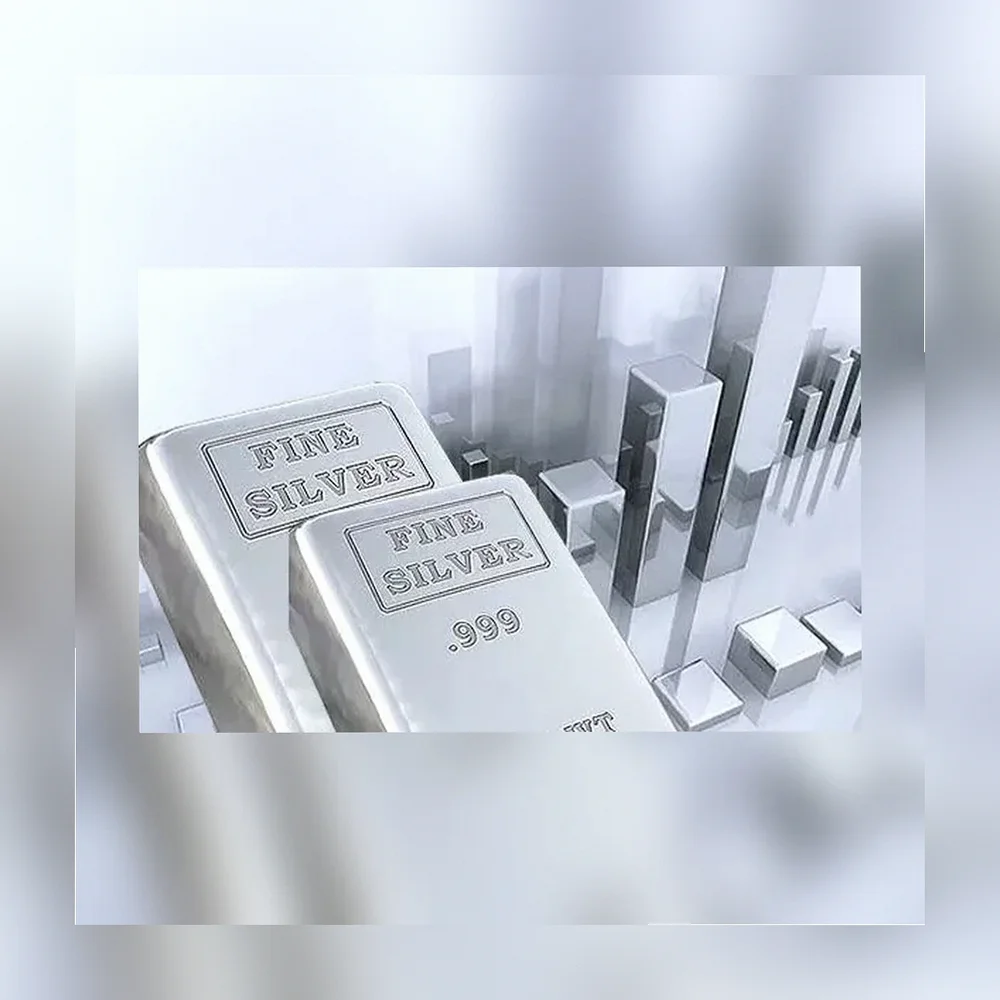
Silver: Defender of the Investment Portfolio
Investors traditionally view gold as a safe haven for capital. However, silver also acts as a powerful tool to protect an investment portfolio from market volatility and economic turmoil, providing insurance against high inflation.
Understanding the key aspects of investing in silver, including the factors influencing its value and the benefits of owning this precious metal, becomes critically important.
Silver Price Dynamics: What Determines Value
As with other precious metals, the price of silver is predominantly shaped by the balance of supply and demand.
The industrial application of silver is extremely broad: from electronic devices and solar panels to electric vehicle components and modern medical equipment, creating constant demand.
| Indicator | Silver | Gold |
| Above-ground reserves | >1.7 million metric tons | 244,000 tons |
| Historical price peak | $50 per ounce | >$2,000 per ounce |
The standard price for precious metals is set by the London Bullion Market Association (LBMA). Daily, members of the group determine a fixed price, typically for large transactions.
The spot price for the metal is formed in real-time and reflects the current volumes of buying and selling of silver bars.
There is an inverse relationship between the value of silver and the US dollar, as the metal is priced in this currency. If the US dollar weakens against other world currencies, silver becomes more affordable, which usually stimulates demand and leads to an increase in its price.
Why Investors Include Silver in Their Portfolio
Investors consider investing in silver for several key reasons that make it an attractive asset.
- Preservation of real value
- Safe-haven asset
- Diversification
Preservation of Real Value
In conditions of high inflation, which gradually reduces the purchasing power of money, investors actively seek ways to preserve the real value of their wealth. Investing in silver becomes one such solution.
Historically, when consumer prices rise, demand and prices for precious metals, including silver, tend to increase.
However, it is important to remember that silver is not always an ideal hedge against inflation. If high inflation coincides with an economic downturn, a reduction in industrial production can lead to a significant drop in demand for this precious metal.
Safe-Haven Asset
Unlike currencies, whose value depends on interest rates and the money supply, the price of silver is largely determined by supply and demand. This makes it a popular safe-haven asset for investors during periods of financial instability caused by geopolitical and economic risks.
A striking example is the 140% surge in silver prices over three months in the run-up to a year when investors sought refuge from the impact of the COVID-19 pandemic on global stock markets. The metal also jumped 10% just two weeks after the start of the Russian-Ukrainian conflict, demonstrating its role as a safe-haven asset.
Diversification
Silver can also provide important portfolio diversification alongside stocks, real estate, bonds, and cash. Diversification is critically important for protection against significant risks and losses, especially when one asset type, such as stocks, experiences a downturn.
However, silver has not yet shown the inverse correlation with the stock market that is characteristic of gold. This means that the price of silver does not always rise during a stock market downturn.
Conclusion
Investing in silver requires an understanding of its unique properties and the factors that shape its value. This precious metal can be a significant addition to an investment portfolio, offering protection and growth potential in various economic conditions.