How Do Global Crises Affect the Antiques Market?
During periods of global crises, when traditional financial markets like stocks and bonds experience high volatility, investors begin to seek alternative ways to preserve capital. Historically, one such avenue is investing in antiques and art objects. These tangible assets often behave differently from financial instruments, serving as a safe-haven asset.

The Art Market as a Barometer of Economic Stability
During periods of global crises, when traditional financial markets like stocks and bonds experience high volatility, investors begin to seek alternative ways to preserve capital. Historically, one such avenue is investing in antiques and art objects. These tangible assets often behave differently from financial instruments, serving as a safe-haven asset.
However, the impact of a crisis on antiques is not uniform. The market's reaction strongly depends on the price segment, the rarity of the item, and its historical significance. While some categories lose value, others show surprising resilience or even growth, attracting capital that is fleeing from panicked stock exchanges.
First to Be Hit: Vulnerable Market Segments
As a rule, the middle and lower price segments of the art market are the first to react to economic shocks. Items that do not possess exceptional historical or artistic value begin to lose their price. This is because their buyers are mainly the middle class and novice collectors, whose purchasing power decreases during a crisis.
People postpone expensive but non-essential purchases, which leads to a drop in demand. This category includes many items that serve more as decorative elements than as serious investment tools.
- Antique furniture without a renowned author or significant origin.
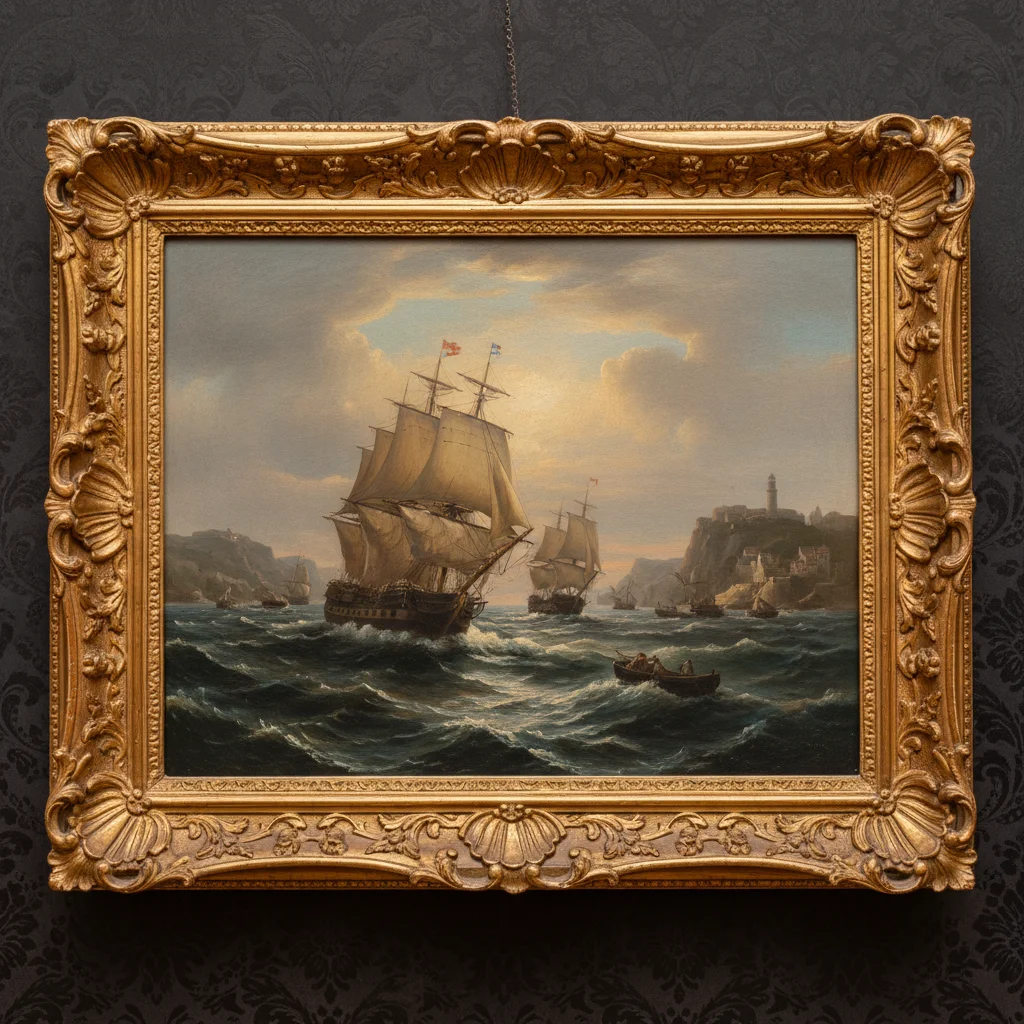
- Paintings by little-known artists with no auction history.
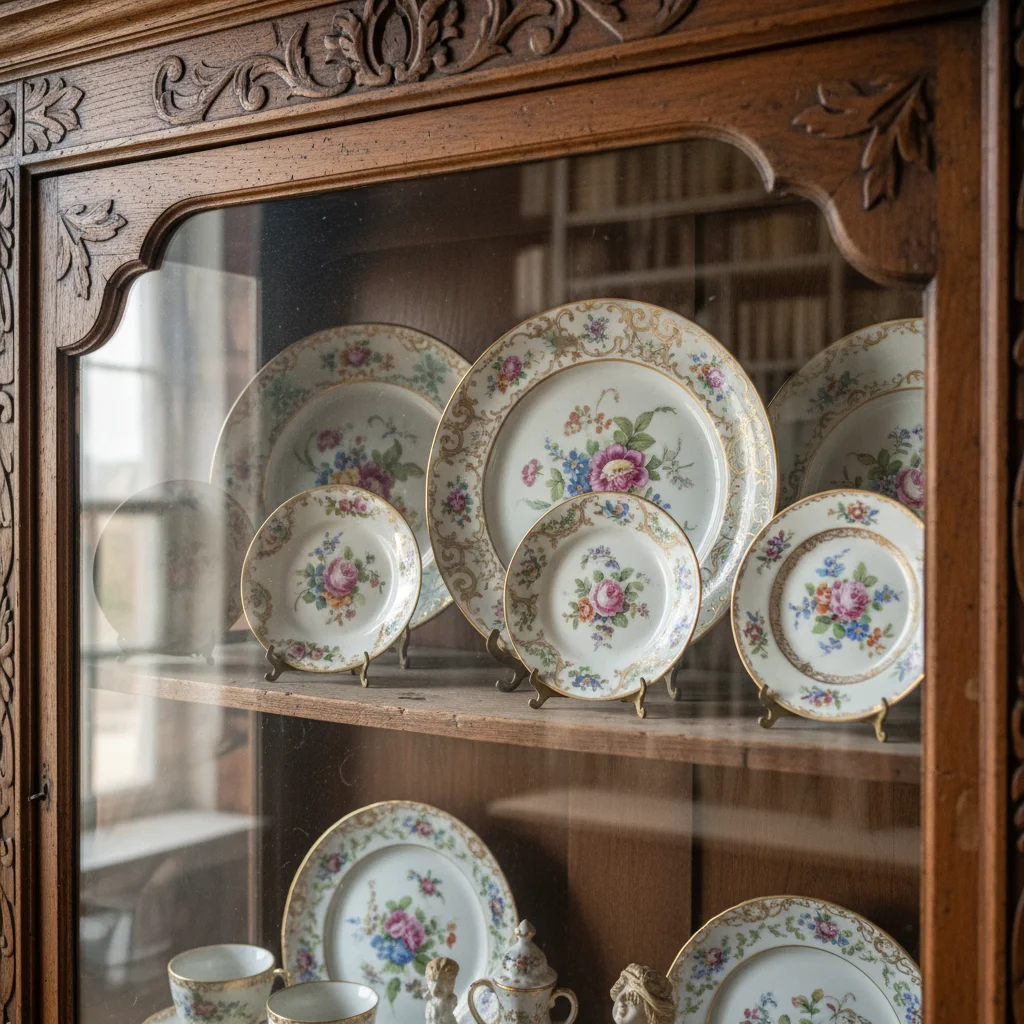
- Mass-produced and serial antique porcelain and glass.
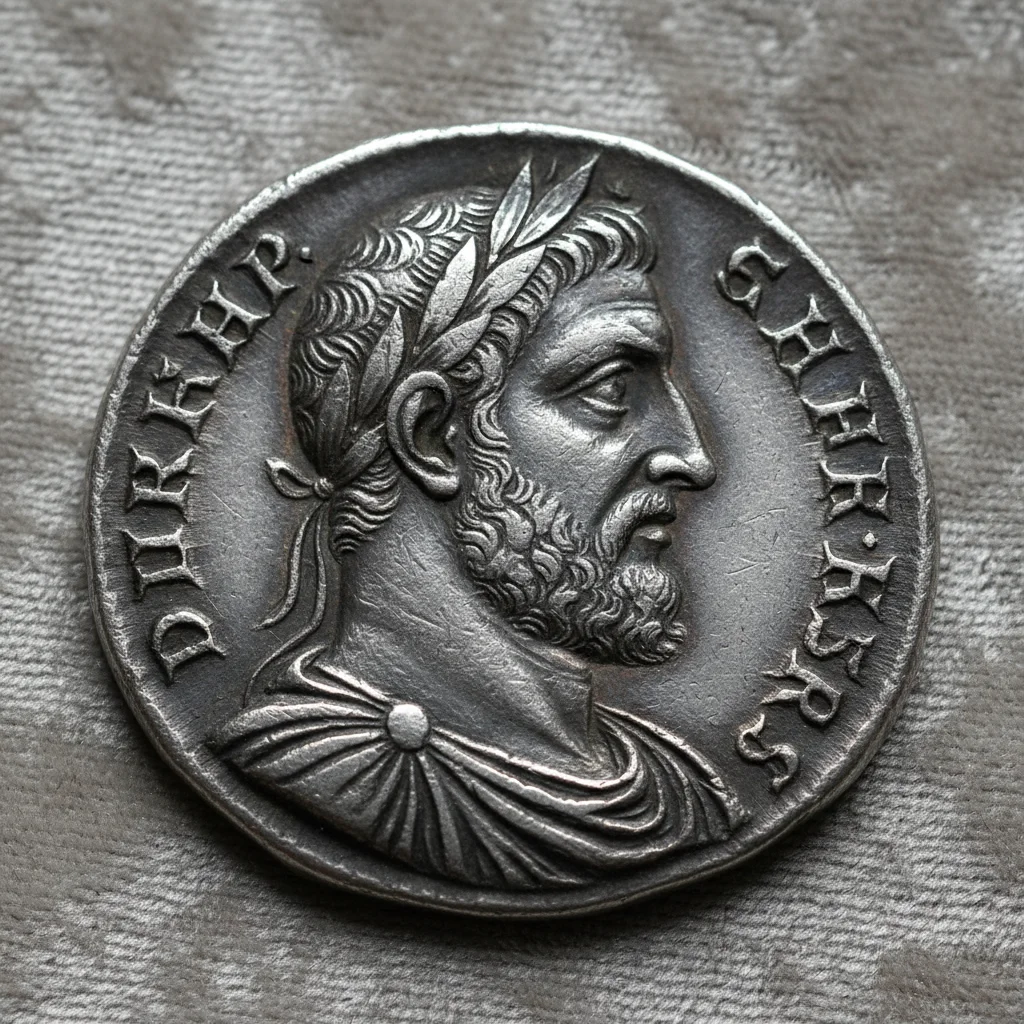
- Collectibles with low rarity (e.g., common coins or stamps).
Islands of Stability: What Remains Unshakable?
| Characteristic | Vulnerable Asset | Safe-Haven Asset |
| Authorship | Little-known or anonymous | World-renowned name (Fabergé, Rembrandt, Picasso) |
| Provenance | Absent or unclear | Impeccable ownership history (royal collections, famous collections) |
| Rarity | Common item | Unique or existing in only a few examples |
| Historical Value | Insignificant | Direct connection to important historical events or figures |
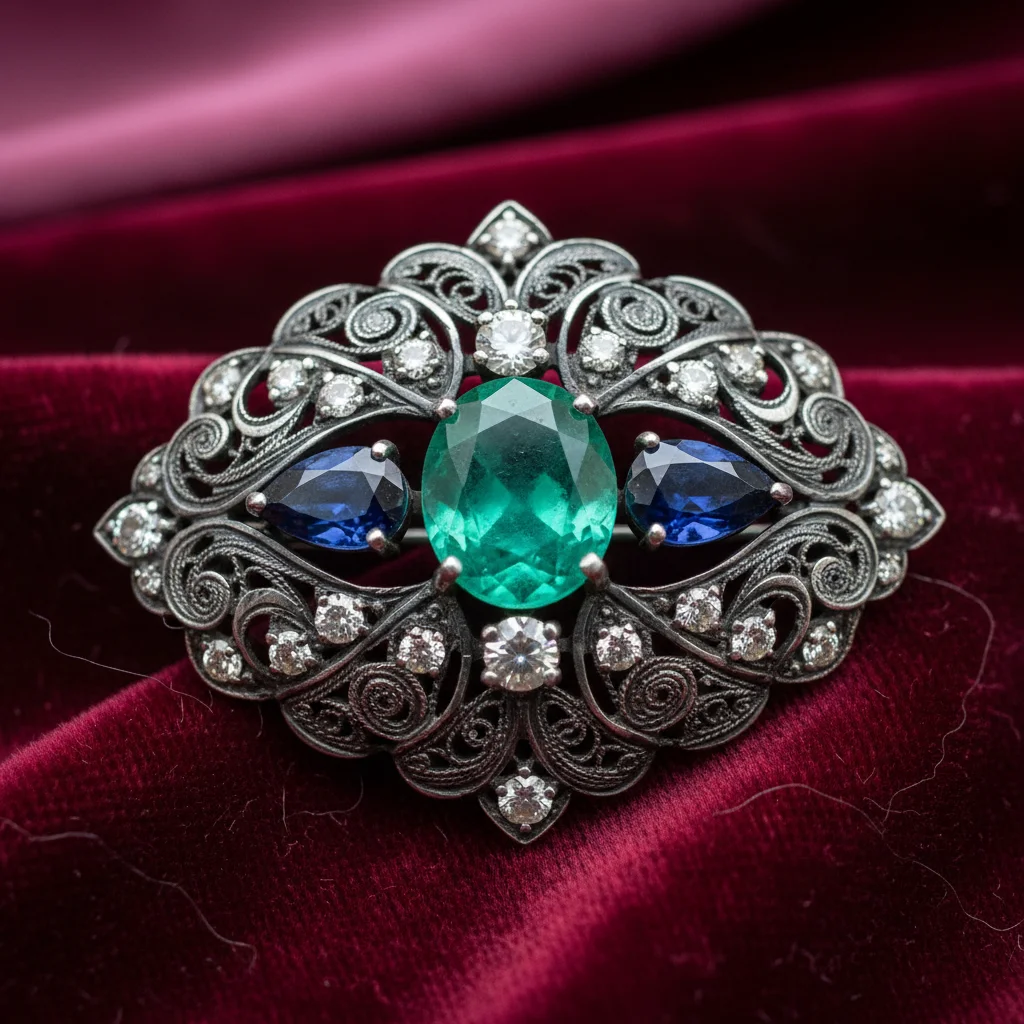
At the other end of the spectrum are the so-called 'blue-chip art' — world-class masterpieces, the rarest artifacts, and items with impeccable provenance (ownership history). This segment of the market is virtually immune to short-term fluctuations and feels most confident during crises.
The owners of such assets are ultra-wealthy individuals for whom a financial crisis is not a reason for an urgent sale of their collections. Moreover, during such periods, the demand for masterpieces can even increase, as they are seen as the most reliable 'safe haven' for vast amounts of capital.
It is these factors that determine whether an antique item becomes a reliable investment or a risky purchase in unstable times.
A Historical Perspective: The Art Market During Past Recessions
Historical analysis of the art market confirms this pattern. For example, during the 2008 global financial crisis, the mid-range contemporary art market experienced a significant decline. However, sales of works by Old Masters and top-tier Impressionists not only did not fall but soon began to set new price records.
This is explained by investor psychology. In conditions of currency devaluation and distrust in financial institutions, a tangible, physical asset whose value has been proven over centuries appears much more reliable. An antique cannot go bankrupt; it cannot be 'printed' like money. This fundamental value is what attracts capital in turbulent times.
Investor Strategy During a Crisis Period
Based on past market behavior, several rules can be formulated for those considering investing in antiques during a crisis. The main principle is to shift focus from quantity to exceptional quality. A crisis is not a time for experiments and risky purchases, but a time for investing in time-tested values.
To competently build a portfolio during a turbulent period, it is worth adhering to the following recommendations:
- Buy the best you can afford. One top-class item is always better than ten mediocre ones.
- Give preference to items with impeccable provenance. A documented history of ownership is a guarantee of authenticity and added value.
- Study the market. A crisis can open 'windows of opportunity' to purchase valuable assets at a lower price from those forced to sell.
- Consider antiques as a long-term investment. The art market is inert, and its main advantages unfold over a period of 5-10 years or more.