Grand Auction: Masterpieces of Russian Numismatics - AUCBURG
Grand Auction: Masterpieces of Russian Numismatics
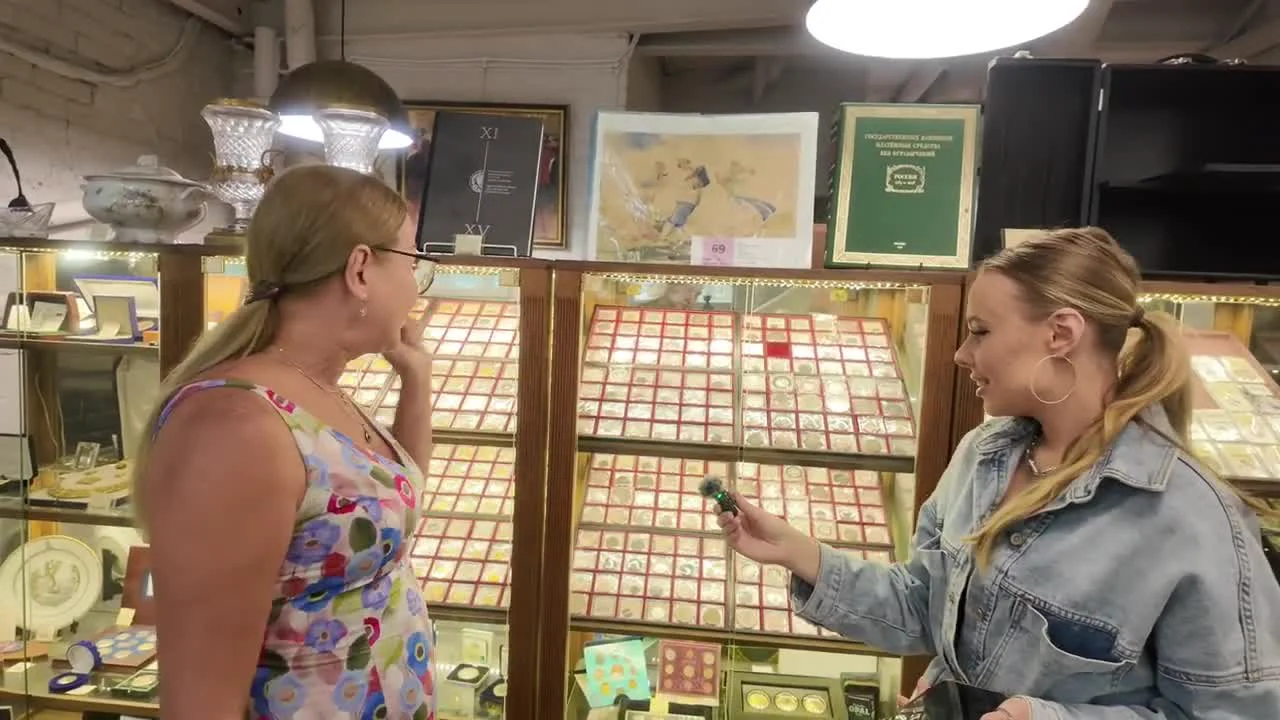
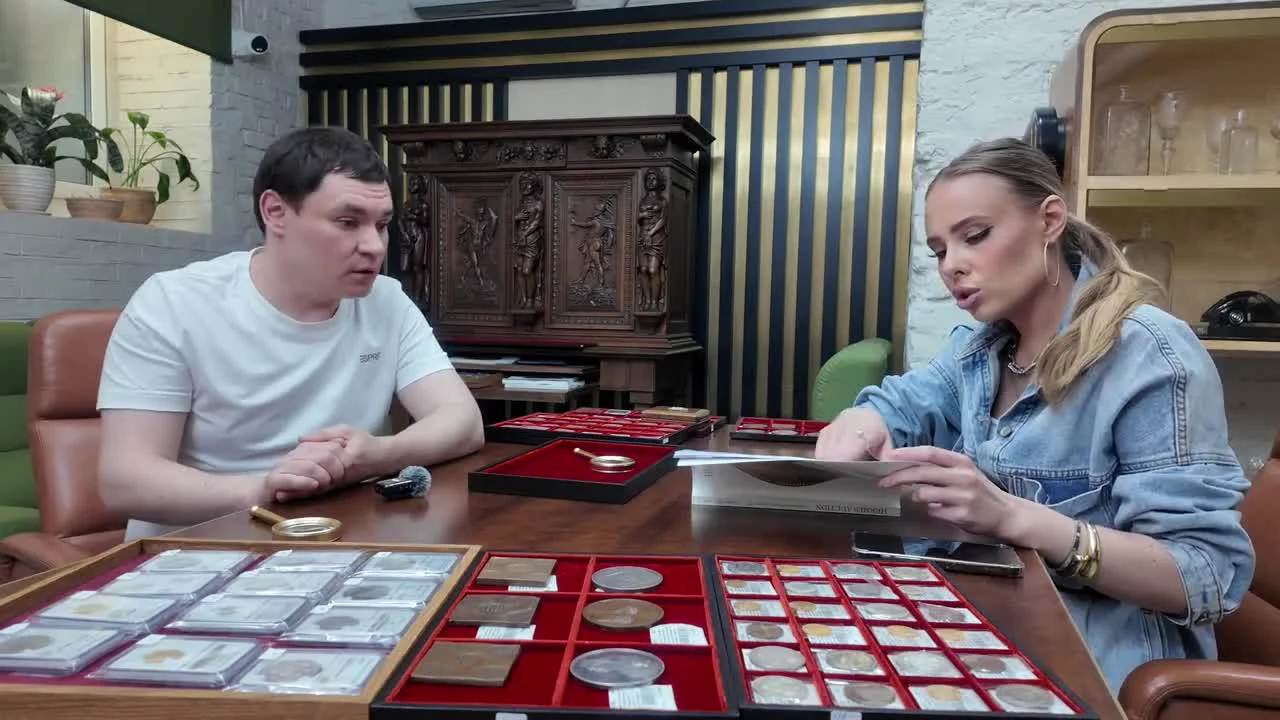
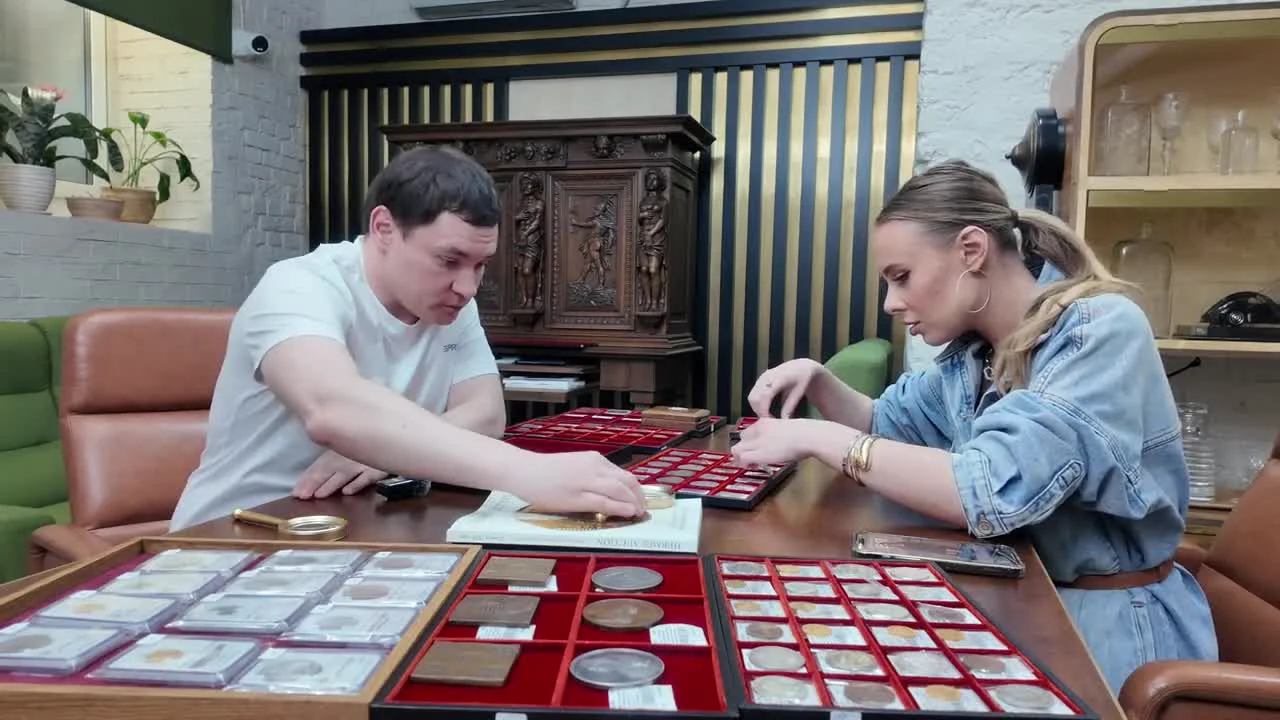
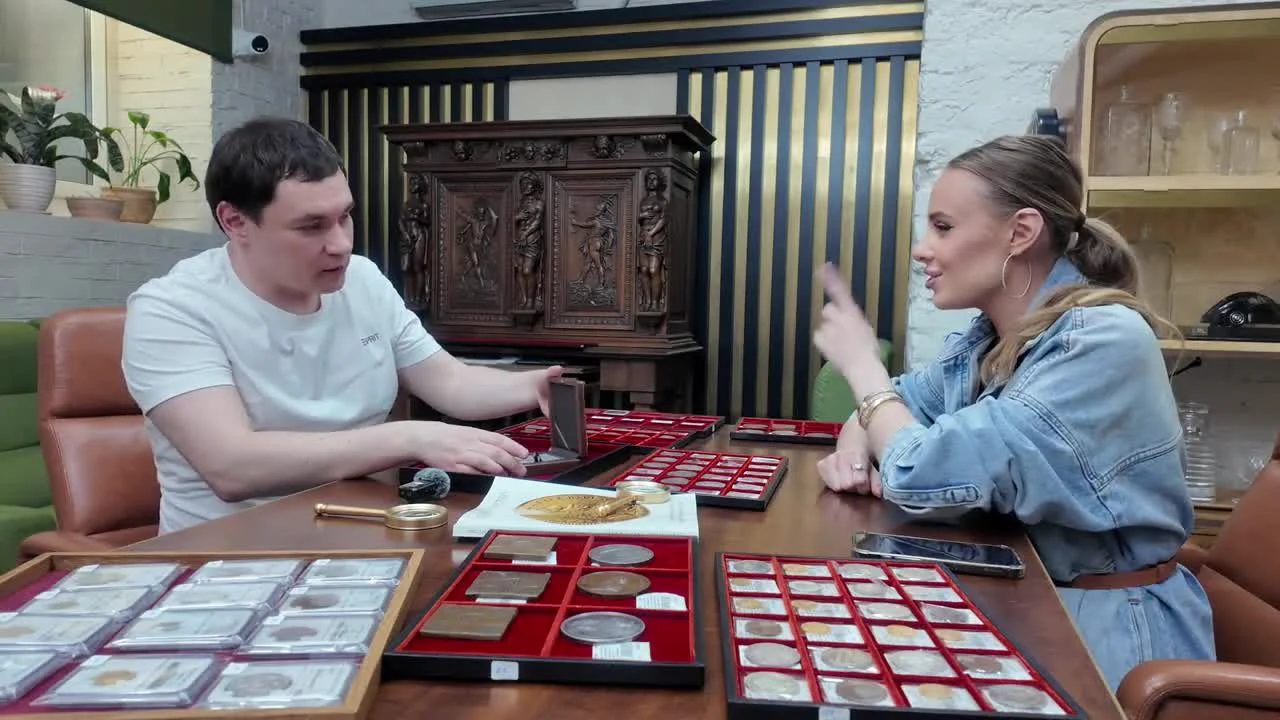
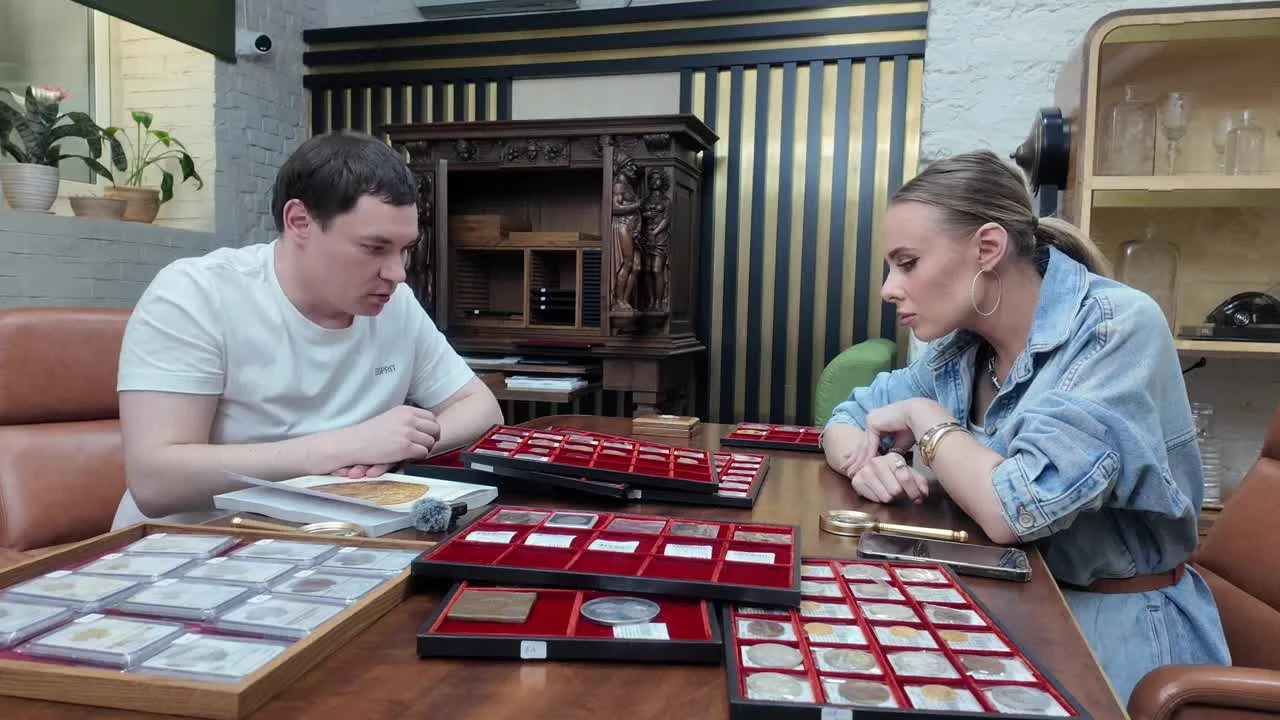
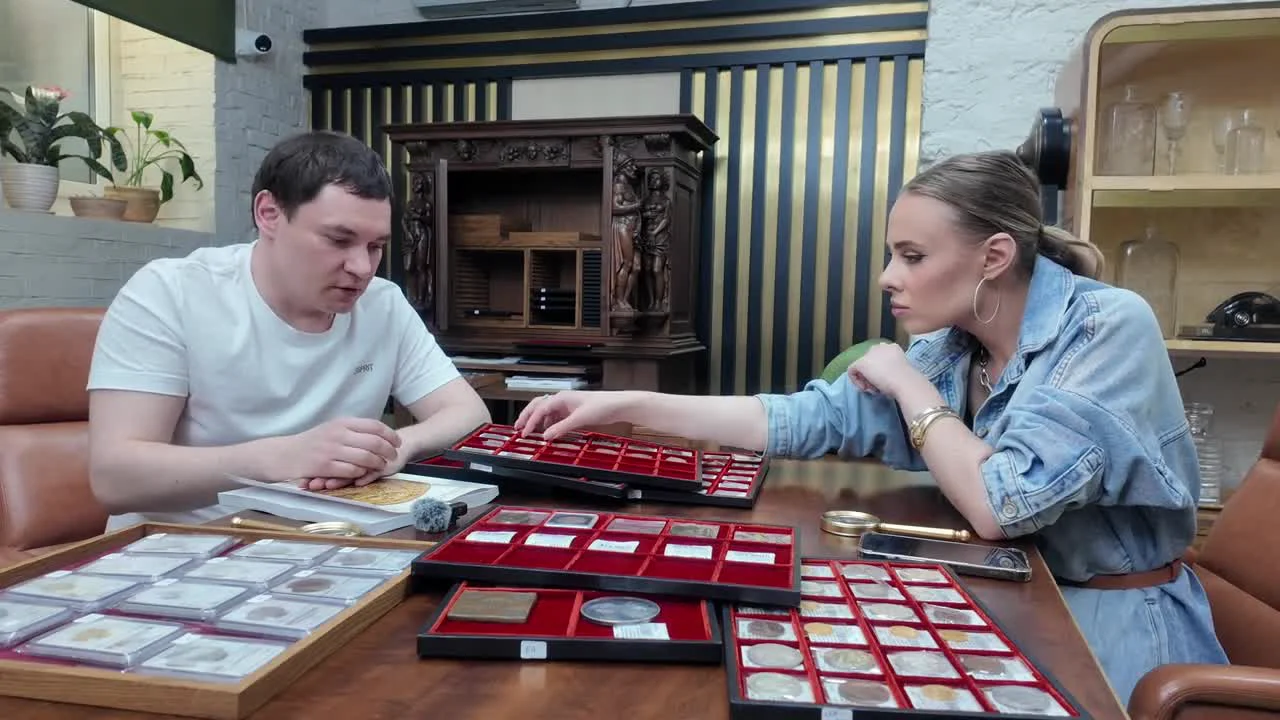
A preview of unique collectible coins is underway at the Hermes auction house, celebrating its 15th anniversary as a leader in the numismatics market. A vast number of gold and silver specimens are on display for visitors, many of which are destined to become true gems in private collections.
At the Hermes auction house, which is celebrating its 15th anniversary and holds a leading position in the numismatics market, a preview of unique collectible coins is underway. Visitors are presented with a vast number of gold and silver specimens, many of which could become true gems in private collections.
In addition to its weekly online sales, the auction house is preparing for a major event—its first in-person auction of Russian coins. This event will feature true masterpieces and rare collectible items, attracting the attention of both experienced numismatists and novice investors.
Participation Conditions and Auction Innovations
The auction will take place on June 21 and will be organized in a hybrid format. Participants can bid in person at the venue, or remotely via an internet broadcast or by telephone. A printed and electronic catalog with detailed descriptions of the lots and starting prices is available to everyone.
To participate, you must register on the auction house's website or directly at the office. The starting prices for the lots are set by the owners in agreement with the auction. The upcoming event will feature two key innovations:
A lifetime guarantee of authenticity for every lot.
The establishment of a reserve price for certain exclusive items.
A reserve price is a confidential minimum value below which a lot cannot be sold. This is done to ensure transparency in bidding and to prevent artificial price inflation.
Participation Conditions and Auction Innovations
Early Coins: From Srebreniks to Yefimoks
The auction's collection spans the entire thousand-year history of Russia, starting with the very earliest coins. The first lots are unique artifacts of immense historical value.
Srebreniks of Prince Vladimir — these are the first Russian coins.
Grivnas — payment ingots used during the so-called 'coinless period'.
Yefimoks with a sign (s priznakom) — Western European thalers that were counterstamped in Russia with an image of a horseman, representing a kopeck. These coins were used for payments in the territory of Ukraine during the time of Bohdan Khmelnytsky.
Early Coins: From Srebreniks to Yefimoks
Top Lots: Chervonets of Peter I and Commemorative Medals
One of the main lots of the auction is a unique 1707 chervonets of Peter the Great. It is the second known specimen in private hands, distinguished by a portrait crafted by medalist Gottfried Haupt. The coin has a grade of MS63 from CGS, and its starting price is 85 million rubles. A reserve price has been set for this lot.
Other significant items include commemorative medals. For example, a medal honoring the founding of Moscow University, featuring a portrait of Empress Elizabeth and made by medalist Jean-Antoine Dassier, has a starting price of 1 million rubles.
Also featured at the auction is a gold medal with a portrait of Paul I. Such medals were awarded to graduates of the Institute for Noble Maidens.
Top Lots: Chervonets of Peter I and Commemorative Medals
18th-Century Rarities: From Peter I to Catherine II
The auction also offers other extremely rare 18th-century coins. Among them is a 1703 poltina, struck in a collar, which may be a trial piece. Also presented is a so-called 'ubornaya' (adornment) poltina from 1705.
Of particular interest is a 1762 ruble of Peter III in exceptional condition—with mint, proof-like luster. Its starting price is 1 million rubles. Coins in such superb preservation are a great rarity.
A selection of Taurida coins, minted in honor of Catherine II's journey to Crimea, deserves special attention. According to legend, Potemkin presented them to the Empress, who then threw them to the people. The smaller the denomination of such a coin, the rarer and more expensive it is. The auction features a unique 2 kopeck piece—the tiniest coin of the Russian Empire and a recognized rarity, with only a few known specimens.
18th-Century Rarities: From Peter I to Catherine II
Unique Trial Coins
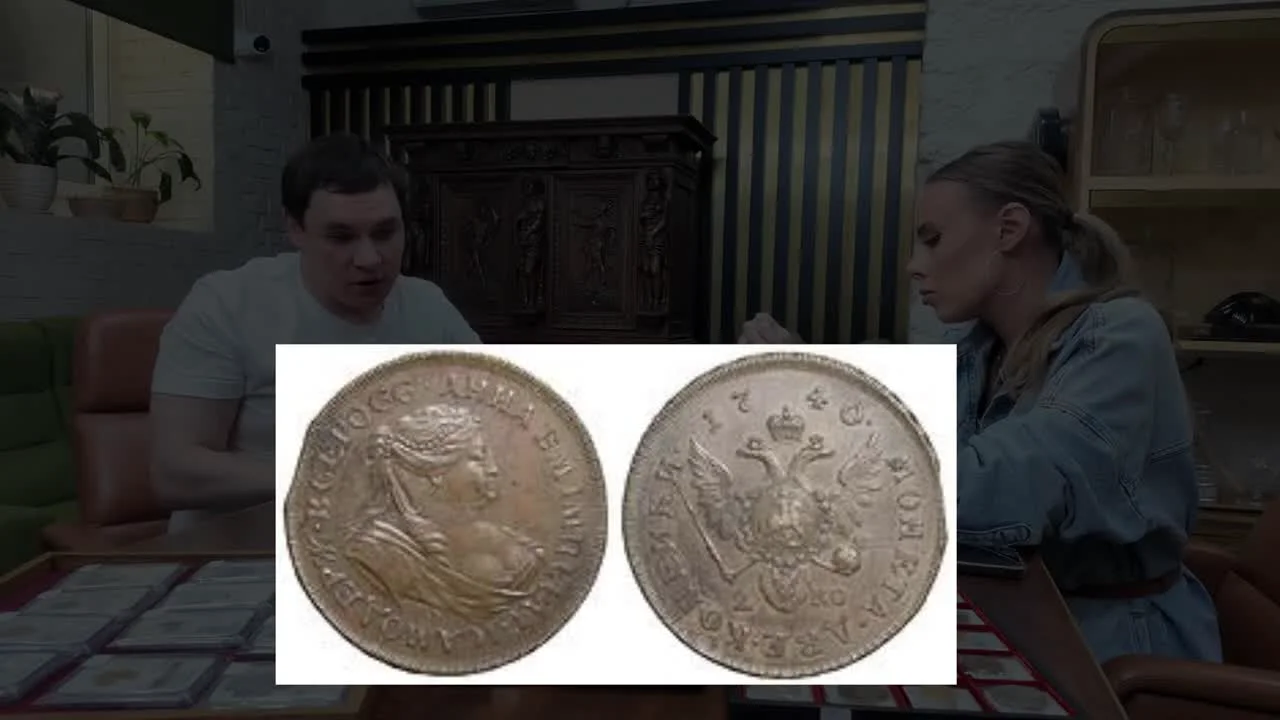
The collection also includes unique trial coins. For example, a 2 kopeck piece from 1740 with a portrait of Empress Anna Ioannovna. The monarch's portrait did not fit on the copper coins of that time, so this specimen, of which only a few are known, is a trial piece and very rare.
Another interesting lot is a 'novodel' ruble of Ivan Antonovich. This is a coin with a grotesque portrait of the infant emperor who reigned for less than a year. 'Novodels' are coins struck with original dies at a later date, and this particular specimen is of great collectible interest.
A real sensation is the complete set of 1956 Soviet trial coins. The set of eight coins, struck in a special metal, is known to exist in only a single privately held example. It is being sold as a single lot with a starting price of 5 million rubles.
Unique Trial Coins
Commemorative and Soviet Rarities
Among the Soviet-era lots, a 1967 trial poltinnik, issued for the 50th anniversary of Soviet power, stands out. The approved version of the coin depicted Lenin pointing the way to a bright future, but this trial piece features a small head of the leader against the backdrop of the cruiser Aurora and a flag. Only a few such coins are known to exist, and the lot's starting price is 4 million rubles.
Also presented at the auction is an 1834 ruble commemorating the foundation of the Alexander Column. The coin is in a CGS slab with a grade of MS61, confirming its excellent condition. It is a popular and beautiful coin.
Many items at the auction are listed with a starting price below market value. The auction house's policy is that any lot without a reserve price can be sold at its starting price if there is only one bid. This is done to attract more participants and create excitement.