NFT and Digital Art: A New Frontier for Collector-Investors - AUCBURG | AUCBURG
NFT and Digital Art: A New Frontier for Collector-Investors
At the core of the 'crypto-art' phenomenon lies the technology of non-fungible tokens, or NFTs. Unlike cryptocurrencies like Bitcoin, where each coin is identical to another, each NFT is unique and exists as a single copy. This uniqueness is recorded on the blockchain—a decentralized digital database—which guarantees the authenticity and ownership history of the asset.
A non-fungible token; a unique digital certificate that confirms the right of ownership of a digital object.
Blockchain
A decentralized and immutable database that stores records of all transactions with the token.
Smart Contract
Program code on the blockchain that automatically executes the terms of a deal when an NFT is bought or sold.
Digital Art
Artworks created using digital technologies that exist as files.
At the core of the 'crypto-art' phenomenon lies the technology of non-fungible tokens, or NFTs. Unlike cryptocurrencies like Bitcoin, where each coin is identical to another, each NFT is unique and exists as a single copy. This uniqueness is recorded on the blockchain—a decentralized digital database—which guarantees the authenticity and ownership history of the asset.
Essentially, an NFT is a digital certificate tied to a specific file, whether it's an image, video, music, or any other digital object. The technology ensures the transparency of all transactions and makes it impossible to counterfeit or duplicate the token. This has opened up completely new horizons for digital art, allowing artists to monetize their work directly.
To fully understand the market, it is necessary to grasp the key terms that form its foundation.
Ownership Rights and Phenomenal Sales at the Peak of the Hype
One of the most discussed aspects of NFTs is the concept of ownership. Buying an NFT does not always mean the transfer of copyrights to the object itself. Most often, the buyer acquires the token, which is a record on the blockchain that confirms their right to own a specific copy of the digital artwork. The file itself may remain publicly accessible on the internet.
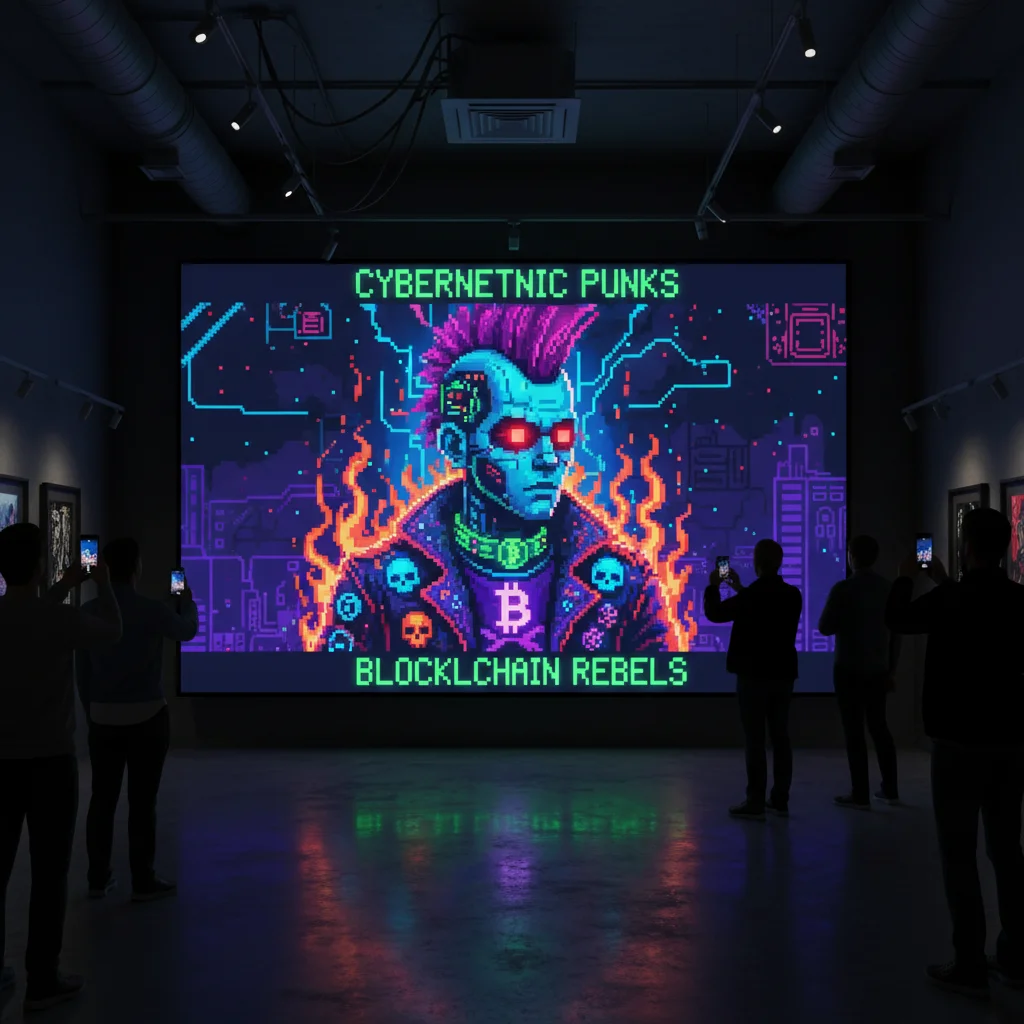
It was this idea of digital ownership and uniqueness that triggered the explosive growth of the market and led to phenomenal sales. Works by digital artists, which were previously easy to copy, gained the value of collector's items. During the period of peak interest, some NFTs were sold for millions of dollars, attracting the attention of both collectors and investors looking to capitalize on the new trend.
This frenzy created precedents where simple images or GIFs were valued on par with traditional works of art. Such sales built an aura of exclusivity and high investment potential around NFT art, which became the cause of the subsequent hype.
Ownership Rights and Phenomenal Sales at the Peak of the Hype
Market Prospects After the Hype: Is It Worth Entering Now?
After a period of rapid growth, the NFT market has undergone a significant correction. The initial hype has subsided, and the prices of many assets have dropped sharply. This raises a logical question for potential investors: is it worth entering the market now, or has its time passed? On one hand, the price decline could present a good opportunity to buy promising assets at a lower cost.
On the other hand, investing in 'crypto-art' carries significant risks that cannot be ignored. The market remains extremely volatile and speculative. Before deciding to invest, it is necessary to carefully weigh all the pros and cons, as well as understand the specifics of this new asset class.
The key risks inherent in the NFT market include several important aspects:
High volatility. NFT prices can change dramatically in short periods, which can lead to either large profits or a complete loss of investment.
Liquidity issues. It can be difficult to sell an NFT if a buyer cannot be found. The uniqueness of the asset means that its market may be very narrow.
Legal uncertainty. Legislative regulation of the NFT sphere is still in its infancy in many countries, which creates additional risks.
Risk of fraud. As in any new and rapidly growing field, fraudulent projects and counterfeits are found in the NFT market.
Market Prospects After the Hype: Is It Worth Entering Now?