Analyzing the Product Range in the Antique Business Using the Boston Matrix - AUCBURG | AUCBURG
Analyzing the Product Range in the Antique Business Using the Boston Matrix
The antique business is based on a simple principle: buy as cheaply as possible. If an item is acquired at a low price, profit is almost guaranteed, and it can be sold one way or another. Sometimes it's more profitable to buy a cheap item outside of your main specialization than an expensive one within your field.
The antique business is based on a simple principle: buy as cheaply as possible. If an item is acquired at a low price, profit is almost guaranteed, and it can be sold one way or another. Sometimes it's more profitable to buy a cheap item outside of your main specialization than an expensive one within your field.
However, beyond intuition, there are economic laws and principles that help shape strategy and development prospects. One such tool is the Boston Matrix—a model developed by a consulting firm in Boston. It helps analyze the current state of affairs and identify directions for future growth.
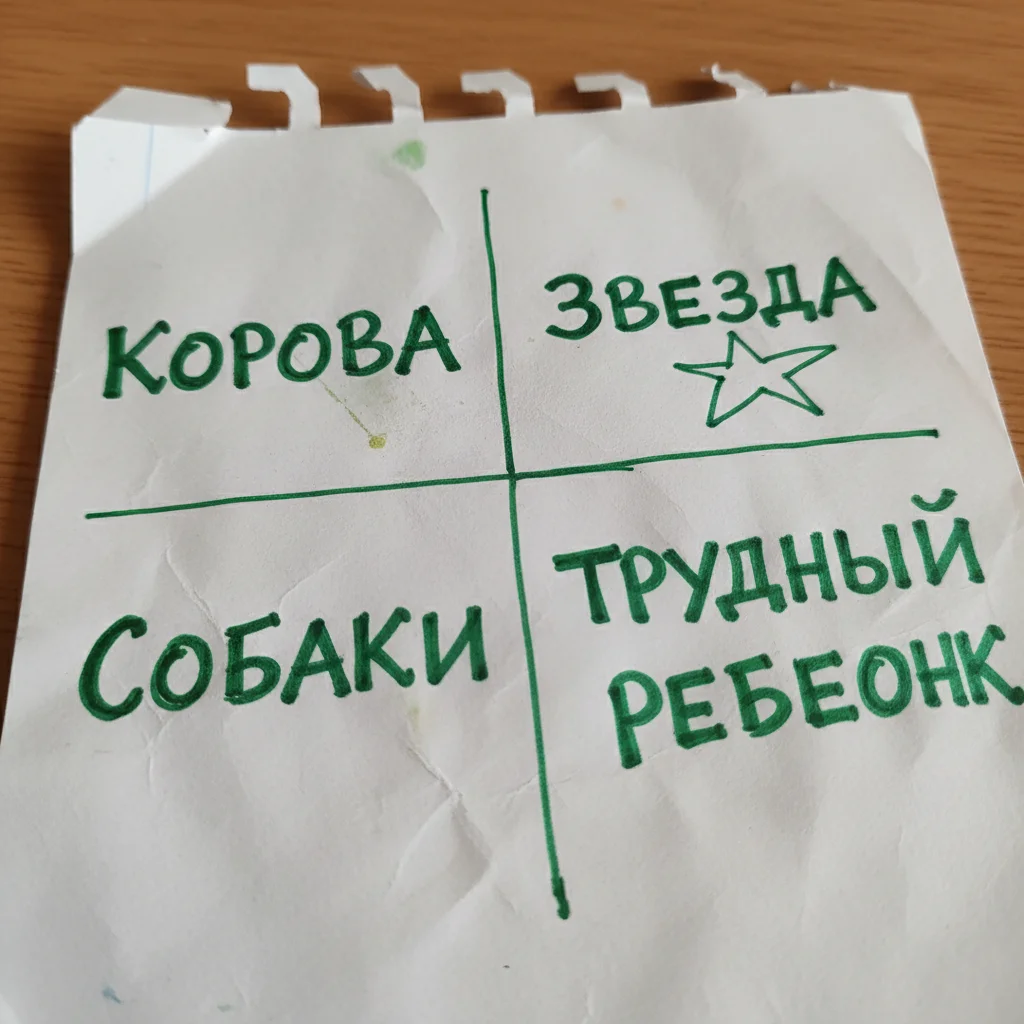
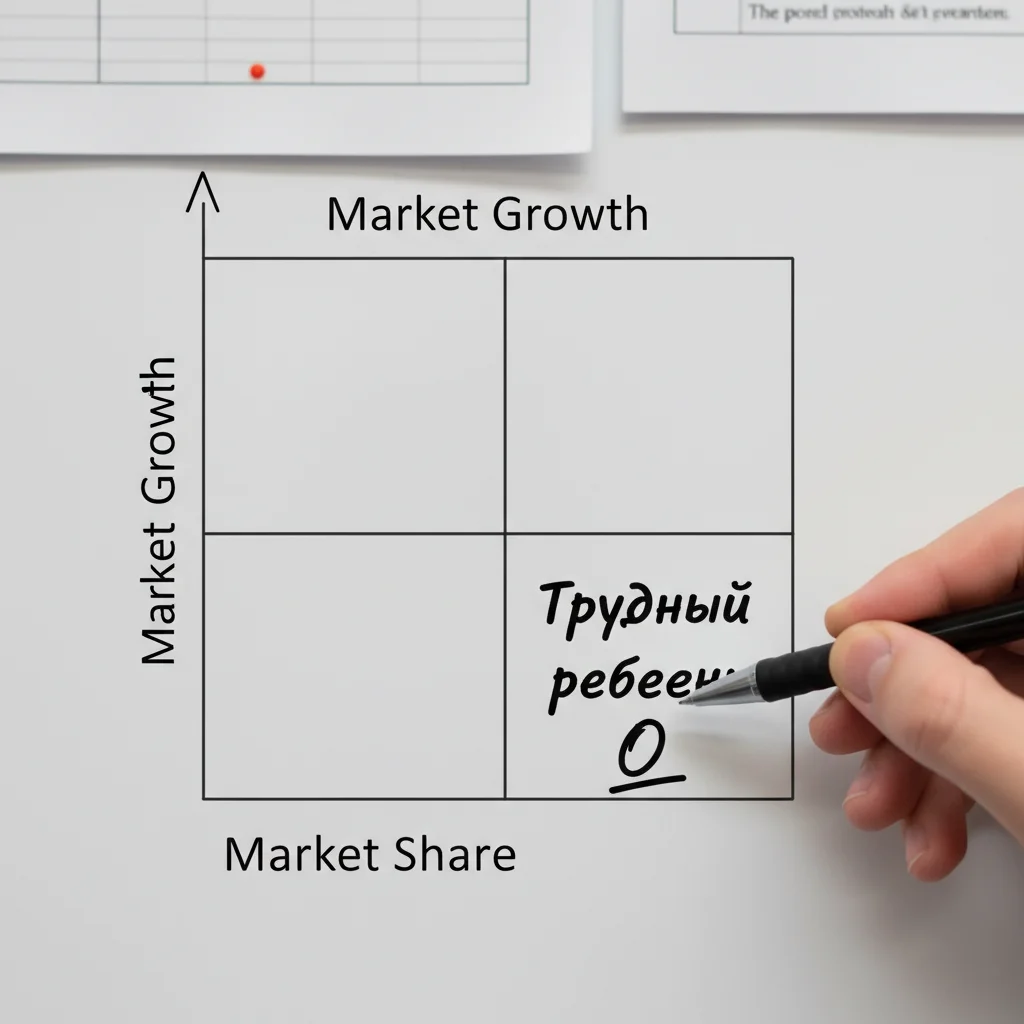
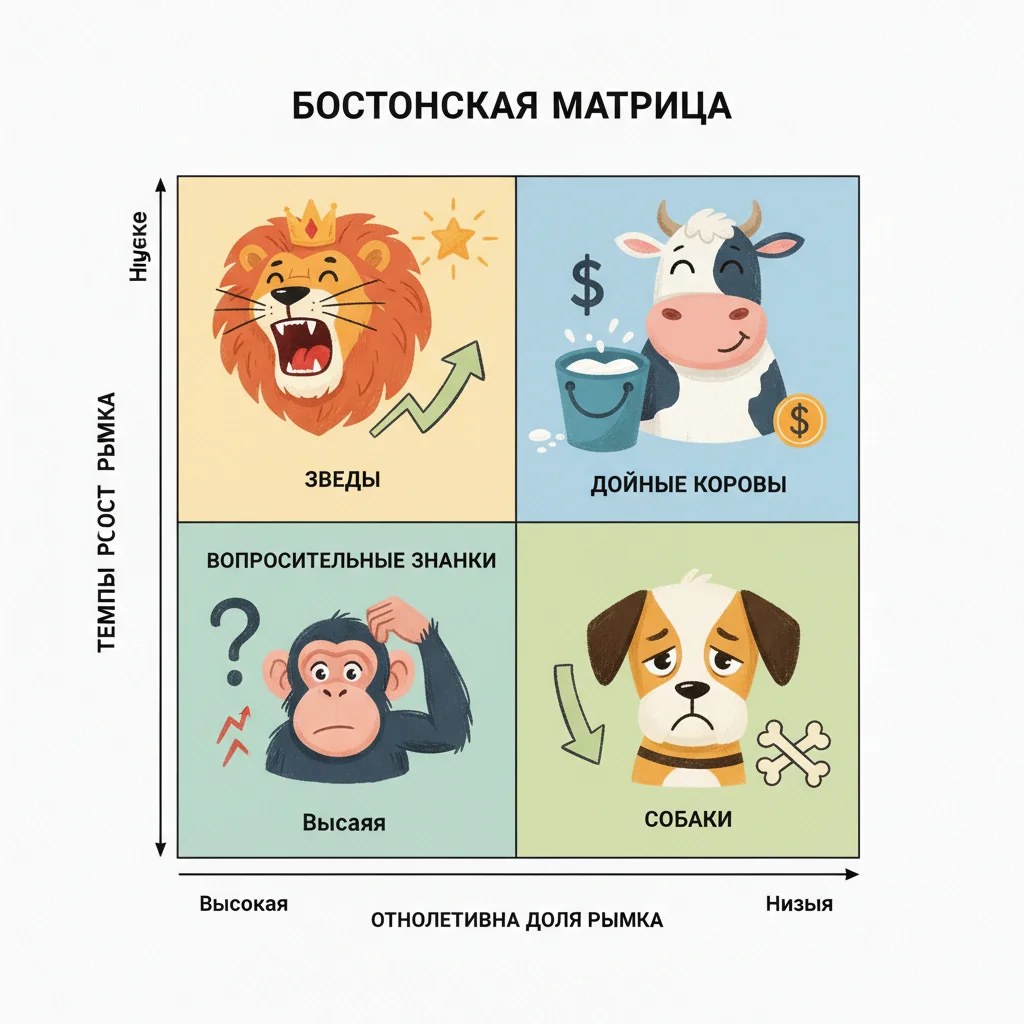
The matrix consists of four elements that allow for the classification of different business activities or product groups to understand what generates income and what requires additional investment or discontinuation.
The Four Categories of Business Assets
Category
Description
"Cash Cows"
The core, established business that provides a stable income.
"Stars"
A promising direction, a "dream business," requiring investment for growth.
"Question Marks"
A direction that is not yet profitable but has potential.
"Dogs"
An unprofitable project, a "suitcase without a handle," that drains resources.
The Boston Matrix divides all business lines or products into four categories with somewhat ironic names. Each category requires its own approach to management and investment.
Understanding which quadrant a particular product belongs to helps to properly allocate resources, shape the product range, and build a long-term business development strategy.
The four categories of business assets
"Cash Cows": A Stable Source of Income
The first element of the matrix is "Cash Cows." This is the core, already established business that forms the economic basis of all your activities. It brings in a steady, albeit not huge, monthly or annual income.
In this segment, you are already an expert, and all processes are well-established. An example could be a small antique shop, whether a physical location or an online store, for instance, on eBay, which provides a constant income and allows you to make a living.
The funds generated by "Cash Cows" are often used to invest in other, more risky or promising areas, such as "Stars" or "Question Marks."
"Cash Cows": A stable source of income
"Stars": Promising Dream Projects
The second element is "Stars." This is the area of your business that is your dream. It is not yet fully developed, but you believe in its potential and expect the maximum return from it in the future. The main funds, often obtained from "Cash Cows," are invested in "Stars."
Applied to the antique business, a "Star" could be the formation of valuable collections. The more complete and better-attributed a collection is, the higher its value. Subsequently, such collections can be sold profitably, leased to museums, or exhibited, which brings significant profit and reputation.
A successfully developed project from the "Stars" category can eventually turn into a "Cash Cow" itself, becoming a new stable source of income.
"Question Marks" and "Dogs": Problematic Assets
The third category is "Question Marks." These are projects that you really like and would like to develop, but they are not yet profitable and are at a break-even point or even a small loss. You may lack the time or funds for them. For example, the desire to become a high-class expert, which requires training and investment but does not provide immediate income.
The fourth category is "Dogs," or a "suitcase without a handle." These are unprofitable projects that require time and money but yield no return. They are hard to carry, but it's a pity to drop them. An example could be a storage space for which you pay rent but do not use and which requires repairs. Such an asset only drains resources that could be invested in developing other areas.
Applying the Matrix in Numismatics
The Boston Matrix can be effectively used to analyze the product range in a specific field, such as numismatics. All inventory can be conditionally divided into two large groups:
Items with high financial risk, but also with high potential returns. An example could be paintings by contemporary artists.
Items with minimal risk. This group includes, for example, modern investment coins that can be bought at a price close to the metal value and sold with a small markup.
Based on this classification and the principles of the matrix, a balanced assortment for your numismatics business can be formed.
Applying the matrix in numismatics
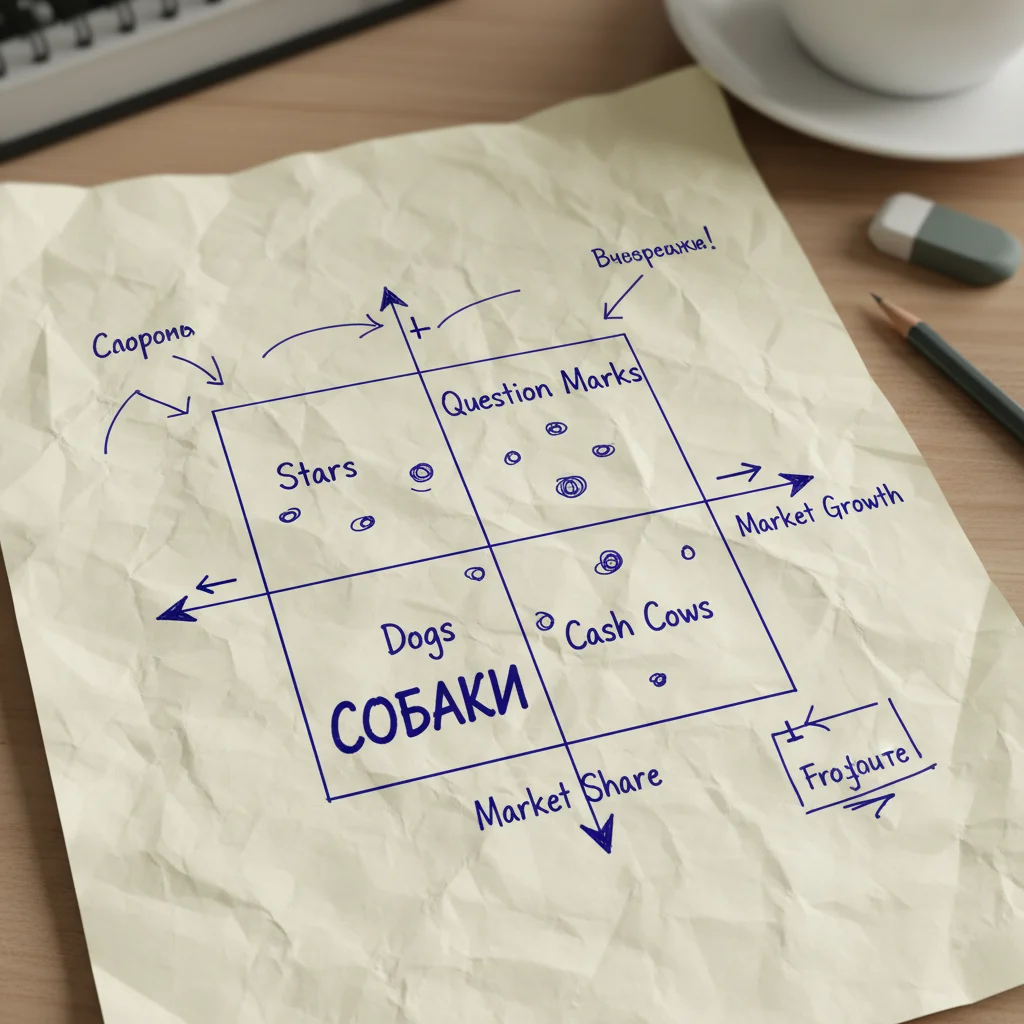
A Numismatist's Assortment According to the Boston Matrix
Let's consider a specific example of forming a coin assortment using the Boston Matrix.
"Cash Cow." This category can include 19th-century European gold coins (e.g., 20-mark, French, Spanish). The market for them is stable and well-supplied, ensuring a steady, though not enormous, income.
"Star." These are leaders in a growing market with high profitability. Examples include Tsarist chervonets or five-ruble coins from 1898–1901, as well as the gold "Sower" from 1976–1981. Rare Soviet orders with low serial numbers can also be included here.
"Question Mark." This category includes modern gold investment coins (Maple Leaf, Krugerrand). The market for them is fast-growing, but their market share is small, and the profit is minimal, as investors buy them at a price close to the metal value. To generate income, a large turnover and significant investment are required.
"Dogs." These are products with a small share in a slowly growing market. Examples include gold coins from Ukraine or silver coins from Belarus. Their price is almost equal to the value of the metal, making them unattractive for speculative selling.
A numismatist's assortment according to the Boston Matrix