How to Recognize 'Reproductions' in the Antiques Market
The antiques market is filled not only with unique items with a history but also with their modern copies, known as 'reproductions.' These are items intentionally created to look old, and their production has now reached an industrial scale. Distinguishing such an item from a genuine artifact can be difficult, as forgery masters have learned to imitate the styles and technologies of past eras.
The antiques market is filled not only with unique items with a history but also with their modern copies, known as 'reproductions.' These are items intentionally created to look old, and their production has now reached an industrial scale. Distinguishing such an item from a genuine artifact can be difficult, as forgery masters have learned to imitate the styles and technologies of past eras.
The main goal of creating a reproduction is to mislead the buyer by selling a modern copy at the price of a real antique. Therefore, for anyone interested in old items, it is critically important to learn to see the difference and understand how to distinguish a reproduction from an antique to avoid falling victim to deception.
Three Main Signs That Give Away a Forgery
Despite their skillful execution, most reproductions can be identified by several common signs. These criteria serve as a starting point for any appraisal and help weed out obvious fakes at an early stage. It is important to evaluate the item comprehensively, paying attention to every small detail.
There are three main markers that most often betray a modern copy. Experienced collectors always check an item against these points:
Perfect condition. Genuine old items almost always have minor defects acquired over many years. A flawless condition should be a red flag.
Incorrect weight. Copies are often made from cheaper and lighter alloys or materials, so their weight can differ noticeably from the original.
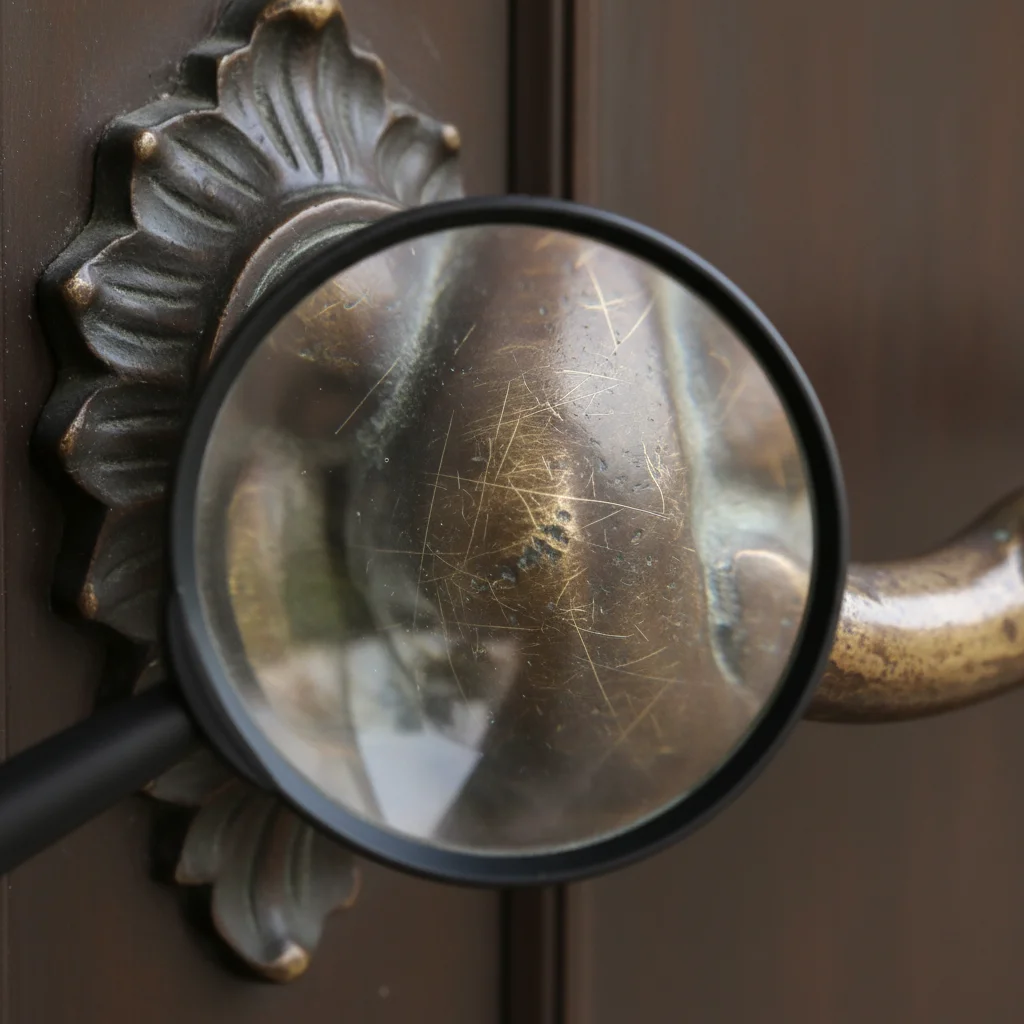
Absence of signs of use. Old items always have natural scuffs, scratches, and traces of use in places where they were most frequently handled. Their absence is a serious reason for doubt.
Three main signs that give away a forgery
Examining Bronze: Weight, Patina, and Details
Characteristic
Genuine Bronze
Reproduction
Weight
Heavy, dense, solid
Lighter due to cheap alloys, may be hollow
Patina
Uneven, deep, natural shades
Uniform, superficial, often unnaturally green or black
Detailing
Possible traces of hand-finishing, slight asymmetry
Sharp, machine-made lines, perfect symmetry, blurring of fine details
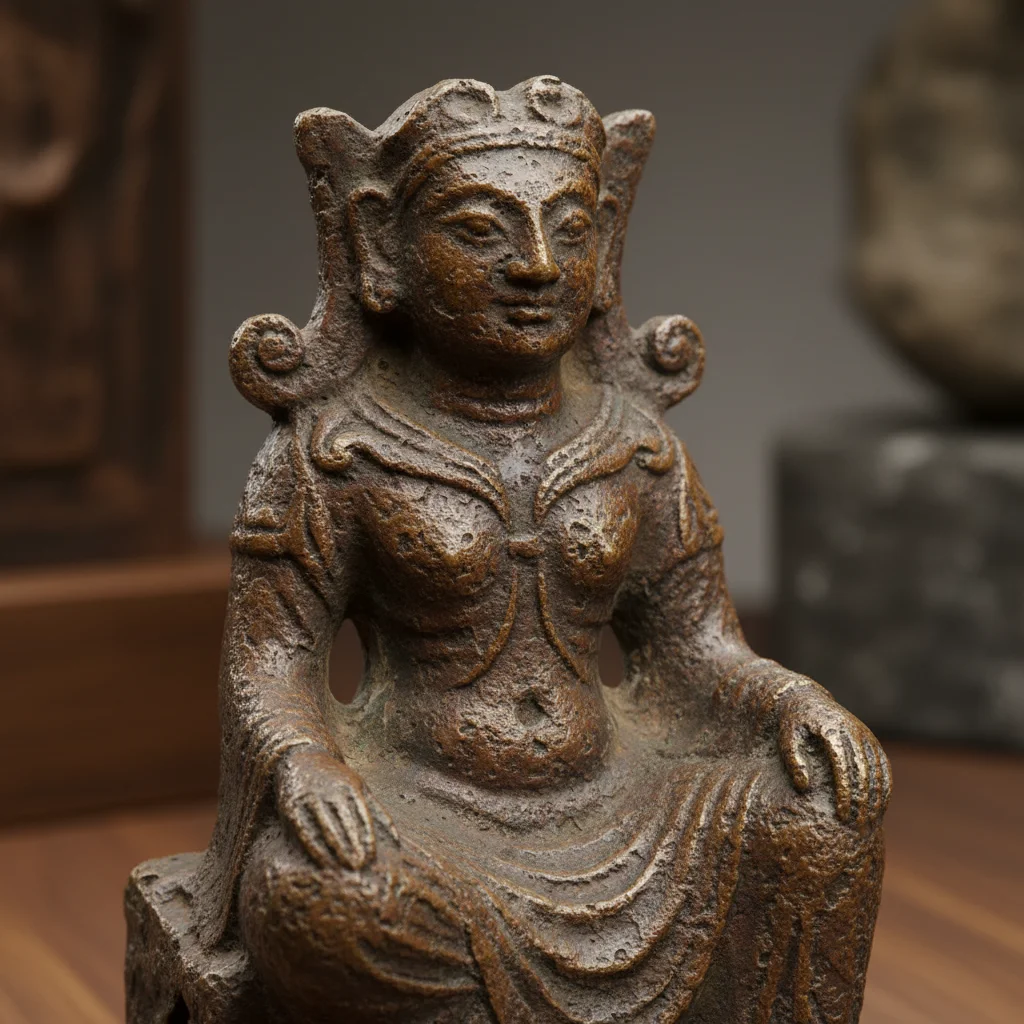
Bronze items are a popular target for forgeries. The first thing to pay attention to is the weight. Authentic antique bronze is a heavy and dense material. Reproductions are often made from lighter alloys, such as silumin, coated with bronze-colored paint.
The second important aspect is the patina, the noble film that forms on metal over time. On genuine items, it is uneven, has different shades, and penetrates deep into the metal. On fakes, the patina is artificial, created chemically, so it looks too uniform and can be easily rubbed off.
Examining Bronze: Weight, Patina, and Details
Porcelain Imitations: Secrets of Marks and Glaze
When appraising antique porcelain, details play a key role. Genuine pieces from old manufactories often have a characteristic weight and balance that is difficult to replicate. The glaze on old porcelain may develop a network of fine cracks (crazing) over time and show signs of wear, whereas on a reproduction, it will be perfectly smooth and shiny.
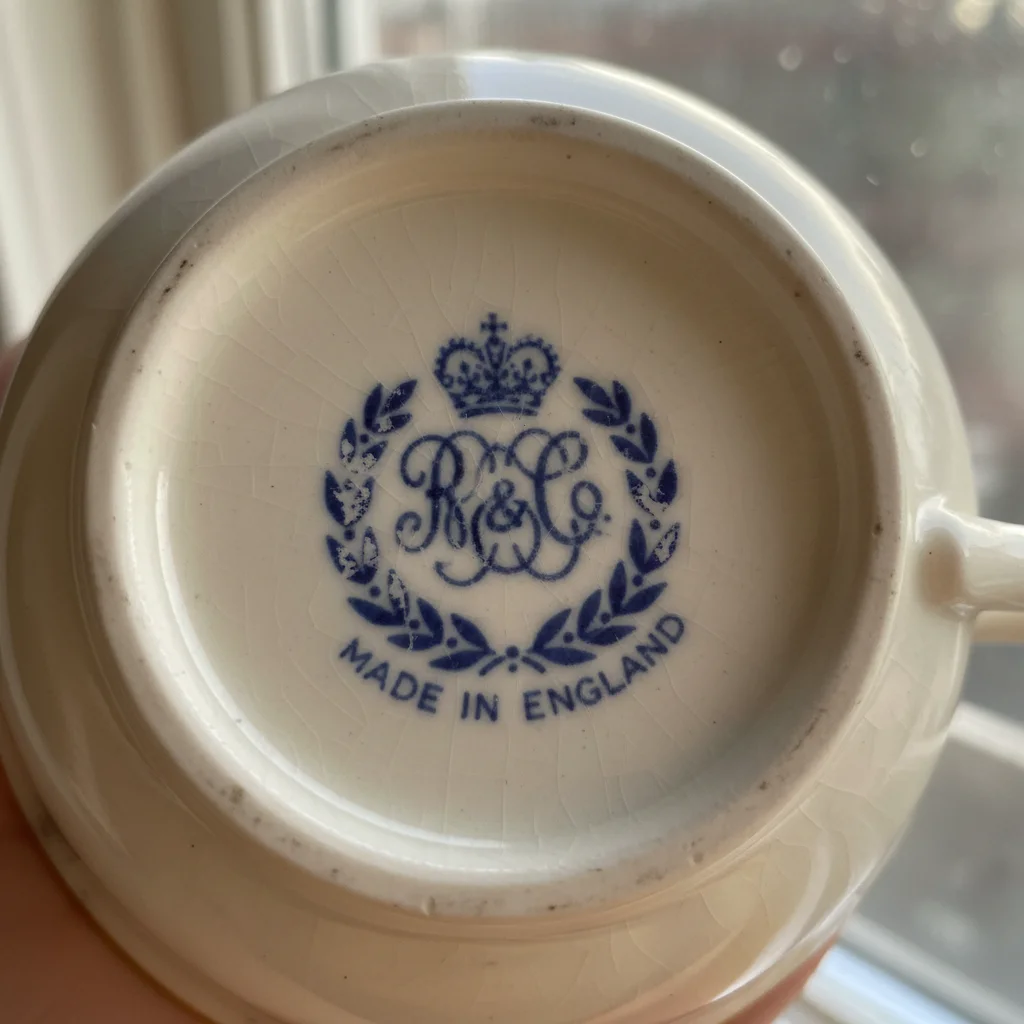
Special attention should be paid to the painting and the mark. Hand-painting on antique pieces is lively, with visible brushstrokes, while copies often use decals—a transfer image that looks too perfect and flat. The mark on fakes may be blurry, smudged, or not match known examples from a specific period and manufactory.
The weight and tactile feel of the item.
The quality and character of the painting: handwork versus a printed image.
The clarity, authenticity, and method of application of the mark on the bottom of the piece.
The condition of the glaze: the presence of natural wear, crazing, and scuffs.
Porcelain Imitations: Secrets of Marks and Glaze
Furniture 'With a History': Authenticity Check
Antique furniture is particularly vulnerable to forgeries, as the artificial aging of wood has become an entire industry. The main sign of authenticity is the natural signs of use. Scuffs, scratches, and dents should be located in logical places: on armrests, handles, legs, and the corners of tabletops.
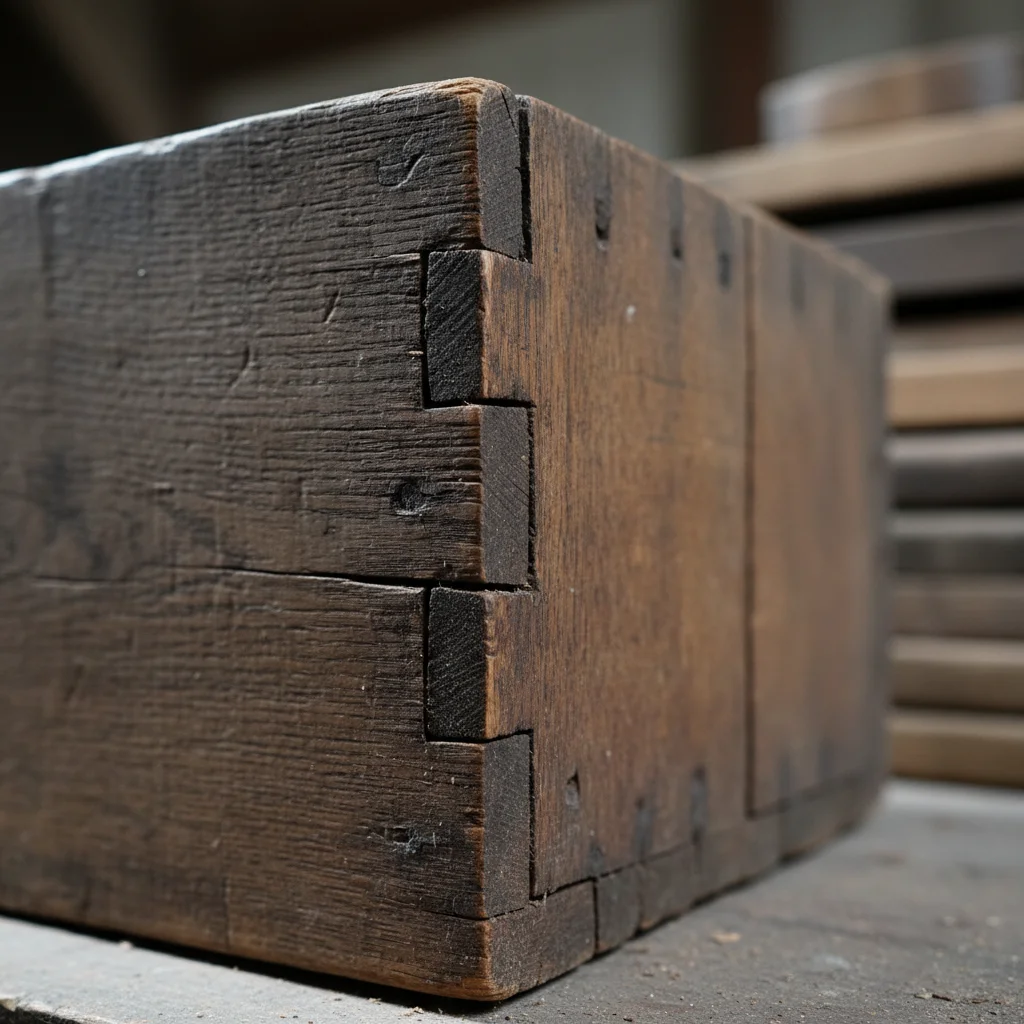
Artificially aged furniture often has uniform damage across its entire surface, which looks unnatural. It is also important to examine the construction. Antique furniture used joints like dovetails, wooden dowels, and forged nails. The presence of modern screws, staples, or traces of PVA glue is a sure sign of a reproduction or a significant later restoration.
Check the back panels and the inside surfaces of drawers. Forgery makers often treat only the visible parts, leaving the internal elements in their pristine, new condition. The wood of old furniture darkens and shrinks over time, which is also difficult to imitate.
Furniture 'With a History': Authenticity Check
How to Recognize 'Reproductions' in the Antiques Market - AUCBURG