How to Quickly Check a Silver Ruble: Two Key Signs - AUCBURG | AUCBURG
How to Quickly Check a Silver Ruble: Two Key Signs
There is a simple method for the initial authentication of silver rubles. This method is especially well-suited for certain types of coins that are commonly found among collectors.
There is a simple method for the initial authentication of silver rubles. This method is especially well-suited for certain types of coins that are commonly found among collectors.
Nicholas II rubles (rubles from the reign of Nicholas II)
The 1924 Soviet ruble
The commemorative '300th Anniversary of the Romanov Dynasty' ruble
These coins have specific characteristics that allow for the use of simple yet effective rapid assessment methods.
First Sign: Stability on the Edge
Edge Type
Test Applicability
Incuse lettering
Test works
Reeded edge
Test does not work
Edge with raised letters
Test does not work
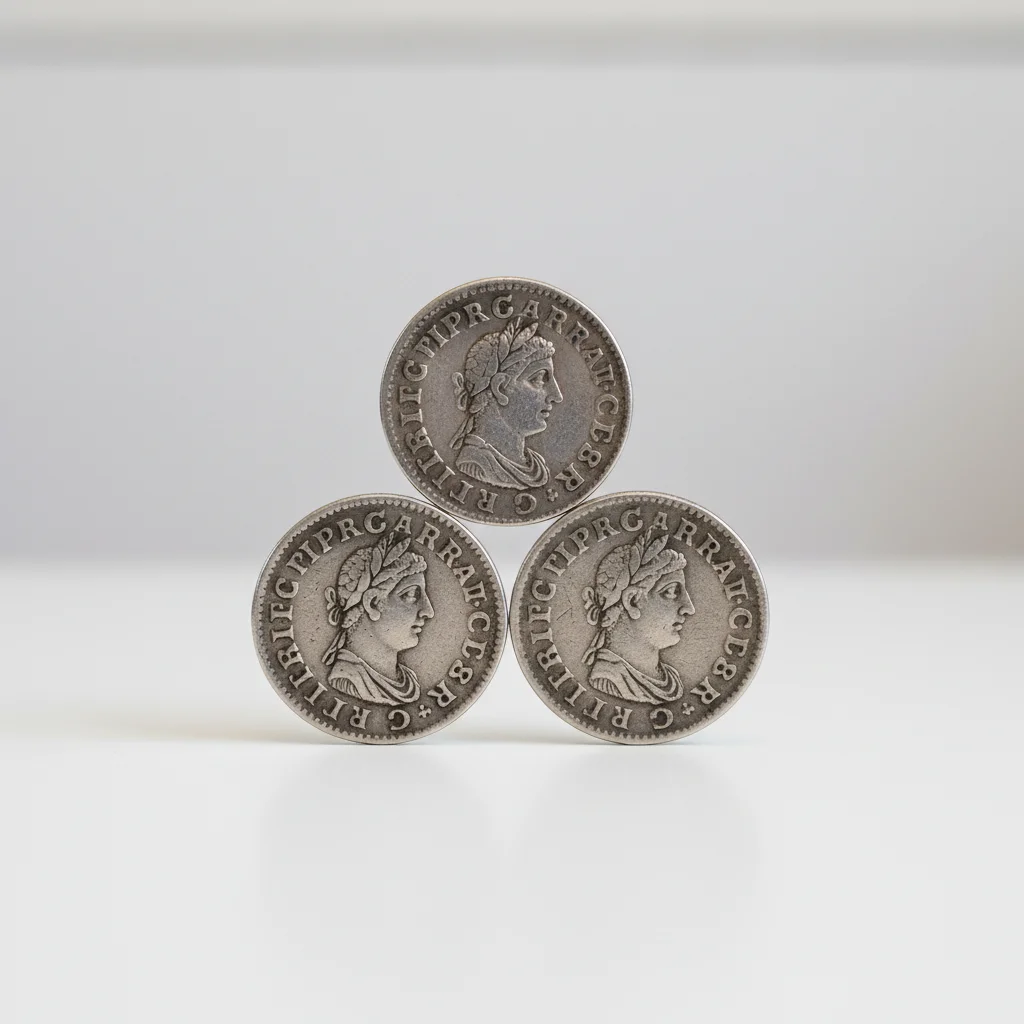
The first and simplest test is to check the coin's stability. An authentic silver ruble of a specific type should be able to stand on its edge on a flat surface without much trouble. If the coin cannot maintain its balance and falls over, this is a warning sign and indicates that it is 'problematic'.
It's important to understand that this method doesn't work for all coins, only for those with incuse lettering on the edge. For coins with other types of edges, this test is not indicative.
Therefore, if a Nicholas II or Soviet ruble with incuse lettering won't stand on its edge, it's a strong reason to doubt its authenticity.
First Sign: Stability on the Edge
Second Sign: The Characteristic Silver Ring
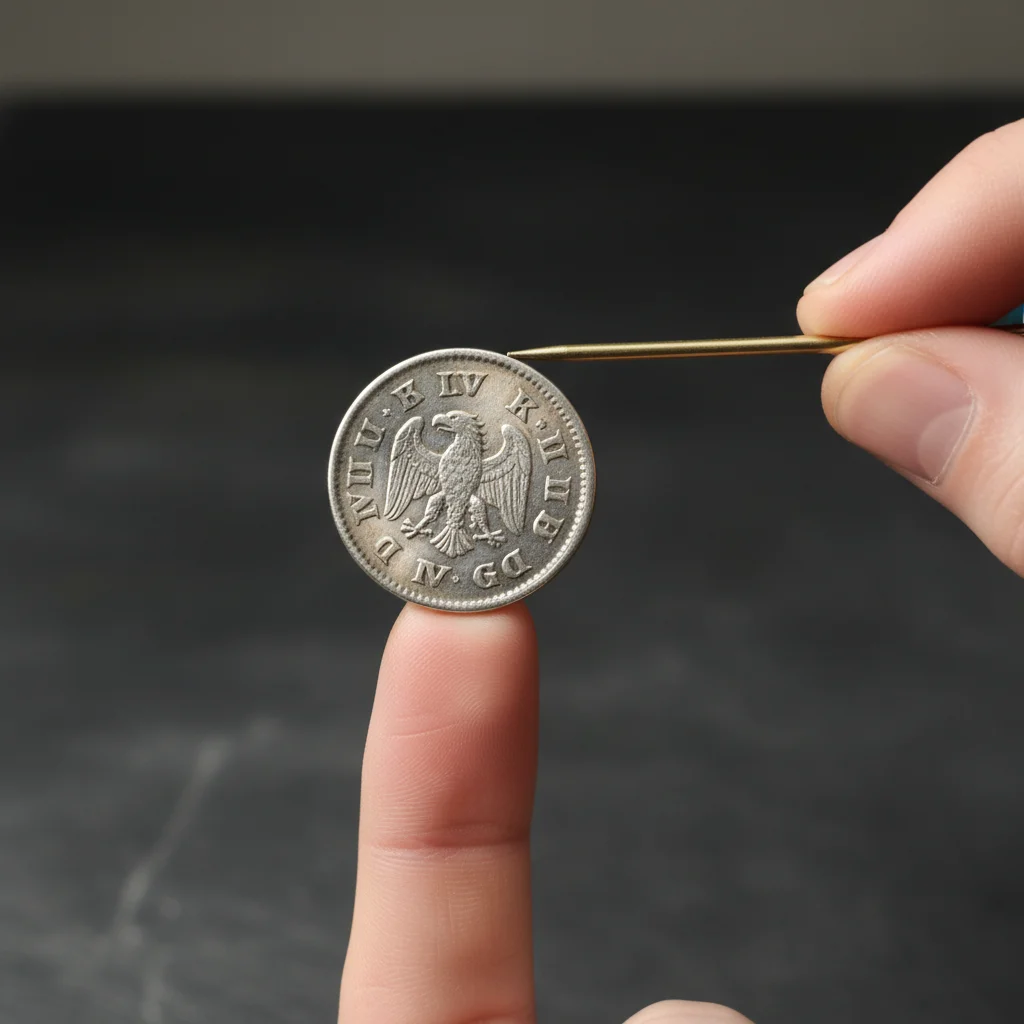
The second verification method is the sound test. A genuine silver coin produces a characteristic, long, and clear ring. If the sound is dull and short, it could indicate a counterfeit made from a different metal.
The procedure is very simple and consists of several steps:
Place the coin on the pad of your little finger so that it can rest freely.
Balance it on its center of gravity so it doesn't fall.
Gently strike the coin with another object, like a metal rod or another coin.
The sound should be sustained and melodious. If you only hear a dull, short thud and the ring isn't prolonged, it means there's a problem with the coin. This method, along with the edge test, helps to quickly screen out crude copies.